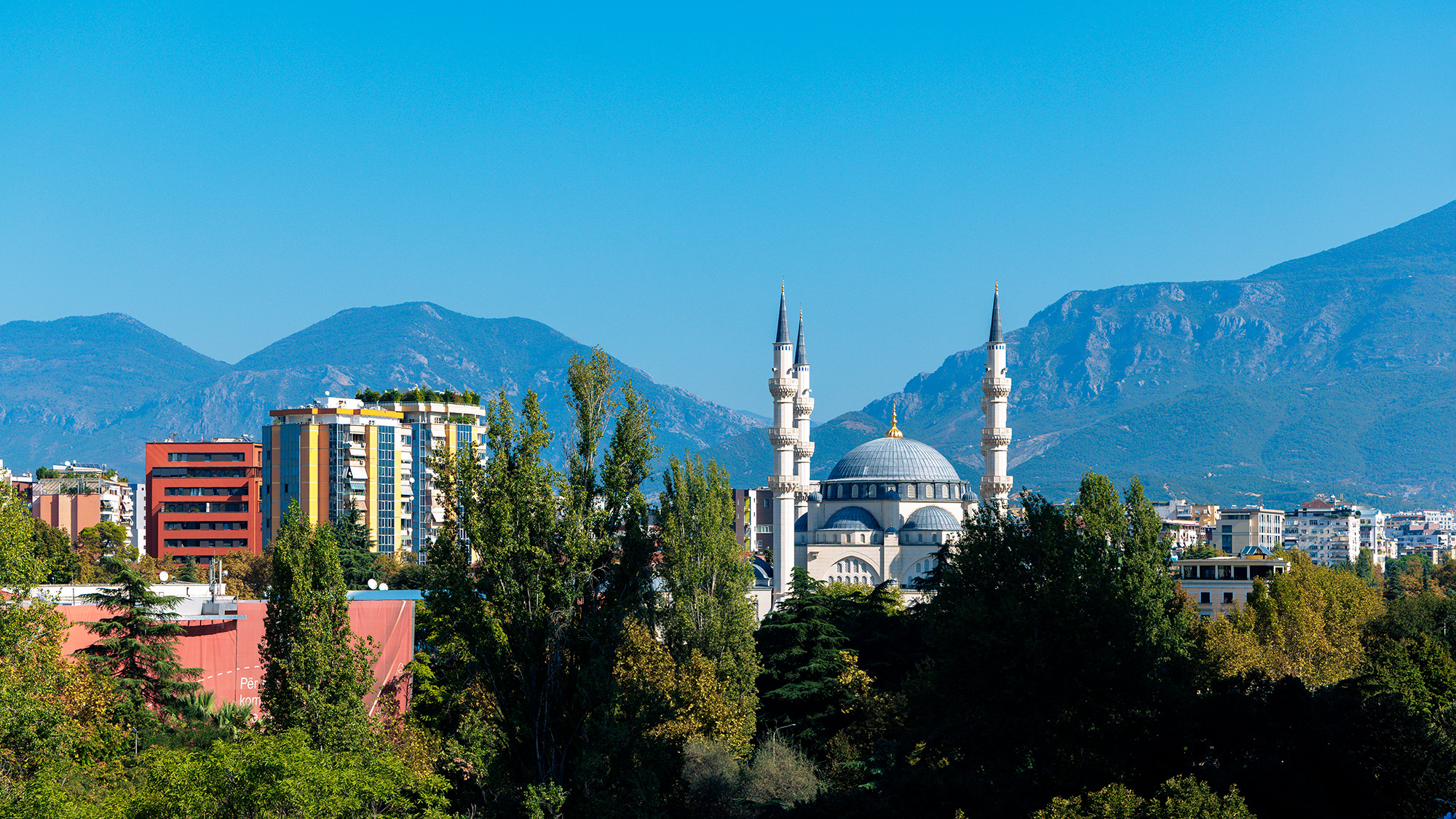
The transformation totally transfixed me, to the point where I could barely believe that this was the same city. You see, I had visited Tirana, Albania’s bustling capital and biggest city, 12 years earlier. My goal at the time was to cross off a new country on my list. Albania? Check! And I wanted to satisfy some curiosity, too.
I’d already visited many Balkan countries. There were rumors—small, quiet ones, back then—that Albania might just be the next big thing when it came to tourism. So, as a working travel writer, I shunned invitations to more obvious destinations and instead added a side trip to Tirana on a journey to Istanbul, where I was covering a hotel opening.
The flight from Istanbul was short, and I landed in a place that was just starting to progress. The architecture of old Stalinist times still reigned. Western tourists were a new thing. The wind of change, pushing out sadness and despair and decades of darkness and bringing in optimism and hope, was just starting to blow.
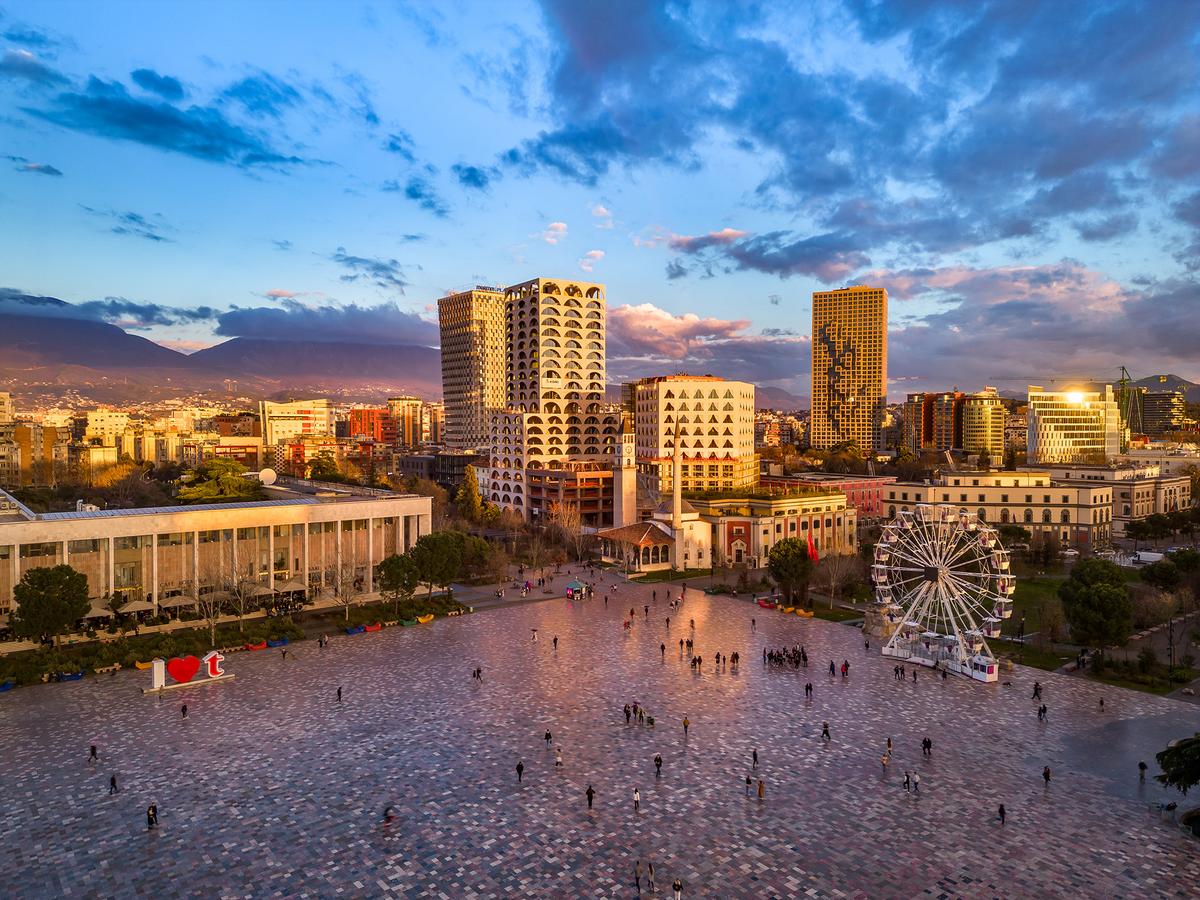
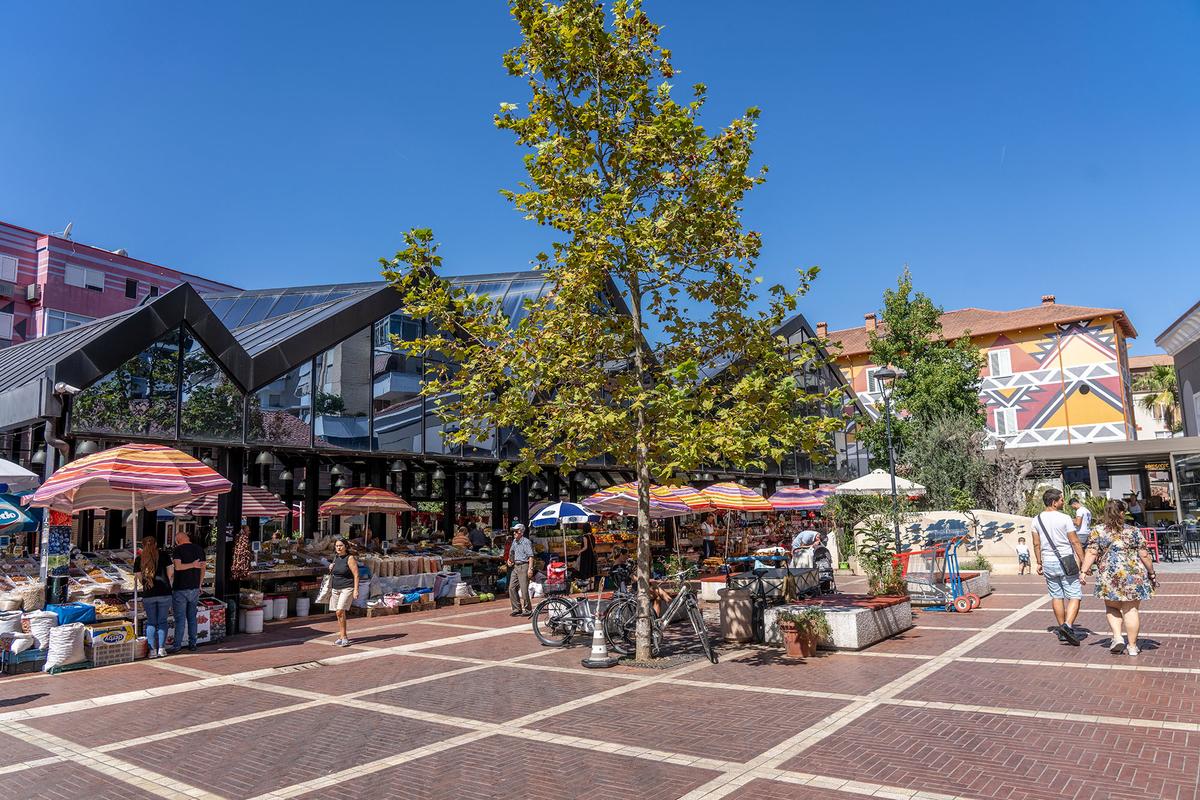
Returning to the capital a couple of months ago, I noticed that the breeze had become a gale. It had swept in a glassy, brand-new skyline. Skanderbeg Square, at the heart of it all, had been tiled and polished and made pedestrian-friendly. And the namesake national hero on horseback now surveyed young, bright, smiling people, both residents and visitors, striding or riding through on scooters and bikes, heading to the little parks and food carts all around the edges and, after that, perhaps a cool refreshment at a nearby sidewalk cafe.
Is it just my imagination, all this change? No, says Armand Ferra, founder and CEO of Fine Travel Albania DMC, a man with decades of tourism experience in the country.
“The city has undergone a remarkable transformation, particularly over the past 10 years,” he told me.
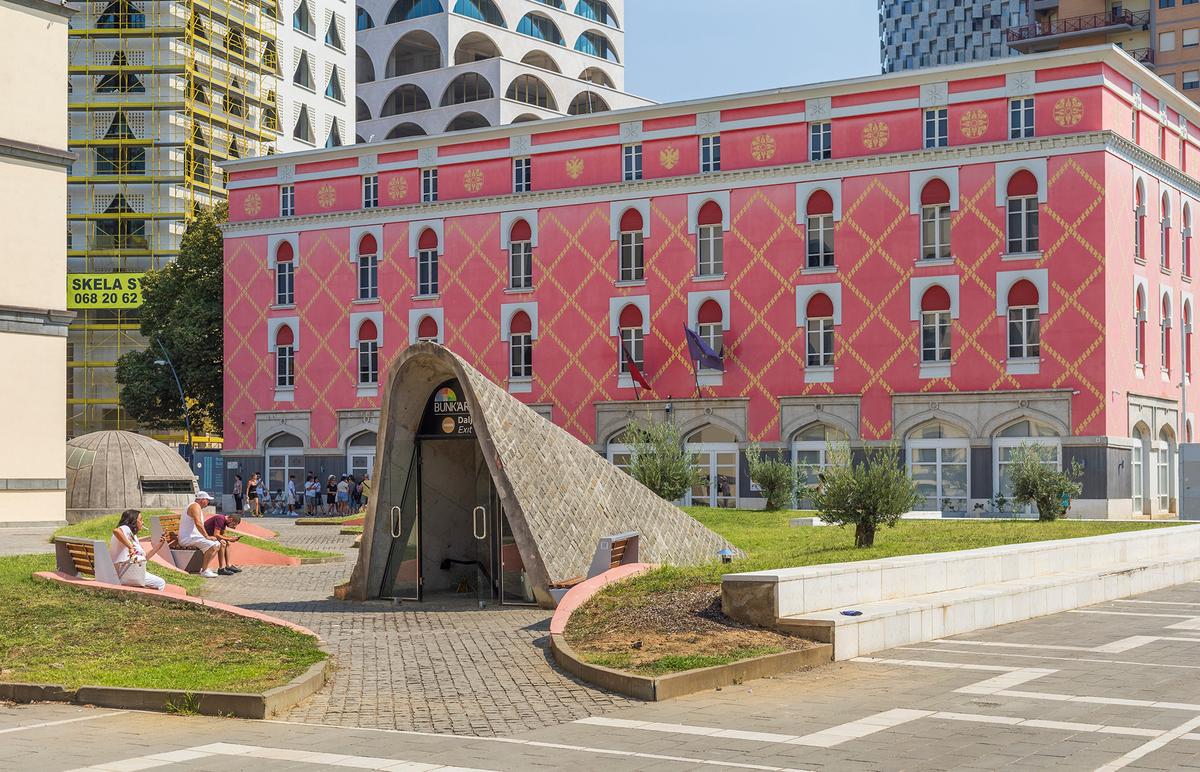
As proof, he pointed out a number of major projects, from the reinvented Skanderbeg Square (which was once just ratty grass and dirt and parking lots) to the new National Theatre and New Boulevard. Like the history of the country itself, these are often new installations created over historic ones, bringing together new and old in a mesmerizing mix.
By some estimates, tourism to Albania has doubled in just the past few years. The new Tirana is resolutely focused on the future and has become a much more fascinating place for visitors.
It helps to know how to explore. Here’s my guide on doing so, based on two visits, separated by more than a decade.
Arrival
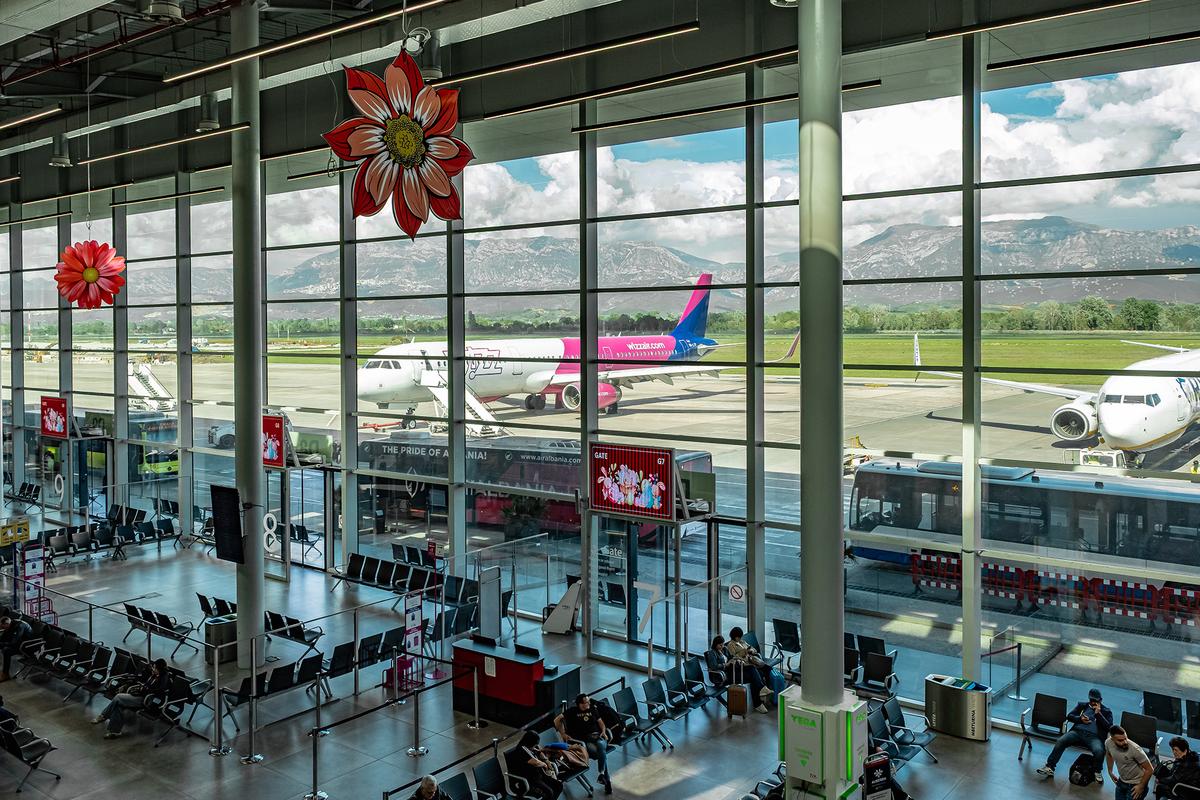
Named for Mother Teresa, Tirana International Airport Nene Tereza (TIA) is currently the only Albanian airport with regular, scheduled flights in the country. Once, it was a lonely place. During the nation’s period of isolation in the second half of the 20th century (more on that below), very few planes landed on these runways—only nine flights a week, even in the late 1980s.
But today, TIA is booming. The passenger numbers grow by leaps and bounds every year, and they stood at 11.6 million in 2025. Many flights are seasonal, including the only nonstop option from North America.
Inaugurated in June of this year, the direct route aboard Canadian charter carrier Air Transat takes about nine hours, from Toronto. Once you land, the airport is only about seven miles out of town.
A taxi, ride-share, or pre-arranged car through a DMC or tour operator will make that trip into the heart of it all in about 20 to 30 minutes, depending on traffic.
This Isn’t the EU (or Schengen)
Although some nearby nations (notably Slovenia and Croatia) have joined the European Union and enjoy more open borders as part of the Schengen area, Albania is still a stand-alone country. So although a visa isn’t required for North American tourists, there is a formal passport and customs entry process.
Importantly, you’ll also need some lek, the national currency (often abbreviated ALL).
One USD will get you about 80 ALL. Cash remains king, even here in the capital. Although cards and phone apps such as Apple Pay are becoming more common, Tirana is definitely a place where having paper money in your pocket is pretty much mandatory for many shops, restaurants, and taxis.
A word of warning: Don’t be like me and accidentally step onto the return flight with about $30 worth of Lek in your pocket. It’s a currency that’s not easily traded outside the country, so that cash will remain mine until my next visit to Albania.
A Little History
I’ll do my best not to get too deep into the weeds here. Obviously, whole tomes have been written about the history of Albania. And books certainly could be written about just the past few years alone. But it helps to have just a little bit of context.
Like most Mediterranean nations, this country has a layered history of era upon era, empire upon empire—whole civilizations, blowing in on the trade winds: Illyrians, Ottomans, and a monarchy under King Zog.
For much of the second half of the 20th century, a ruthless communist autocrat named Enver Hoxha ruled post-World War II Albania with an iron fist. The country became extremely isolated.
“We were the North Korea of Europe,” my guide, Edjon Maliqaj, told me.
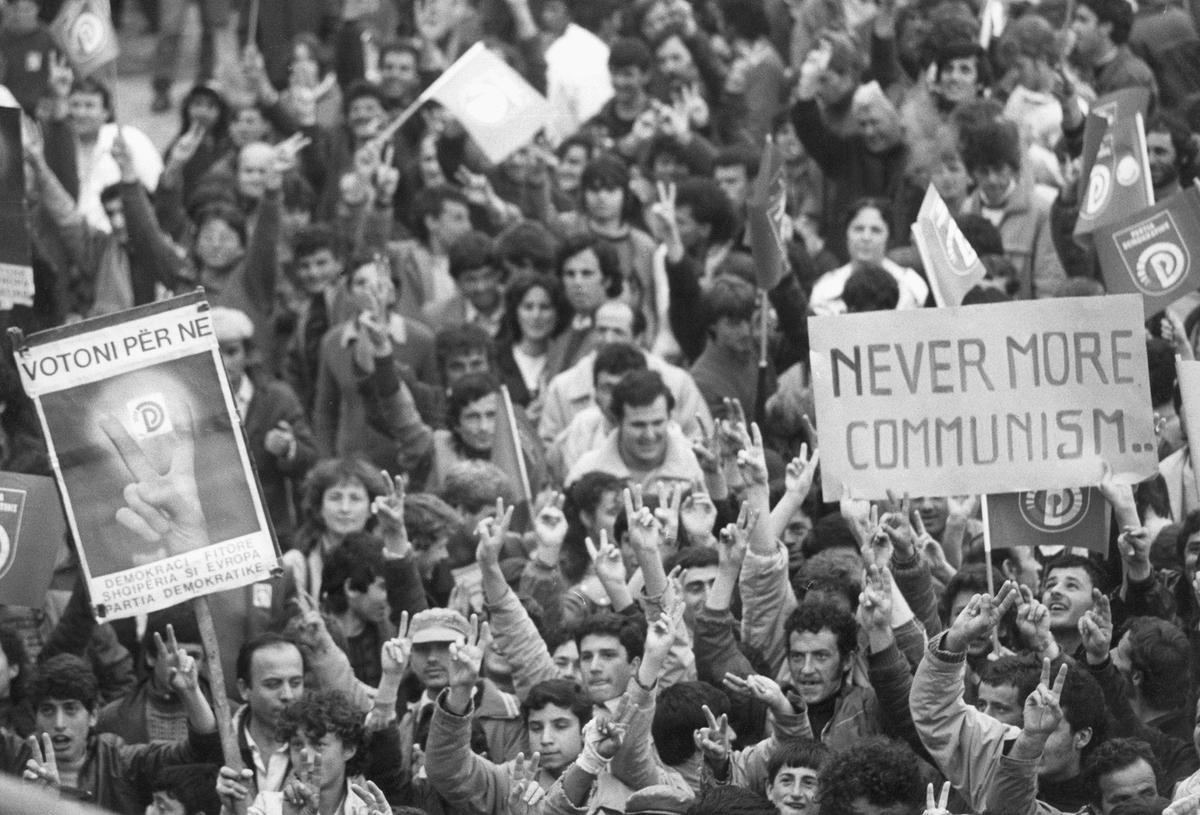
Initially forming close ties with Stalin, Albania abandoned plans for integration with Yugoslavia after relations with Josip Broz Tito deteriorated. Spurning the West and, eventually, the Soviet Union, Hoxha got cozy with Mao Zedong’s China in the 1960s and 1970s. Eventually that alliance, too, fell apart. For decades, Albanians lived in a totalitarian state that suppressed its own citizens with a toxic mix of surveillance, propaganda, and brute force.
Things aren’t perfect today, but they’re a lot better—the country is a parliamentary republic and in line to join the European Union. I won’t parse the politics of recent, daily, peaceful anti-government protests. But one thing is clear: Relative prosperity and greater freedom have become a reality. The past is fading away, like a bad dream.
Honor the Past
It’s best to get the heavy stuff out of the way first. Two primary sites in the city center give a very good presentation of the past. When you approach the House of Leaves today, it feels like a grassy, fairly sylvan spot with some welcome shade from the hot Mediterranean sun. This two-story villa was named for the vines and leaves that climb the exterior bricks.
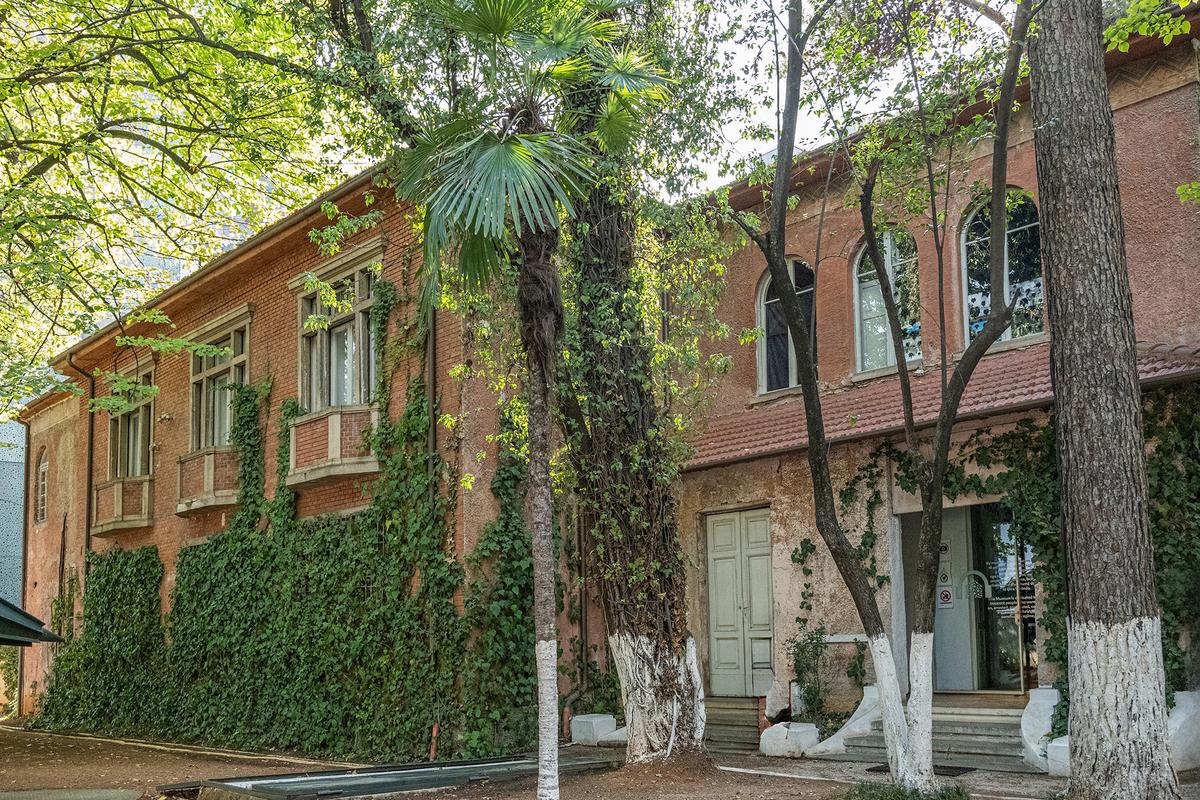
However, its pleasant appearance belies its sinister former purpose. This was once the headquarters for the Sigurimi, Hoxha’s secret police. The halls within were home to interrogation and surveillance activities. Today, those same rooms tell that story—and those of the people who were harmed.
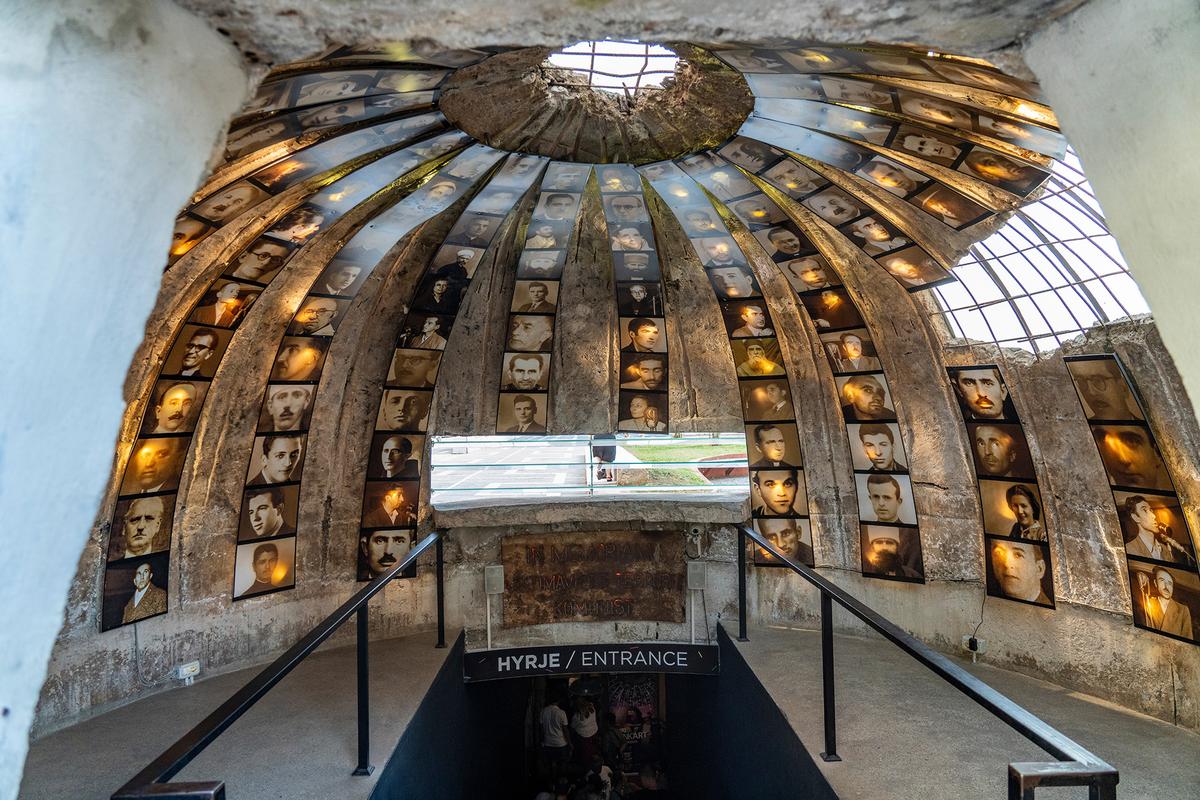
Nearby, go subterranean at Bunk’Art 2. Hoxha and his government were famously paranoid and built bunkers all over the country. This network, which runs below the roads and sidewalks and buildings right downtown, weaves this narrative, each room focusing on a different aspect of the history.
Enjoy the Present (and Future)
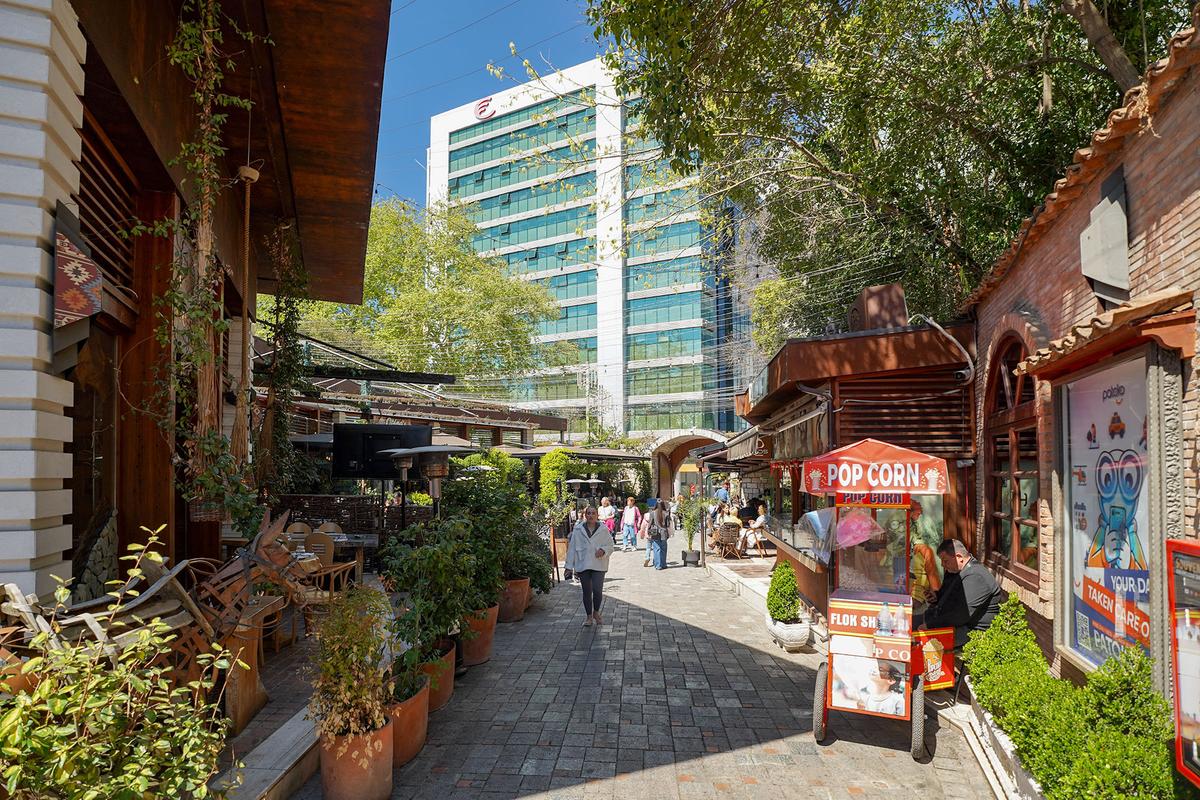
Spend most of your time in the fresh air. Especially in the warmer months, Tirana is one of the sunniest cities in Europe. I was very impressed with Tirana Castle (also known as the Fortress of Justinian), where a modern complex has been built among Byzantine ruins. Follow a pedestrian path along its winding route, lined with al fresco bars and restaurants and artisanal shops.
Head a few blocks away to one of the old Russian neighborhoods. These Soviet Bloc-style apartments were, at one time, some of the ugliest in Europe. Today, this is where the cool kids go to eat and drink and enjoy this new Albania.
Hire a Tour Operator or DMC
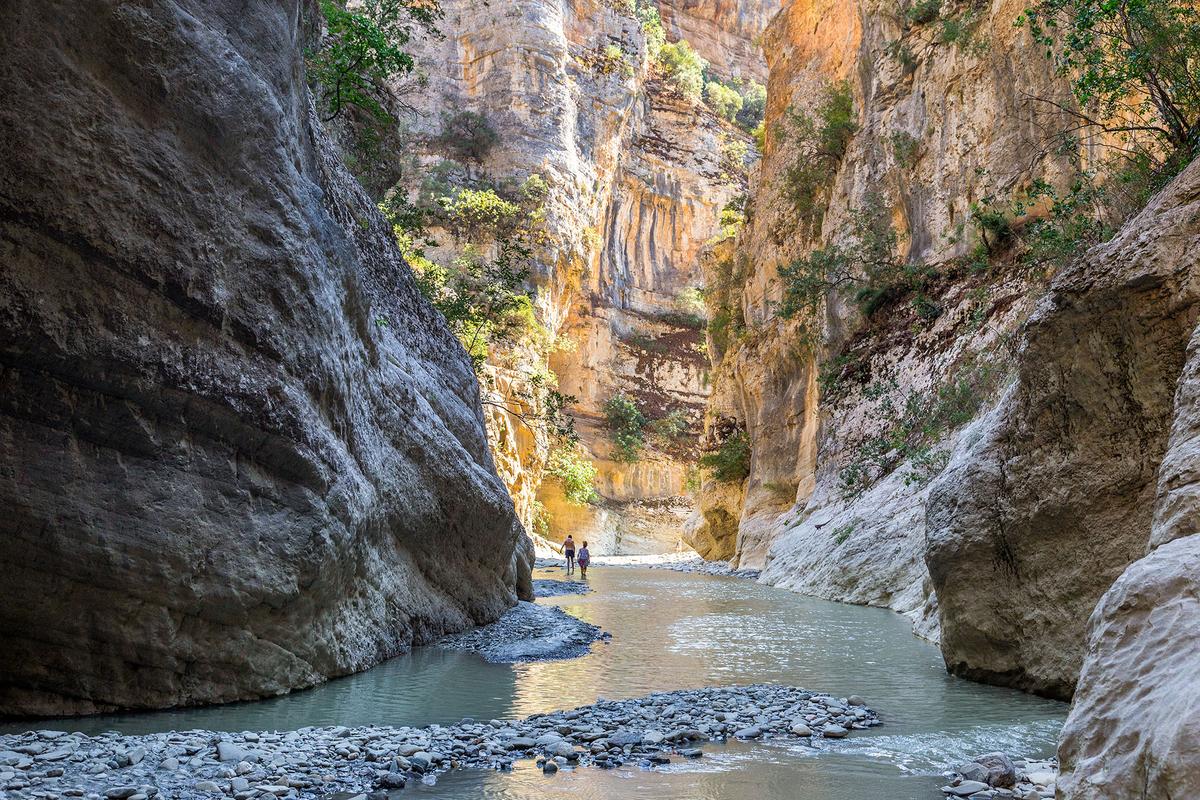
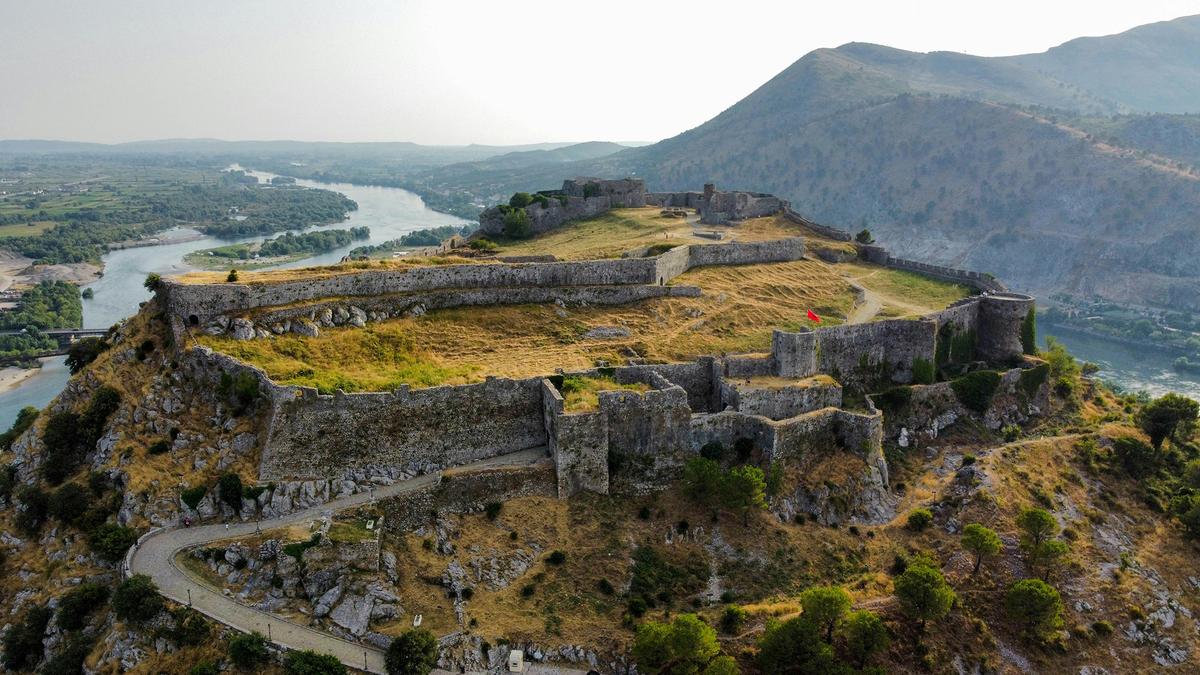
A quick tip: It’s worth traveling beyond the capital. And when you do, don’t bear the burden of planning everything by yourself. Although the country is very safe, it can be difficult and frustrating to navigate public transportation and even hotels and restaurants in this nascent tourism destination.
Eat Like a Local
Albanians, it seems, love to go out. During my many thousands of steps around Tirana, I always found the streets and parks and cafes busy, even late on a weeknight. Here, breaking bread together is a cultural cornerstone. Beyond the social side, there’s also the joy of just sitting there, listening to conversations roaring around you in a rare, unknown tongue.
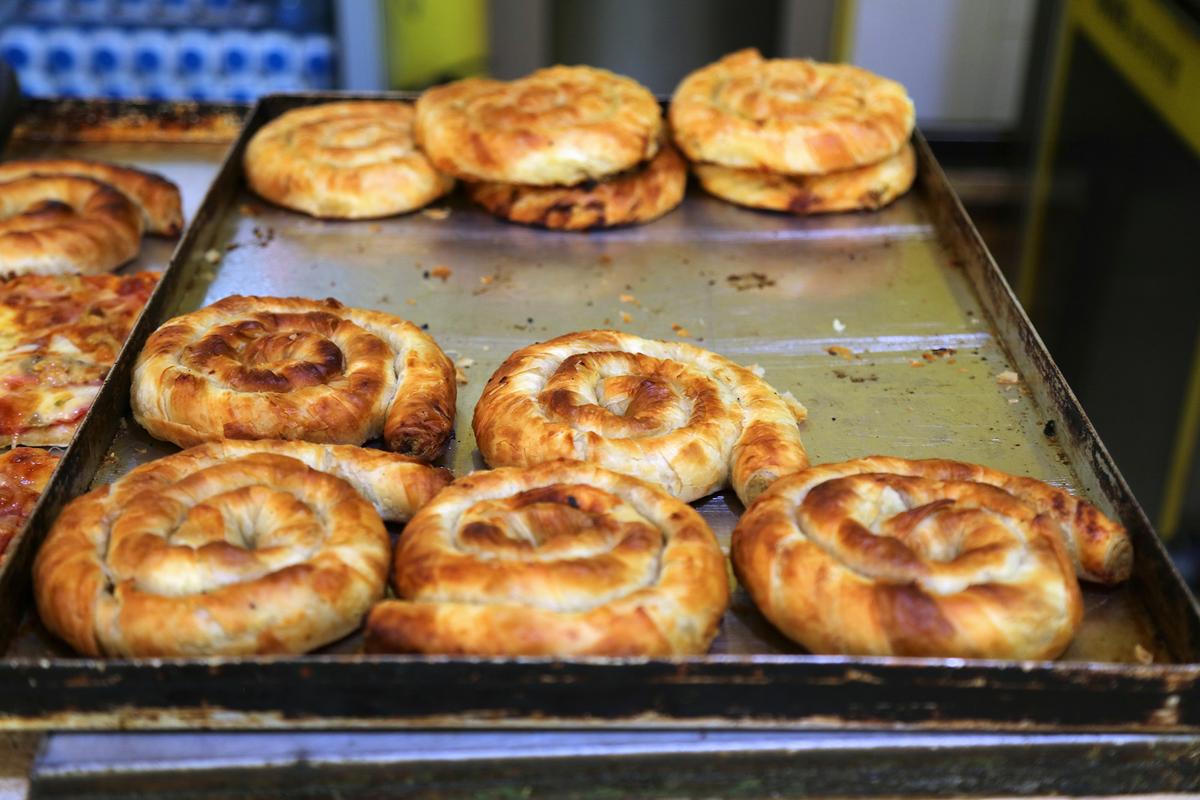
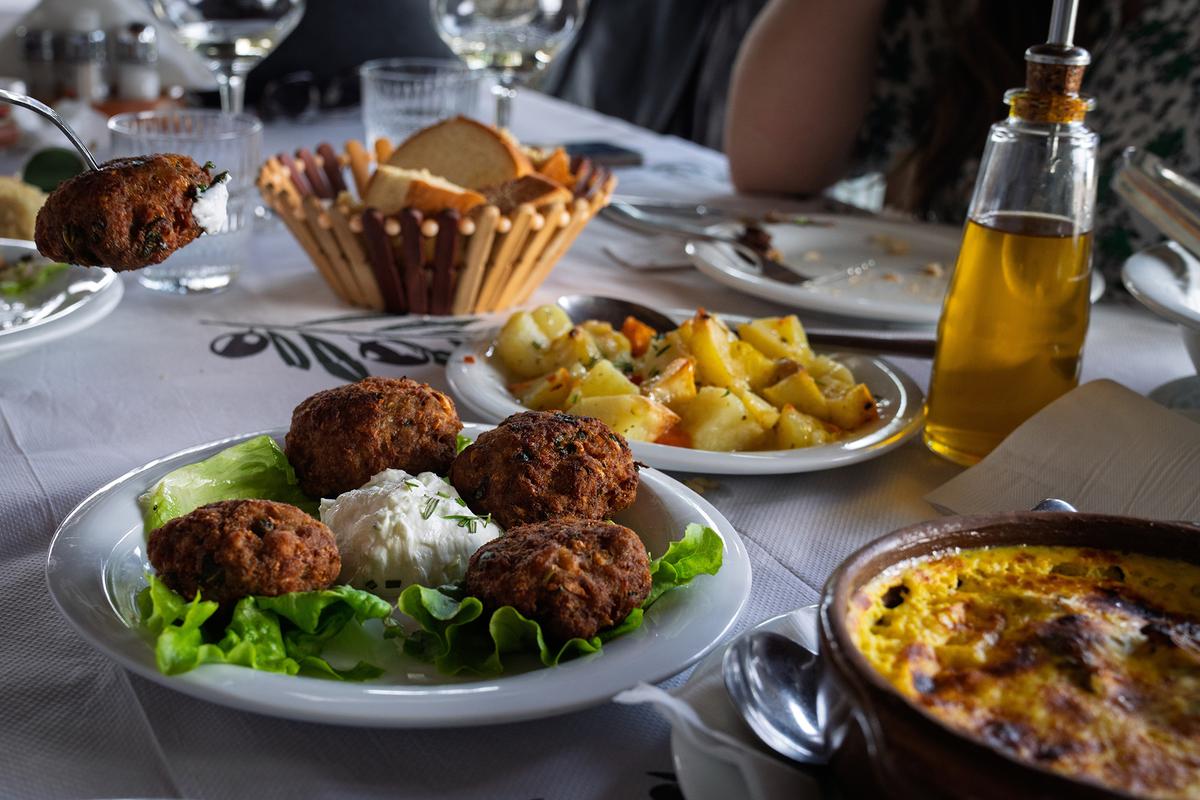
The food itself is simple but very good—and affordable. Try byrek, a flaky treat that’s a snack by itself, but two can be a meal. It’s stuffed with cheese or meat, so you won’t be hungry again soon. I also recommend qofte. These meatballs, made from minced lamb (or beef), come out steaming and satisfying.
Talk to Everyone
Some of my most memorable chats on both visits to Albania happened with both the young and old. The latter can give perspective on the changes and recall detailed stories about another, more difficult time in this country. But this nation belongs to those in their late teens and early 20s who, in most cases, speak English. I’ve asked them about their hopes and dreams—not just for their lives, but also for their country. A young, female guide at a castle told me that she wanted to be a doctor.
“It’s not like when my parents and grandparents were my age,” she said. “Now we can do, and be, anything we want, if we work hard enough to achieve it.”