A loud roar of thunder shattered the quiet morning at 4:00 a.m., jolting most—if not all—of Boston’s residents from their sleep. The rumbling of the rattled homes frightened children, who crawled into bed with their parents. Men who had once served in combat recognized the familiar sound of cannon. They jumped out of bed, stepped outside, and scanned the horizon for the telltale flashes of artillery.
This scene was repeated in every direction for miles, as people sought a glimpse of the battle. Among them were Abigail Adams, her 9-year-old daughter Nabby, and 7-year-old son John Quincy, who watched from Penn’s Hill near their home in Braintree. John Quincy Adams later wrote in his memoirs: “I saw with my own eyes those fires, and heard Britannia’s thunders in the Battle of Bunker’s Hill and witnessed the tears of my mother and mingled with them my own.”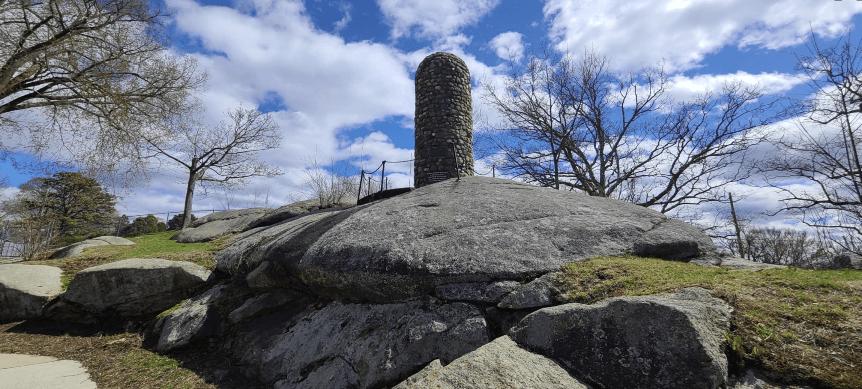
Preparing for a Showdown
Following the outbreak of war on April 19 and the ensuing siege of Boston, both redcoats and patriot militias began consolidating their positions—reinforcing defenses, moving livestock, and stockpiling food and hay. Frequent hostilities erupted: skirmishes with the HMS Falcon near Martha’s Vineyard; the Battle of Grape Island (May 21), Battle of Chelsea Creek (May 27 to 28), and the Battle of Machias (June 11 to 12). Despite the siege, British Gen. Thomas Gage’s army continued to grow with the arrival of British reinforcements by sea.[gallery size=“medium” ids=“5872538,5872539,5872540”]

Martial Law and Breaking News
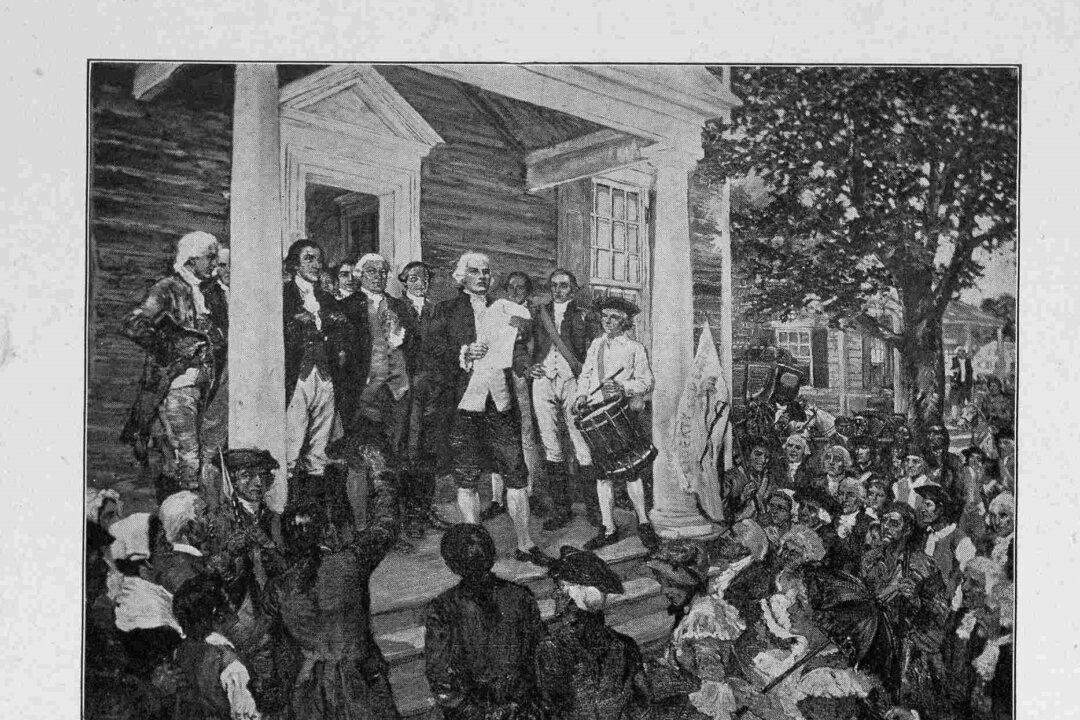
On June 12, Gage declared martial law and made a final attempt at peacefully ending the rebellion by offering a blanket amnesty to “all ... who shall forthwith lay down their arms and return to their Duties of peaceable Subjects.” The offer was extended to everyone in Massachusetts Bay—excluding John Hancock and Samuel Adams, whose actions were deemed too treasonous for forgiveness.The next day, New Hampshire’s Committee of Safety alerted the Massachusetts Provincial Congress of an imminent British attack. A gentleman “of undoubted veracity” reported a “great probability” that Gage intended to “secure some advantageous Posts near Boston, viz. Dorchester and Charlestown.”
Bunker Hill or Breed’s Hill?
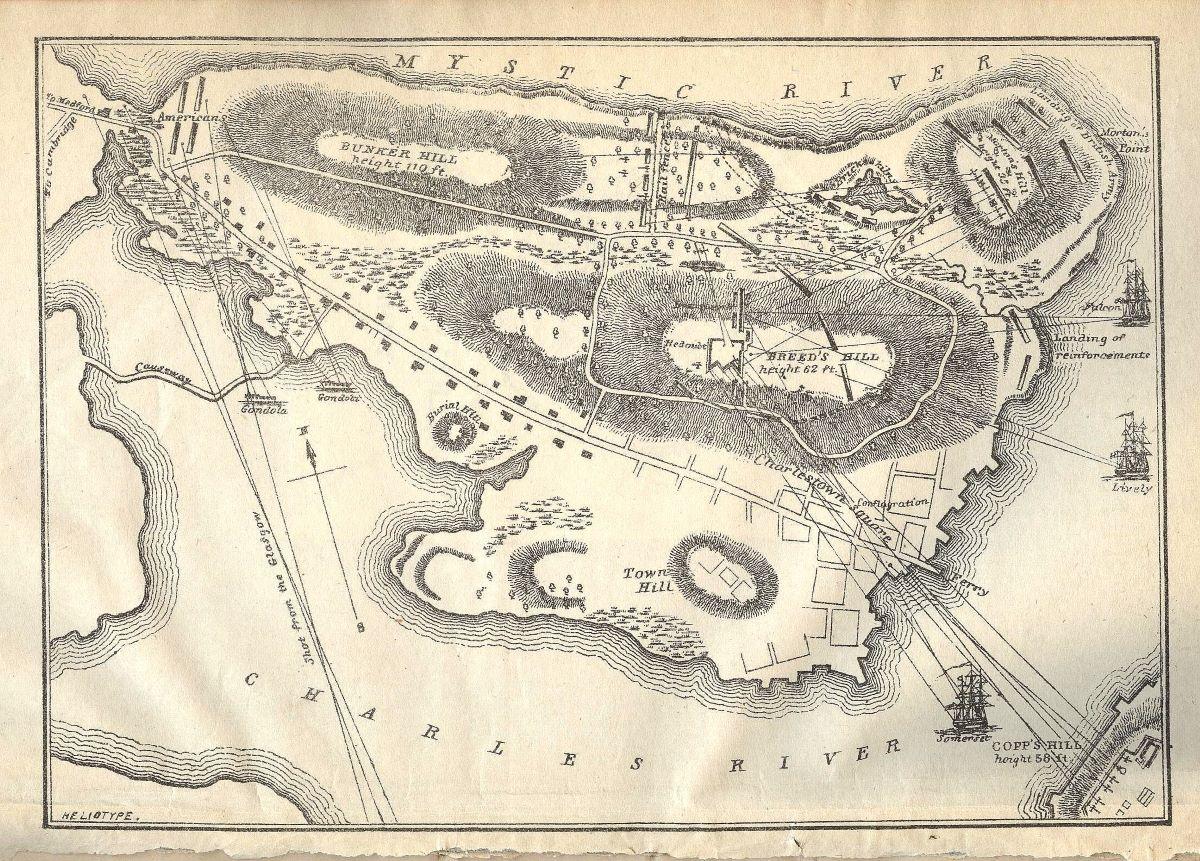
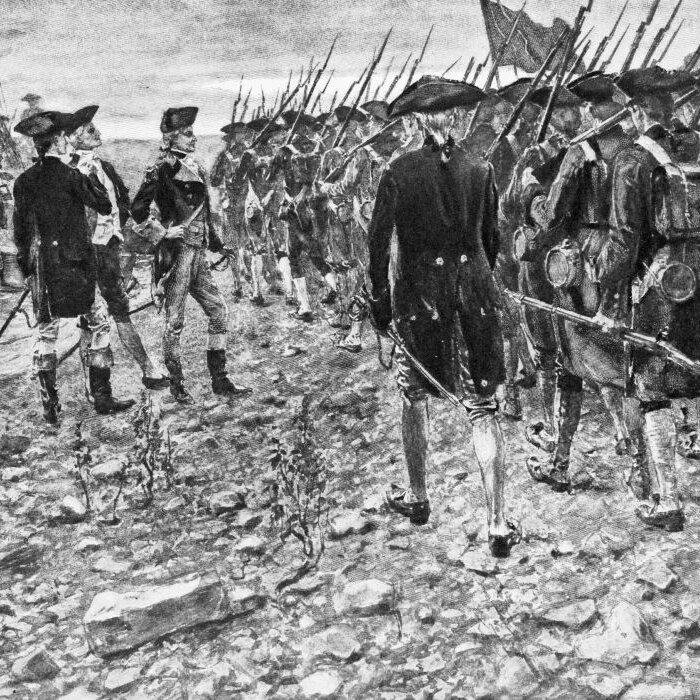
At 6:00 p.m. on June 16, about 1,200 armed militiamen gathered in Cambridge with entrenching tools. After a short prayer, Col. William Prescott led them toward Charlestown with orders to fortify Bunker Hill. En route, Capt. Thomas Knowlton and his 200-man unit joined them, along with Gen. Israel Putnam and engineer Lt. Col. Richard Gridley.
Accounts differ on how the column ended up on Breed’s Hill instead of Bunker Hill. It was night, and Breed’s Hill offered a clearer view of Boston. Whether the misplacement was accidental or intentional remains uncertain. Time was running out, and with the fortification needing completion by dawn, the officers settled on Breed’s Hill. The men began digging quietly to avoid alerting the nearby HMS Lively.
By the Dawn’s Early Light
At 4:00 a.m., as darkness lifted, the patriots realized the redoubt they had constructed sat in the middle of the peninsula—leaving their flanks exposed, vulnerable to encirclement, and visible to enemy warships that surrounded them.Onboard HMS Lively, Capt. Thomas Bishop and the sentry who discovered the newly constructed redoubt stared at the patriot militiamen in disbelief. Bishop ordered his men to battle stations. Moments later, he yelled, “Commence firing!,” shattering the morning calm.
Here Come the Cavalry
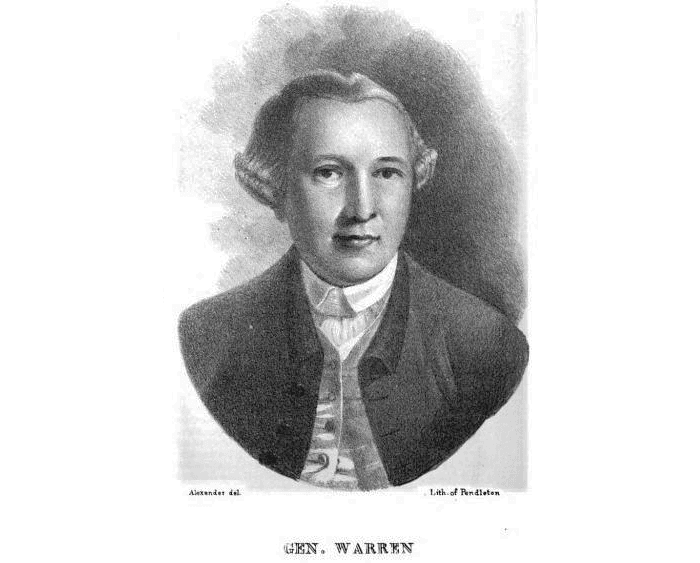
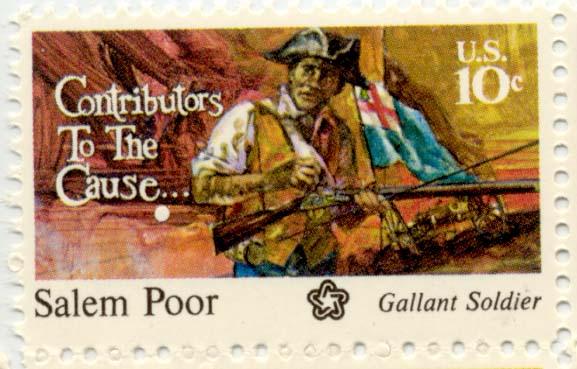
Once the redoubt was complete, Putnam and a column of men withdrew from Breed’s Hill with the entrenching tools (and was later criticized for not returning). Additional troops and artillery arrived, by order of the Committee of Safety, to assist Prescott. Among them was Col. John Stark, who deployed his regiment along the rail fence and placed his sharpshooters along the Mystic River. Also appearing to aid Prescott was Dr. Joseph Warren who—although just appointed major general—refused command and chose to fight as a private alongside the men.These patriots were not professional soldiers. They were farmers, clerks, artisans, shopkeepers, and freed slaves—Peter Salem and Salem Poor among them—serving in integrated militias. They were exhausted, frightened, and dangerously low on gunpowder.
The Battle
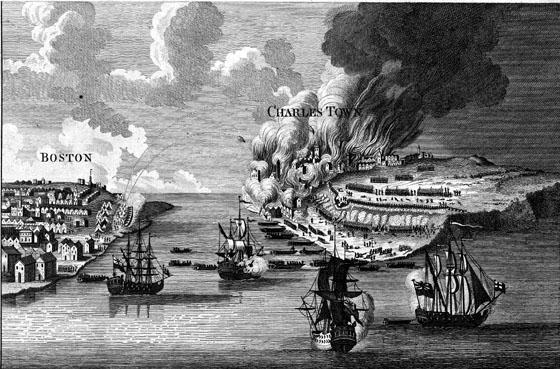
Onlookers standing on Boston rooftops and nearby hills watched as 2,100 to 2,300 redcoats approached the Charlestown Peninsula by barge. Among the observers were Clinton and Burgoyne atop Copp’s Hill.Earlier, Gage had ordered Gens. Robert Pigot and William Howe to lead a two-pronged assault. Pigot’s men landed near Charlestown and were met by patriot sniper fire. In retaliation, naval ships and artillery units on Copp’s Hill fired incendiaries into the town. Within minutes, Charlestown was engulfed in flames.
As Pigot’s troops advanced in formation for a frontal assault, Howe’s force advanced along the beach by the Mystic River, intending to outflank the patriots’ left. But Stark’s sharpshooters were ready. Historians cannot agree on who it was, but a patriot officer allegedly ordered, “Don’t fire until you see the whites of their eyes!”
Then, the fields exploded as a withering volley of musket fire tore through the redcoats. Wave after wave of soldiers fell, many screaming in agony. Officers were especially targeted as Howe’s entire staff was either killed or wounded before the redcoats finally retreated. The militiamen were jubilant.
Fifteen minutes after their first attempt failed, Howe and Pigot launched a second assault—with the same disastrous results. Shocked, Howe retreated unscathed through the carnage. The militiamen were again ecstatic—but were now anxious over their dwindling supply of gunpowder.
Aftermath
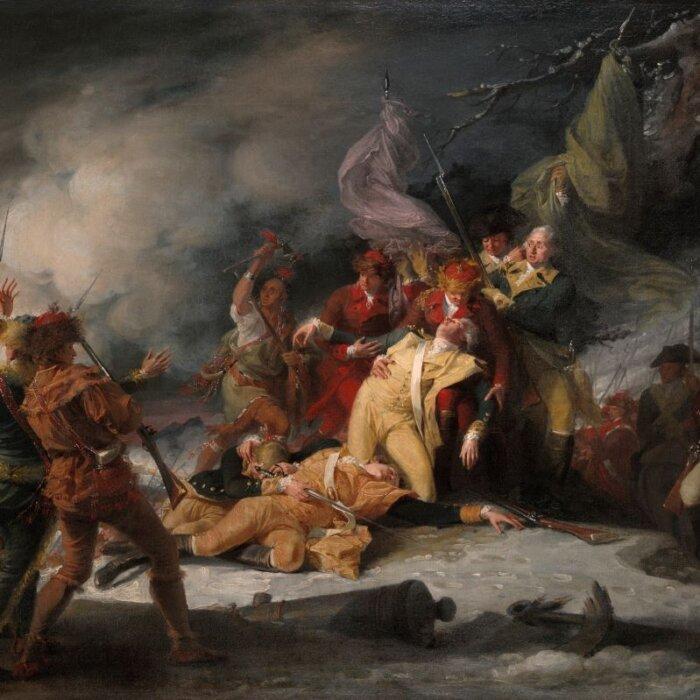
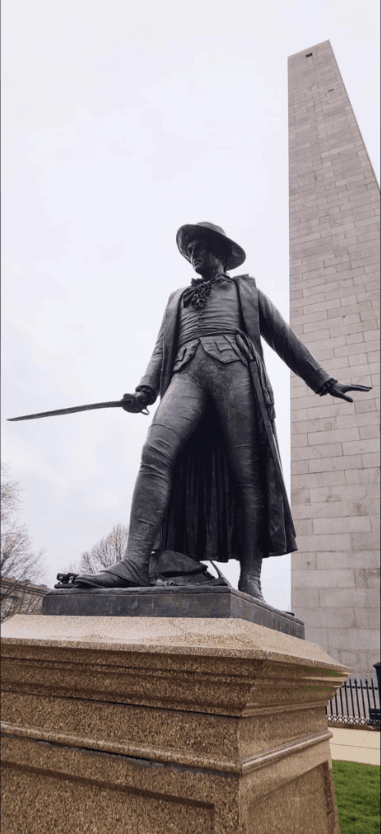
The British took the peninsula but paid a steep price: 1,054 casualties. Two officers—Maj. Pitcairn and Lt. Col. James Abercrombie—were killed, reportedly by Peter Salem and Salem Poor, respectively.Although encouraged by the fortitude displayed by their militias, the patriots also paid a heavy price as they suffered 450 casualties. Dr. Warren was shot in the face while fighting to the end. Samuel Ashbow of the Mohegan tribe was also killed. Col. Prescott survived the battle and was remembered for his bravery, fighting with his sword until he was finally forced to retreat.
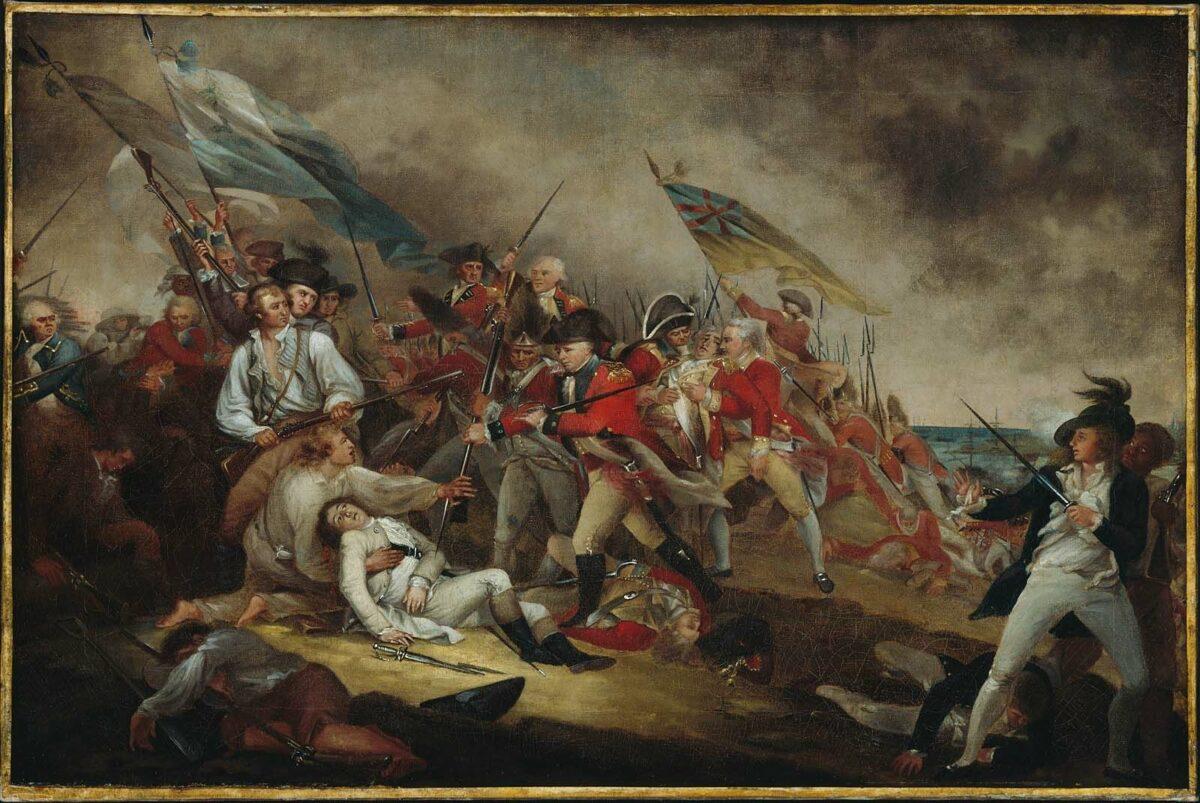
Though a tactical British victory, the psychological cost was immense. Gen. Howe was traumatized and became more cautious for the rest of the war. He later replaced Gage, who was recalled to Britain. King George III, bitter over the battle, adopted a harsher stance toward the American rebels.
Reflecting on the battle, Gen. Clinton famously remarked, “A few more such victories would have shortly put an end to British dominion in America.”