As Britain’s invasion fleet arrived off New York, delegates in Philadelphia voted to transform 13 colonies into the United States of America.
The British army had been driven from Boston on March 17, 1776, but Gen. George Washington knew the enemy would return. He correctly predicted they would strike New York City. Its capture would secure one of America’s finest harbors while giving Britain control of the North River—today’s Hudson River—which nearly bisected New England from the other colonies.
To meet the threat, Washington and his staff arrived on New York Island, now known as Manhattan, on April 13 and began transforming the city and its surrounding heights into an armed camp. He also established a network of signal stations on Long Island, Staten Island, and Manhattan to provide early warning of the British fleet’s approach.
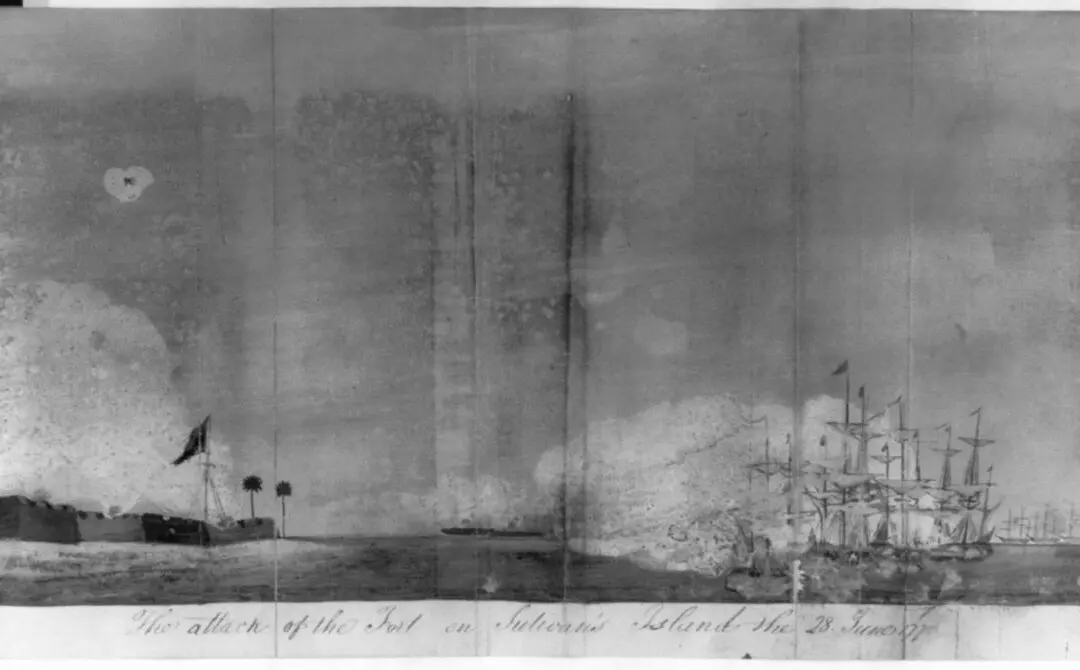
On the night of June 28, word came that British Gen. William Howe was approaching aboard a massive armada. The following morning, Continental officers on Long Island and in New York City watched as signal flags rose over Staten Island. The long-awaited invasion had begun.
The city, according to Col. Henry Knox, was “in an uproar.” Local pastor Ewald Shewkirk recalled that “everyone that could was packing up and getting away.” The New York Provincial Congress fled as well, leaving its delegates in Philadelphia without instructions when debate resumed on Richard Henry Lee’s resolution.
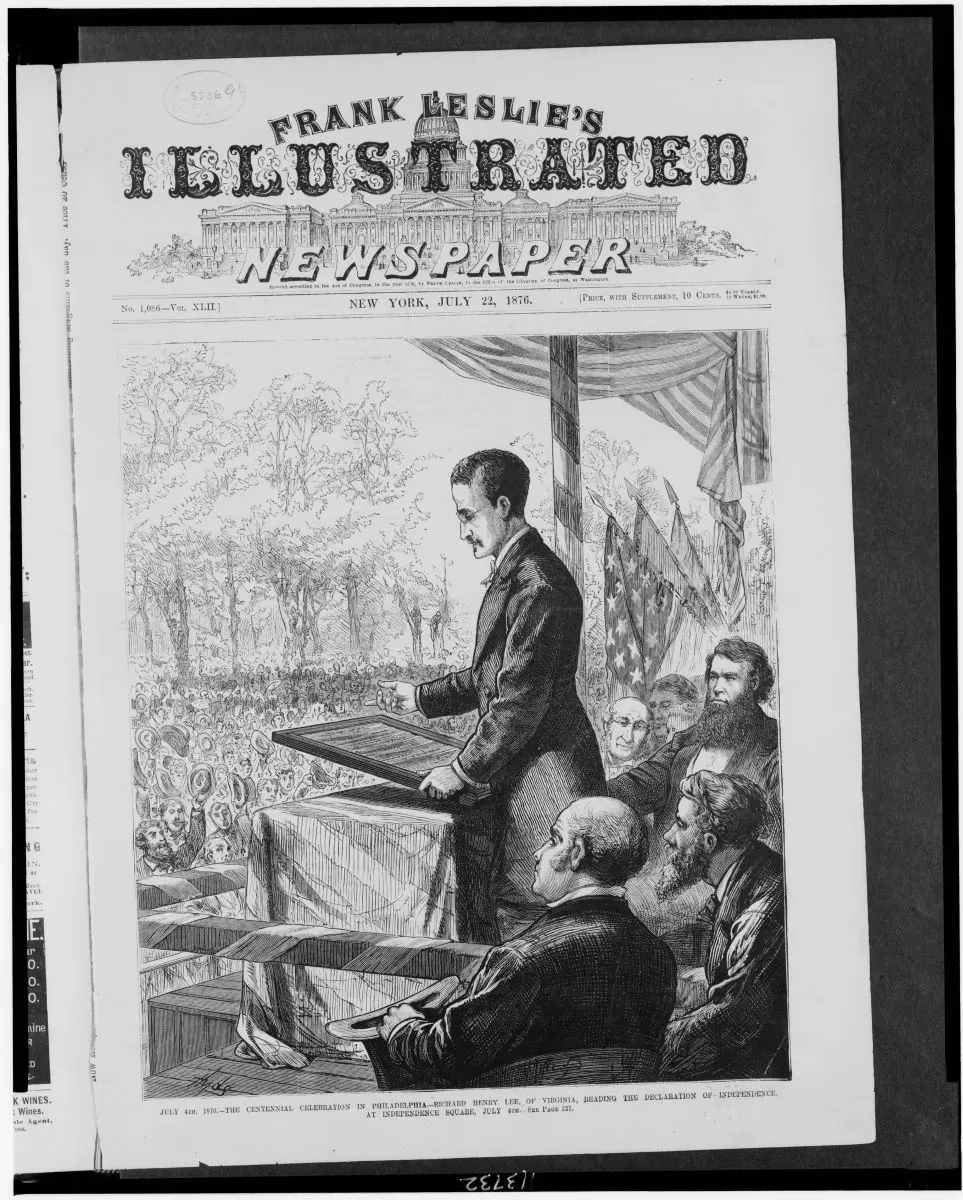
The Political Shift
Before Congress reconvened on July 1, determined Patriots had transformed the political landscape. During the previous three weeks, the remaining holdout colonies had swung decisively toward independence.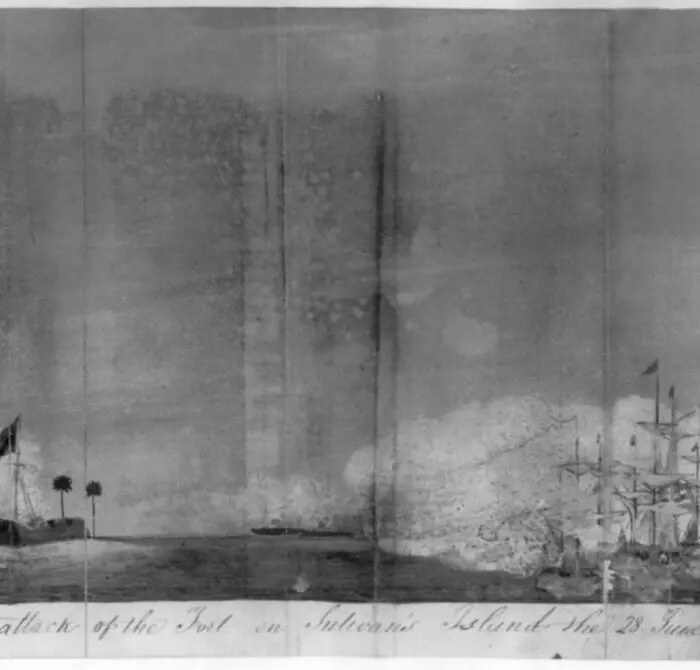
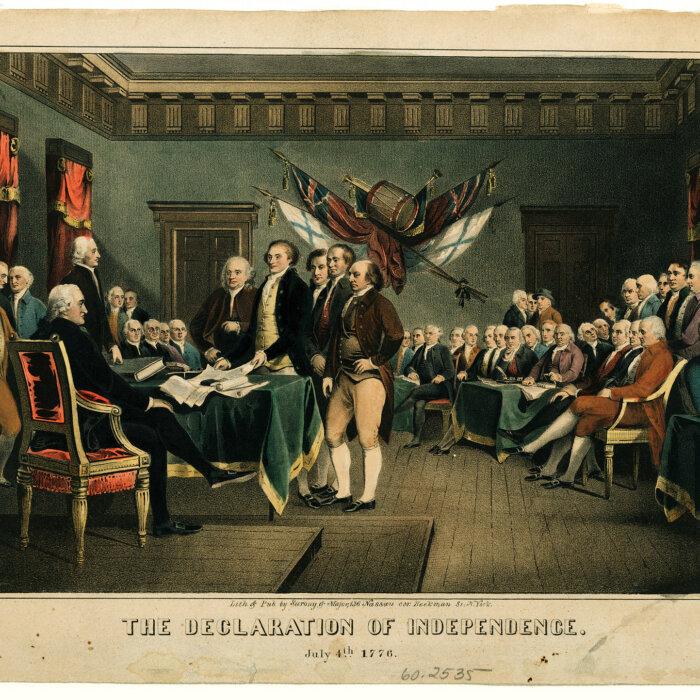
After attempting to reassert royal authority in New Jersey, former Gov. William Franklin, the estranged Loyalist son of Benjamin Franklin, was officially arrested and sentenced to a high-security prison in Connecticut. New Jersey’s Provincial Congress dismissed its cautious delegates in Philadelphia and replaced them with a new slate instructed to vote for independence.
In Maryland, Patriot leaders Samuel Chase and Charles Carroll mobilized a grassroots campaign to break the colony’s long-standing resistance. Bowing to public pressure, the Maryland Convention reversed course on June 28 and unanimously authorized its delegates to vote for independence.
Monday, July 1
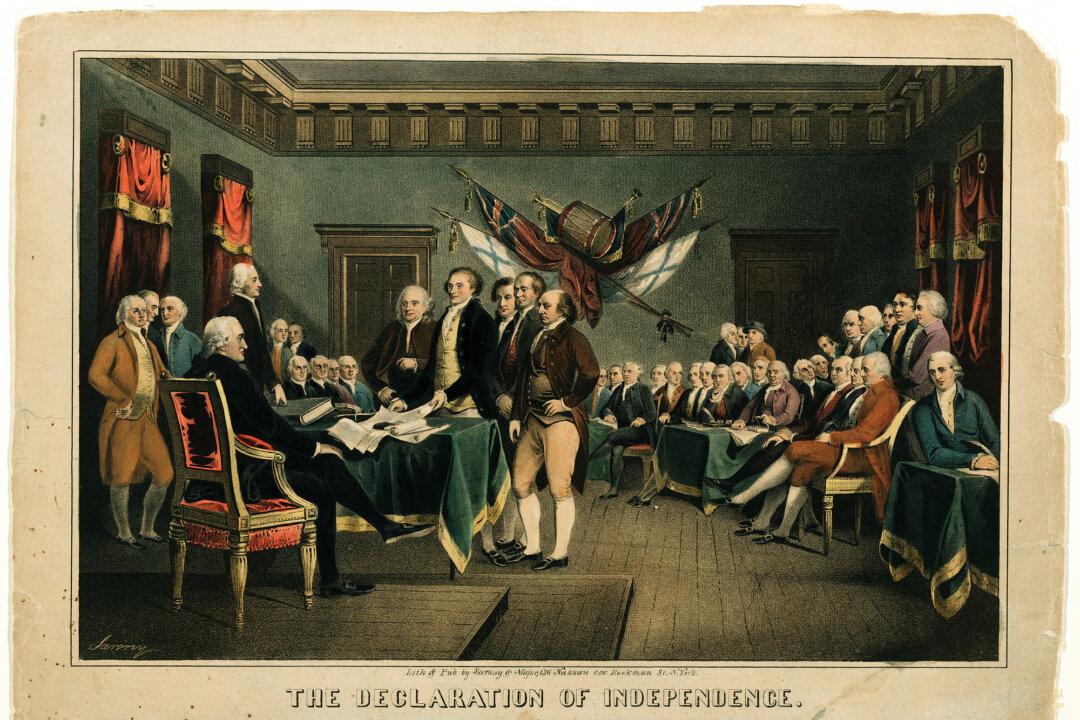
Congress convened at 9 a.m., and Secretary Charles Thomson read Lee’s motion for independence. Although most delegates had already decided how they would vote, John Dickinson of Pennsylvania stood up and made one final appeal in hopes of persuading a few radicals to switch sides. He warned against declaring independence, not because he opposed it, but because doing so without a unified government or foreign alliances risked total destruction.John Adams of Massachusetts stood up to respond and reminded the assembly that Britain’s war against them completely destroyed any hope of reconciliation. While acknowledging the “great expense of blood” they would likely suffer, Adams replied that few generations had ever been given such an opportunity as theirs to create a system of government of their own choosing.
Both men presented closing arguments worthy of the courtroom. As debate continued, North Carolina moderate Joseph Hewes switched sides and supported the motion.
By evening, a preliminary vote was taken. Each colony was given one vote. Motions were usually adopted with majority support, but for Lee’s resolution, Congress sought a unanimous decision due to the high stakes involved. When the votes were tallied, nine supported the motion. New York abstained, Delaware was deadlocked, and Pennsylvania and South Carolina each voted no.
At this point, South Carolina’s Edward Rutledge stood and requested that the final official vote be postponed until the next day, July 2, “as he believed his colleagues, though they disapproved of the resolution, would then join in it for the sake of unanimity.” The radicals approved Rutledge’s request.
Before the assembly adjourned, Thomas McKean of Delaware sent an express rider to locate fellow radical and colleague Caesar Rodney and inform him that his vote was crucial to break the deadlock.
Later that night, political maneuvering took place among the two dissenting colonies. Believing the resolution would eventually carry anyway, Rutledge successfully persuaded his South Carolina colleagues to submit to the will of the majority, for the sake of unanimity, and adopt the resolution.
James Wilson of Pennsylvania broke ranks with the moderates and joined with radicals Benjamin Franklin and John Morton during the preliminary vote. At some point during the night, Dickinson and fellow moderate Robert Morris decided to skip the next day’s final vote, giving the radicals a 3 to 2 majority.
Tuesday, July 2
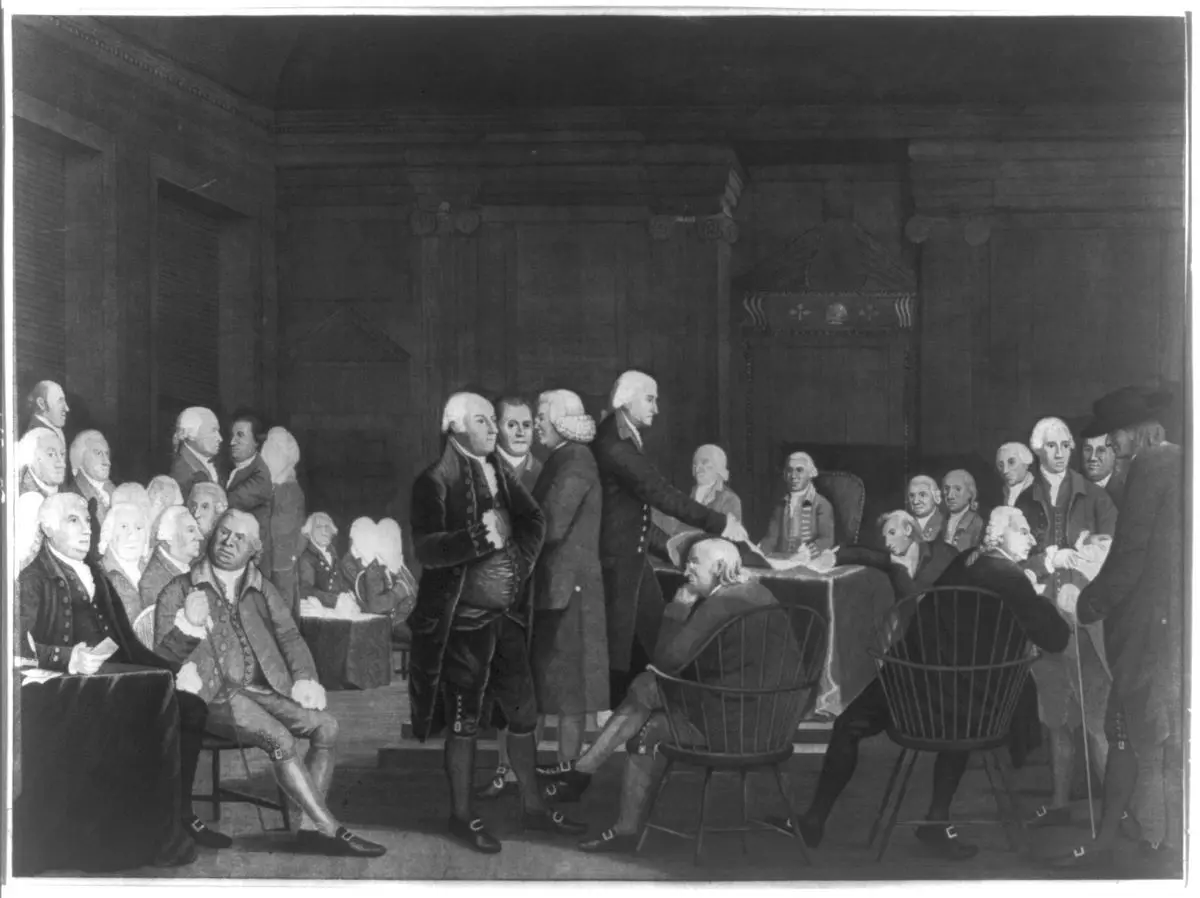
Congress convened at 9 a.m. After routine business concluded, Delaware delegate Rodney was still missing, as were Pennsylvania’s moderate delegates Dickinson and Morris. Meanwhile, McKean anxiously waited outside until Rodney finally arrived. The seeing 18-hour journey left Rodney exhausted, his clothes soaked to his skin and his boots splattered in mud. The two men walked inside and took their places during the last few minutes of the debate and the historic roll began in geographic order:
The New England colonies—New Hampshire, Massachusetts, Rhode Island and Connecticut—voted yes.
New York—whose delegates had yet to receive instructions from their colony’s provincial congress due to its evacuation from the city—abstained.
New Jersey voted yes.
All eyes were on Pennsylvania. With Dickinson and Morris still absent, giving the radicals a majority, the delegation voted yes.
Delaware—with Rodney giving the radicals a majority—voted yes.
Maryland, Virginia, and North Carolina all voted yes.
All eyes were now on South Carolina. Because there were no longer any dissensions, the delegation voted yes.
Georgia voted yes.
The Declaration of Independence
Ever since James Otis Jr.' s rhetoric on “taxation without representation” and Writs of Assistance helped launch the revolutionary movement in 1761 (according to Adams), Americans blamed Parliament for their misery while largely absolving King George III of responsibility. In the document’s long list of grievances, however, Jefferson blamed the king for all their troubles, called him a tyrant and never once mentioned Parliament. Most of his charges were left in the document.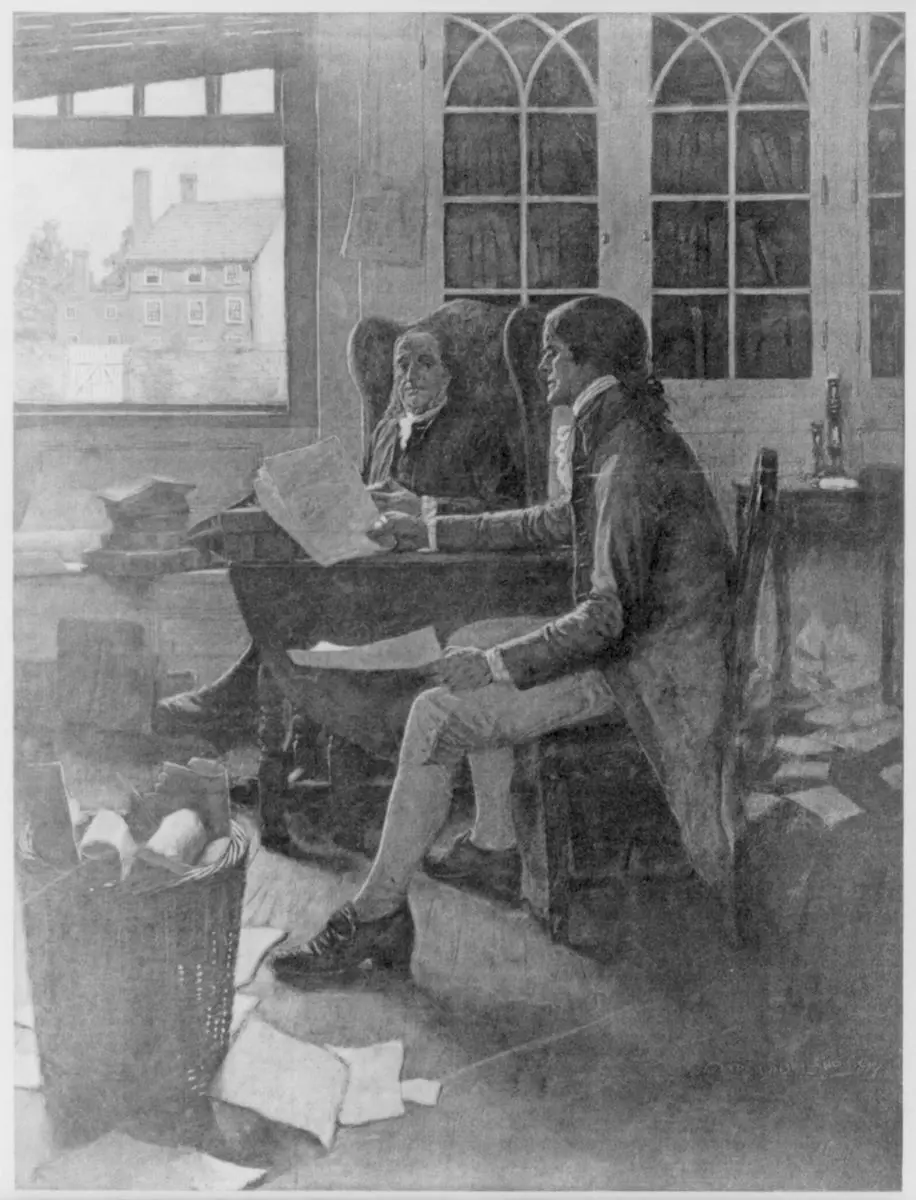
Among the few removed, Jefferson wrote that the King had “waged cruel war against human nature itself” by capturing a distant people and forcing them into slavery. He also attacked the King for vetoing colonial attempts to restrict or prohibit the slave trade.
Although the ideals of freedom and equality caused some Patriots to question the morality of human bondage, South Carolina and Georgia demanded the grievance be removed because their economies depended on enslaved labor. Congress also removed grievances directed against Scottish mercenaries, as well as a section criticizing the people of England.
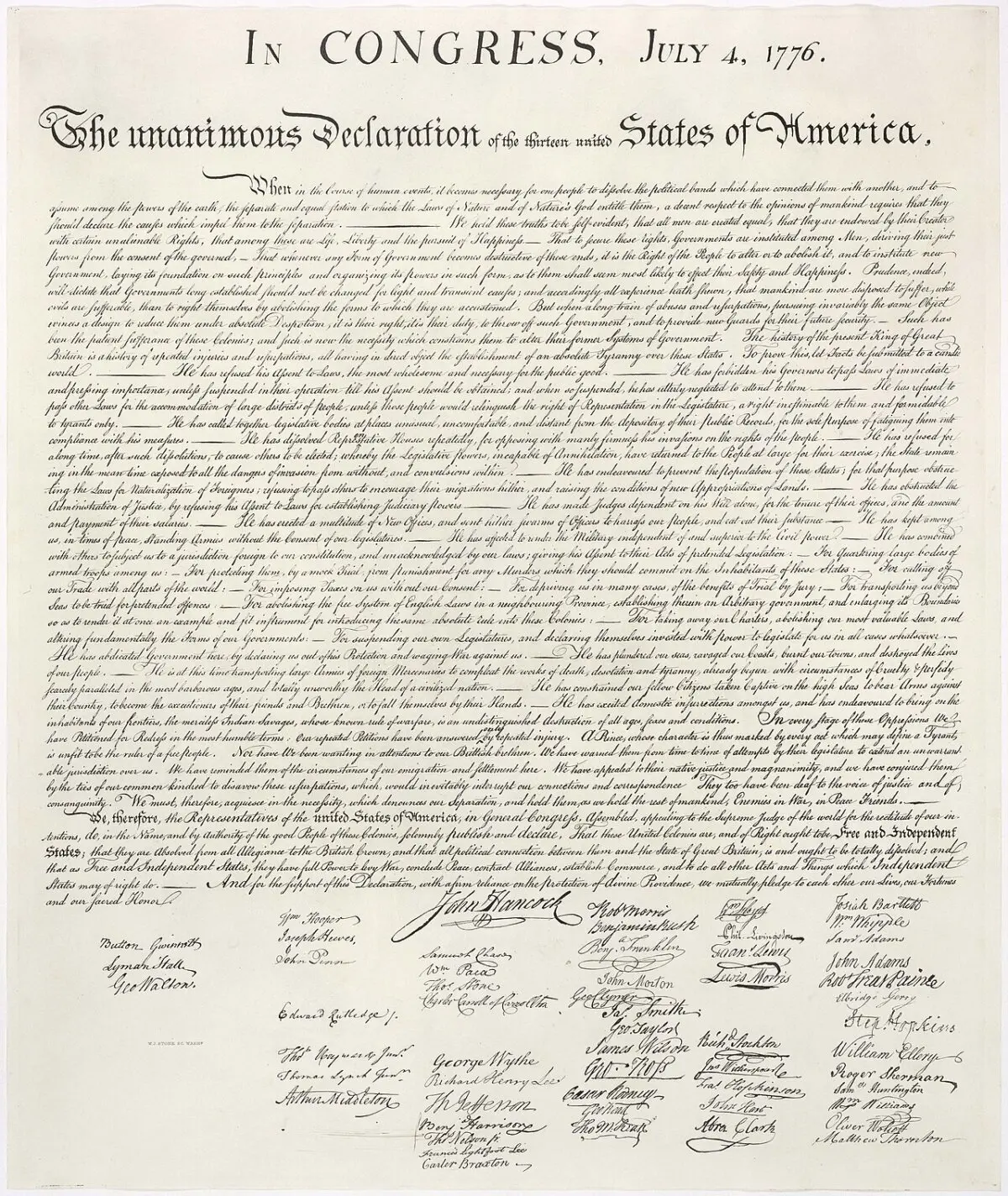
By the time Congress voted to approve the precise wording on Thursday, July 4, roughly a quarter of the document had been excised. The final amended text was read aloud and approved by a unanimous vote, with New York still abstaining. As president and secretary of Congress, respectively, John Hancock and Thomson signed the corrected document before it was sent to printer John Dunlap to be published and distributed to Gen. Washington, colonial assemblies, and military commanders.
The New York Provincial Congress reconvened in White Plains on July 9. That very day, they received a copy of the Declaration of Independence and unanimously approved and adopted it. Six days later, New York’s delegates in Philadelphia officially approved independence.
On July 19, Congress ordered a new, handwritten copy on parchment bearing the title, “The unanimous Declaration of the thirteen united States of America.” This formal version of the Declaration was signed on Aug. 2 by John Hancock and most of the 56 signers, sealing their fate should they be captured by the British. It is now on display at the National Archives.
Meanwhile, in New York, the largest invasion force ever assembled in Britain’s history up to that point began landing the first of its 32,000 British and German soldiers on Staten Island. The United States had declared its independence, but Britain’s army and navy had come to crush the insurrection and restore the king’s authority.