Not Rated | 1h 50m | Action, Drama, History | 2023
Many viewers encounter modern South Korean cinema through thrillers, actioners, and Korean dramas (K-dramas), while remaining largely unaware of how turbulent the nation’s recent history has been.
The political convulsions associated with parts of Latin America can feel closer than the tidy narratives often attached to East Asian economic success. However, looking closer, power struggles, street uprisings, and sudden shifts in authority start to appear with unsettling frequency.
“12.12: The Day” emerges from that reality as a film shaped by scars that still influence South Korea’s national psyche.
The past 80 years in South Korea include episodes that would dominate entire eras in other countries. The April Revolution of 1960 erupted when student protests toppled an entrenched regime.
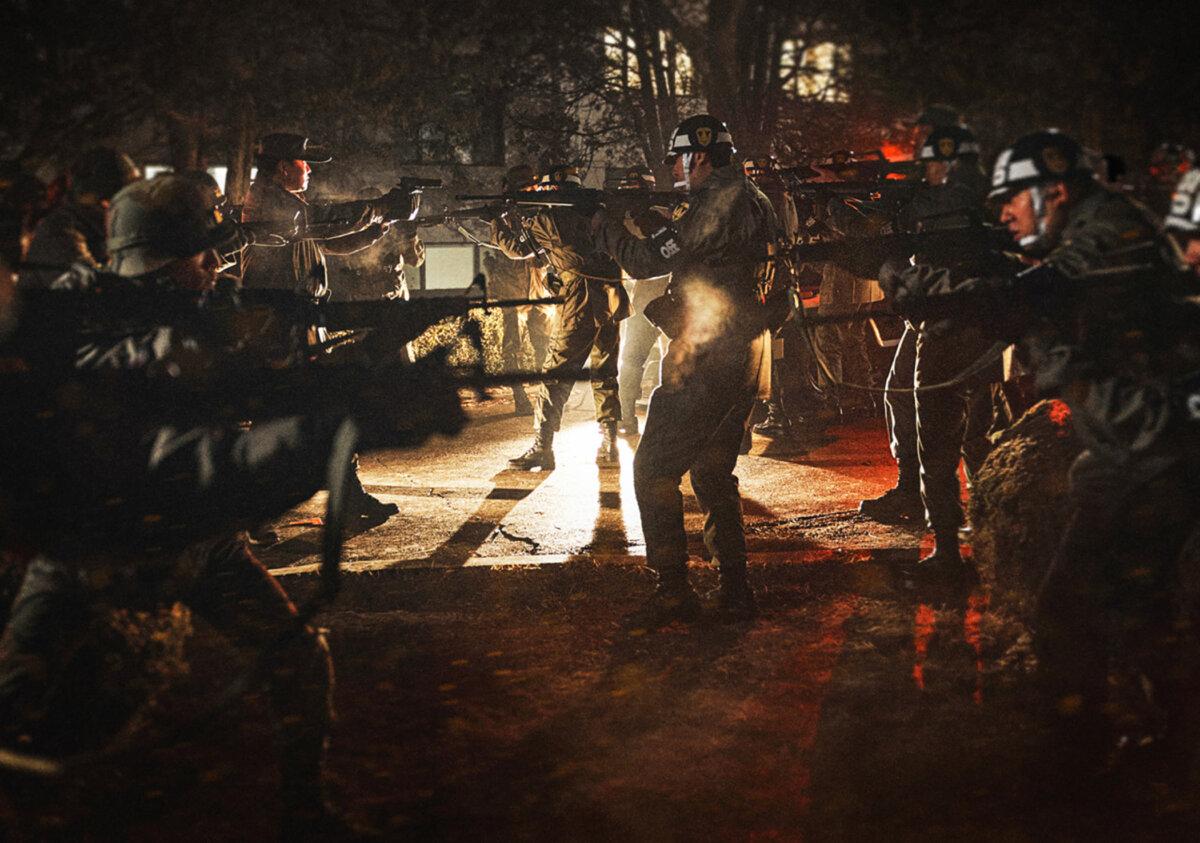
Nearly two decades later, the 12.12 Military Insurrection of December 1979 unfolded when armed officers moved against their own command structure and altered the direction of state power.

The Gwangju Uprising followed in May 1980, becoming a national wound after civilians faced overwhelming military force. These events sit close enough in time to feel connected, and distant enough that many outside the country barely recognize their names.
Control Without Consensus
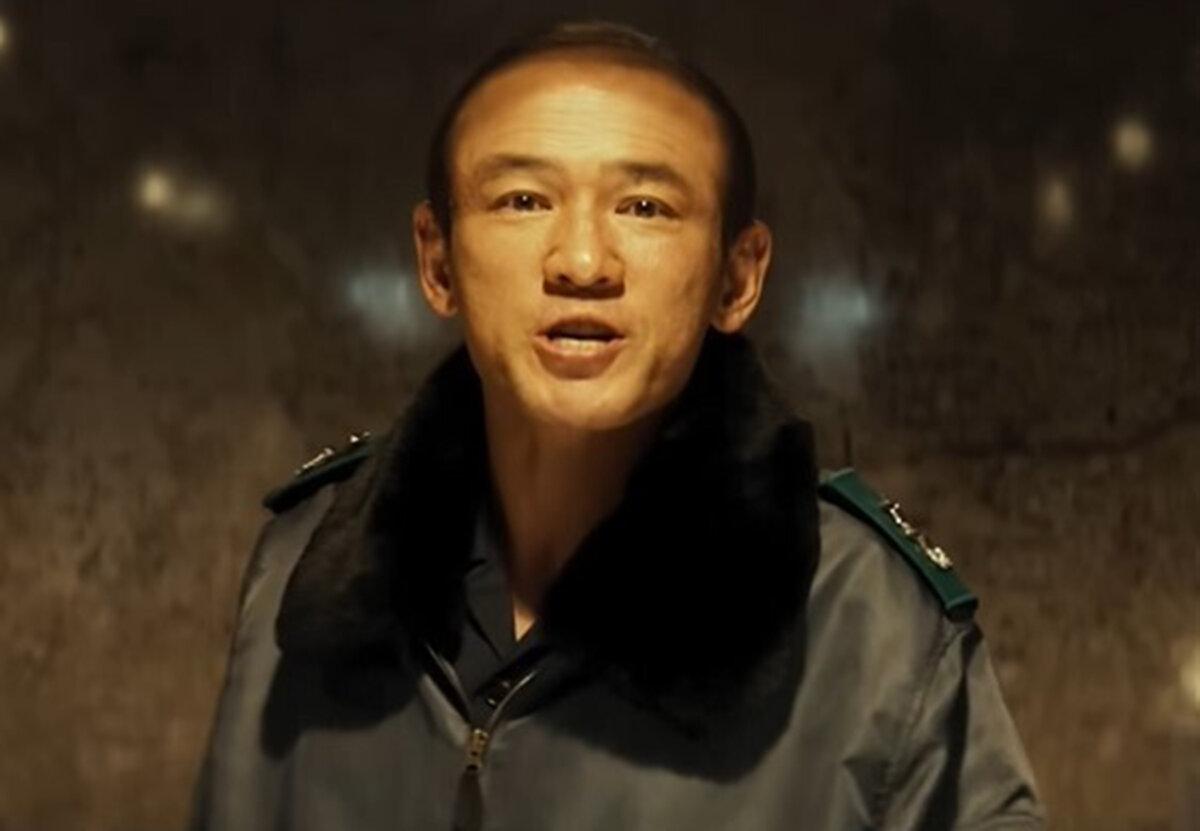
The film centers on Chun Doo-gwang (Hwang Jung-min), a senior officer. He moves quickly after military authority fractures in the aftermath of Park Chung Hee’s assassination in 1979. With command lines uncertain and trust eroding, Chun asserts state control through private meetings, internal coordination, and carefully timed orders.
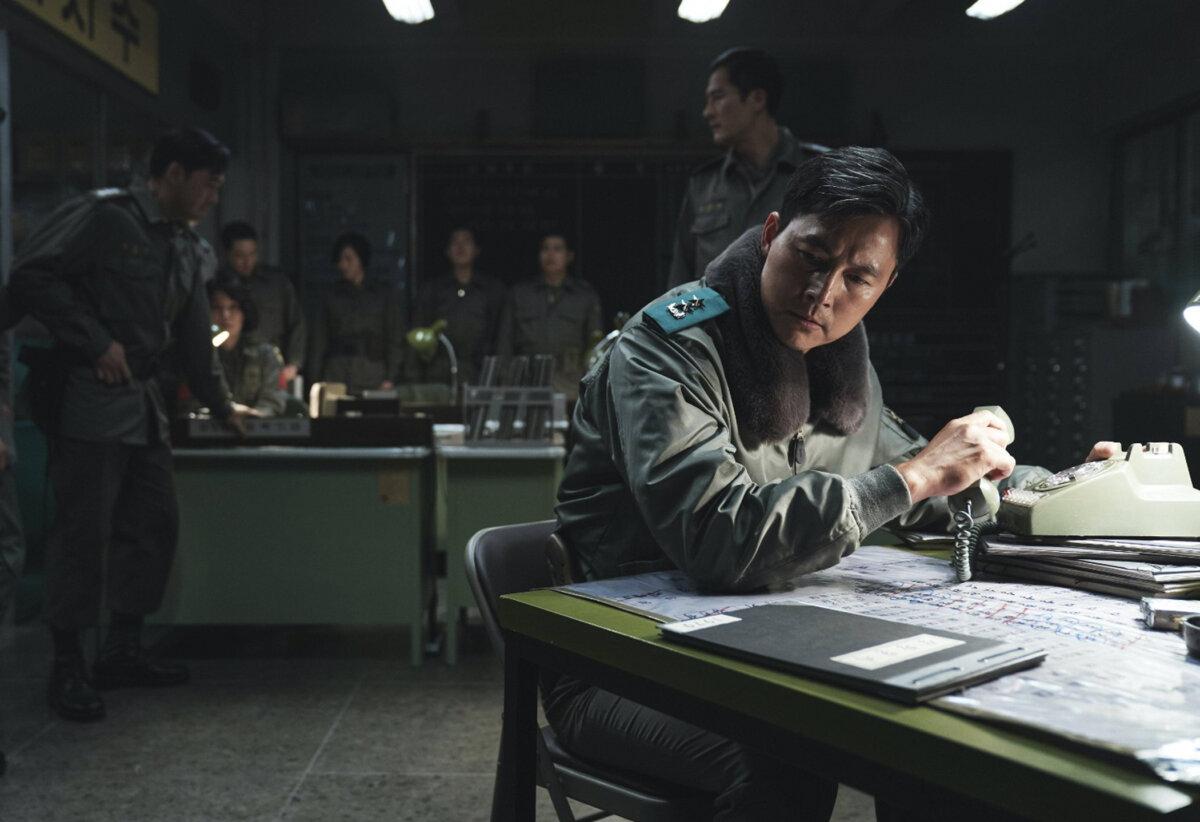
Opposing Chun is Lee Tae-shin (Jung Woo-sung), a patriotic field commander who believes the chain of command still matters and that loyalty to the institution should restrain any personal ambitions, particularly political ones.
The two men’s paths intersect as units reposition and decisions take shape without consensus. Officials argue over the legalities of what is unfolding, and decisions are settled before their consequences are fully visible.
Power as a Process
When I was stationed in South Korea, I absorbed fragments of the country’s modern history through camp briefings and conversations with locals. The past was complicated, and authority changed hands repeatedly.
What I did not fully grasp at the time was how dangerously exposed the system was during certain moments. Watching this film clarified how close those periods came to internal breakdown and how much unfolded beyond what most people ever heard about.
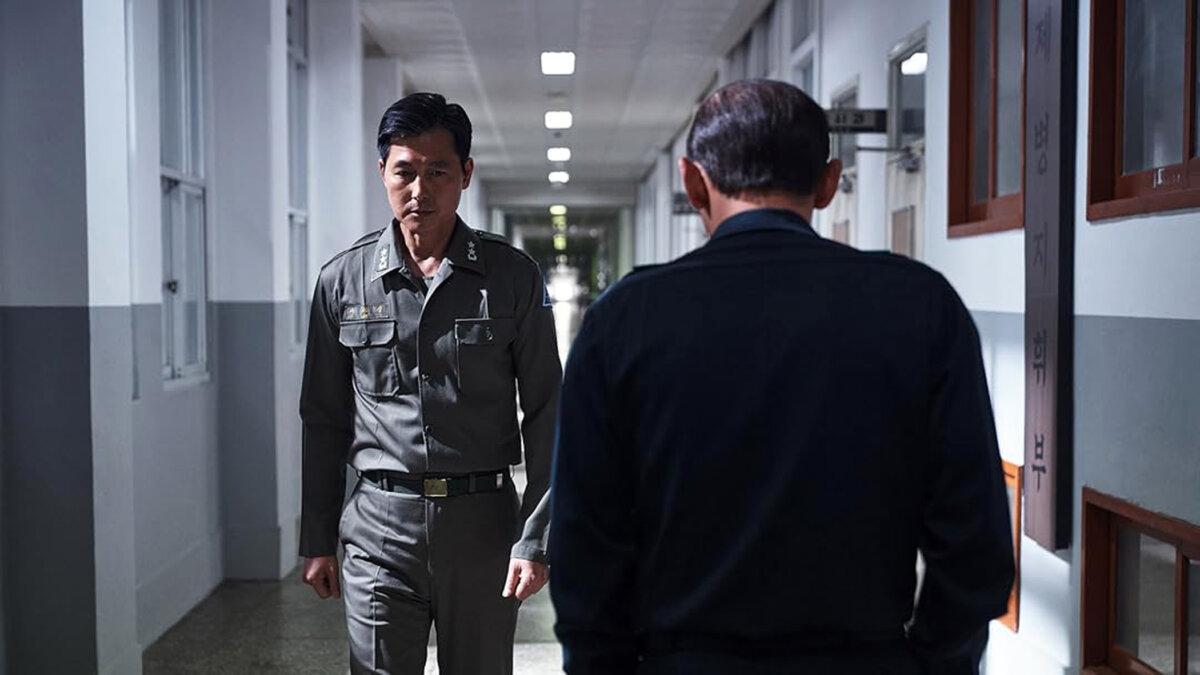
Periods when leadership fractures and legitimacy is openly contested tend to fade into summaries and footnotes, the film insists on their immediacy. It shows how swiftly control can move from one faction to another, often without public acknowledgment.
This perspective sharpens the effect of Hwang’s portrayal of Chun. Akin to a scheming super-villain, his performance conveys a man who understands that control emerges through patience, timing, and a belief that the corrupted machinery around him will respond as expected.
The supporting cast reinforces this view of power as procedural rather than dramatic. Officers debate, hesitate, and comply within a framework that feels fragile even as it continues to function.
“12.12: The Day” is approachable despite its seriousness. It doesn’t require prior knowledge to follow, yet it rewards viewers who desire to look past the surface. For anyone curious about this fascinating chapter of Korean history that rarely travels beyond the peninsula, “12.12 The Day” offers a way in that is thought-provoking, unsettling, and difficult to forget.