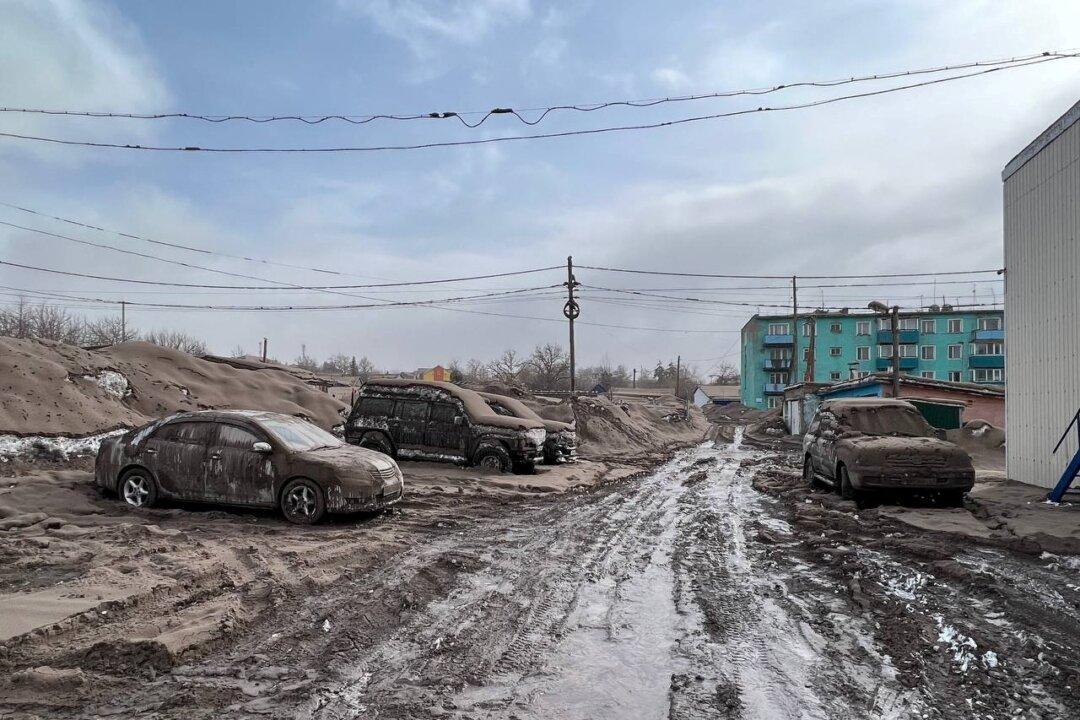
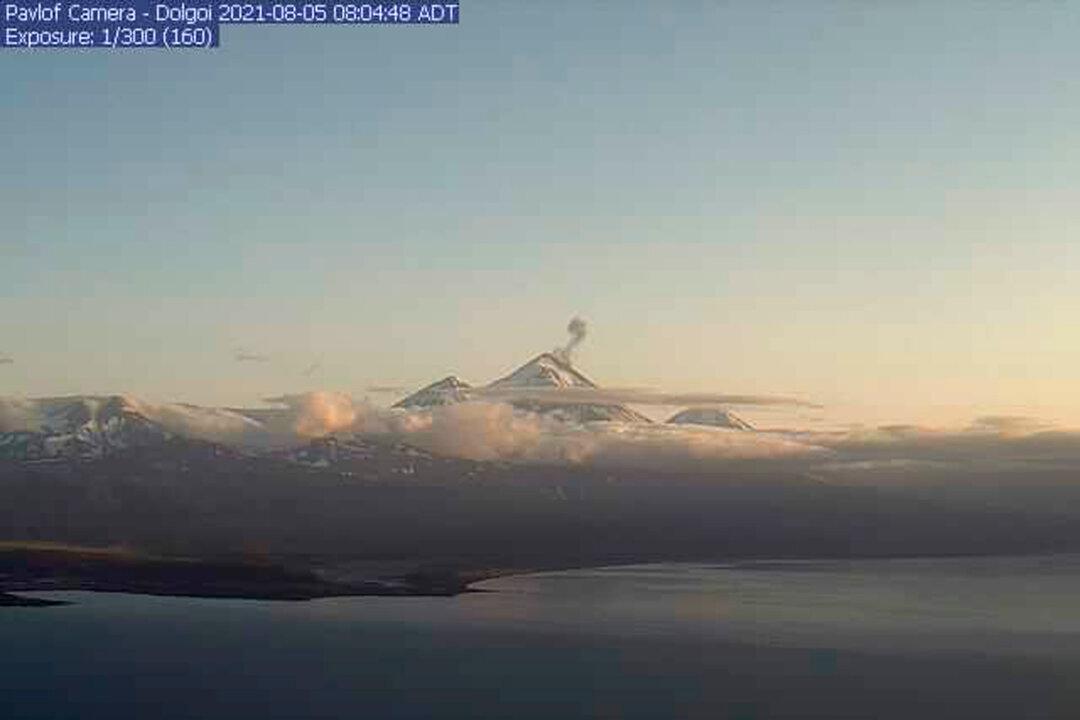
In the past two months, more than 130 small earthquakes have trembled beneath Mount St. Helens, the site of the devastating eruption in 1980 that was the deadliest in US history. The earthquakes are a result of magma pressure returning under the volcano, but it’s no cause for alarm, geologists say.

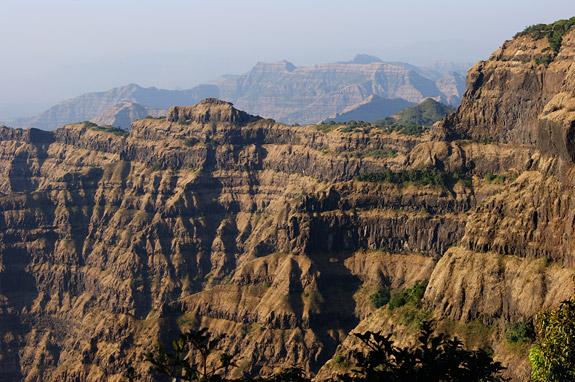
Hundreds of thousands of years of volcanic eruptions in India—accelerated by a massive asteroid impact 66 million years ago—may have caused a perfect storm that led to the extinction of dinosaurs and other animals.

Eruptions of ash at five volcanoes shrouded the skies over parts of the Indonesian archipelago Wednesday, forcing three airports to close

Scientists have discovered concrete-like rock in a dormant volcano in Italy, and say it may explain why the Romans were able to invent the legendary compound used to construct the Pantheon and the Coliseum.

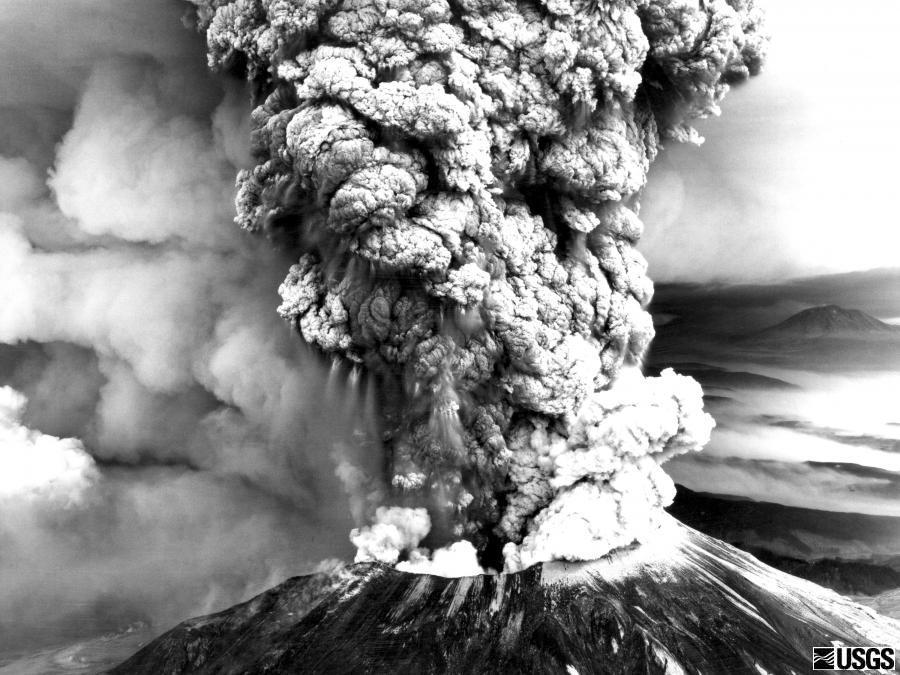
The eruption of Mount St. Helens on May 18, 1980 was not a one-day event. It had been building for 2 months, but when it happened, it was without warning.
To make their discovery scientists analysed the vibrations made by earthquakes that passed beneath the volcano.

The “warming hiatus” that has occurred over the last 15 years has been caused in part by small volcanic eruptions.
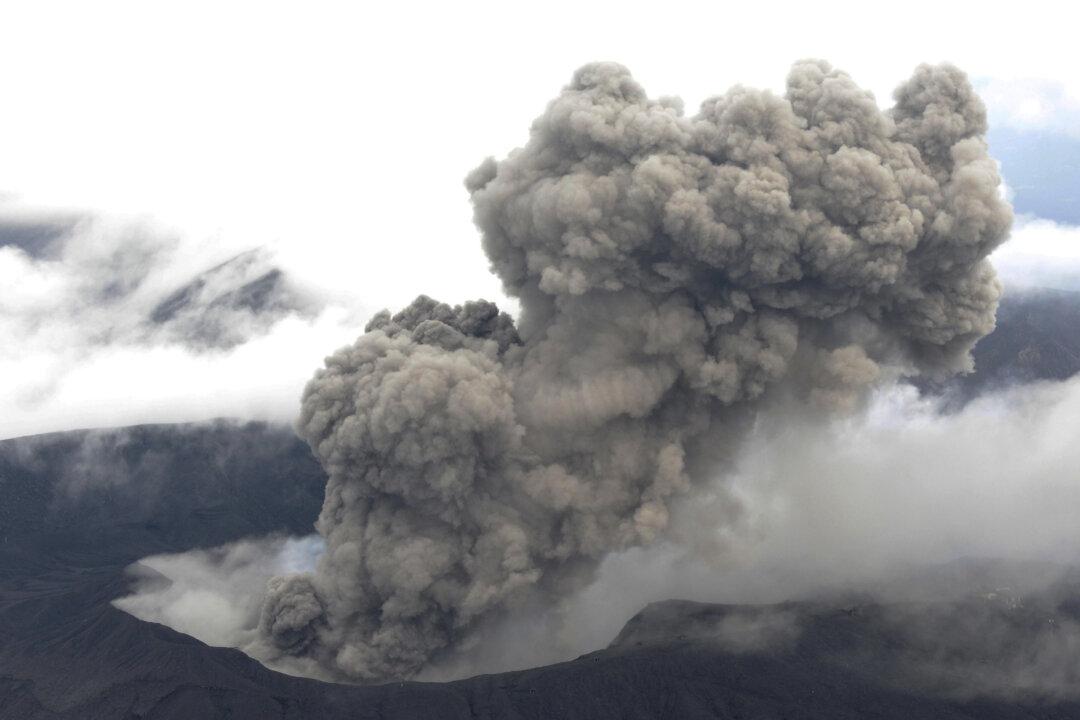
A definitive geological timeline shows that a series of massive volcanic explosions 66 million years ago spewed enormous amounts of climate-altering gases into the atmosphere immediately before and during the extinction event that claimed Earth’s non-avian dinosaurs, according to new research from Princeton University.
A long-held assumption about the Earth is discussed in today’s edition of Science, as Don L. Anderson, an emeritus professor with the Seismological Laboratory of the California Institute of Technology, and Scott King, a professor of geophysics in the College of Science at Virginia Tech, look at how a layer beneath the Earth’s crust may be responsible for volcanic eruptions.
Volcanic eruptions are as old as the planet itself. They inspire awe, curiosity and fear and demonstrate the dynamic internal activity of the Earth.
A look at our world through local headlines on May 3, 2014: “Spanish romantic nicknames for lovers,” “Extraordinary UAE timelapse video wins Mohammad’s approval,” and more.

You can learn a lot about volcanoes by studying explosions. The more we can learn about their explosive behaviour, the more chance we have of saving lives when they suddenly erupt.

Volcanic activity tens of thousands of years ago in a part of India called the Deccan Traps could have killed off the dinosaurs, recent U.S. research suggests.

A volcanic eruption in Nicaragua forced the government to order around 3,000 people to evacuate from nearby communities.