Preliminary research suggests that rice bran nanoparticles could provide a safe, effective, and affordable cancer treatment in the future.
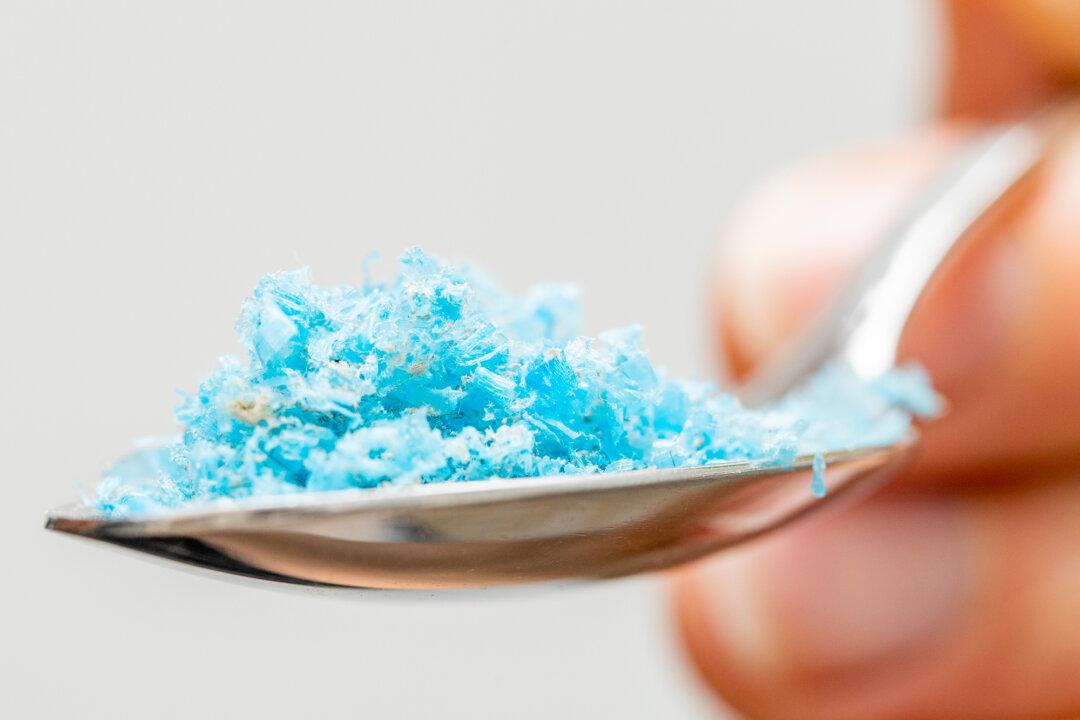
Experts say the new findings add to evidence linking plastics pollution to disease, urge political action to reduce environmental toxins.

What if there were a way to suck carbon dioxide right out of the air and turn it into useful products?

Imagine all you could do if you were invisible. But invisibility is just a pipe dream, isn’t it? Not as ridiculous as you might think, actually.

Scientists have figured out the optimal gap needed between two gold nanoparticles to turn them into optical antennae.

Because labelling and disclosure are not required for food and beverage products containing nanoparticles, it’s difficult to determine how widespread their use is. Nanomaterials may well turn out to be a boon to humans, but we don’t know enough about their long-term effects to be adding them so indiscriminately to our food systems and other products.

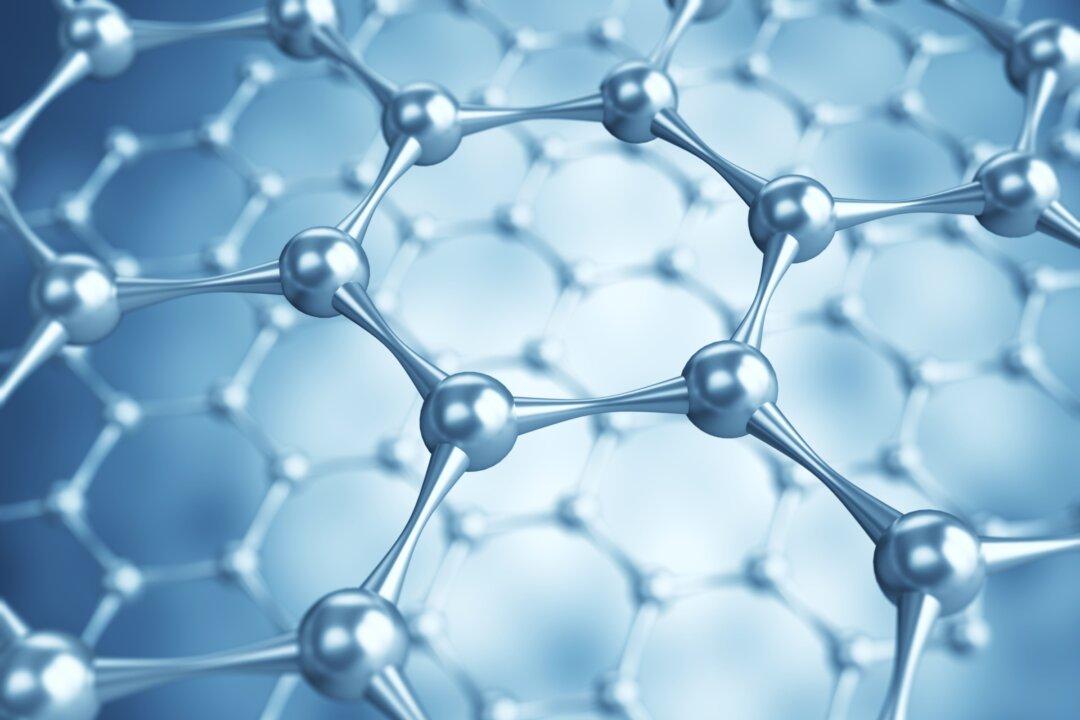
A new graphene oxide foam is super strong and can bounce back after being stretched and compressed.

Chemists have created nanoparticles that can sample crude oil and natural gas for hydrogen sulfide before pumping.

A mixture of diamond nanoparticles and mineral oil easily outperforms other types of fluid created for heat-transfer applications, a new study reports.

Thousands of consumer products containing engineered nanoparticles — microscopic particles found in everyday items from cosmetics and clothing to building materials — enter the market every year.