There are neither clear measures to assess the value for money of government borrowing, nor clear understanding of foreign investors, according to a report.

Economists have cautioned against lowering interest rates before May and only doing so gradually thereafter.
Economists predicted inflation to hit its 2 percent target as early as April, but said the slowdown won’t be consistent throughout the rest of the year.
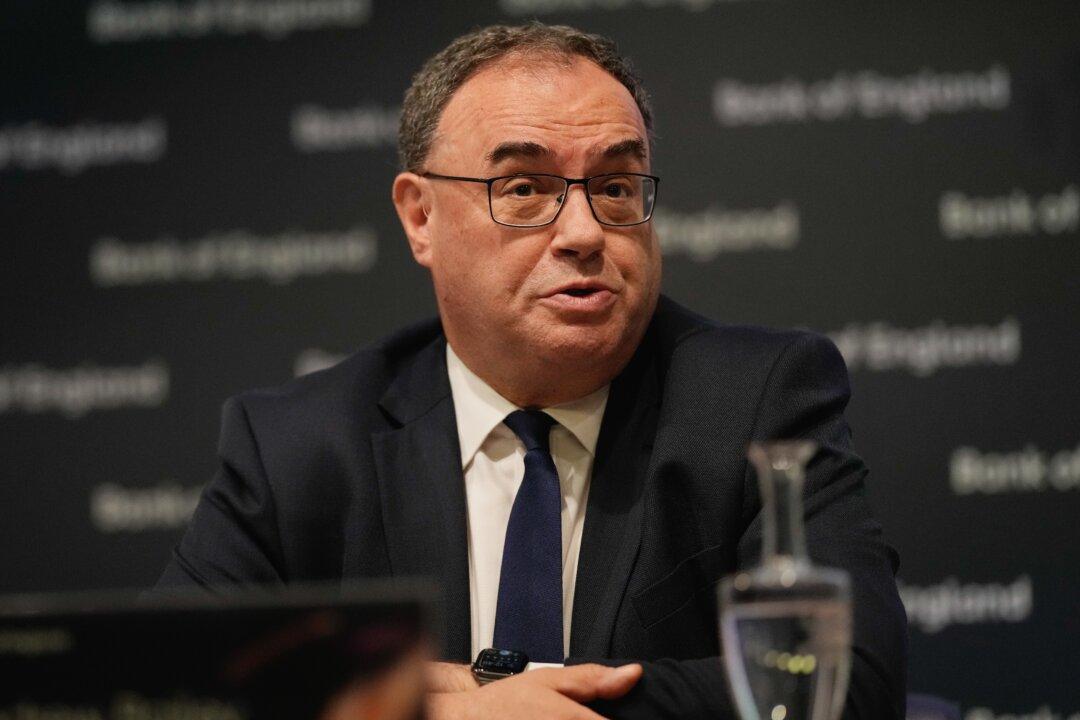
Governor Andrew Bailey said it was too early to start ’speculating about cutting interest rates.’
A think tank has warned that the Bank Of England may be under threat from ‘ESG mission creep,’ while warnings are raised about effects of quantitative easing.

Policies targeting climate change, such as carbon taxes and emission trading schemes could risk raising costs for families, according to Catherine Mann.

Together with the Financial Conduct Authority, the bank plans to ‘harness’ the benefits of stablecoins for the UK consumers and retailers.

Some 43,300 mortgages were approved for house purchase in September, marking the lowest monthly total since January.

Regular wage growth has began outpacing inflation since June, and nominal wage growths have slowed slightly, suggesting interest rates may stay at 5.25 percent.

The former Bank of England governor called for ‘certainty’ from governments, following his endorsement of the Labour Party last week

AI bias can result in decisions to offer exploitative interest rates to ethnic minorities and smaller lines of credit to women.

The prime minister said he’s prioritising on controlling inflation, which he said is effectively a tax that eats into people’s pockets.

The UK’s total public debt was £2.6 trillion at the end of August or around 98.8 percent of the UK’s annual GDP.
The never-ending cycle of interest-rate increases started in December 2021, when the bank rate moved from 0.1 percent to 0.25 percent.