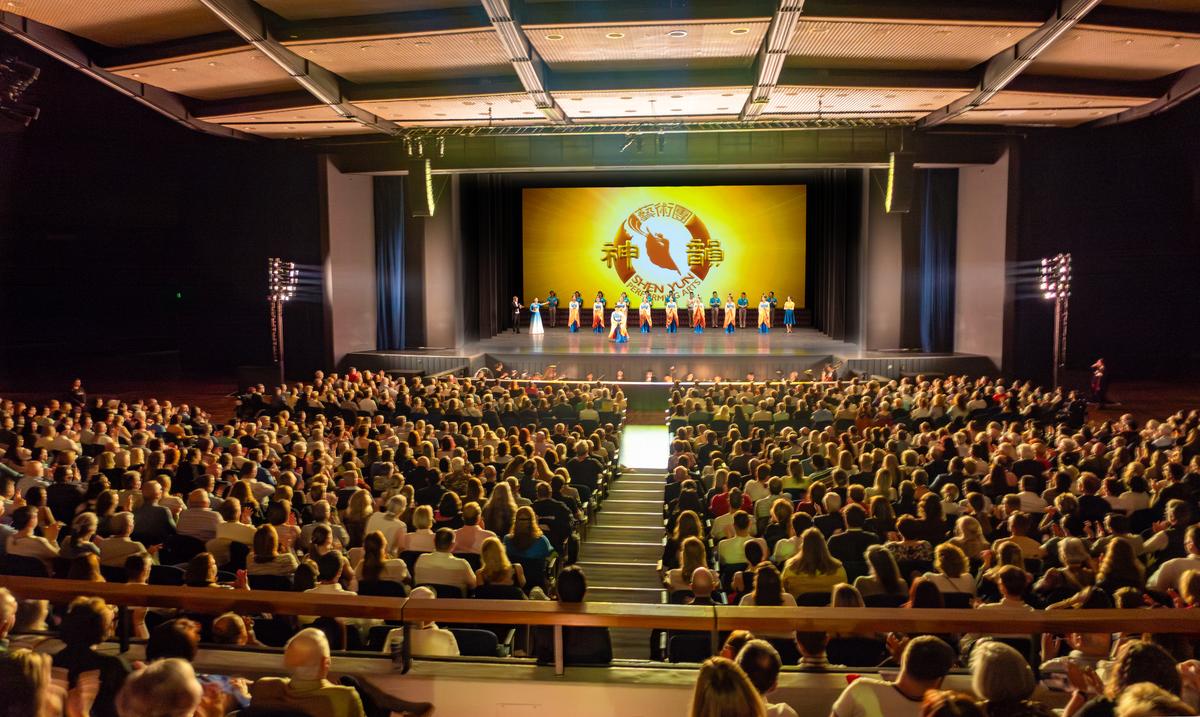
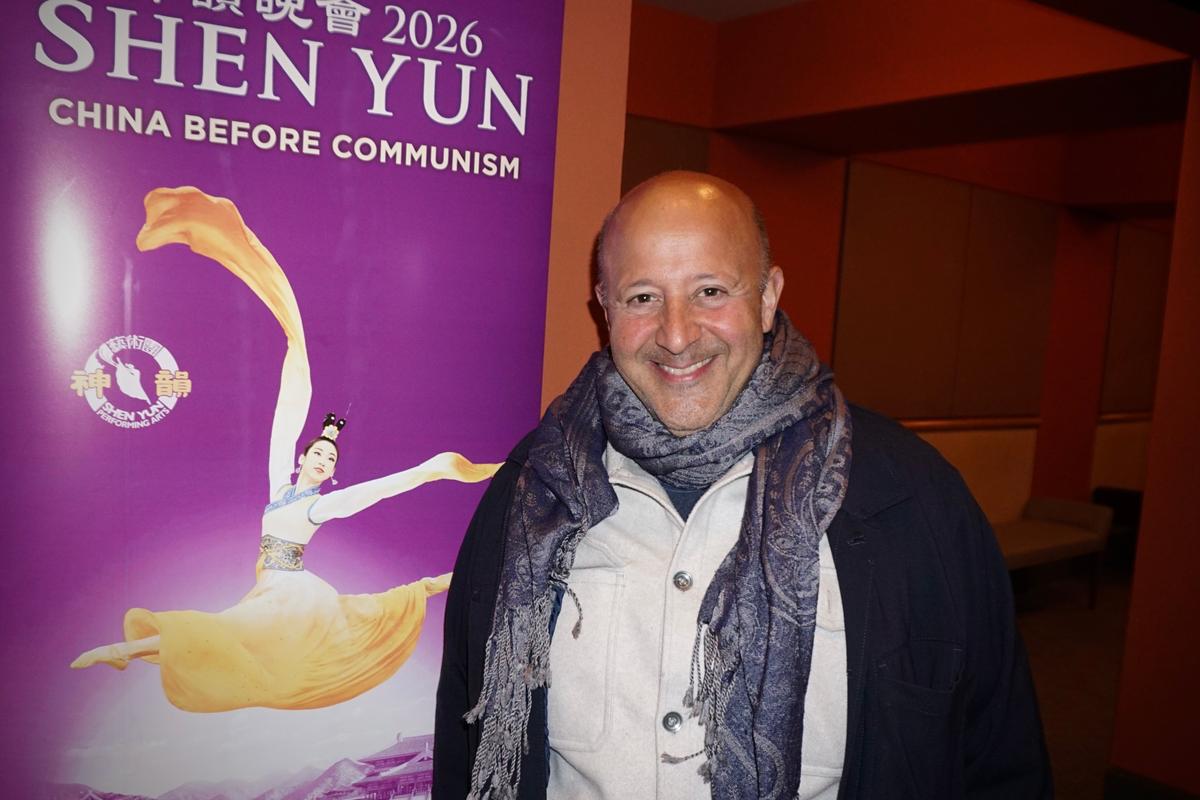
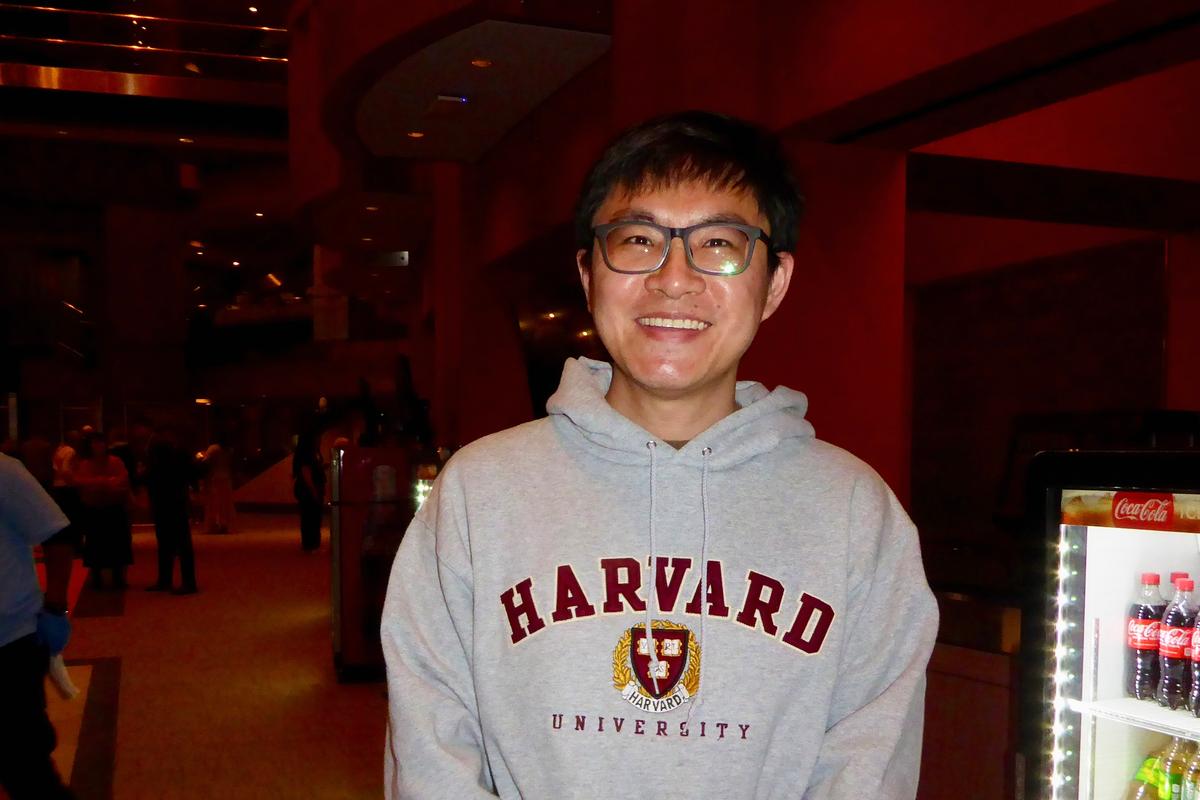
NEWARK, N.J.—“True beauty can connect with the soul and speak directly to the heart,” Alex Chen, a Chinese legal professional, said, reflecting on seeing Shen Yun Performing Arts at the New Jersey Performing Arts Center.
Having lived in the United States for two decades since emigrating from China, Mr. Chen attended a Shen Yun Performing Arts performance on the evening of May 2. It was his first time seeing Shen Yun, and the experience left a deep impression on him.
He was equally struck by the production’s use of color. “The stage is filled with vibrant hues—the interplay of blues and greens with oranges and yellows,” he said. “Those pure, rainbow-like tones create a powerful visual impact and linger in the memory.”
Mr. Chen also expressed surprise at the large number of Americans in the audience.
Mr. Chen believes this mission carries profound significance for today’s world.
“It allows people from different countries to gain insight into Chinese history and culture,” he said. “It also encourages independent reflection—seeing things from another perspective and reconsidering what beauty is, whether visually, emotionally, or musically.”
He pointed to the erhu solo as a particularly moving example. “When I was young, I didn’t really understand erhu music,” he said. “But this time, I found the melody deeply beautiful. The appreciation of music transcends national boundaries.”
Mr. Chen also reflected on a dance drama depicting the persecution of Falun Gong practitioners in China. In his view, the piece conveyed its message with subtlety and emotional depth.
“In a normal society, love and kindness should be protected—not ignored or treated as something abnormal,” he said.
He noted that the performance did not dwell on suffering, but instead expressed universal values through beauty. “It’s not about lamenting hardship, but about presenting beauty and expressing love. The love emphasized in Christianity—kindness and compassion—is similar. These are universal values, and they are communicated through art.”
What impressed him most was the production’s restraint. “It doesn’t force you to accept anything—it simply presents it,” he said. “As an ordinary viewer, you naturally feel something resonate within. That, I think, is very effective.”
He added that, in comparison to other groups addressing persecution, “Falun Gong expresses itself in a more aesthetically refined way—one that speaks more directly to the heart.”