Gold nanoparticles have unusual optical, electronic, and chemical properties.

Researchers at the Eindhoven University of Technology in Eindhoven, Netherlands have created the world’s smallest temperature sensor chip, but its size isn’t even the most impressive thing about it

For the first time scientists have figured out how to use an infrared laser to cool water by about 36 degrees Fahrenheit.

If you add quantum dots to a smartphone battery it will charge in 30 seconds, but the effect only lasts for a few recharge cycles.

A new device – a biological sensor inside a nanochip – that can detect bacterial infections in ten to 15 minutes will become available in 2016.

Sponge-like nanoporous gold could be key to new devices for detecting disease-causing agents in humans and plants, say researchers.

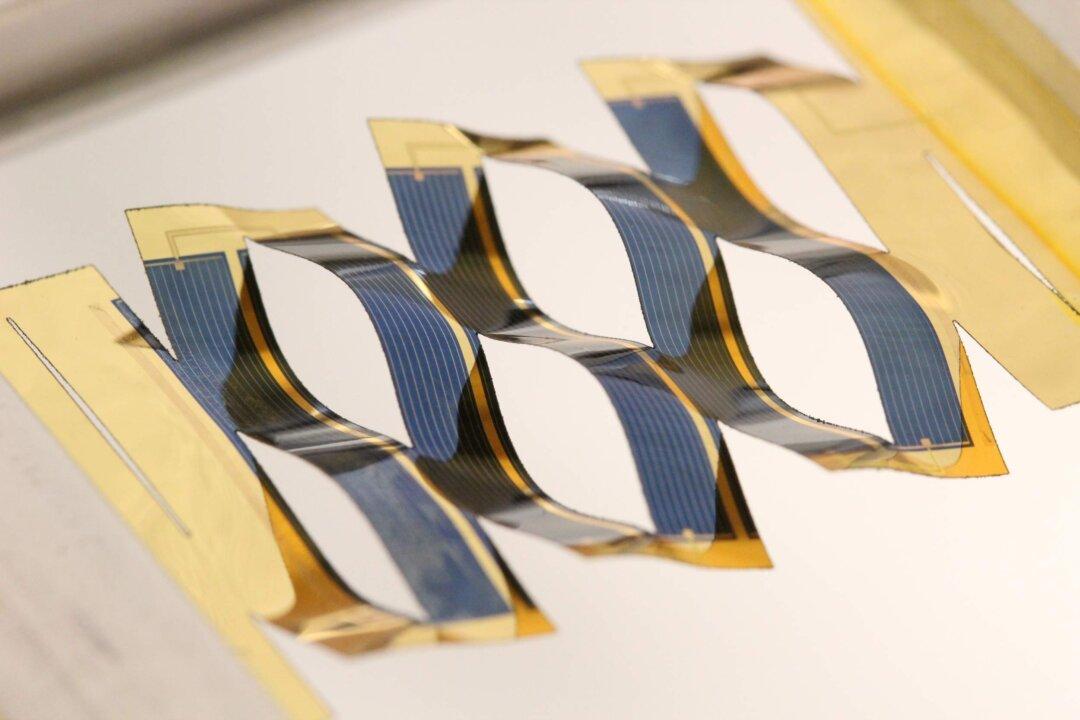
Solar cells capture up to 40 percent more energy when they can track the sun across the sky, but conventional, motorized trackers are too heavy and bulky for pitched rooftops and vehicle surfaces.
Scientists have made synthetic structures out of DNA or protein before. Now, a team has created nanowires from a combination of the two.

A new optical device made of silicon “nanopillars” could lead to advanced microscopes, displays, sensors, and cameras that can be mass-produced using the same techniques used to manufacture computer microchips.

Scientists have created a new way of capturing the 3D structures of nanocrystals, which researchers believe could potentially fight cancer, collect renewable energy, and mitigate pollution.
Nanowires made of zinc oxide are highly anelastic—meaning they return to shape slowly after being bent, rather that snapping right back.