The Occatur Crater on the dwarf planet Ceres is home to several mysterious bright spots.

Nanowires made of zinc oxide are highly anelastic—meaning they return to shape slowly after being bent, rather that snapping right back.

Researchers have used satellite data to detect deposits of glass within impact craters on Mars.

Computers can recognize objects in photos and other images, but how well can they “understand” the relationships or implied activities between objects?

A catalyst made from a foamy form of copper has vastly different electrochemical properties from catalysts made with smooth copper in reactions involving carbon dioxide, according to the new study.

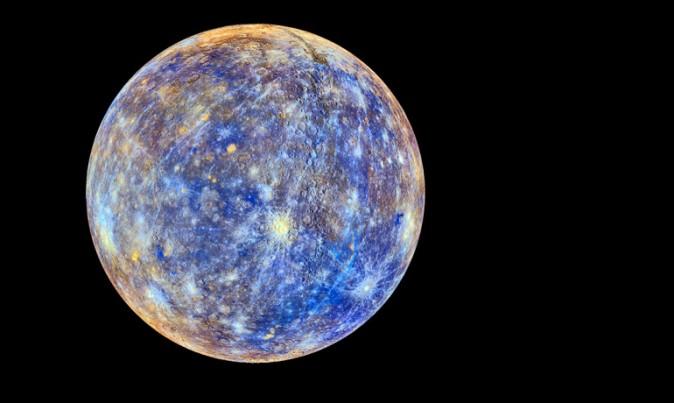
Throughout extended periods of its history, the surface of Mercury crackled with volcanic explosions, a new analysis suggests.