The Supreme Court empowered executive branch officials in 1984 to decide how to enforce the law, but six justices shifted that authority back to Capitol Hill.
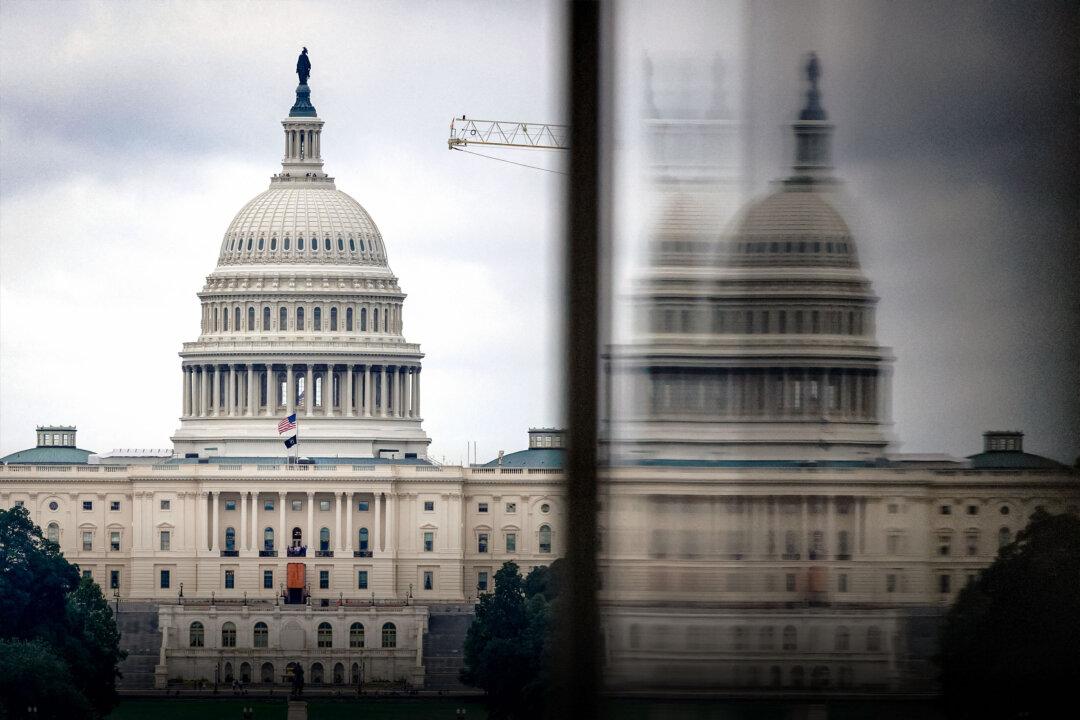
In this week’s episode we dive into the U.S. Supreme Court ruling that struck down a doctrine known as Chevron deference.

When New England fishing vessel operators prevailed in a suit over federal overreach, they triggered a tsunami that will affect the administrative state.

Critics called Chevron the “Lord Voldemort” of administrative law. So what was Chevron deference exactly? How did it transform the federal government?

The doctrine of ‘Chevron deference’ violates the Constitution and impedes the rule of law, lawyer for fishing company says.
A ruling could upend the decades-old Chevron deference doctrine and effectively change how executive agencies regulate.
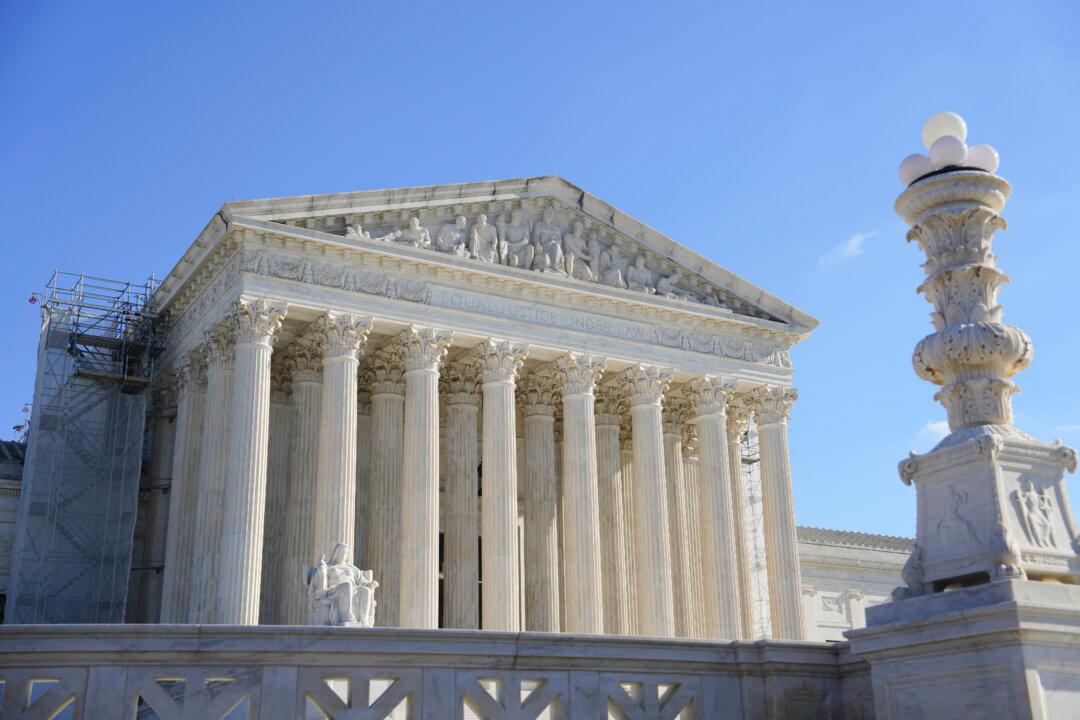
The Supreme Court is reviewing the administrative state’s power with several cases this term that could make major changes to the way agencies regulate.
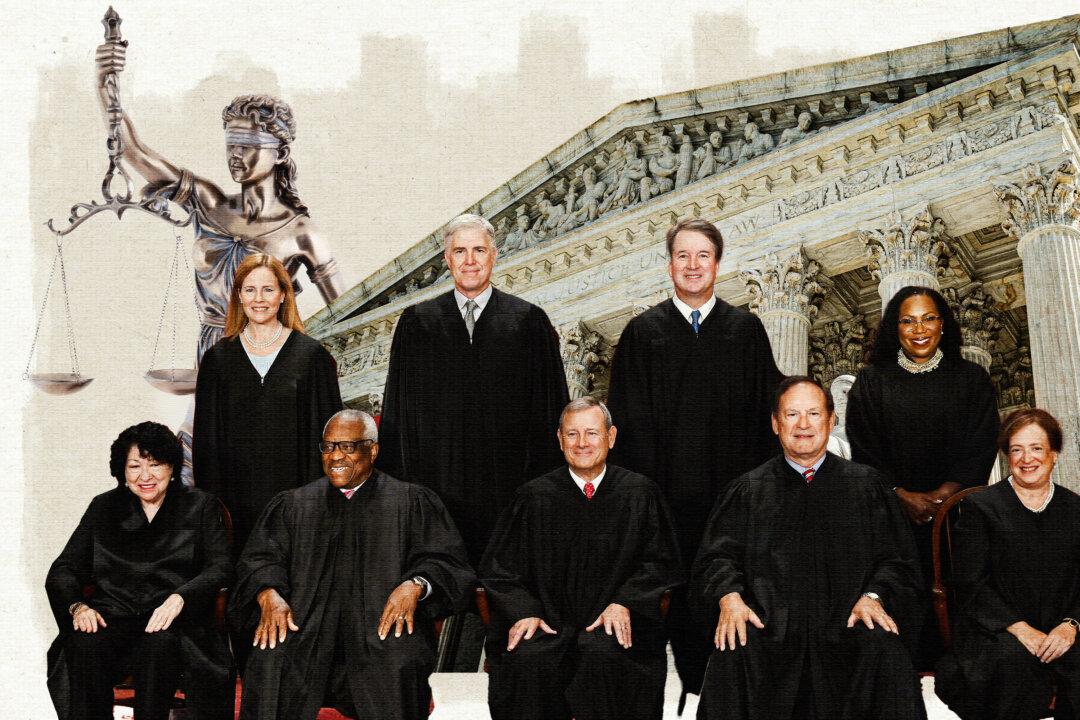
The court may overturn the Chevron deference doctrine, which critics say has led to an increase in the size of government.
Both cases challenge a federal regulation forcing fishing companies to pay to have a federal monitor aboard to make sure they follow the law.
Will Yeatman recently filed an amicus brief in the case of Loper Bright Enterprise v. Raimondo, in which he argues for the Supreme Court to overturn Chevron Deference, a legal doctrine that allows the government’s interpretation to prevail when a law is unclear.