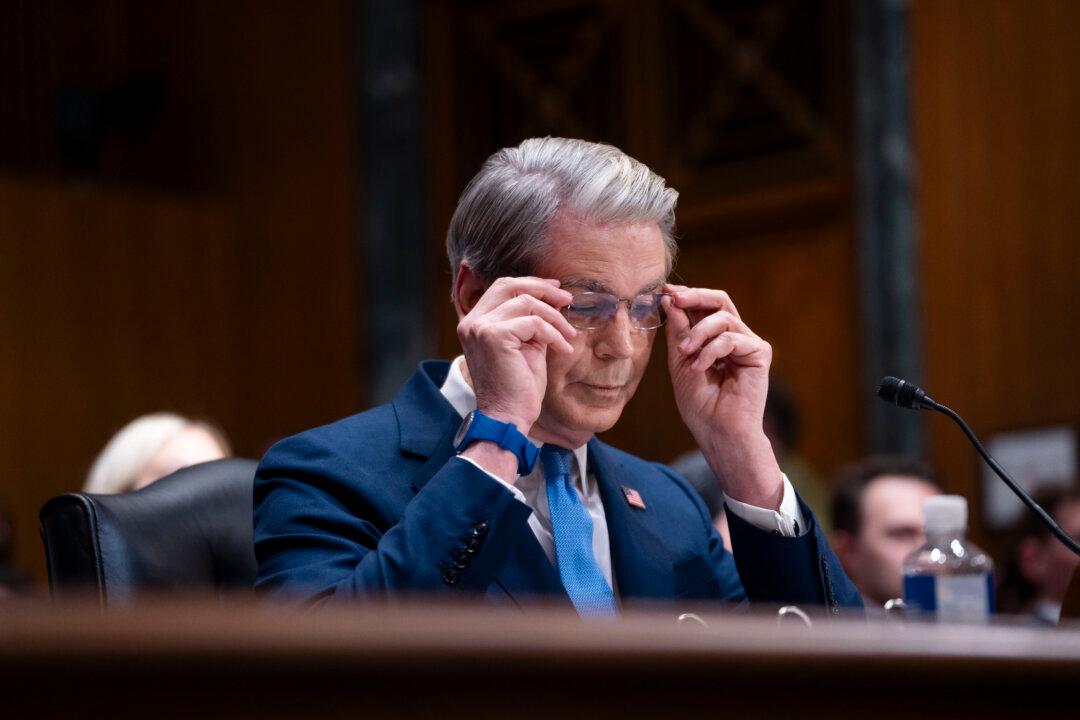
Surging long-run interest rates prompted the Treasury to soothe financial markets.
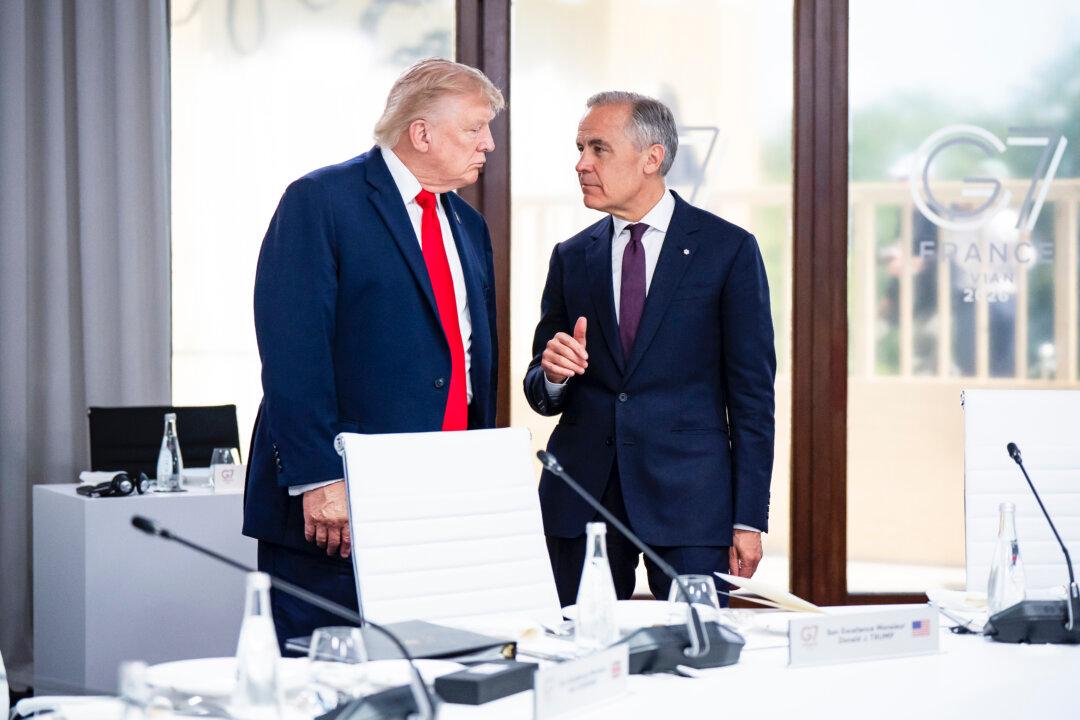
The president announced a three-day pause on additional tariffs, saying there’s a deal with Canada, which is pending finalization of the documents.
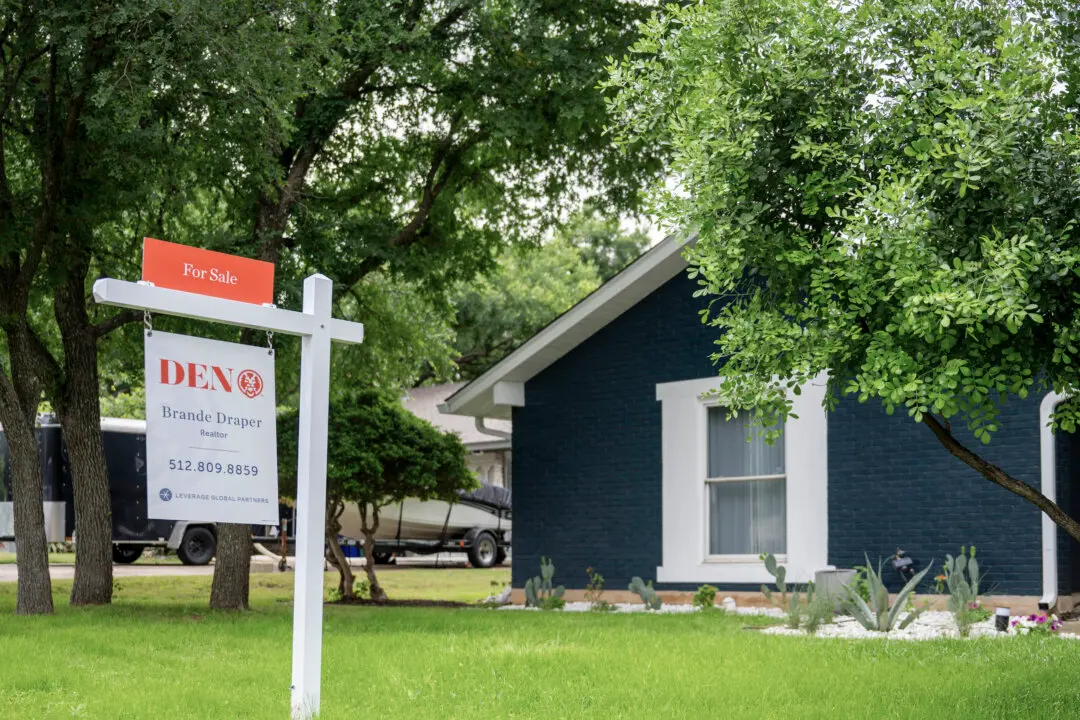
Miami led the nation’s major metro areas in the share of cash purchases.
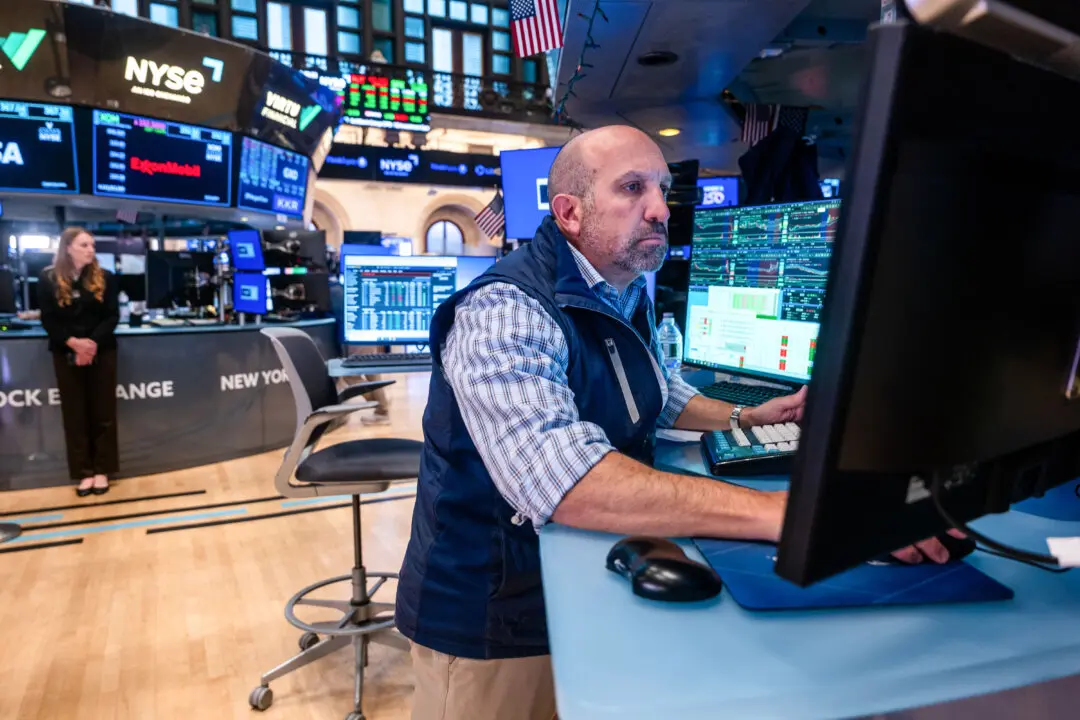
Earnings remain strong, but perhaps the stock market has become a bit overbought in the near term, so don’t be surprised if it backs and fills a bit.

The yields are rising amid growing uncertainty regarding the U.S.–Iran war and elevated inflation.
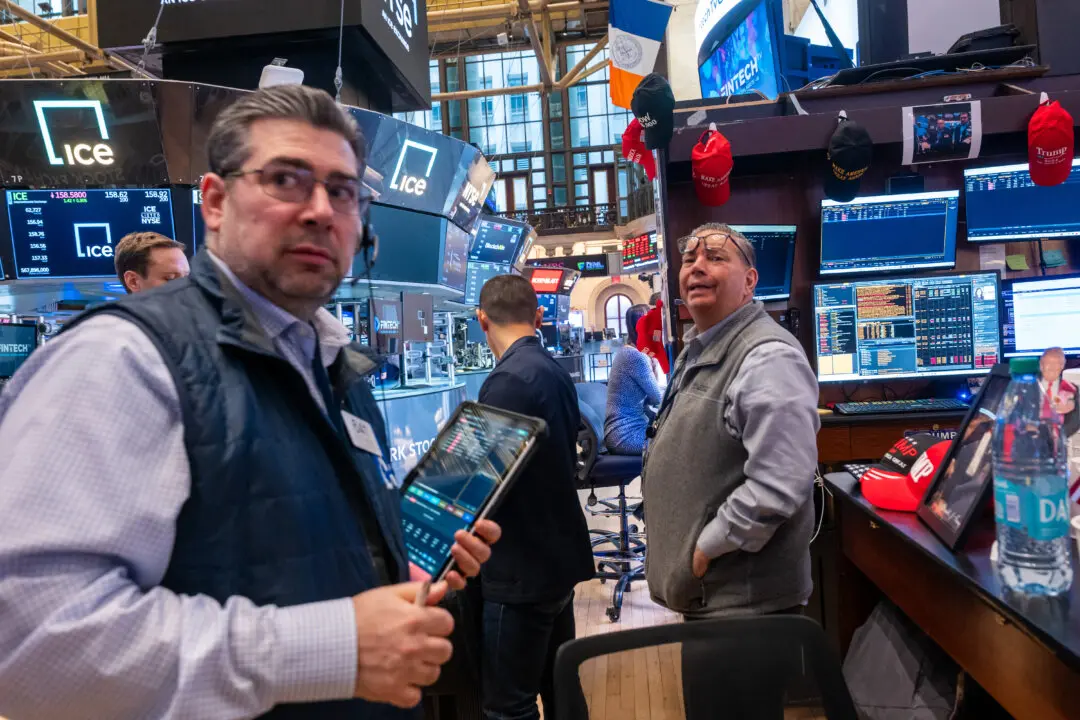
Researchers say that where a family resides can significantly influence these costs.

The United States has resumed inspections after Mexico pledged patrols and escorts to protect USDA personnel from cartel violence and extortion in Michoacan.

Easing inflation and last week’s weak jobs report further raise the odds that the Fed will hold rates steady at its next meeting.
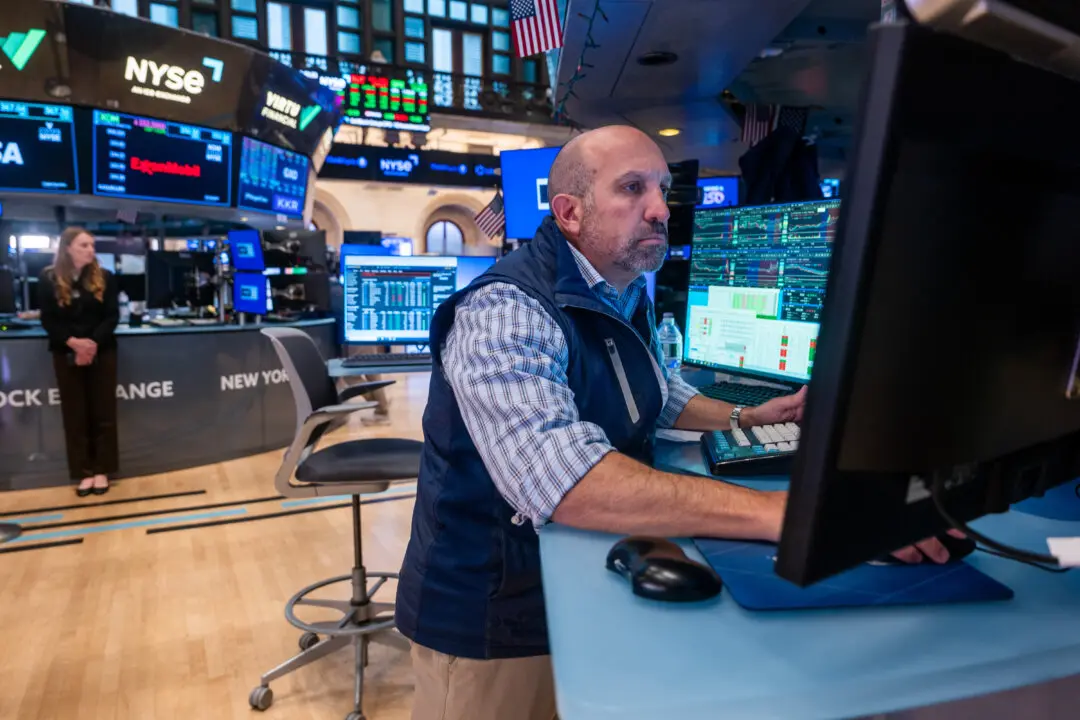
The added cost is aimed at helping boost the domestic drone industry and control national security risks.

Experts said the yuan won’t be able to displace the U.S. dollar.
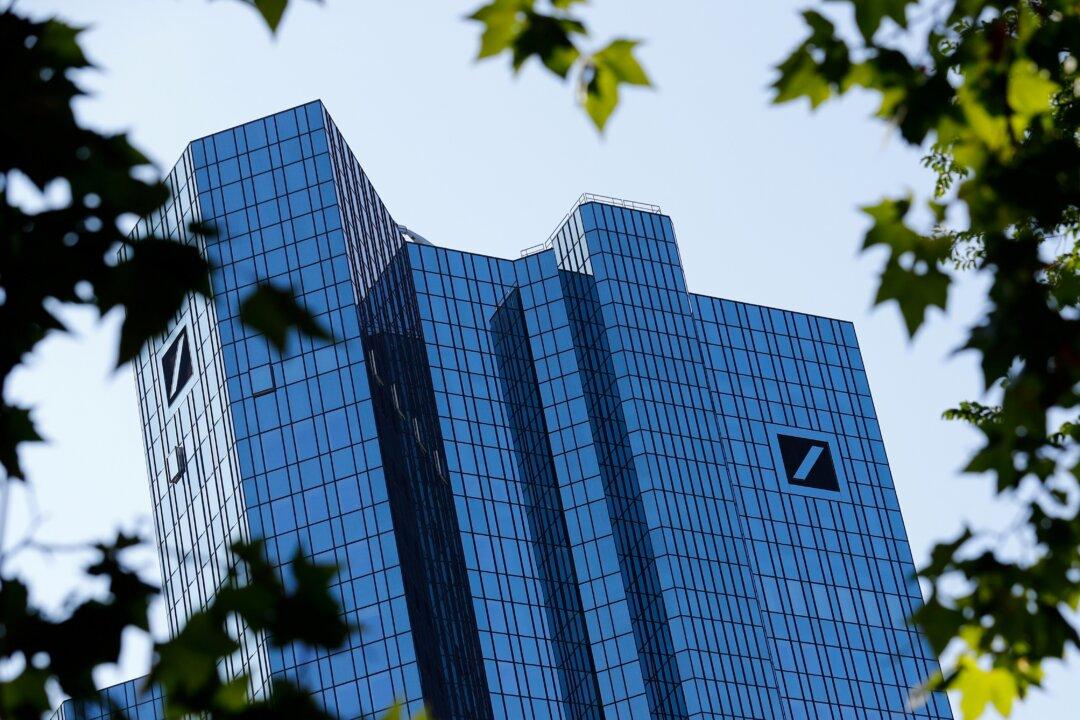
The court said the president acted lawfully in ending the longstanding duty-free exemption for low value imports.
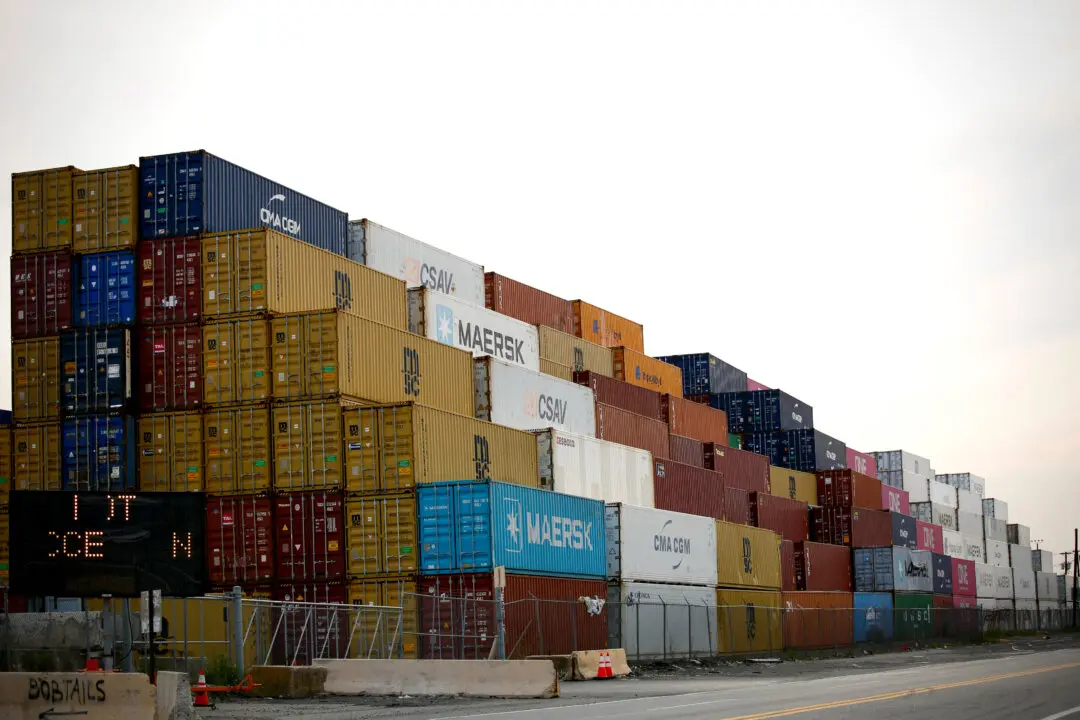
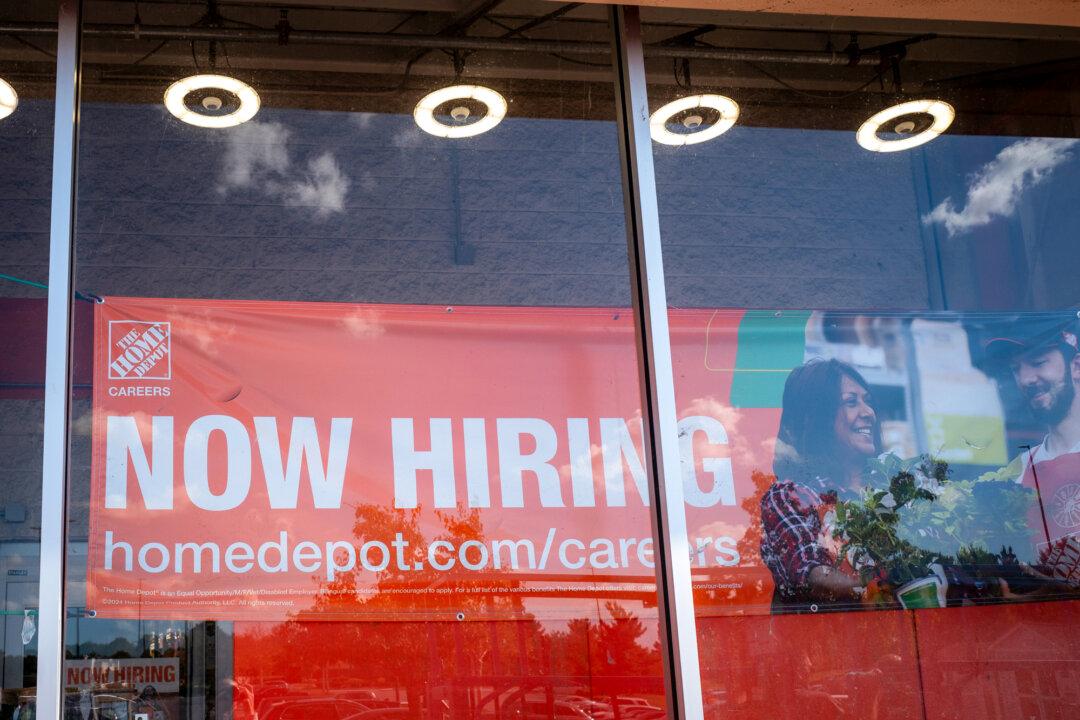
Recurring jobless claims, a proxy for hiring, remained below 1.8 million.

Tight inventory, driven in part by insufficient homebuilding, is fueling competition in the hottest markets, according to Realtor.com.
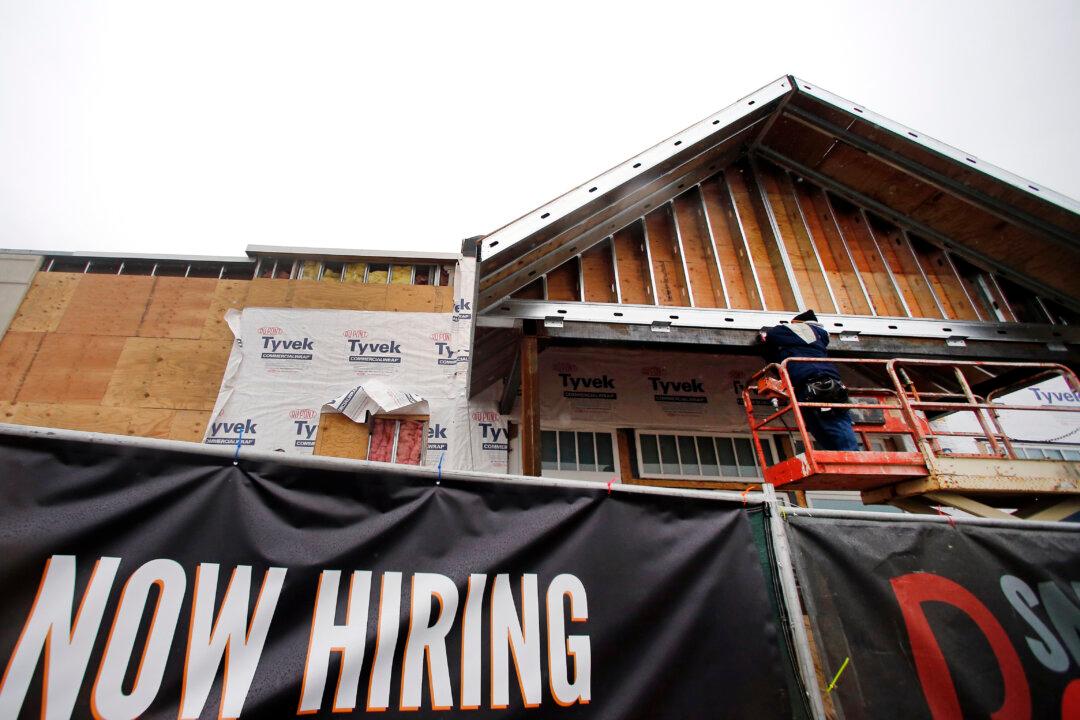
Energy prices helped stabilize inflation, but shelter picked up momentum last month.

Younger workers face competition on two fronts: from their peers and from more experienced candidates.

We are in the middle of a strong earnings season, but the stock market is a bit overbought in the near term, so do not be surprised if it backs and fills a bit.
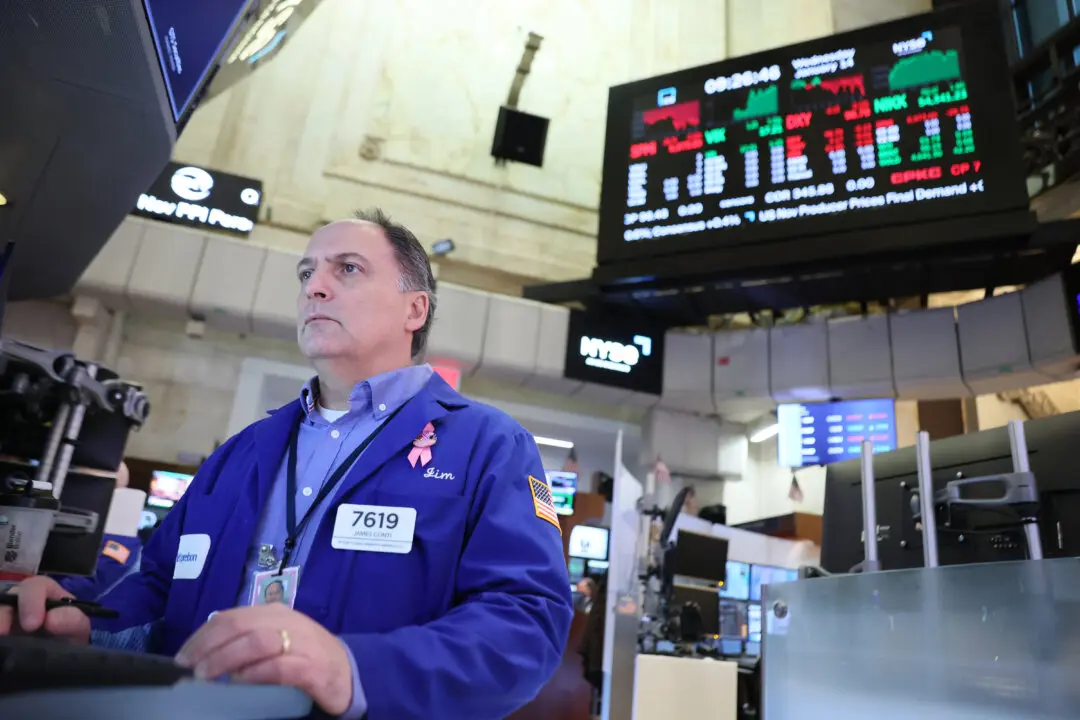
Delinquency rates showed a divergence, researchers said at the Federal Reserve Bank of New York.
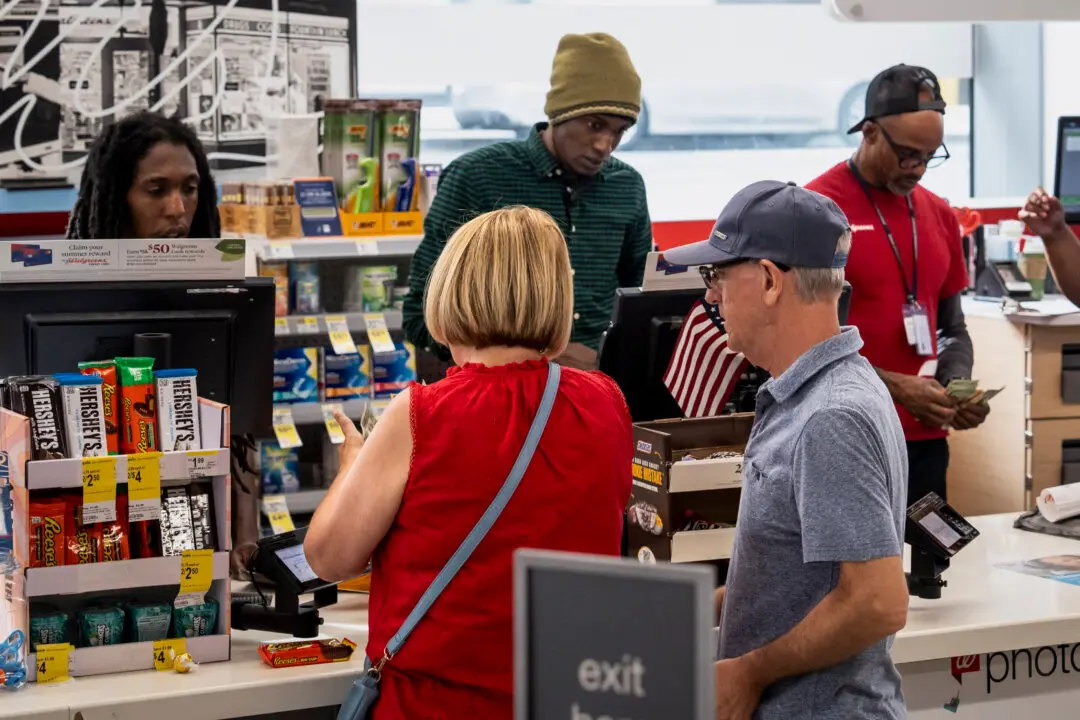
On an aggregate basis, companies are reporting earnings that are more than 29 percent above estimates.
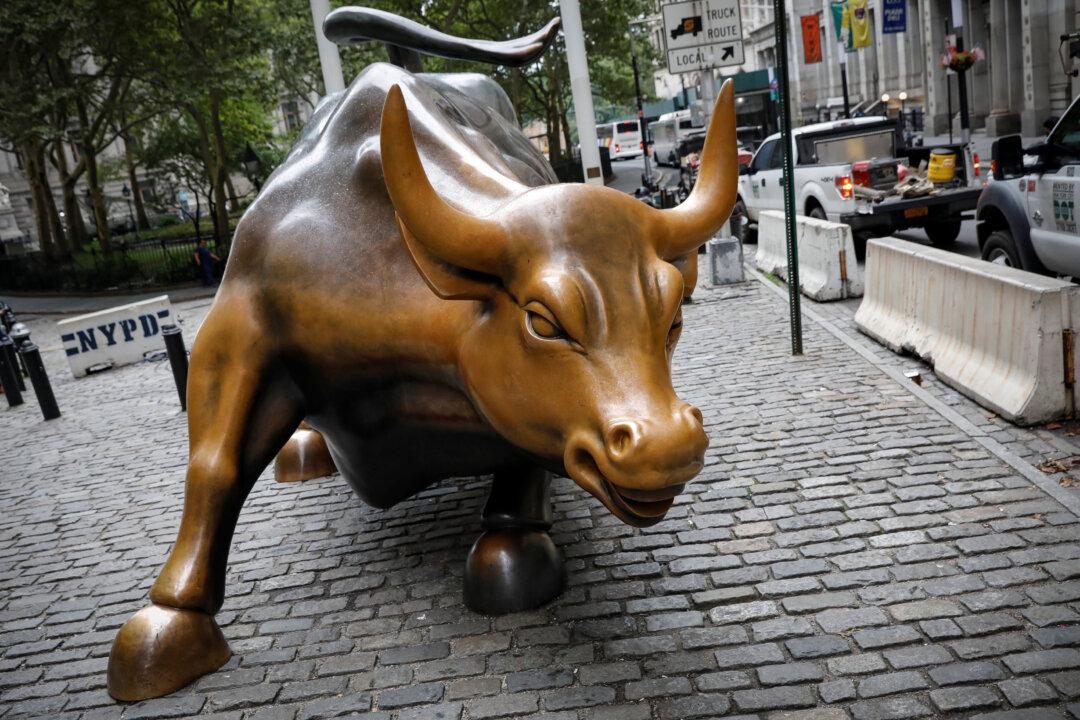
Despite the overall decline in Chapter 11 filings, subchapter V bankruptcy elections within Chapter 11, rose 24 percent in July from a year earlier.
A soft labor market report reduces fears of a near-term rate hike.