Throughout his career, singer-songwriter Willie Nelson has provided the media with accessibility and a raconteur’s charm. Whether he is being quizzed on the thornier issues of his personal life or fielding inquiries on such benign topics such as the quality of his golf game, Nelson always had something intriguing to say.
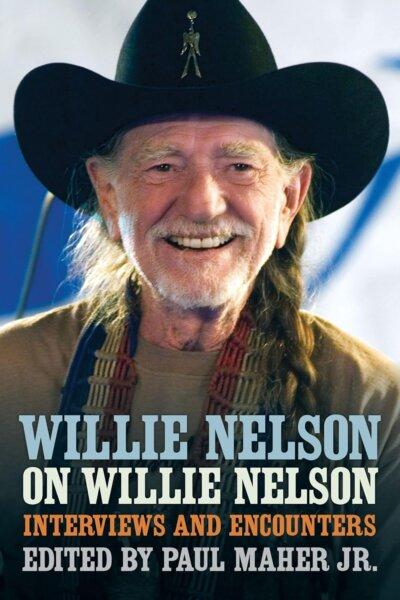
Paul Maher Jr. has compiled a wonderful anthology of Nelson’s most invigorating interviews in “Willie Nelson on Willie Nelson: Interviews and Encounters.” The story begins in 1969 when Nelson’s career was about to pivot into a new direction. It concludes in 2021, when he resumed his concert gigs following the relaxation of pandemic-era restrictions on live performances.
Many of these interviews were with country music-focused publications that folded years ago; in fact, this coverage is being seen for the first time since their original publication.
Nelson achieved his initial success in Nashville’s music scene. As a songwriter during the early 1960s, he most notably penned Faron Young’s “Hello Walls” and Patsy Cline’s “Crazy.” But his initial attempt at becoming a singing star was mostly desultory, in large part because his vocal style was at odds with the trends of the day.
Jim Hatlo’s 1984 profile of Nelson in the magazine Frets noted how he emulated Frank Sinatra’s technique of singing against the beat. This aggravated the country music producers who would remix his studio tapes so his voice would be on the beat.
Starting Anew
Several of the interviews noted how 1969 was a watershed year for Nelson. Setbacks from a divorce and the destruction of his Nashville home in a fire turned out to be blessings in disguise. He relocated to Texas and shed the clean-cut look favored by the Nashville labels in favor of hippie-style hirsuteness.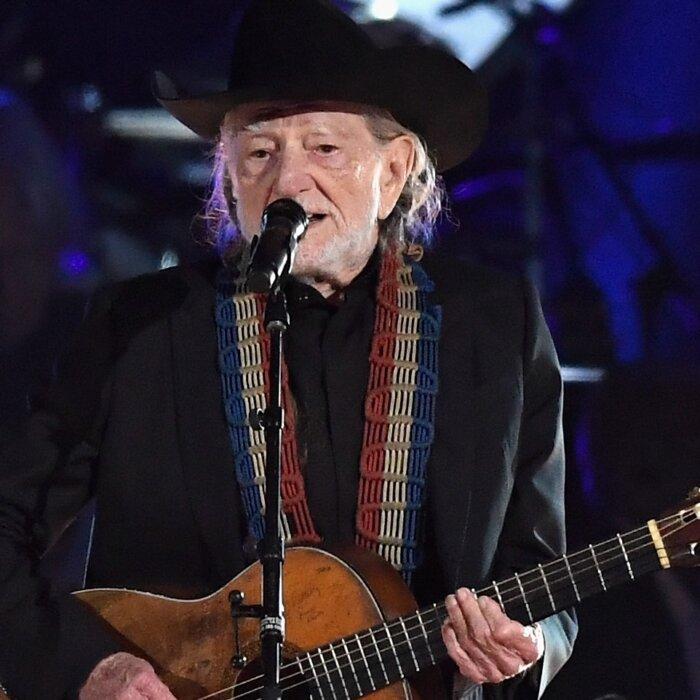
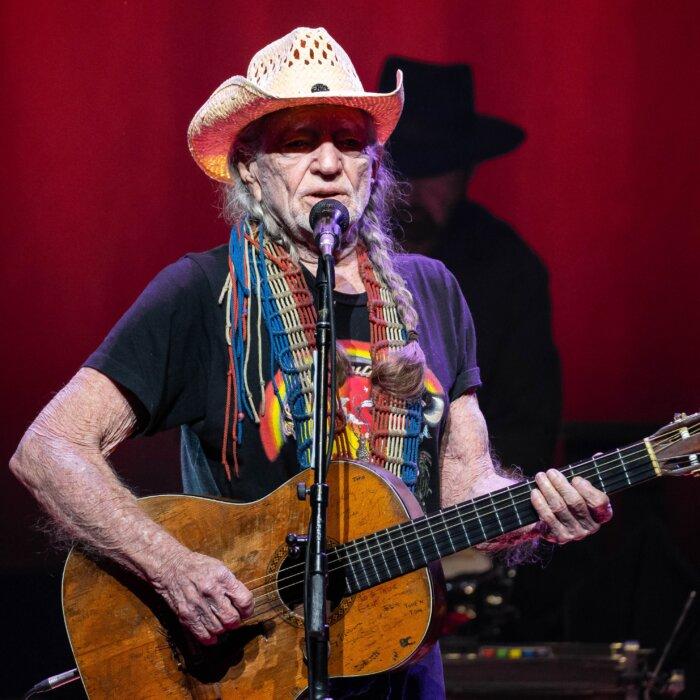
Nelson built his stardom through extensive touring and recordings where his musical vision was not altered against his will. By 1975, Nelson’s album “Red Headed Stranger,” which he produced in nearly a week on a measly $20,000 budget, sold two million copies; the album generated the hit tunes “Blue Eyes Crying in the Rain” and “Remember Me.”
If Nelson carried any bitterness or conceit during his life, it is never evident in his interviews. Indeed, he continuously expressed surprise at the attention he received. This was particularly apparent in a 1994 Country Guitar interview when he talked about Paul Simon’s multiple attempts to get him to record the song “Graceland.” Quoting from Alanna Nash’s book “Behind Closed Doors,” Nelson calmly explained he was never fixated on success and never aggravated by the fear of failing:
“I think the worst that could have happened was I would go back to playing in small nightclubs around the country again,” he said. “But that’s not too bad, and not a bad way to make a living, either. You can only spend so much money, as long as you’re making enough to buy groceries and pay rent and buy a few clothes, and buy a car. That’s about all you can expect, anyway.”
Nelson’s music stardom led to a surplus quantity of honors. These included, for reasons that are not explained, the 1986 Man of the Year award from the United Jewish Appeal. Nelson also acted in several films, but that was never his primary focus.
In his “Behind Closed Doors” interview, he happily recalled how the producers of the film version of “The Best Little Whorehouse in Texas” tried to recruit him to play the male leading role of the sheriff. Nelson expressed gratitude for not getting the part, cheekily explaining that he is not a song-and-dance man.
Advocacy
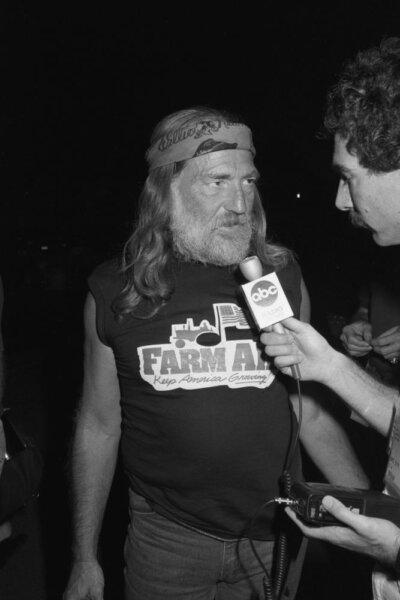
Nelson has a serious side. Among the book’s most interesting interviews are his 2013 discussion with Origin Magazine on his advocacy for the passage of the American Horse Slaughter Prevention Act and his 2018 chat with Cannabist on his support of marijuana legalization. Oddly, there is no standalone interview of Nelson’s Farm Aid concerts to help financially strapped farmers.There is also a 1992 Country Music magazine piece that outlined Nelson’s significant tax problems, which he blamed on bad management and ultimately resolved. But during that stressful time, he kept his sense of humor. When asked about the $16.7 million he owed in back taxes, Nelson joked, “Say it real quick and it don’t sound so bad.”
Perhaps the most moving section of this book is a 1974 tribute to the then-ailing Western swing legend Bob Wills. In Country Music magazine, Nelson stated, “That man had the magnetism, or whatever a man has which every eye in the house glued on him all night long. He just controlled the whole situation all the time.”
Nelson’s tribute to Wills could easily be affixed to his own distinctive talent and well-earned stardom.