Will You Be Getting a Tariff Refund Check? How Should You Use It?

Since Trump’s global tariffs were implemented, the United States has earned more than $130 billion in tariff revenue.
Will You Be Getting a Tariff Refund Check? How Should You Use It?
Antonio Guillem/Shutterstock
|Updated:
0:00

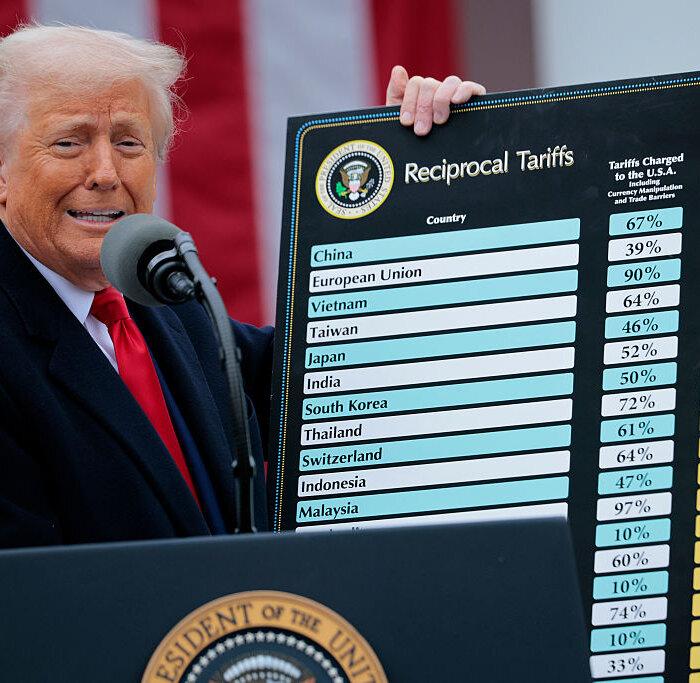
While President Donald Trump is battling the U.S. Supreme Court over the fate of his global tariffs, the federal government has already raked in tens of billions of dollars from the levies.

The United States has collected more than $130 billion in tariff revenue since the levies were implemented. Furthermore, Treasury Secretary Scott Bessent believes tariff revenue can reach $300 billion annually.

Trump has said he may want to give a chunk of that revenue back to the American people in the form of checks.

“We have so much money coming in, we’re thinking about a little rebate,” he told reporters back in July.

However, the president hasn’t publicly delivered any details on the matter. But one senator is trying to make this a reality.

Inside the Trump Tariff Checks

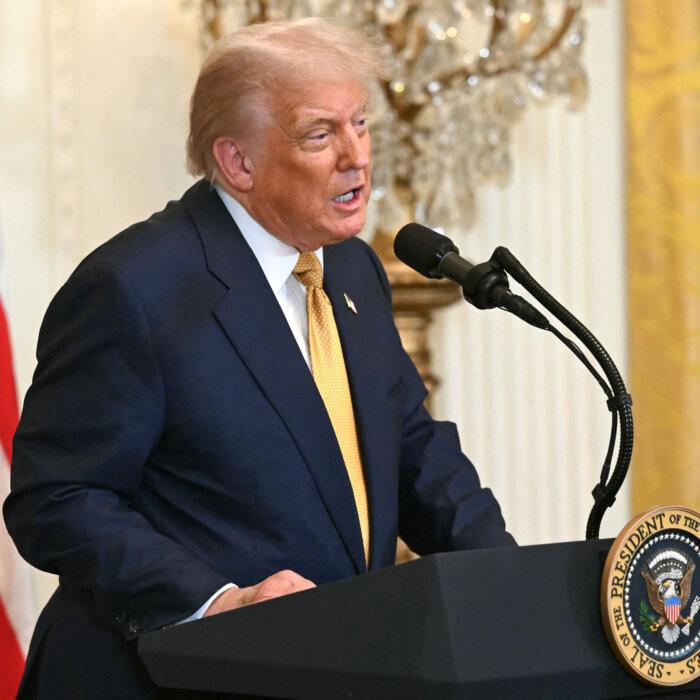
Sen. Josh Hawley (R-Missouri) has introduced a bill proposing checks of up to $600 per eligible American tax payer.

And an eligible family of four could get up to $2,400.
Eligibility would depend on filing status and income.

Single filers with adjusted gross incomes (AGI) of up to $75,000 and joint filers with AGIs of up to $150,000 would get the full benefit.

Taxpayers whose AGIs exceed these limits would see their benefit reduced by 5 percent.

The eligibility parameters are similar to those of the COVID-19 stimulus checks issued under the CARES Act in 2020. But the tariff checks would be funded through tariff revenue rather than the federal government.

“Americans deserve a tax rebate after four years of Biden policies that have devastated families’ savings and livelihoods,” Hawley said. “Like President Trump proposed, my legislation would allow hard-working Americans to benefit from the wealth that Trump’s tariffs are returning to this country.”

Hawley’s bill is called the American Rebate Worker Act. It has been referred to the Senate Finance Committee, where it remains under review. It would need to pass both the Senate and the House of Representatives to become law.

But if you do end up seeing a tariff rebate check in your bank account, what should you do with it? There are many steps you can take.

Build Your Emergency Fund

Thirty-seven percent of Americans can’t cover an unexpected expense of more than $400, and 21 percent have no emergency savings at all, according to the financial services firm Empower.

So a tariff rebate check could be an excellent opportunity to start an emergency fund or beef up an existing one. But don’t just stuff your money under the mattress. Park it somewhere where it can grow, like a high-yield savings account or a high-interest money market account.

However, don’t just run to your local bank. It pays to shop around. Today, the average interest rate on a savings account is 0.39 percent, according to data from the Federal Deposit Insurance Corp. That’s not a lot.
But you can find high-yield savings accounts paying around 5 percent or even as much as 10 percent on high balances.

Invest It

If you’re not already investing in the stock market, it’s quite simple to get started. You can open a brokerage account at various brokerages and banks. Here, too, however, it’s important to shop around.

The best providers offer little to no trading fees, an array of investment options, and digital tools to help you easily navigate the world of finance. Many also allow you to open an account without a minimum investment. Plus, commission-free stock and exchange-traded fund (ETF) trading has become the industry norm.

But if you don’t have the time or expertise to pick your own stocks, you may want to seek a robo-adviser. These platforms recommend a diversified portfolio based on your unique investment goals and financial circumstances. The robo-adviser automatically manages your portfolio and, in some cases, even rebalances it over time for you. These portfolios are also typically built with low-fee ETFs.

Boost Your Retirement Savings

If you have a 401(k) plan at work, contributing your tariff rebate toward it can give it a charge. For 2025, you can contribute up to $23,500 to a 401(k). Those aged 50 or older can make “catch-up” contributions of up to $7,500 for a total of $31,000.

But don’t worry if you don’t have a 401(k) from your employer. You can always open an individual retirement account (IRA) through a brokerage firm online within minutes.


A traditional IRA functions similarly to a traditional 401(k). It allows you to make tax-deductible contributions. But you can also opt for a Roth IRA. This account won’t let you make tax-deductible contributions. But if you’re at least 59 1/2 years old and the account has been open for at least five years, withdrawals are tax-free.

The Bottom Line

Since the implementation of Trump’s global tariffs, the United States has earned more than $130 billion in tariff revenue. The president has expressed an interest in giving some of that back to the American people. In response, Sen. Hawley proposed a bill that would provide $600 checks and up to $2,400 for eligible tax-paying families. Should it come to fruition, you could make that check grow. Consider putting it in a high-yield savings account, investing it in the stock market, or using it to fund a tax-advantaged retirement account like a 401(k) or IRA.
The Epoch Times copyright © 2025. The views and opinions expressed are those of the authors. They are meant for general informational purposes only and should not be construed or interpreted as a recommendation or solicitation. The Epoch Times does not provide investment, tax, legal, financial planning, estate planning, or any other personal finance advice. The Epoch Times holds no liability for the accuracy or timeliness of the information provided.
Google LogoMark Us Preferred on Google
Javier Simon
Javier Simon
Author
Javier Simon is a freelance personal finance writer for The Epoch Times. He specializes in retirement planning, investing, taxes, fintech, financial products and more. His work has been featured by major publications including Fox Business, The Motley Fool, NerdWallet, and Money Magazine.