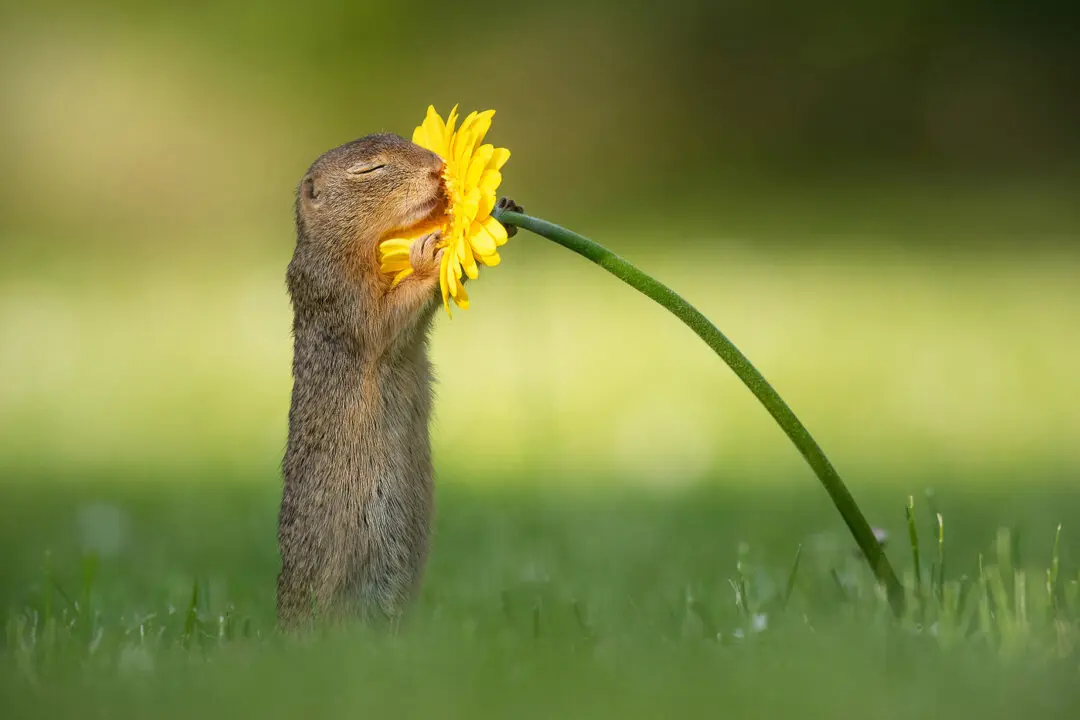
Wildlife Artist Paints Tigers, Snow Leopards, and Other Big Cats in Amazing Detail—Here’s How

Wildlife Artist Paints Tigers, Snow Leopards, and Other Big Cats in Amazing Detail—Here’s How
Artist Jean Pritchard and some of her oil paintings of big cats. Courtesy of Jean Pritchard
Michael Wing
Michael Wing
Editor and Writer
|Updated:
0:00

In 1982, when artist Jean Pritchard was 17, a representative from a local art and design college showcased its students’ work at her high school. After seeing their scientific and technical illustrations she immediately knew what she wanted to do with her life.

Young Pritchard’s artistic eye very soon steered her toward illustration and eventually wildlife art, mainly painting big cats of the jungle, mountains, and savannah.

Those early days were simpler, when illustrators still drew things the old-fashioned way—tracing on parchment paper then painting on canvas, instead of using Adobe and, now, AI. Pritchard’s professors at the Blackpool School of Arts, part of Blackpool and The Fylde College in Lancashire, UK, trained her mainly in watercolor painting, though she later discovered much bolder chroma in oils.

“This was before computers really took a hold of everything, so illustrations in books were done by hand and not on a computer with digital art,” she said. “The illustration world is so different now.”

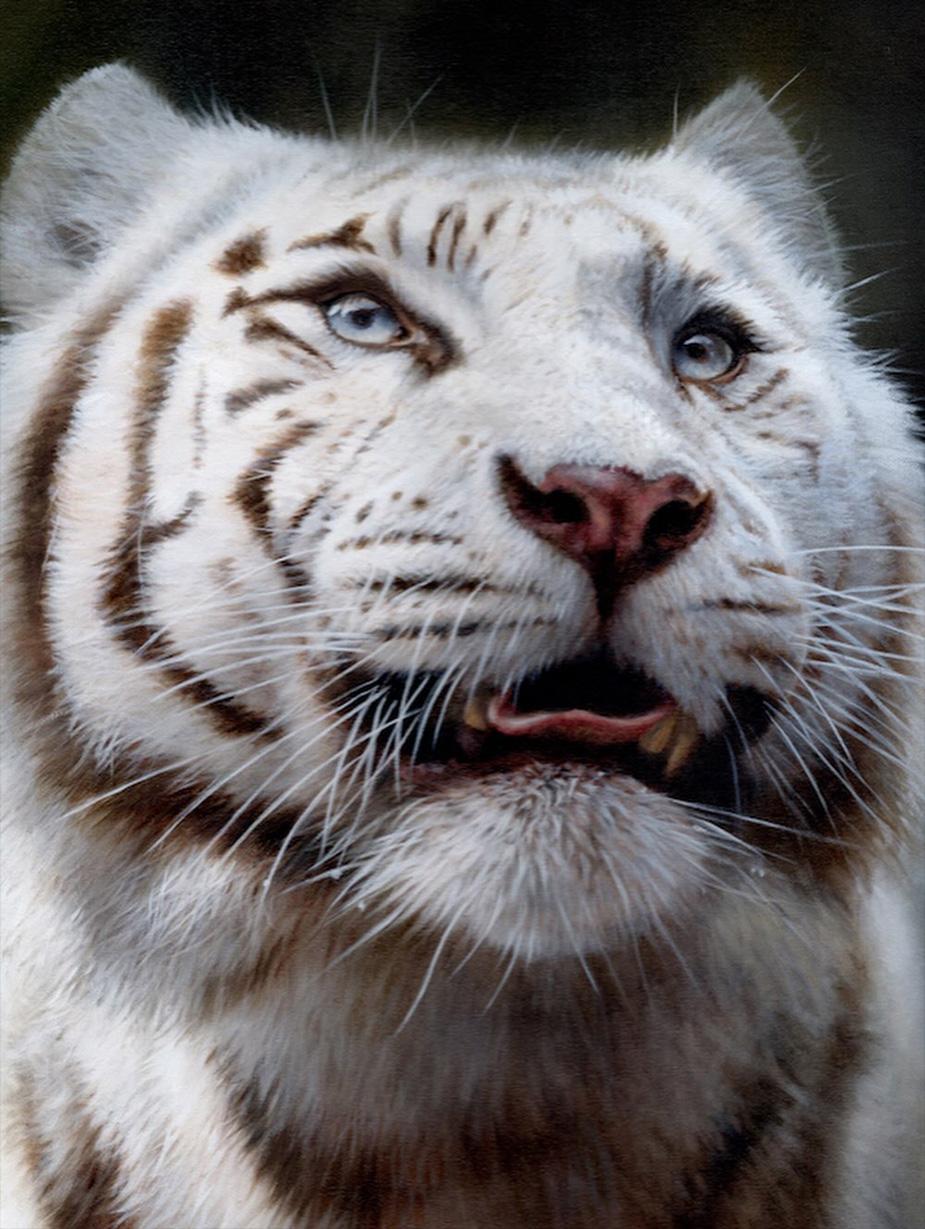
A tiger painting on Jean Pritchard's easel. (Courtesy of Jean Pritchard)
A tiger painting on Jean Pritchard's easel. Courtesy of Jean Pritchard
Oil painting of a white tiger. (Courtesy of Jean Pritchard)
Oil painting of a white tiger. Courtesy of Jean Pritchard
Oil painting of a snow leopard. (Courtesy of Jean Pritchard)
Oil painting of a snow leopard. Courtesy of Jean Pritchard
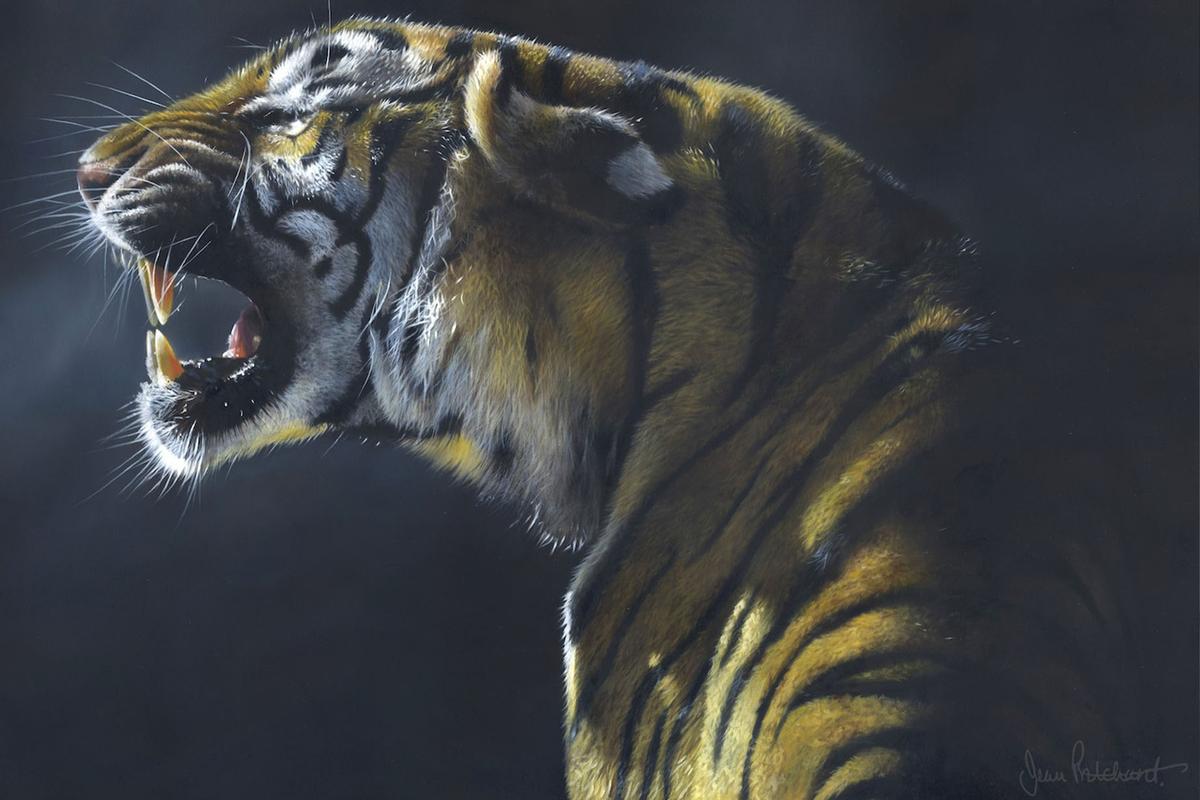
Painting of a snarling tiger. (Courtesy of Jean Pritchard)
Painting of a snarling tiger. Courtesy of Jean Pritchard
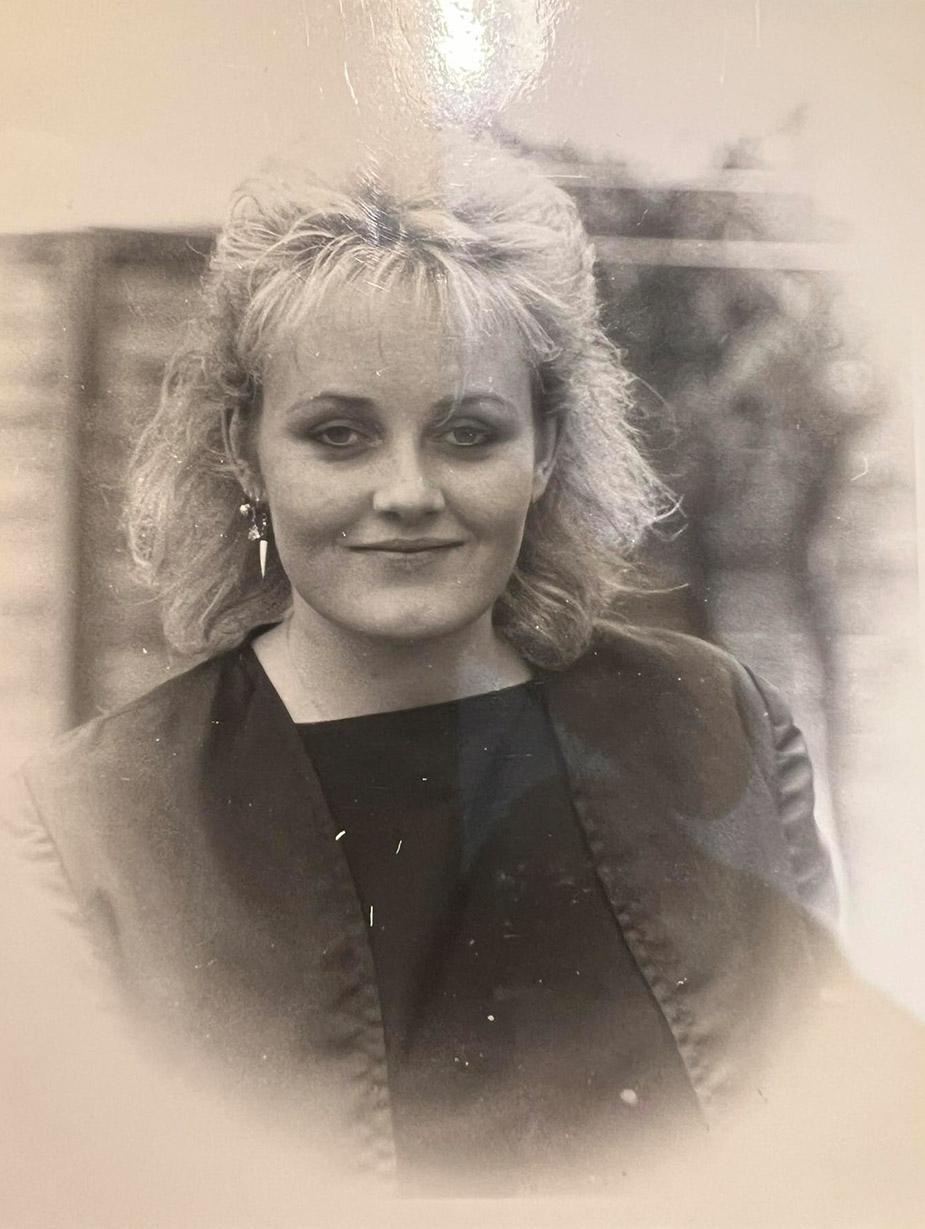
Artist Jean Pritchard at age 18 during her college years. (Courtesy of Jean Pritchard)
Artist Jean Pritchard at age 18 during her college years. Courtesy of Jean Pritchard
Illustrators in the 1980s were still using techniques that had made earlier artists like Norman Rockwell famous, but Pritchard was enthralled by styles going even further back. She started incorporating 17th-century techniques like chiaroscuro—modelling shapes using dramatic lighting—into her paintings of leopards, lions, and tigers.

“I am a real lover of Rembrandt and I think this is quite evident in my paintings,” Pritchard said. “I tend to over-paint the light source so that it draws the viewer in.”
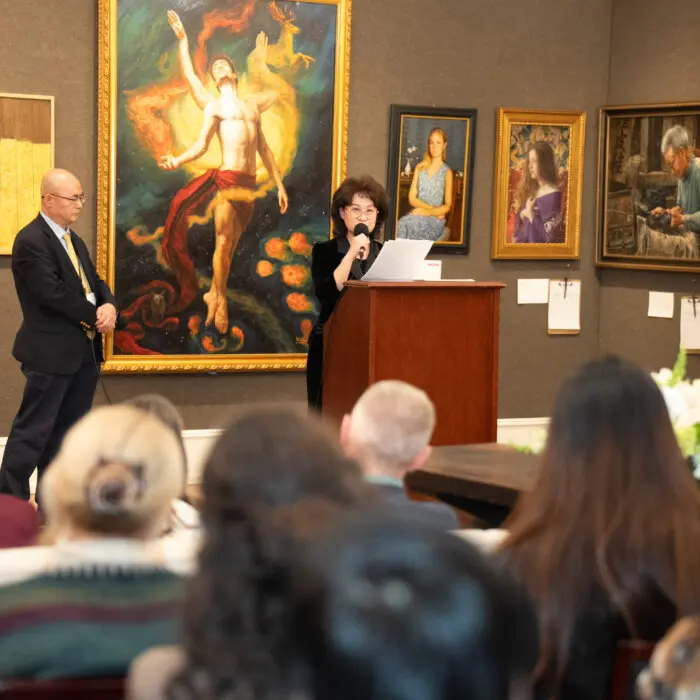
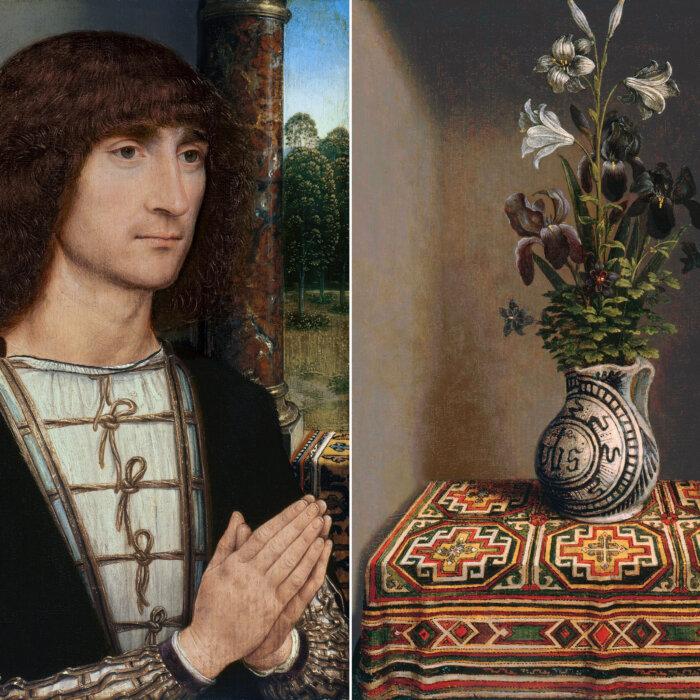
She said she studied Baroque paintings from books because there weren’t many museums in the quaint countryside of northern England where she lives.

While the white tigers Pritchard now paints are extremely trendy in today’s art market, her approach to technique is very much rooted in tradition. Each painting begins with a canvas toned by a wash of raw umber—very similar to Rembrandt’s monochromatic underpaintings. She then gradually builds up more colors and body using very thin, diluted layers, just like the Old Masters.
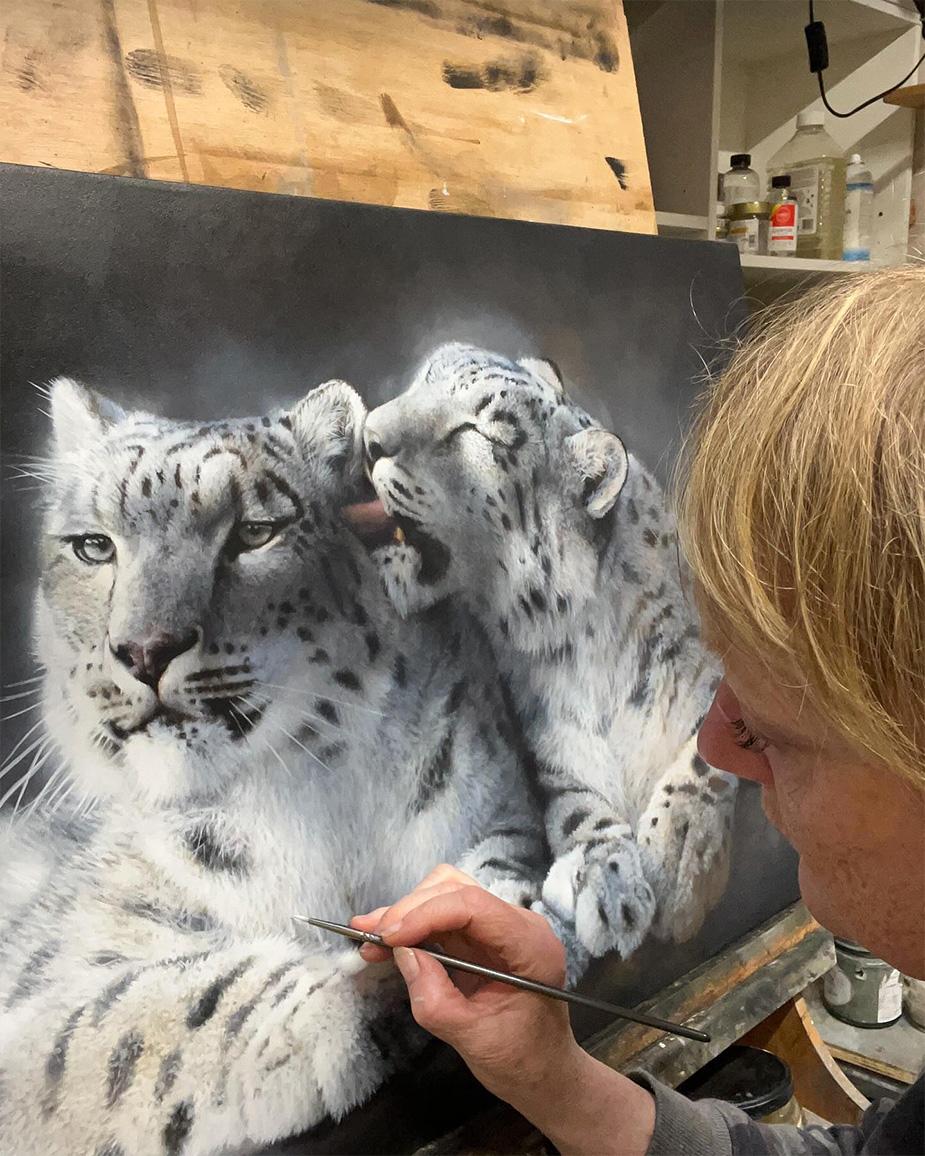
The artist painting fine hairs of a feline double portrait. (Courtesy of Jean Pritchard)
The artist painting fine hairs of a feline double portrait. Courtesy of Jean Pritchard
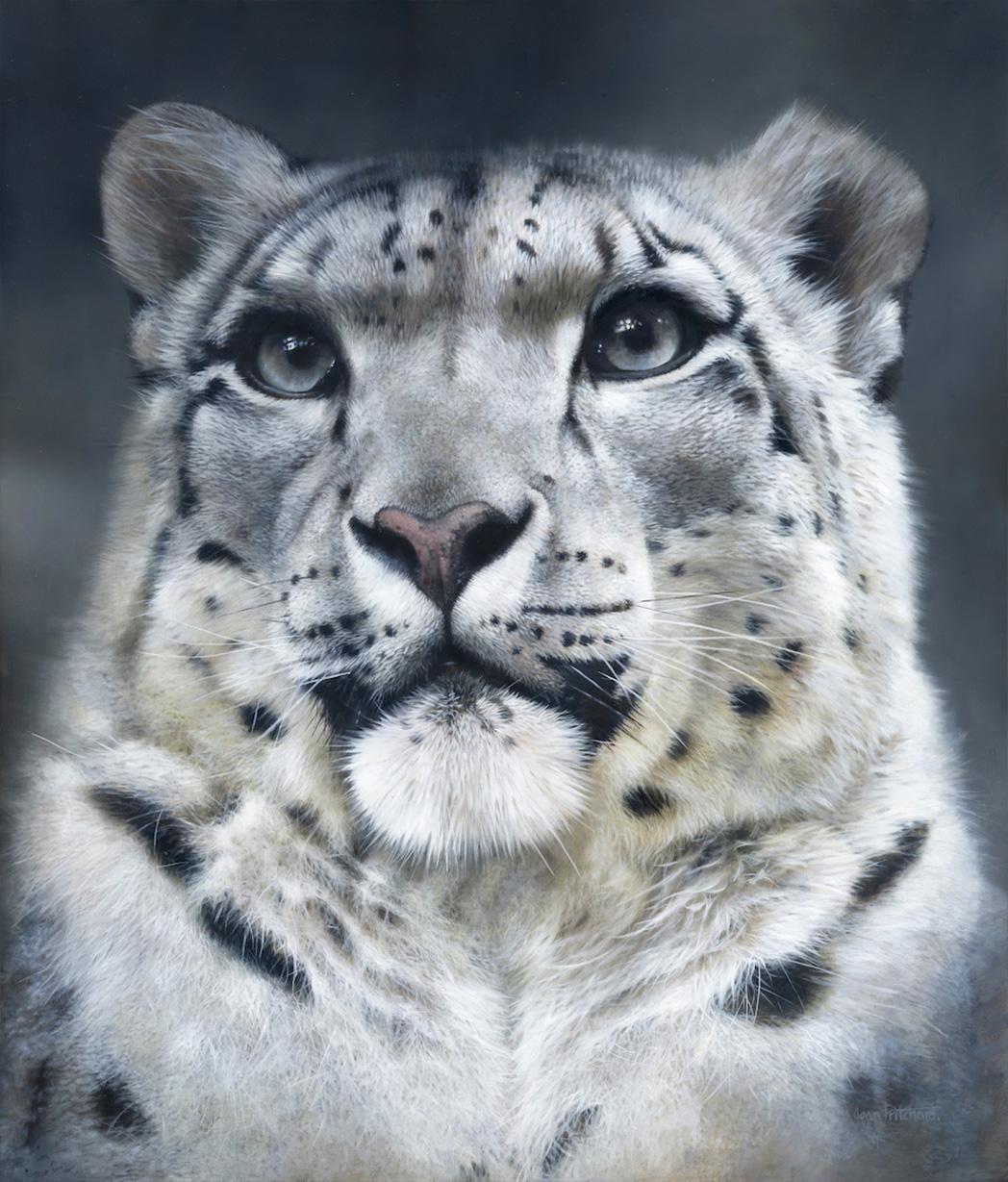
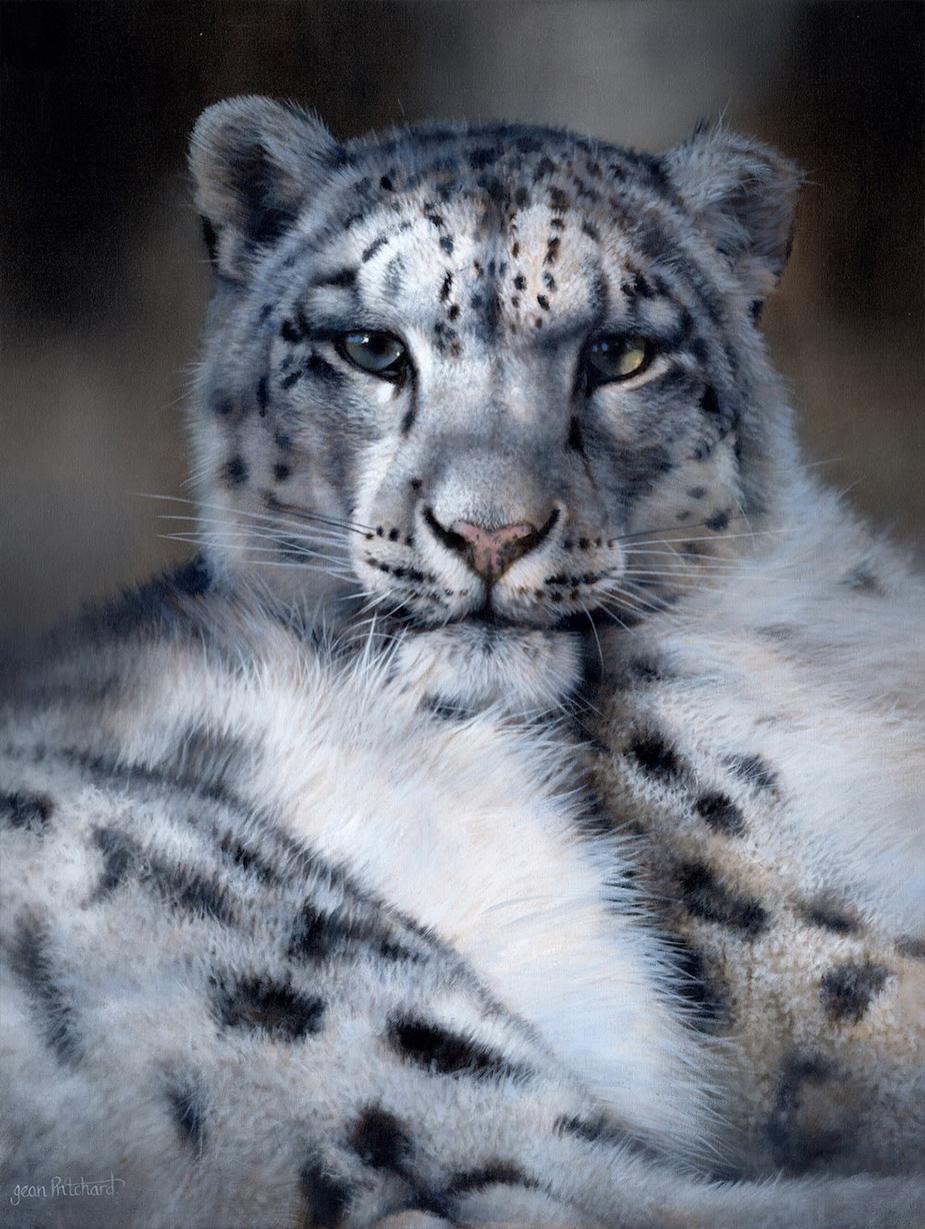
Painting of a stoic-looking snow leopard. (Courtesy of Jean Pritchard)
Painting of a stoic-looking snow leopard. Courtesy of Jean Pritchard
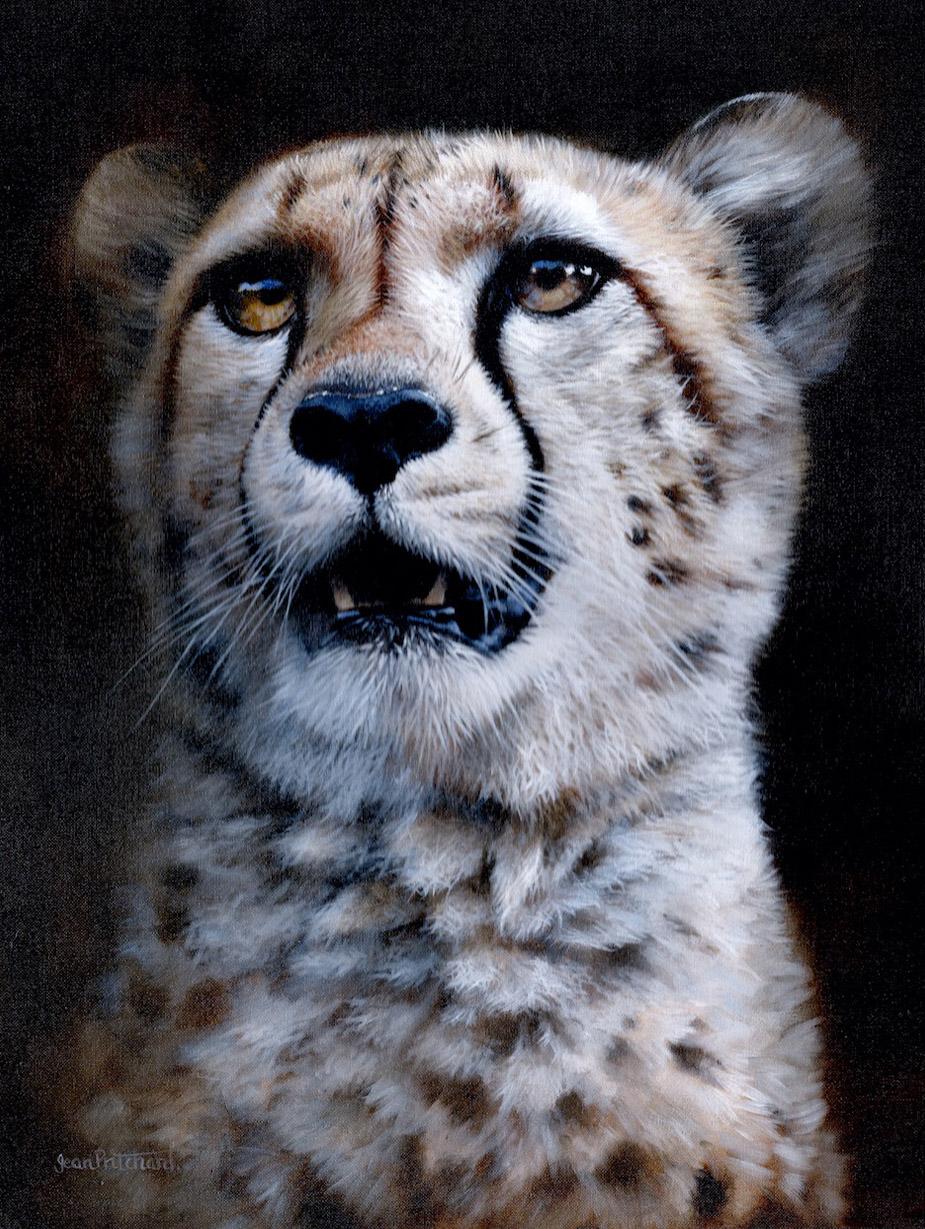
Oil painting of a cheetah. (Courtesy of Jean Pritchard)
Oil painting of a cheetah. Courtesy of Jean Pritchard
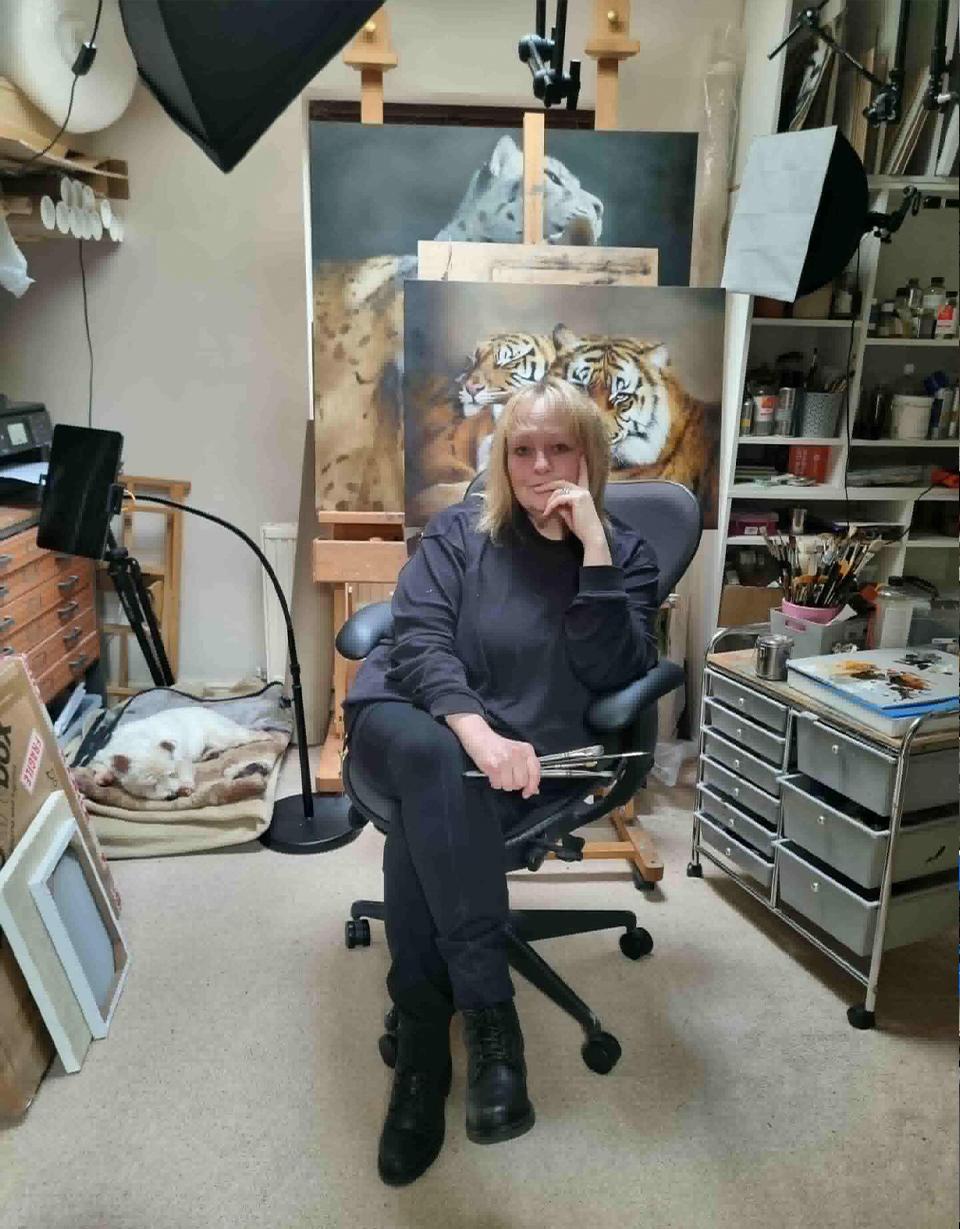
A recent photo of the artist in her studio in the north of England. (Courtesy of Jean Pritchard)
A recent photo of the artist in her studio in the north of England. Courtesy of Jean Pritchard
“I let each layer dry so my colors don’t get muddy. I used to do it this way with the watercolors,” she said. “Oils are fabulous to use when the layers become thicker and more buttery.” This method of layering slowly allows Pritchard the luxury of sitting back to really look at her every action, deciding what she is going to do next.

“I usually start right at the most important part of the subject—the head and the eyes,” she said. “If you get this part right you have it.” While painting more suggestively in the periphery, for the main objects she tightens up the lines and intensifies lighting to bring them forward and create depth.

Just like artists of the Baroque and Renaissance eras, Pritchard finishes her paintings with glazes of rich color.
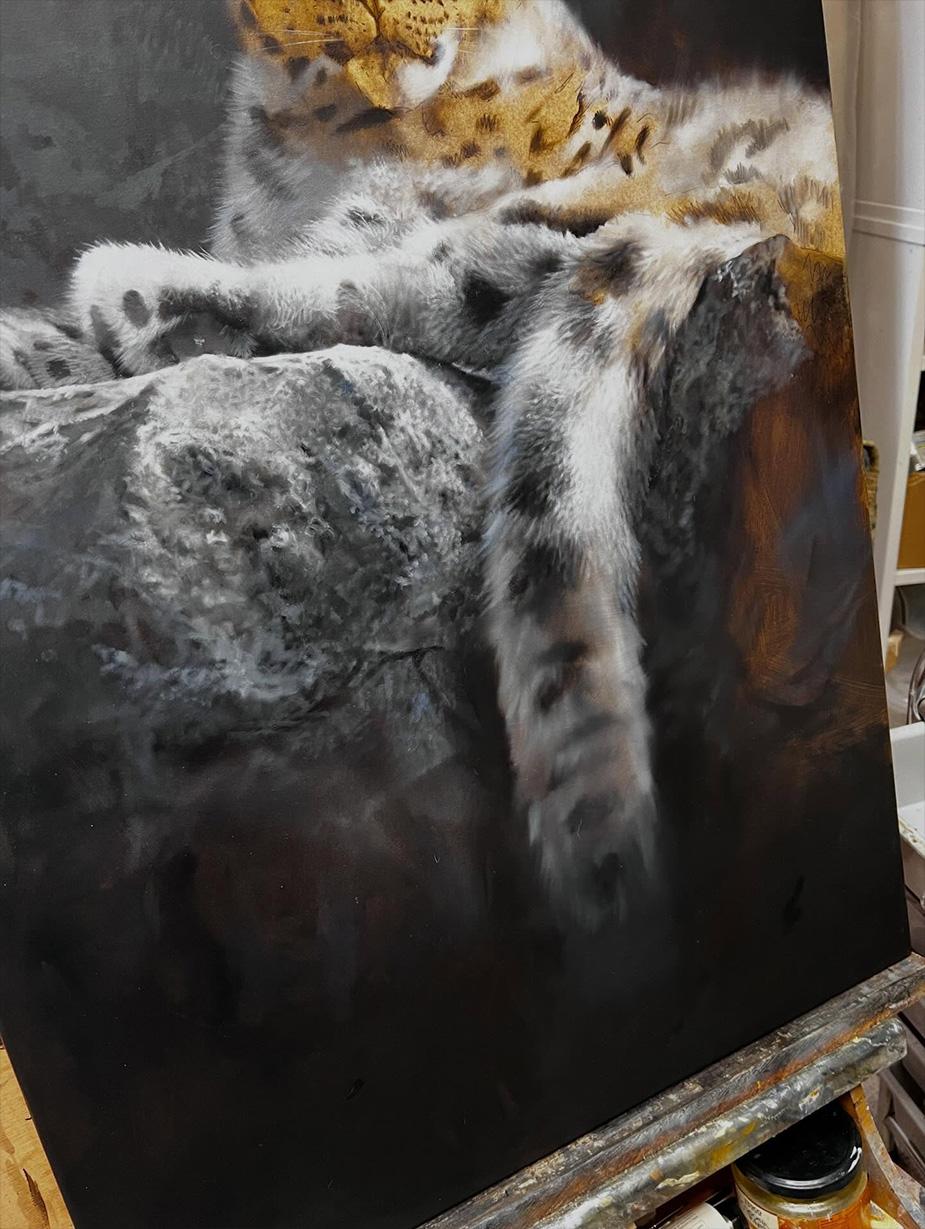
Painting of a snow leopard in progress in Pritchard's studio. (Courtesy of Jean Pritchard)
Painting of a snow leopard in progress in Pritchard's studio. Courtesy of Jean Pritchard
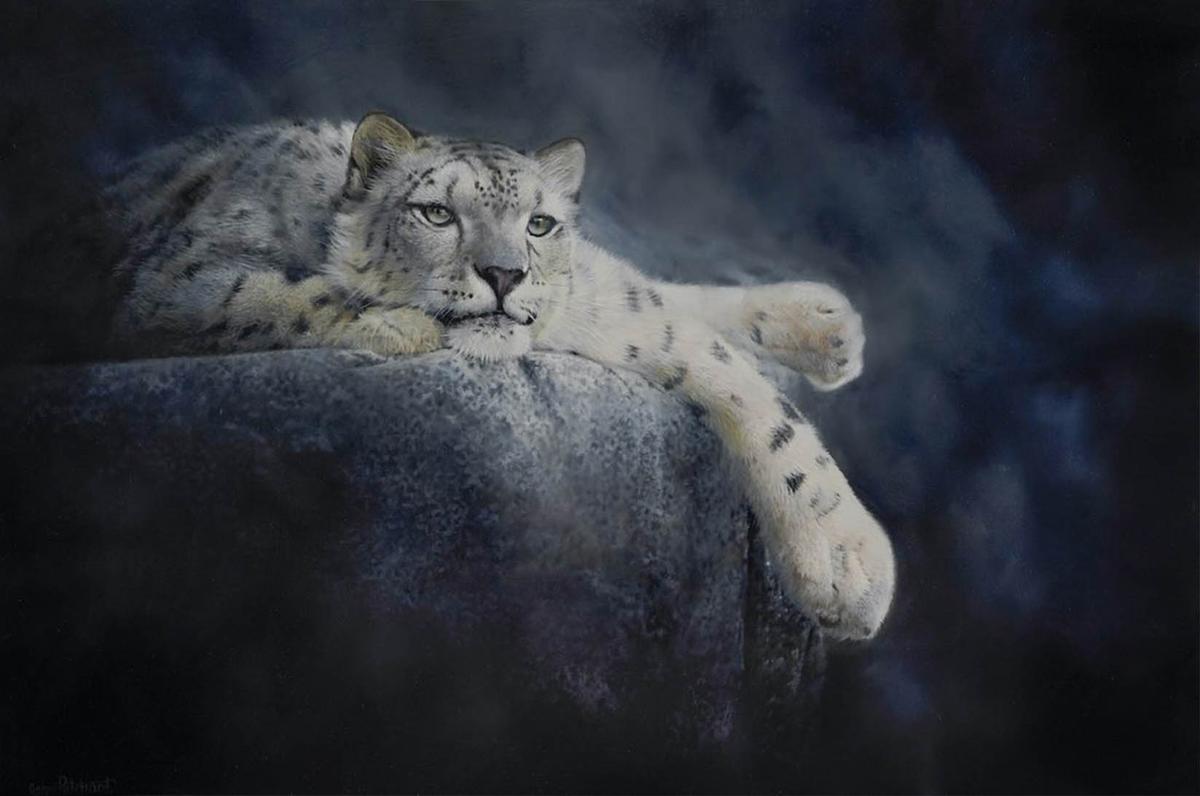
A big cat in repose. (Courtesy of Jean Pritchard)
A big cat in repose. Courtesy of Jean Pritchard
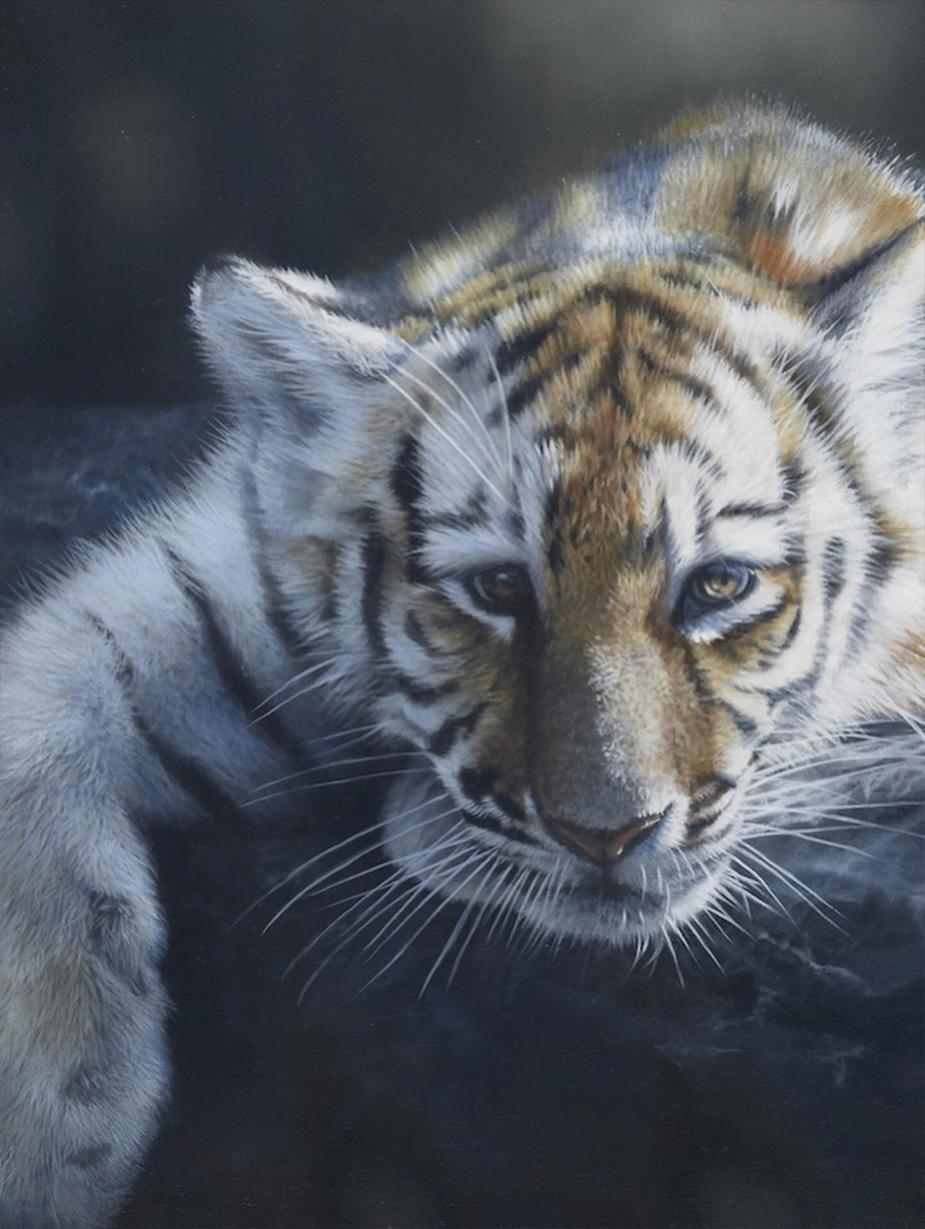
Painting of a young tiger lounging. (Courtesy of Jean Pritchard)
Painting of a young tiger lounging. Courtesy of Jean Pritchard

A snow leopard currently sits on her easel, confronting the viewer directly with a look of supreme composure. So far this year, Pritchard has finished a pair of white tigers that resulted from several excellent reference photos she found. Now she is “used to painting white fur.”

“People love the white tigers as they are so rare and face their own survival challenges,” she said.

Pritchard says she finds painting from photos that have been Photoshopped off-putting. She prefers old-fashioned techniques, though she’s becoming more tech-savvy in some areas. She used to teach art in person, but the pandemic forced her to teach online. She started using software like Procreate to generate preparatory sketches for future paintings more easily.

But she is selective about the technology she uses.

“I don’t like AI at all,” she said. “I think it’s spoiling art.”

Pritchard is now planning to show her work at busier art exhibitions farther south.
I am trying new ones further down towards London, going way out of my comfort zone!” she said. 
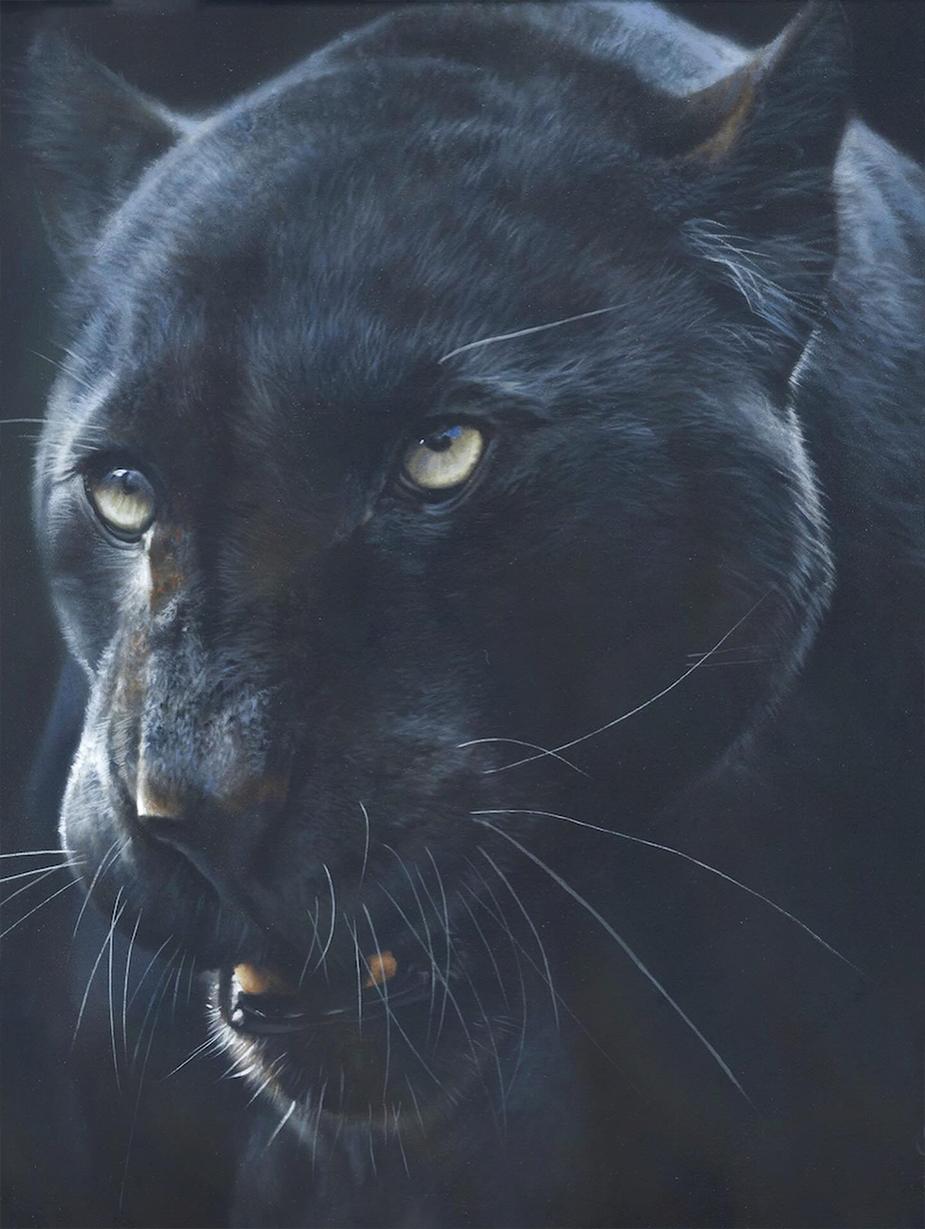
A black panther painted in oil. (Courtesy of Jean Pritchard)
A black panther painted in oil. Courtesy of Jean Pritchard
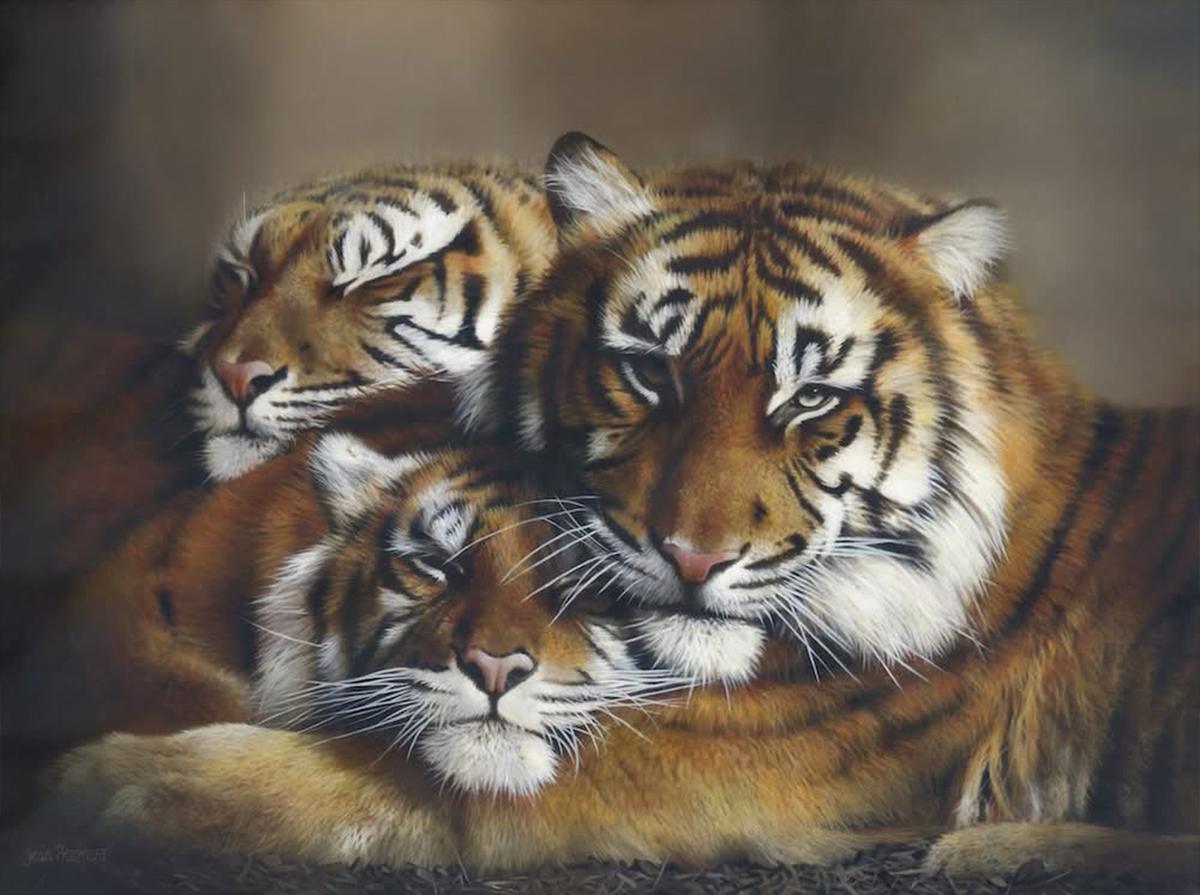
An oil painting of a family of tigers reclining. (Courtesy of Jean Pritchard)
An oil painting of a family of tigers reclining. Courtesy of Jean Pritchard
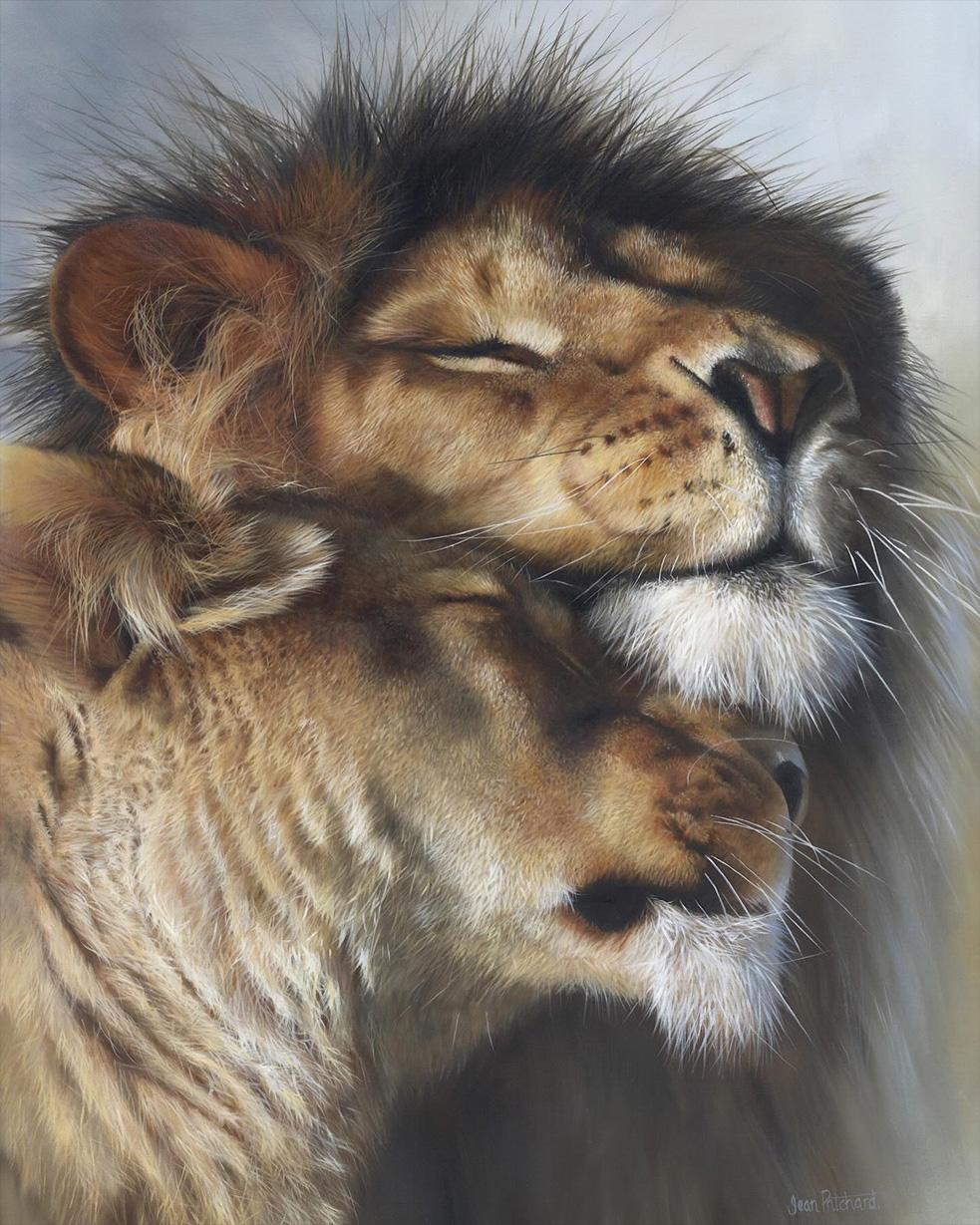
Portrait of a male and female lion. (Courtesy of Jean Pritchard)
Portrait of a male and female lion. Courtesy of Jean Pritchard
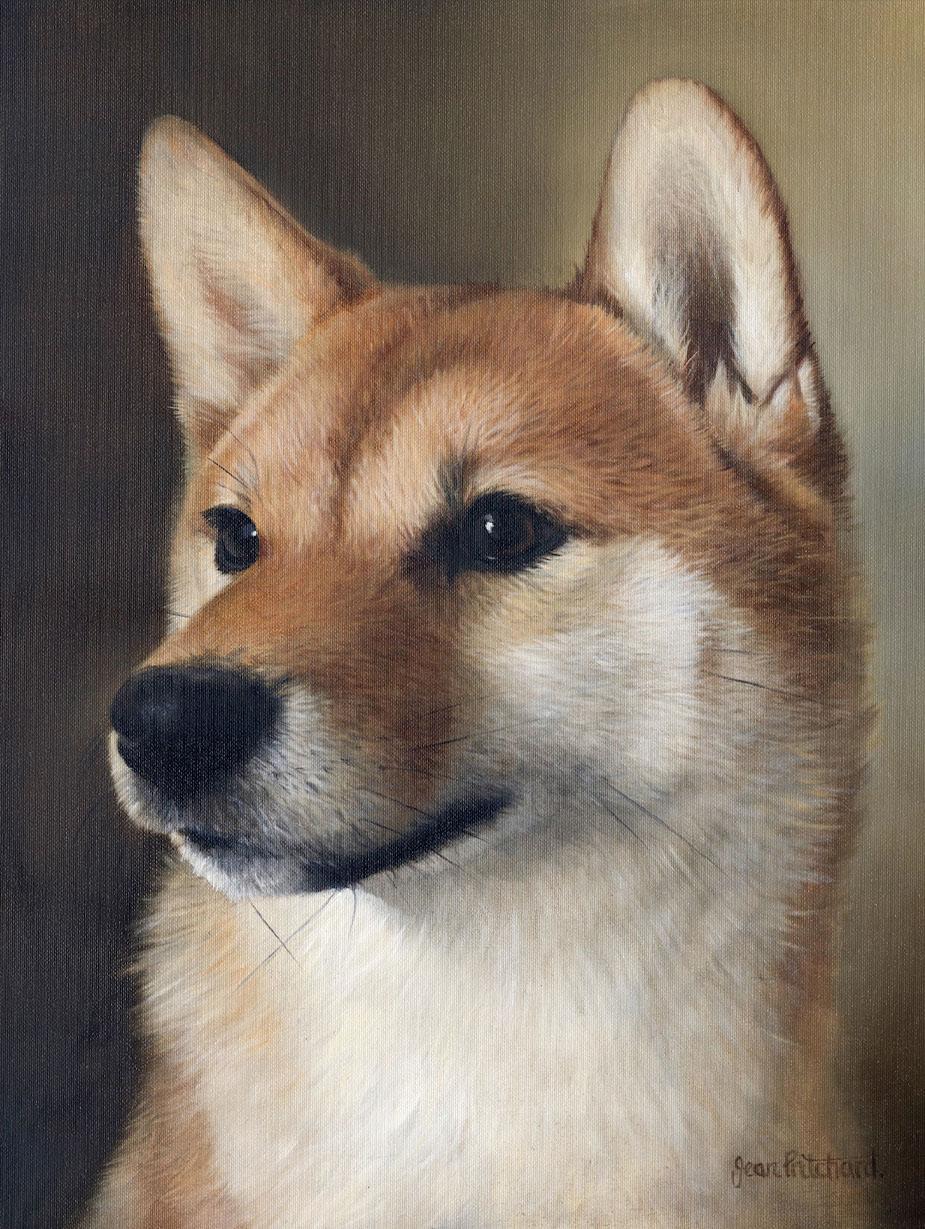
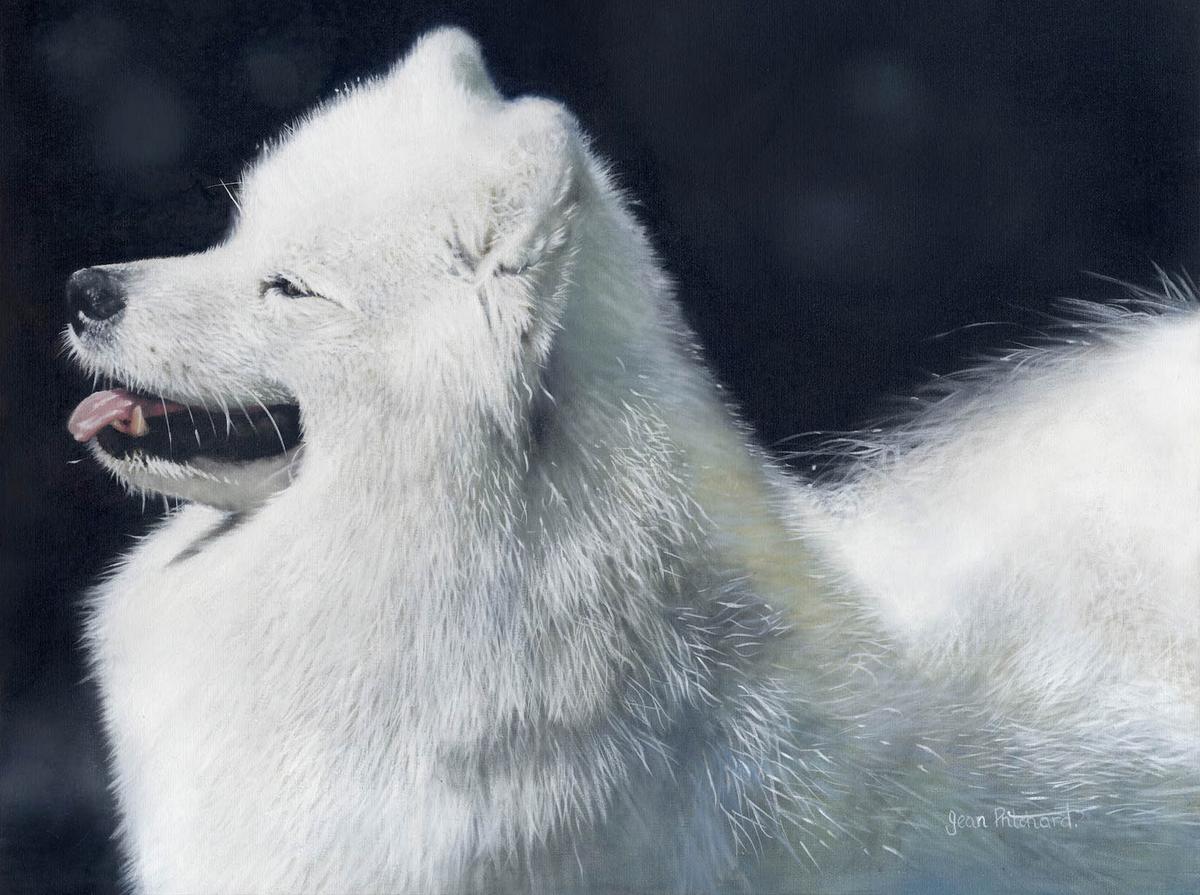
Pet portraiture by the artist. (Courtesy of Jean Pritchard)
Pet portraiture by the artist. Courtesy of Jean Pritchard
Painting of a dog basking in sunlight. (Courtesy of Jean Pritchard)
Painting of a dog basking in sunlight. Courtesy of Jean Pritchard
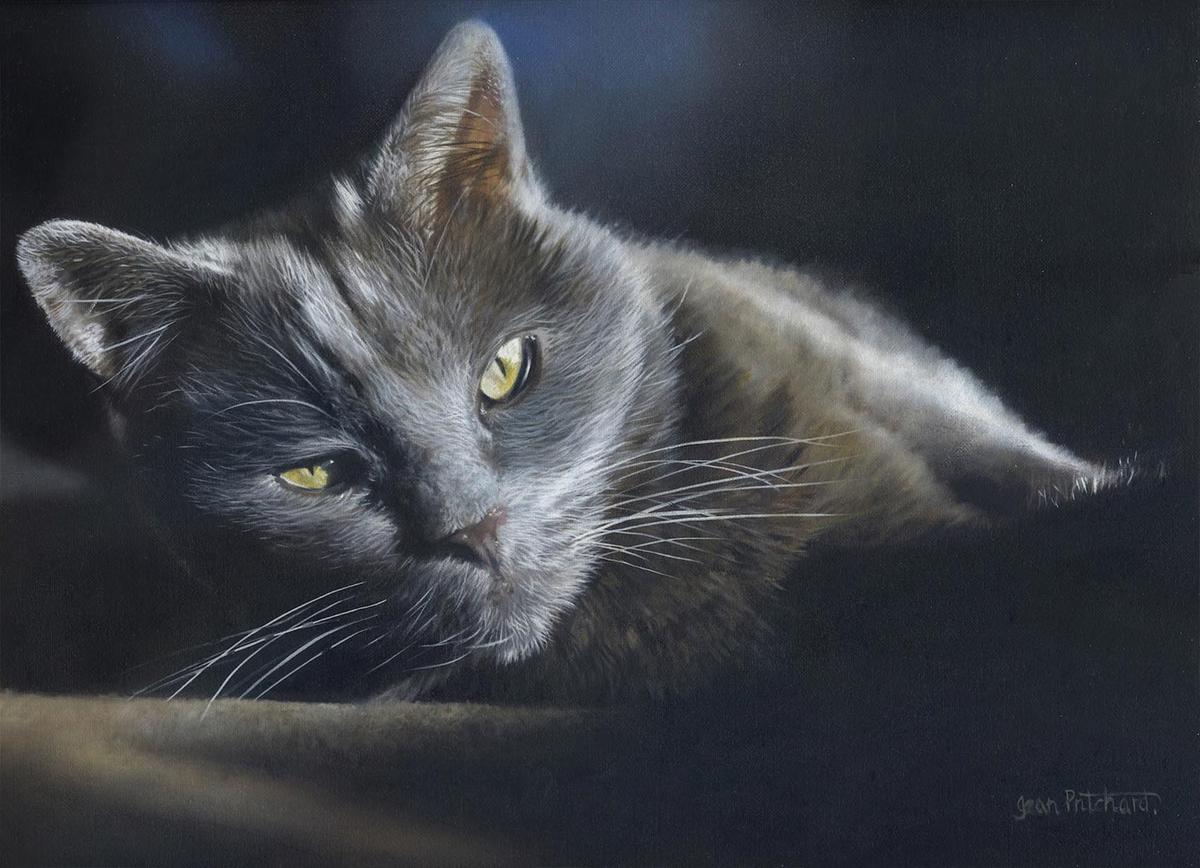
A small feline portrait. (Courtesy of Jean Pritchard)
A small feline portrait. Courtesy of Jean Pritchard
Google LogoMark Us Preferred on Google
Michael Wing
Michael Wing
Editor and Writer
Michael Wing is a writer and editor based in Calgary, Canada, where he was born and educated in the arts. He writes mainly on culture, human interest, and trending news.