If you want to have a successful family, don’t neglect the dimension of the extended family, experts say.
“The notion of an independent, self-contained nuclear family is supported by neither social science nor the Judeo-Christian tradition,” writes professor and researcher Anthony B. Bradley.
“One of the best ways a man can provide for his family is to do whatever is necessary to make sure his wife lives in the same city as her mother, assuming they have a good relationship,” he observes.
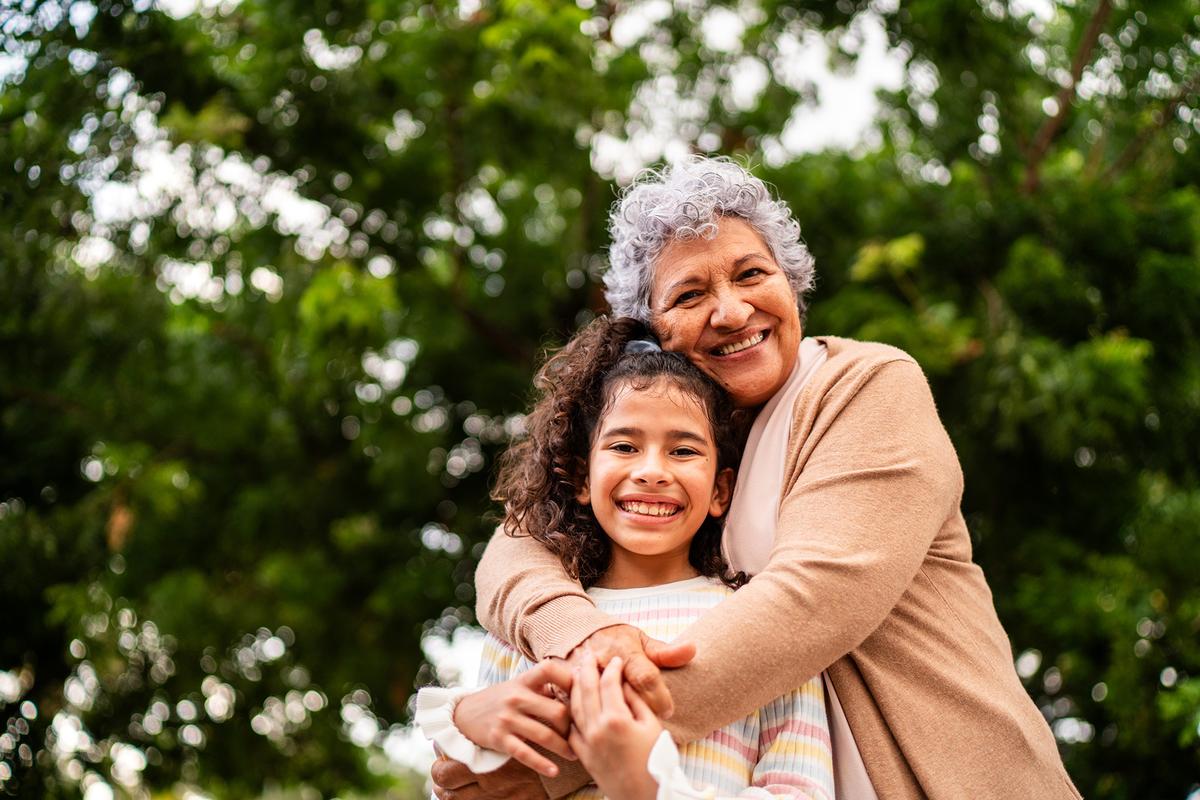
Next to the father, Bradley argues, the maternal grandmother is the most essential family member for the flourishing of both mother and child.
“While I have written before about the importance of fathers, the other essential familial role for thriving families is the grandmother, and having children within the same local context as a maternal grandmother is mission-critical if we want mothers and children to thrive,” he says.

Here is just some of the research that Bradley cites in support of his conclusion:
Maternal grandmothers have been found to offer critical support to new mothers during pregnancy and postpartum.
The presence of a maternal grandmother significantly reduces emotional and behavioral problems in grandchildren who have experienced adverse events.
In an overview of 45 studies covering every continent, the maternal grandmother’s involvement was found to improve child survival in 69 percent of the studies.
In a study conducted in southern Ethiopia, children with an accessible maternal grandmother were taller for their age and 25 percent more likely to survive past age 3.
Daughters with mothers nearby have children earlier, with shorter birth intervals, and more of their children live to adulthood.
Behind the Data
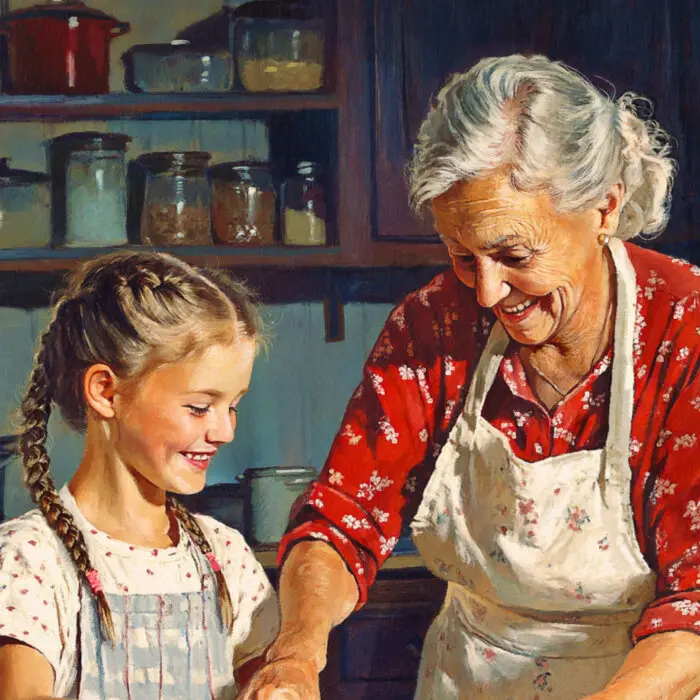
While there seems to be a special role for the maternal grandmother, all grandparents can exert a strong positive influence on growing families. Grandparents have wisdom acquired through the labor of long years, the undulating experience of success and failure, that they can impart to their children and grandchildren. Grandparents contribute in important ways to the development of the generations beneath them.
While usually not directly involved in the raising of young children (although that certainly happens, too), grandparents, at the very least, provide a kind of stable surrounding structure—a bulwark of memory, experience, kindness, quiet guidance, and sometimes even financial support—that protects and preserves the young family.
Of course, there are as many types of grandparents as there are people, and not all grandparents will fulfill these roles in the same way or to the same degree. Brotherson, Langerud, and Saxena outline five types or styles of grandparenting that show up in the research. Each has its distinct advantages:
Formal grandparent— This type of grandparent fills the role of family elder and holds set ideas, expectations, and traditions.
Fun-seeker grandparent—This type of grandparent is less formal and more playful.
Surrogate parent—This grandparent takes on the primary responsibility for childcare and raising the child.
Reserved grandparent—This type of grandparent stays more at a distance, interacting with the family more at major family occasions, such as weddings.
Wise grandparent—This grandparent dispenses advice, provides resources, and offers counsel.
Some grandparents will mix more than one of the styles or roles described above, of course, providing children and grandchildren with an even richer dimension of extended family life.
“A sage once remarked that the elderly slow down and stoop over so that they can see things as children once again, so that they can hold the hands of children who toddle along on inexperienced feet. That bug on the sidewalk, the snail under the cabbage leaf, the robin pulling the worm from the rain-moistened earth—these are the things small children and their grandparents notice.”
This is a beautiful encapsulation of the unique role that grandparents can play in their grandchildren’s lives—moving at their pace, stooping with them to see the world afresh, and at the same time lifting them up as they grow into the future they’re called to.