As of 2026, if you’re 50 or older and made more than $150,000 last year, any catch-up contributions you make to your 401(k) must go into a Roth 401(k) account with after-tax dollars.
That means you pay taxes on the money upfront instead of getting the usual tax break. Or, to put it another way, “This is one of those situations where something that feels painful in the moment ends up being incredibly beneficial long term,” says Rob De Lessio, Director of Lead Advisors at Strategic Wealth Designers.
The change, a result of the SECURE 2.0 Act, is part of recent retirement and tax legislation that highlights contributions to Roth accounts—and can affect how you plan for retirement.
Under the new rule, the IRS defines a high earner as a plan participant whose prior-year Federal Insurance Contributions Act (FICA) wages exceeded the Roth catch-up wage threshold, which will be adjusted over time to reflect changes in the cost of living.
Participants who earned more than $150,000 in FICA wages in 2025 are considered high earners for 2026. For 2027, you’re considered a high earner if you earned more than the threshold (likely a bit higher due to inflation) in FICA wages in 2026. Plan providers are required to begin implementing this change in 2026 and must be fully compliant by 2027.
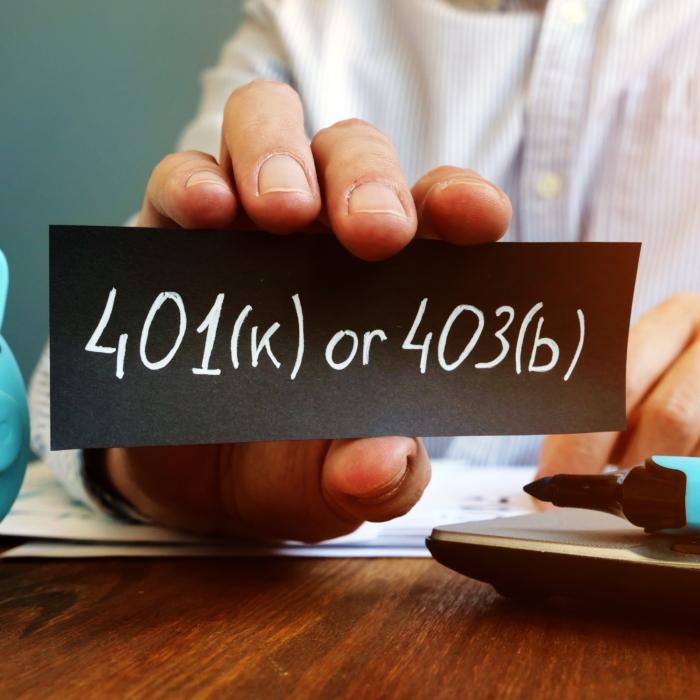

Why the New 401(k) Mandate Might Feel Like a Disadvantage
By contributing pre-tax dollars to a traditional 401(k), you lower your taxable income today. That extra $8,000 catch-up contribution for those 50 and over, or $11,250 in super catch-up contributions if you’re 60-63, can save you a tidy sum on this year’s tax bill, especially if you’re a high earner.With a Roth, you’ll miss out on the upfront tax deduction. So yes, this new rule may feel like you’re handing over more money today that you’d rather keep, but the trade-off in retirement may be worth it. Phillip Zagotti, JD, CPA, Founder, North Star Law Firm, drives the point home. “This is not just a revenue provision, it’s a nudge toward tax diversification for a group that has historically struggled to build Roth balances.”
Keep in mind, too, that this isn’t a one-year change. The forced Roth 401(k) catch-up rule is permanent and will apply every year going forward, with the income ceiling adjusted for inflation each year.
Key Benefits of the New Roth Rule
The payoff of a Roth comes later—and it can be huge. By paying taxes on catch-up contributions now, you’re unleashing decades of tax-free growth. Every dollar of earnings in your Roth account can compound year after year without the IRS taking a cut.With a traditional 401(k), you’ll eventually pay taxes on both earnings and contributions when you withdraw in retirement. With a Roth, once you’re 59½ or older and the account is at least five years old, it’s all yours tax-free. So, over 10, 15, or even 25 years, that difference can add up to tens or even hundreds of thousands of extra dollars in retirement.
“While the idea of paying taxes upfront deters some investors, it’s literally and figuratively considered a small price to pay for financial freedom down the line,” says Daniel Gleich, Board Member & Shareholder at Madison Trust Company. “Aside from sidestepping required minimum distributions and performing qualified withdrawals tax-free during retirement, there are other advantages that may seem more valuable to those opposed to this forced Roth rule.”
For one, investors who roll over their Roth 401(k) dollars into a self-directed Roth IRA may reap certain benefits that would otherwise be inaccessible.
“For instance, they can pair tax-free growth with typically tax-inefficient assets like real estate or cryptocurrency,” Gleich says. “Having their retirement account structured as a Roth shields their gains from taxation. In turn, this has the potential to result in exceptionally positive long-term outcomes in retirement.”
- Tax-free growth and withdrawals. All earnings on those contributions grow tax-free, and qualified withdrawals in retirement are completely tax-free.
- No Required Minimum Distributions (RMDs). Roth 401(k)s are not subject to RMDs during your lifetime, so your money can keep growing.
- Protection against future tax increases. You pay taxes at today’s rates on the catch-up amounts. If tax rates rise in the future or you stay in a similar or higher bracket in retirement, this can be a significant advantage.
- Stronger inheritance. If you pass the Roth 401(k) on to your heirs, they can withdraw the funds tax-free over 10 years. This is often more valuable than inheriting a traditional 401(k) that comes with required distributions and income taxes.
Who the New Roth Rule Really Helps
This change mostly affects higher earners who are already in a good spot to save aggressively in their 50s and 60s.“High earners may avoid contributing to a Roth due to having to pay the taxes while in a higher tax bracket during their working years, whereas they can get the tax break now by lowering their taxable income,” said Cynthia Pruemm, founder and CEO of SIS Financial Group.
She warns that overlooked future RMDs can bump retirees into a higher tax bracket and spark IRMAA surcharges. “This means that they will be paying more for the Medicare Parts B and D premiums.”
She says the new 401(k) rule is a positive in that it forces individuals to create an additional tax-free bucket. Five years after a contribution is made (provided other qualified distribution requirements are met), capital gains are tax-free. “And besides, it’s just smart planning for the future.”