I had the great privilege of spending one hour being coached by Dalton Baldwin (1931–2019), one of the world’s great accompanists. He not only played the piano like a god, but he was an excellent teacher of the nuances of vocal literature. He coached me on the beautiful Berlioz song cycle, “Les Nuits d’été.” As a dedicated, but unknown singer, I feared his demeanor would be professional but indifferent. The opposite was true. His immediate absorption of the essence of my voice and singing was stunning, his teaching, profound.
Make no mistake, a good accompanist does far, far more than just play all the right notes. The best of them have an intimate, thorough knowledge of the musical repertoire being performed, the ability of the singer or instrumental soloist they are accompanying, and the laser focus and skill to adapt tempo, dynamics, and tone color to what that soloist is doing, even if it’s a surprise.
And there are always surprises. Occasionally, the singer makes a last-minute request that the accompanist transpose the song, which means to change the key to make the song lower or higher. Not many pianists can make that technically tricky adjustment on the spot—or with little notice. The great accompanists can—and do. An accompanist is a collaborator, a teammate. In some circumstances, a fine accompanist is the soloist’s savior.
Student soloists learn this early on while they’re studying at universities. Everyone wants the expert accompanist, who is solid as a rock at the keyboard and can cover for a soloist’s memory lapse by quietly feeding them a lyric—whether in English, French, or German—push the tempo faster, or gently pull it back. This is especially welcome in a performance test called a jury when the audience is made up of adjudicating professors.
The Gold Standard
Martin Katz (born 1945), dubbed “the gold standard of musical accompanists” by the New York Times and named the “Collaborative Pianist of the Year” in 1998 by Musical America Worldwide magazine, is one of the great accompanists who sits on the pinnacle of this largely unsung, little-lauded profession. He has accompanied some of the greatest performers, all of whom know his worth. “Even when I’m standing alone on the concert stage, Martin Katz is there at the piano and it’s the combination that makes the success,” said opera singer Marilyn Horne in her book, “Marilyn Horne: My Life.”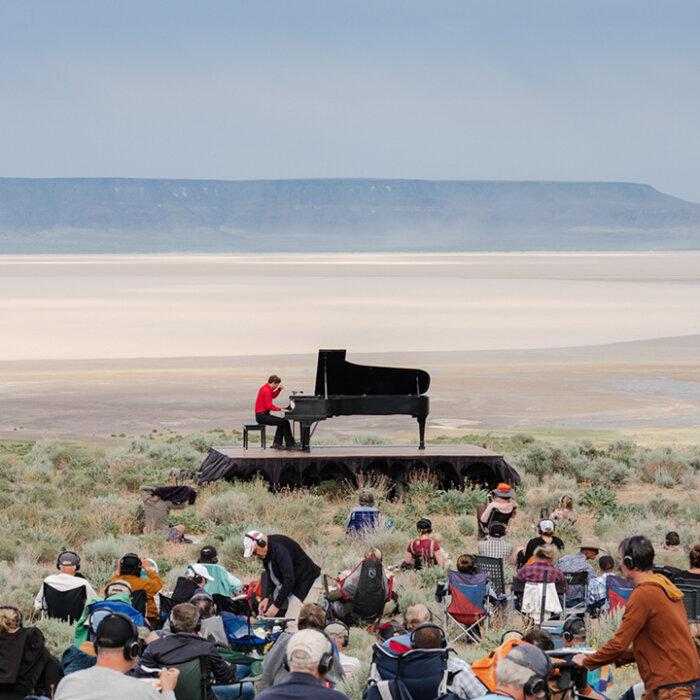
‘Prince of Accompanists’
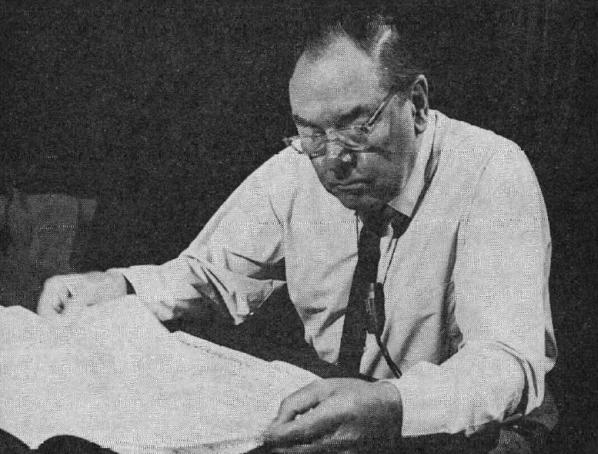
He considered having “an ear for balance” and artistry the most important qualities for his art. A London Times critic noted “that artists who performed with him found ’their voices or instrumental tone given an extra dimension or, to change the metaphor, their black-and-white photographs mysteriously transformed into color.'”
Artists he played for included the great German art song singer Dietrich Fischer-Dieskau, lyric soprano Elisabeth Schwarzkopf, soprano Victoria de los Angeles, and cellist Pablo Casals. Additionally, he was a man of great wit and comedic timing.
Moore authored books including “The Unashamed Accompanist,” “Am I too Loud?: Memoirs of an Accompanist,” “Farewell Recital: Further Memoirs,” and “Furthermore: Interludes in an Accompanist’s Life.”
Pavarotti’s Partner
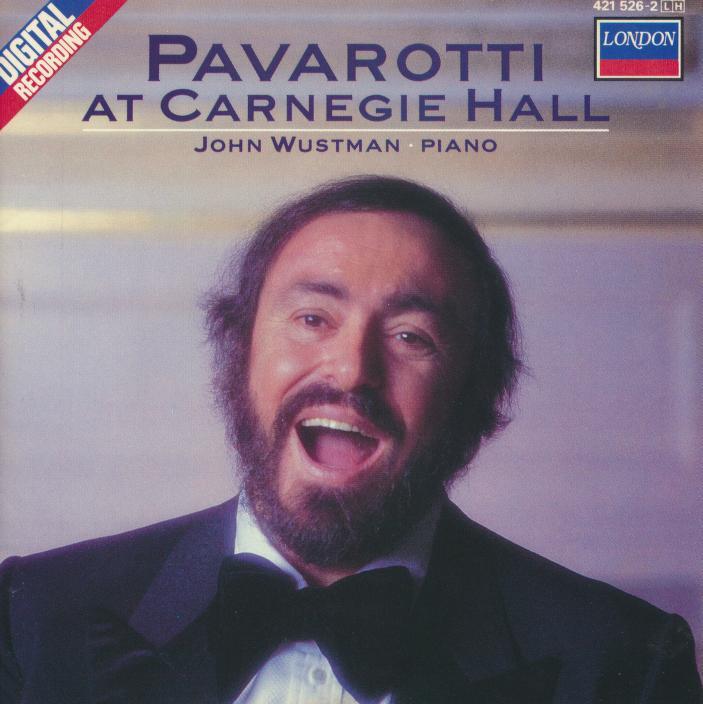
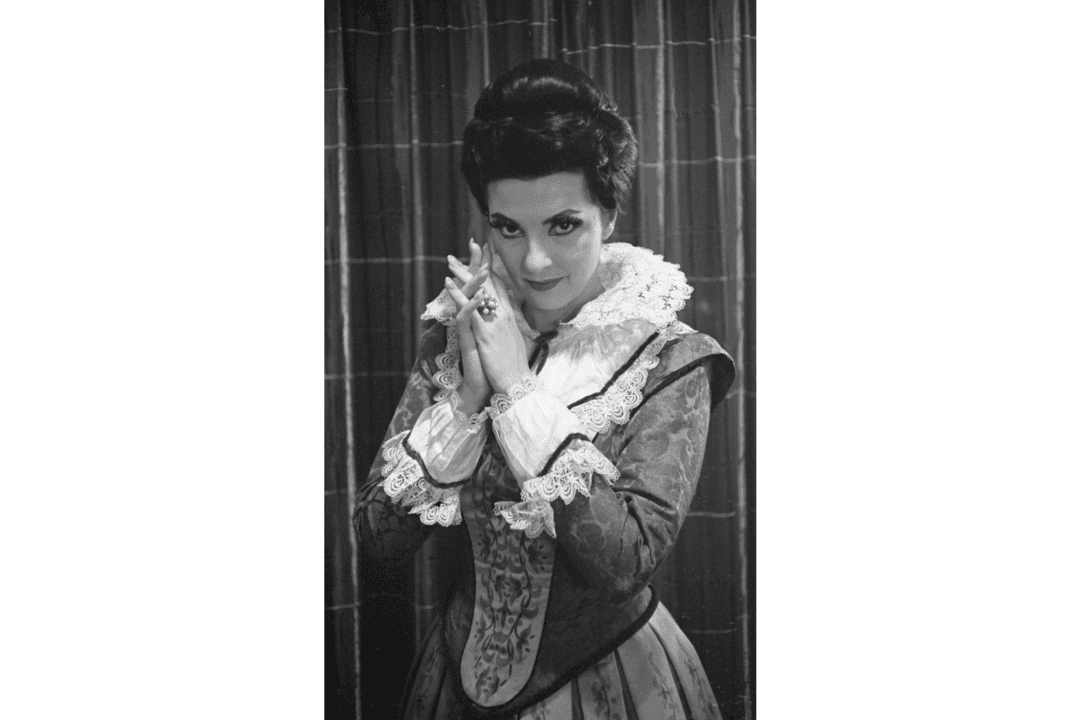
Wustman and Pavarotti’s collaborations included an acclaimed 1978 recital at the Metropolitan Opera House, which was followed by a decade of televised recitals. Tenor Richard Tucker, baritone William Warfield, soprano Eleanor Steber, and mezzo-soprano Jennie Tourel are among the long list of great artists with whom Wustman collaborated. His performance with Russian mezzo-soprano Irina Arkhipova won the 1973 Gran Prix du Disque, for their legendary recording of Mussorgsky’s “Songs and Dances of Death.” He received a 2007 The World of Song Award, presented by the Lotte Lehmann Foundation.
Unequal Treatment
Dalton Baldwin’s playing in a recital “was worthy of a review all his own,” New York Times critic John Rockwell wrote of Baldwin’s 1978 performance with soprano Elly Ameling. Rockwell continued, “This was piano playing of a lyrical and dramatic sympathy and rhythmic energy that superbly partnered the singing.”Baldwin began his training at Juilliard, then he studied at the Oberlin Conservatory of Music. He studied with the great music composition teacher Nadia Boulanger, then, in 1954, he began playing for French baritone Gérard Souzay, who was considered a great interpreter of French mélodie, or art song.