NR | 1h 49m | Drama | 2010
Korean dramas, or K-dramas, operate with a kind of calibrated human insight that almost feels scientific. Viewers who aren’t familiar with these films might expect something ordinary, only to discover that what they’re watching has been subtly rearranging their breathing patterns.
Before long, the viewers are reaching for water as if the screen has been siphoning it away through their tear ducts. The craft lies in timing and restraint, allowing everyday warmth to open the door before the good ol’ tear faucets turn on.
It isn’t necessarily manipulation for its own sake but rather being closer to an understanding of how people actually process love and loss in compressed form.
A Narrowing Window
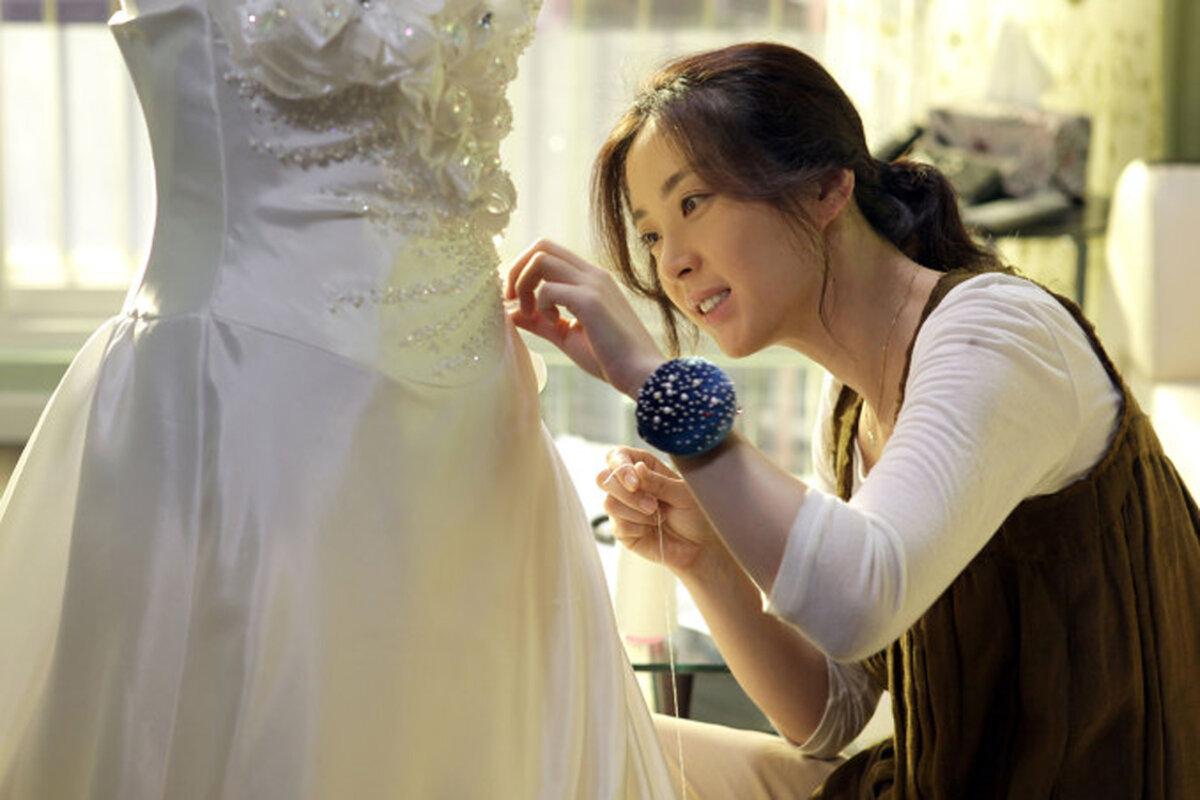
Ko-woon (Song Yun-ah) works as a wedding dress designer while raising her young daughter, So-ra (Kim Hyang-gi), alone. Early scenes frame Ko-woon as distracted and unreliable, especially during a painful moment when she fails to pick So-ra up from school on a rainy afternoon after a wedding order collapses at work.Because of Ko-woon’s frequent absence, So-ra spends much of her time at her aunt’s (Jeon Mi-seon) home. The opening act allows viewers to experience the growing distance between them from the child’s perspective, as well as her mother’s hectic daily work life.
As the story unfolds, Ko-woon alters her routines in ways that feel jarring. She becomes more present and increasingly focused on shaping her daughter’s days. The change creates confusion before it brings comfort, inviting the audience to question her motives and timing. The truth behind her urgency emerges gradually, reframing earlier moments without softening their impact or asking forgiveness on her behalf.
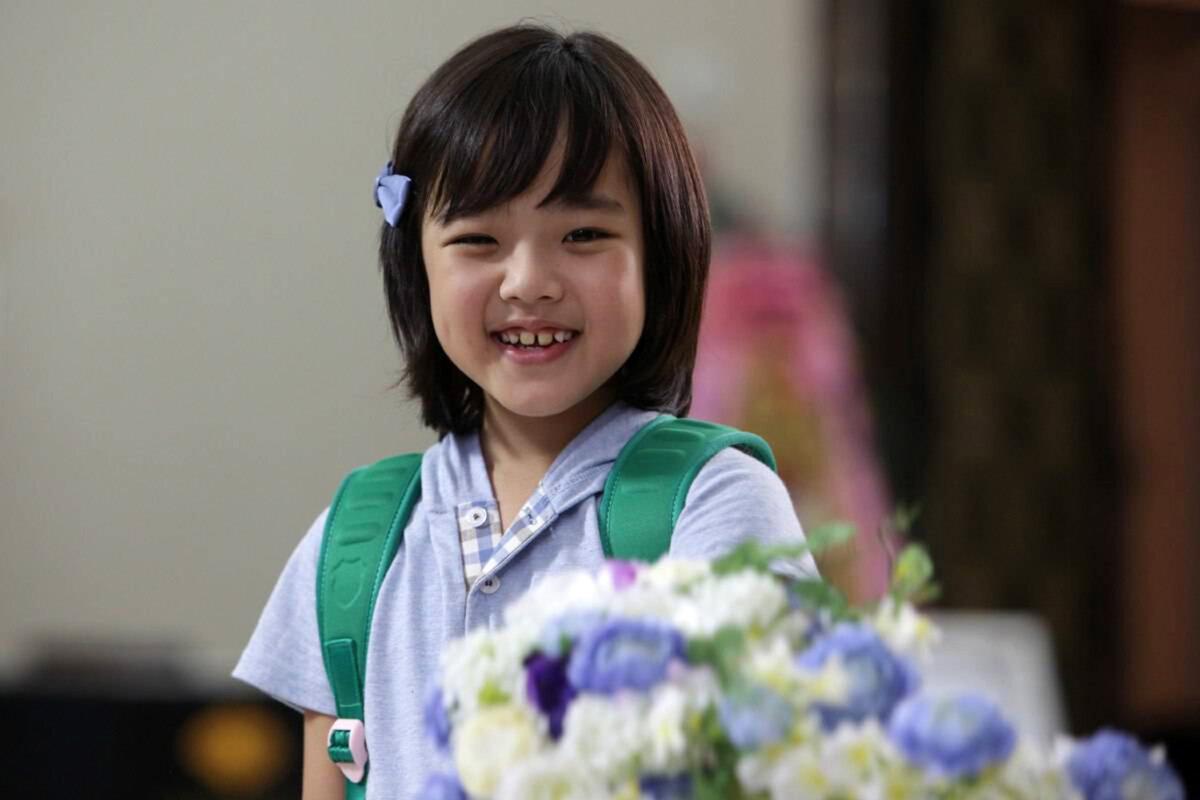
Ko-woon’s surge of attention arrives late yet shows how care reveals itself through effort instead of apology. The connection between mother and daughter adjusts under strain, shaped by attempts to mend habits and expectations that have been built up over the years.
What Remains With Us
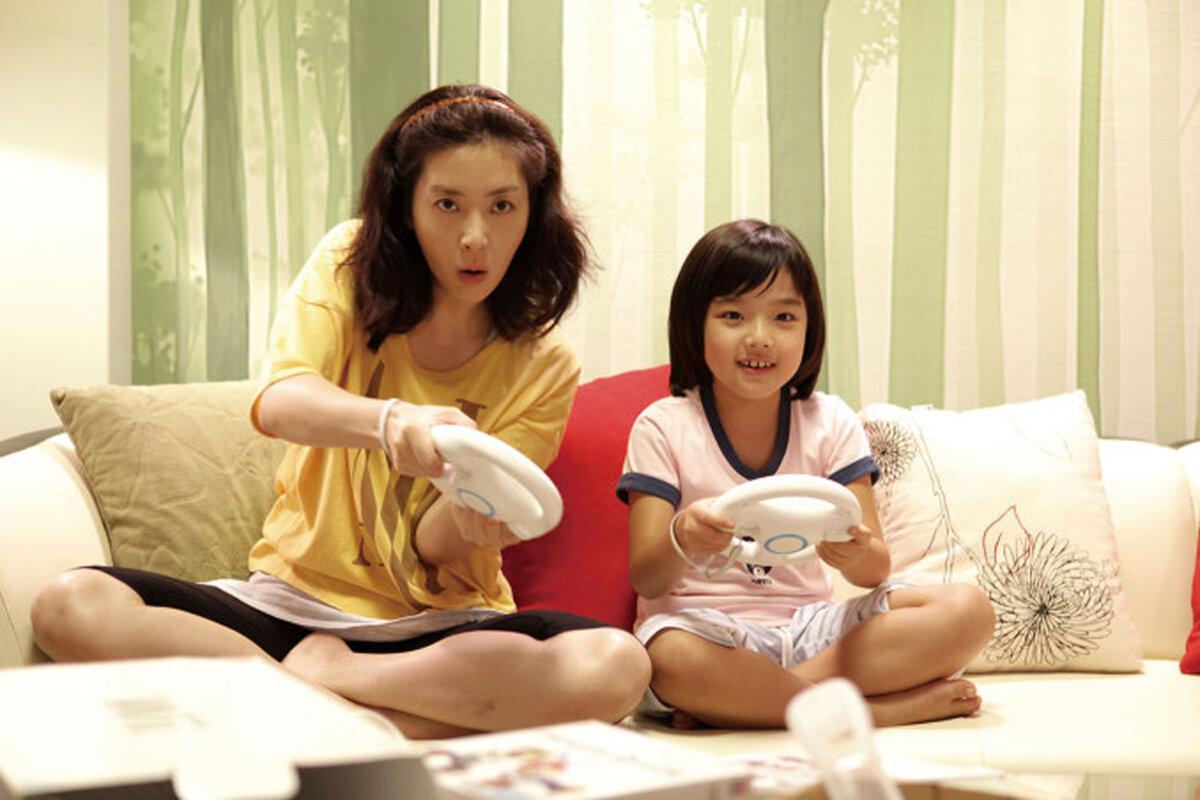
Some scenes which are sure to cause teary eyes include when Ko-woon struggles to make homecooked meals for So-ra and when the daughter finally takes on the ballet lessons she has been avoiding.
The film shows a child’s limited understanding of adult reality. So-ra moves through events that are baffling to her, while the audience carries the fuller picture. That separation becomes central to the experience.
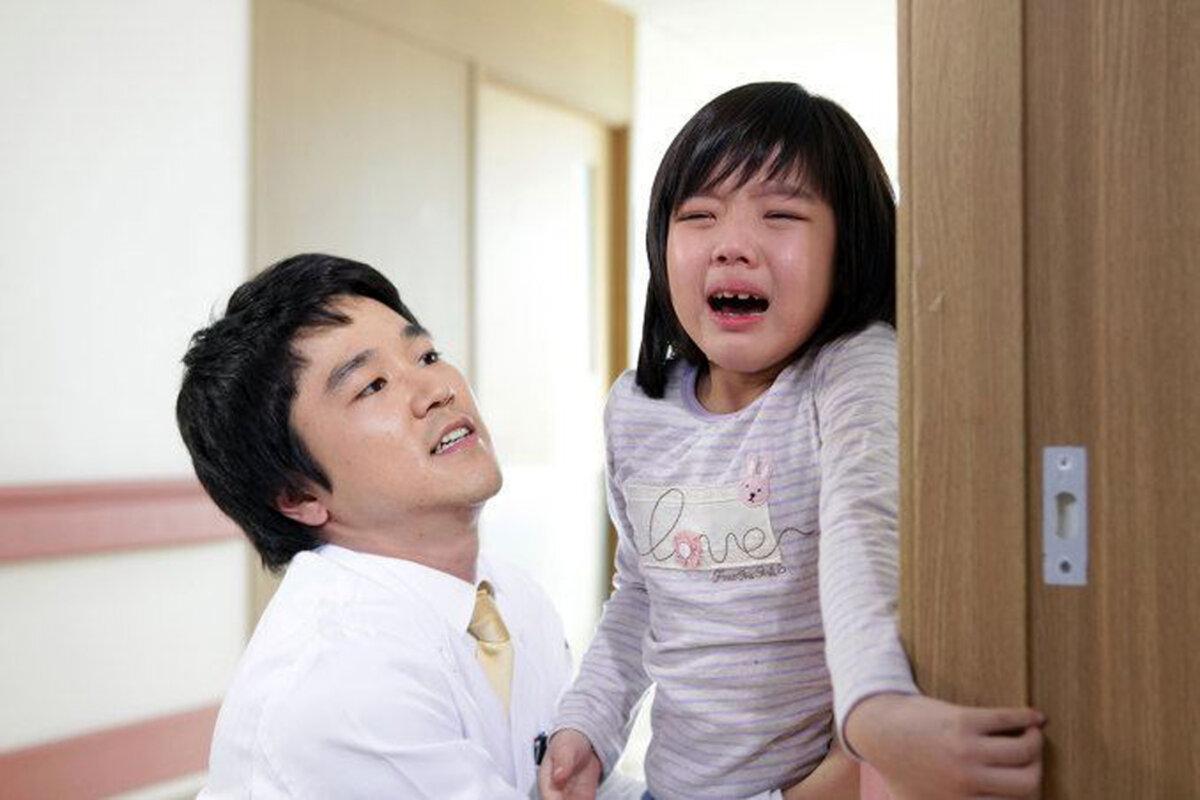
One of the film’s strongest qualities is how it encourages viewers to reconnect with people they may take for granted. It places time, attention, and absence side by side and lets the meaning surface on its own.
Jeon Mi-seon’s performance as the aunt supports this theme through the consistency and care she provides for So-ra. She embodies the adult who remains present without drawing attention, providing reassurance through routine and reliability.
Her scenes suggest that guidance does not disappear when circumstances change. It continues through habits, tone, and example, shaping a child’s path in ways that aren’t immediately recognized yet endure over time.
This film made me feel the urge to reach out, to show up sooner to family events, and to treat shared time with loved ones as something chosen and active, rather than assumed.