Antonio Vivaldi (1678–1741) is considered to be one of the Baroque era’s most influential composers. And during the late baroque period spanning the first half of the 18th century, he penned the piece that ensure his legacy. The master violinist composed more than 800 musical pieces over his professional career, including around 500 concertos, but one set of concertos continues to stand out centuries after its debut. The Venice-born virtuoso broke classical ground with “The Four Seasons,” four concertos that, when played together, mimicked the weather and nature.
It was a foundational example of an image-driven format known as programmatic music. Audiences hadn’t heard anything like it before. The argument could be made that audiences haven’t heard anything like it since.
Timeless Concertos and a Groundbreaking Format
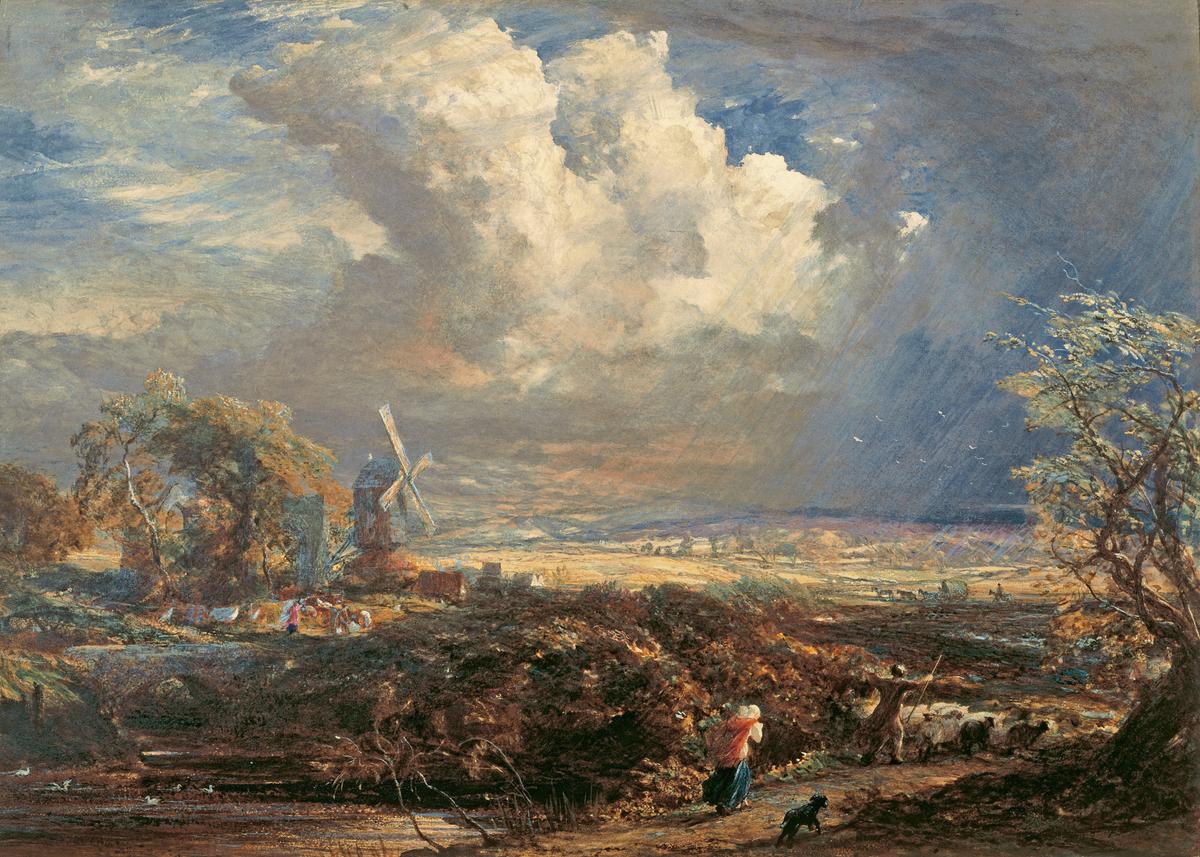
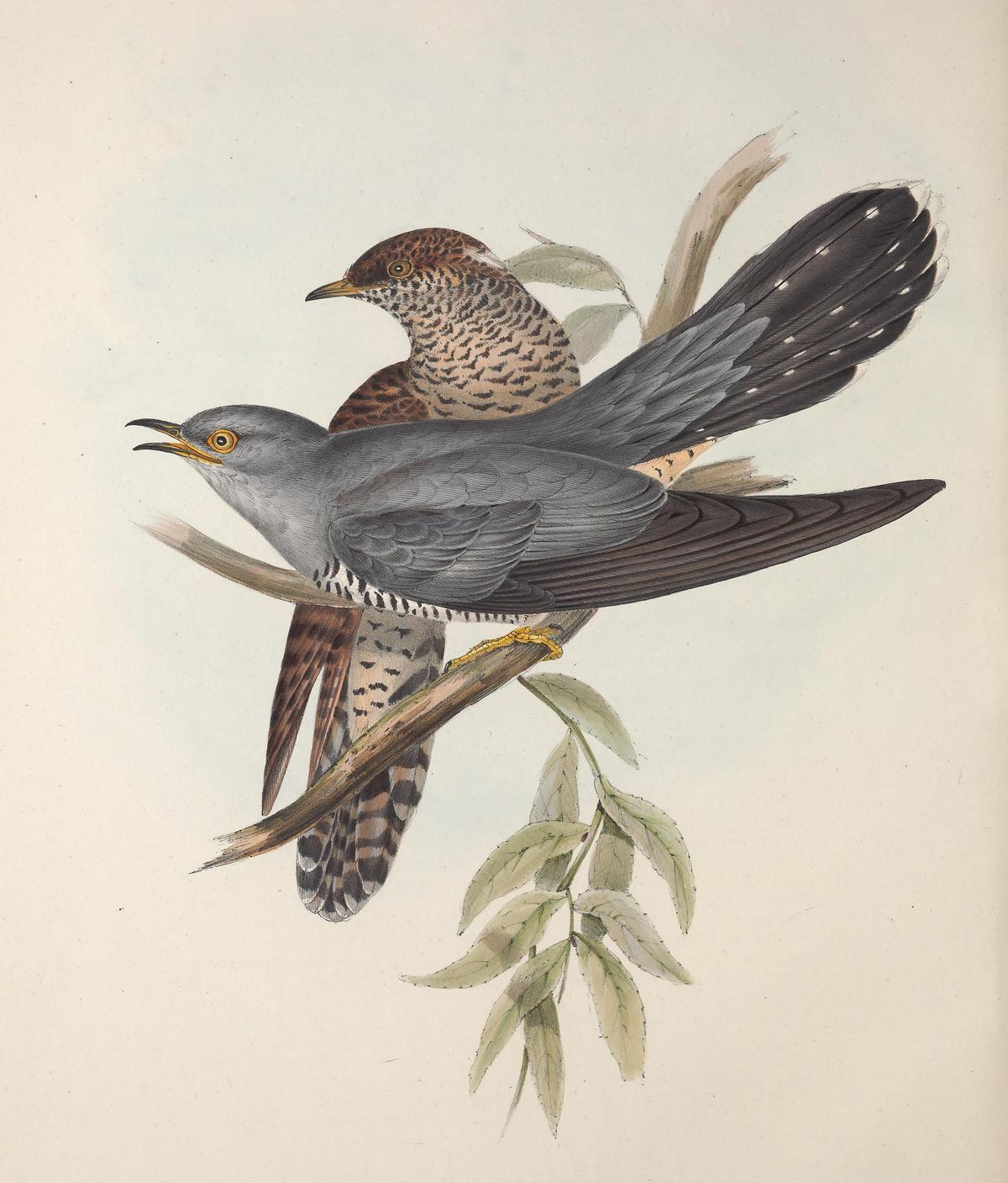
The opening movement of “Summer” signals a distant thunderstorm, with the calls of birds offering a temporary calm. Notes in the key of G minor hold tension that builds over the concerto’s 11 minutes. The dancing violin first plays the part of a singing bird, then a buzzing insect. The entire orchestra, from the harpsichord and cello to the viola and violin section, bands together, using lightning-fast bowing to convey lightning strikes and thunder. Over three distinct sections known as “movements,” listeners may reach for a cold glass of water as Vivaldi captures the harsh summer weather musical form and makes it beautiful.
Vivaldi pioneered the three-movement format, which was meant to be played in a fast-slow-fast style, and he used it in each concerto of “The Four Seasons.” He also helped pioneer programmatic (or program) music, a type of instrumental work that uses the bond between instrument and melody to convey a detailed narrative. “The Four Seasons” is one of program music’s founding documents.
A Baroque Renaissance
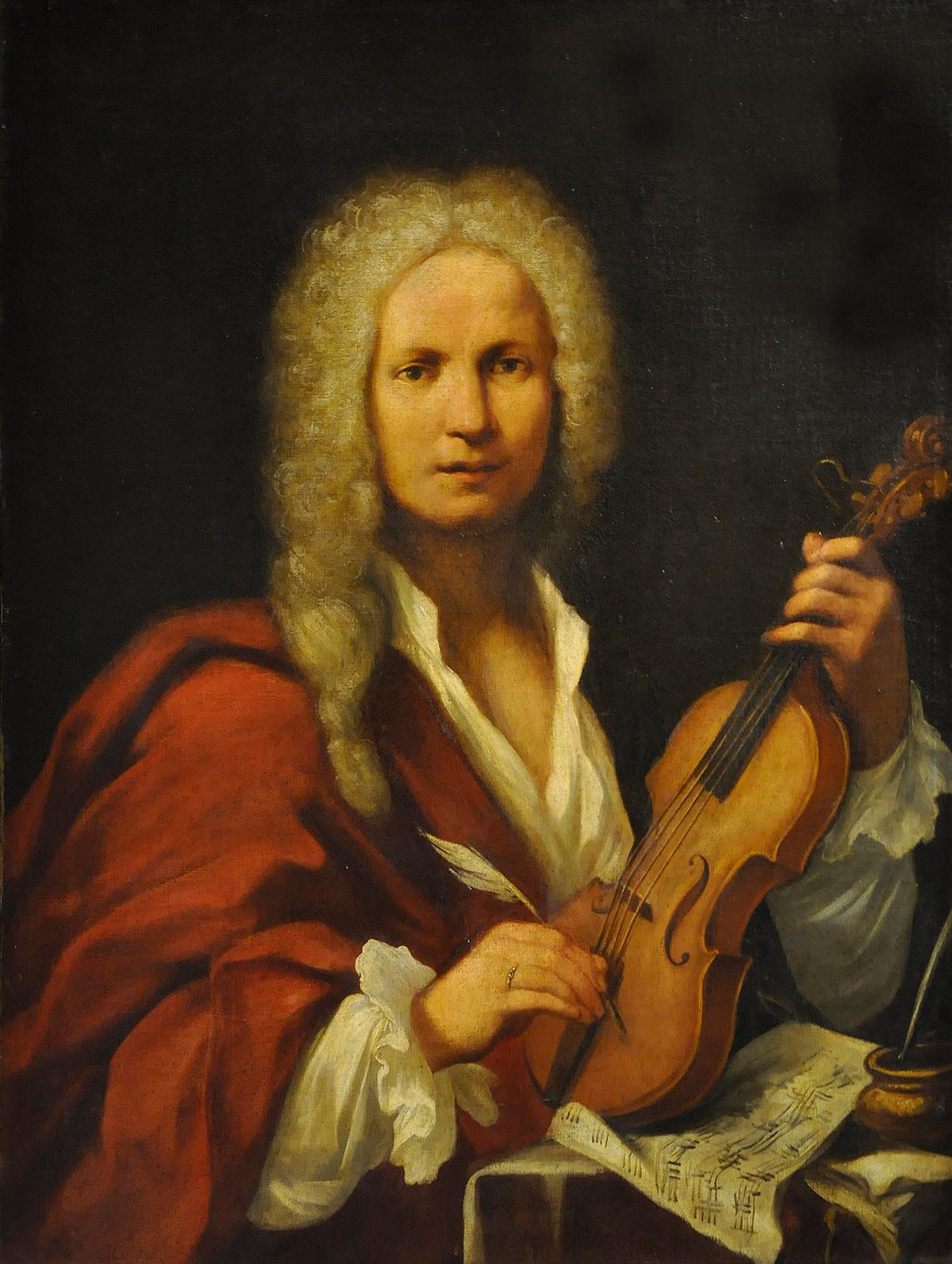
Before Vivaldi’s success with “The Four Seasons,” he was ordained a Roman Catholic priest in 1703. Though paintings often show the composer donning a powdered white wig popular at the time, his natural hair was a bright shade of auburn, earning him the nickname “Red Priest.” He wrote some of his most famous works, like the spiritual “Gloria,” while composing for the Ospedale della Pietà, a conservatory and orphanage for girls, and as director of music for royalty and nobility spanning Europe.
Vivaldi’s musical output covered three decades beginning in the early 1700s and his work was so admired, even greats like Johann Sebastian Bach considered Vivaldi a chief influence. But by 1740, the Venetian composer’s dynamic and theatrical classical style fell out of fashion, and it would stay that way for over a century. Finally, in the early 20th century, a renaissance came.
“The gradual revival of Vivaldi’s music from that time was at first of interest to musicologists because of its influence on Bach, who had studied it and transcribed a number of the concertos for harpsichord,” Pearlman explained. “Although ‘The Seasons’ were not among the concertos that Bach transcribed, they soon came to public attention as the Vivaldi revival continued.”
In 1942, Italian conductor Bernardino Molinari led the Orchestra of the Academy of Santa Cecilia for the first commercial recording of “The Four Seasons.” Several years later, the introduction of vinyl LP records helped the concertos gain widespread popularity once again.
Today, the opening notes of his “Spring” concerto can be heard as a standalone melody in television advertisements and films. But the “Summer” concerto acts as an action-packed chapter with a dramatic finale that sets the tone for the entire “The Four Seasons” work. Its fervent orchestration reminds listeners, even during the year’s coldest months and shortest days, summer is only one concerto away.