NR | 1h 53m | Biography, Drama, History | 1952
Few Hollywood films from the 1950s feel as stylistically ambitious and ideologically tangled as “Viva Zapata!” On paper, it’s a powerhouse: Elia Kazan directing, John Steinbeck writing, Marlon Brando starring.
The goal is clear: to elevate the story of Mexican revolutionary Emiliano Zapata into something timeless, operatic, and morally relevant. But for all its artistic muscle and intent, the final result doesn’t always work as a whole. It’s a film that feels both urgent and distant.
The tension comes from the film’s split personality: part historical biopic, part political parable. Kazan and Steinbeck seem genuinely interested in portraying Zapata as a man torn between the purity of revolution and the seduction of leadership. That idea sometimes gets buried under stylistic restraint and narrative simplification.
Marked Man, Rising Rebel
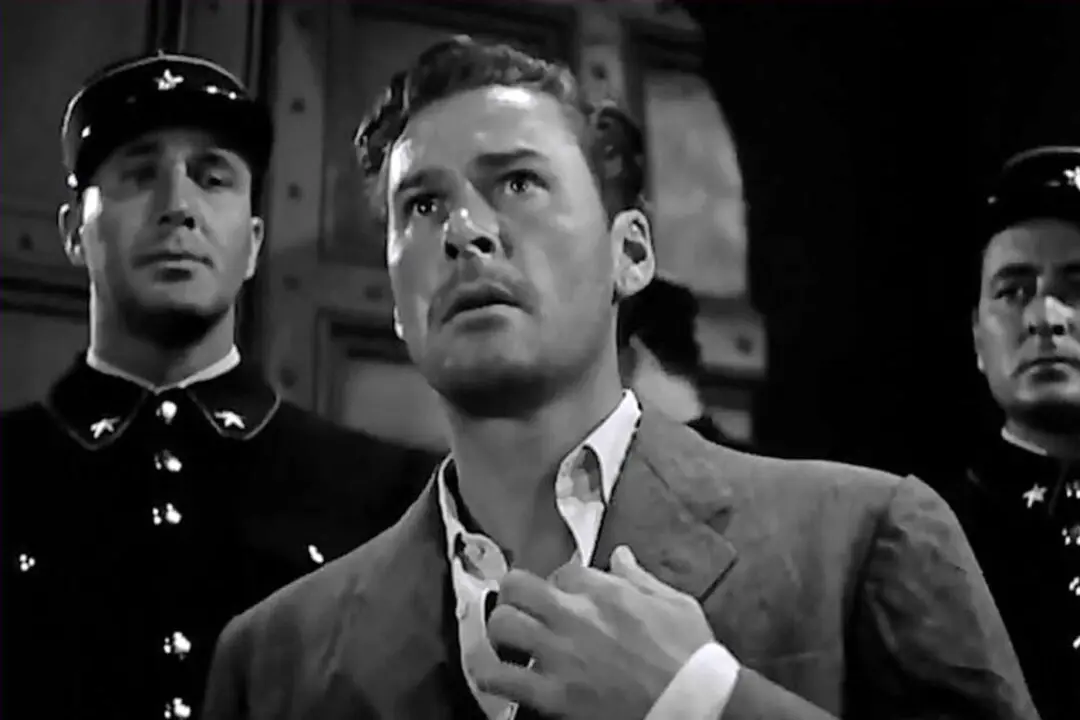
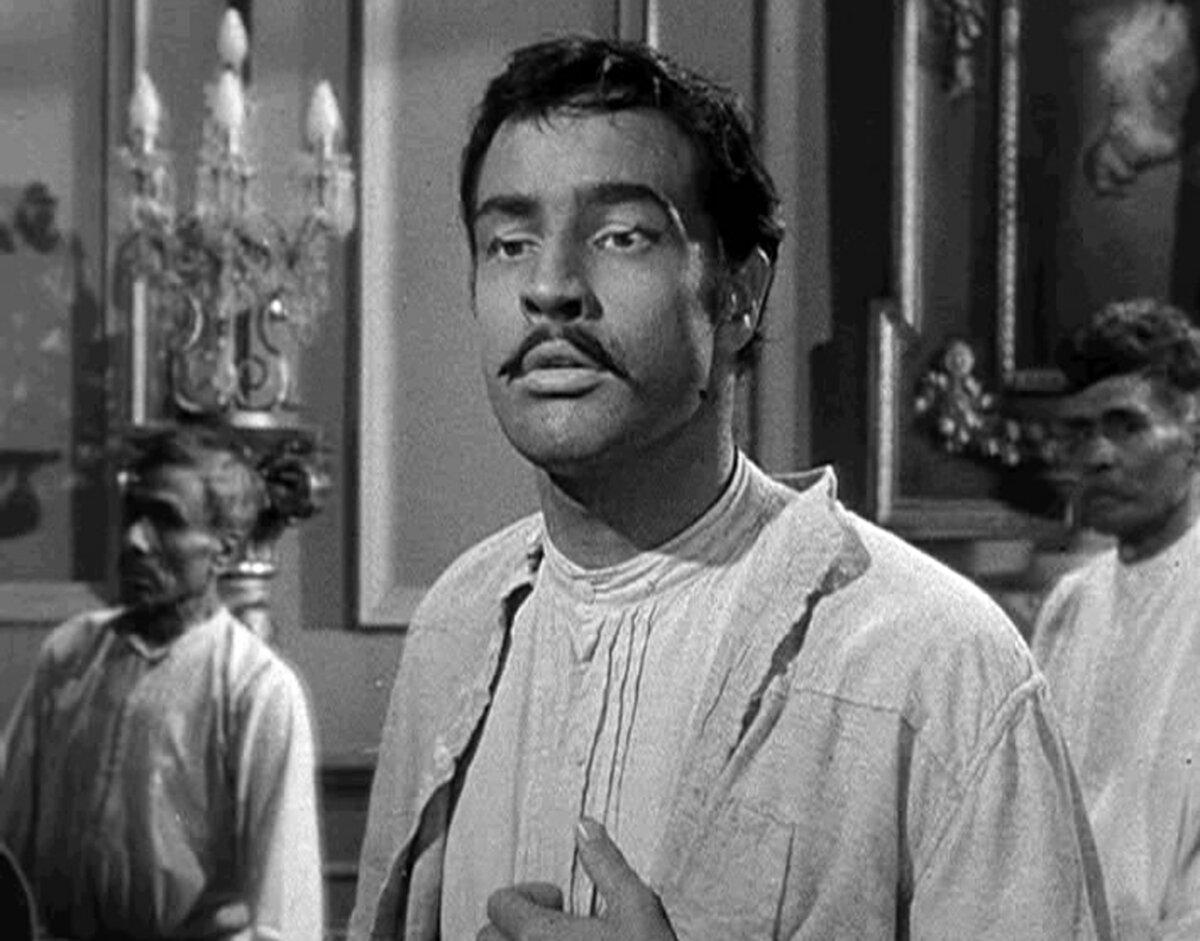
It all begins not with a battle, but a humble plea. A group of campesinos (farmers who work for landlords) from the southern Mexican state of Morelos travels to Mexico City to petition President Porfirio Díaz for help. Their ancestral land has been seized by wealthy hacendados (elites), and they’ve been beaten or killed for resisting.They come humbly, hoping for justice. Emiliano Zapata (Brando) is among them, quiet, serious, watching. He lingers behind as the others are dismissed, and in a moment of courage, challenges Díaz directly: “What will you do to stop this?”
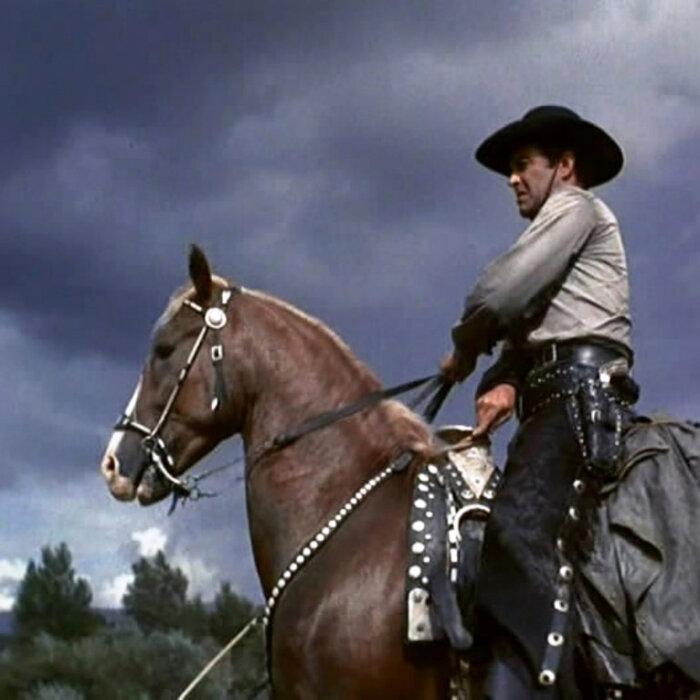

Díaz acts like he takes Zapata’s concerns seriously but then circles his name on a list. It’s a small gesture, almost invisible, but in Mexico it means the individual is marked and considered dangerous.
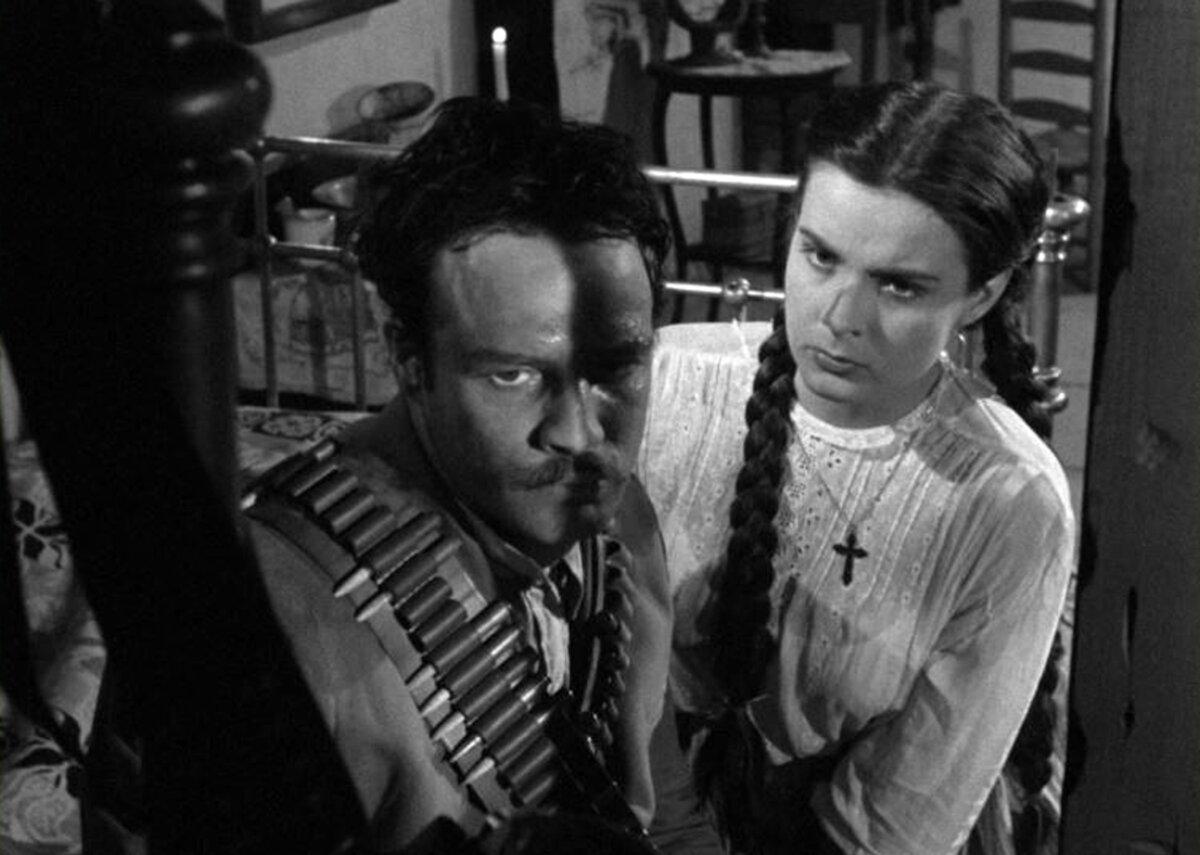
Zapata returns home and retaliation follows. The time for petitions ends. Zapata takes action by organizing and defending the peasants. His movement spreads from the backs of horses and the mouths of fieldhands.
Revolution, Love, and Betrayal
This film stands out as an old-school biopic, with Marlon Brando delivering a mighty performance early in his career. Fresh from his acclaimed role in “A Streetcar Named Desire,” he channels a fierce resolve and determination as Zapata, the revolutionary turned folk hero.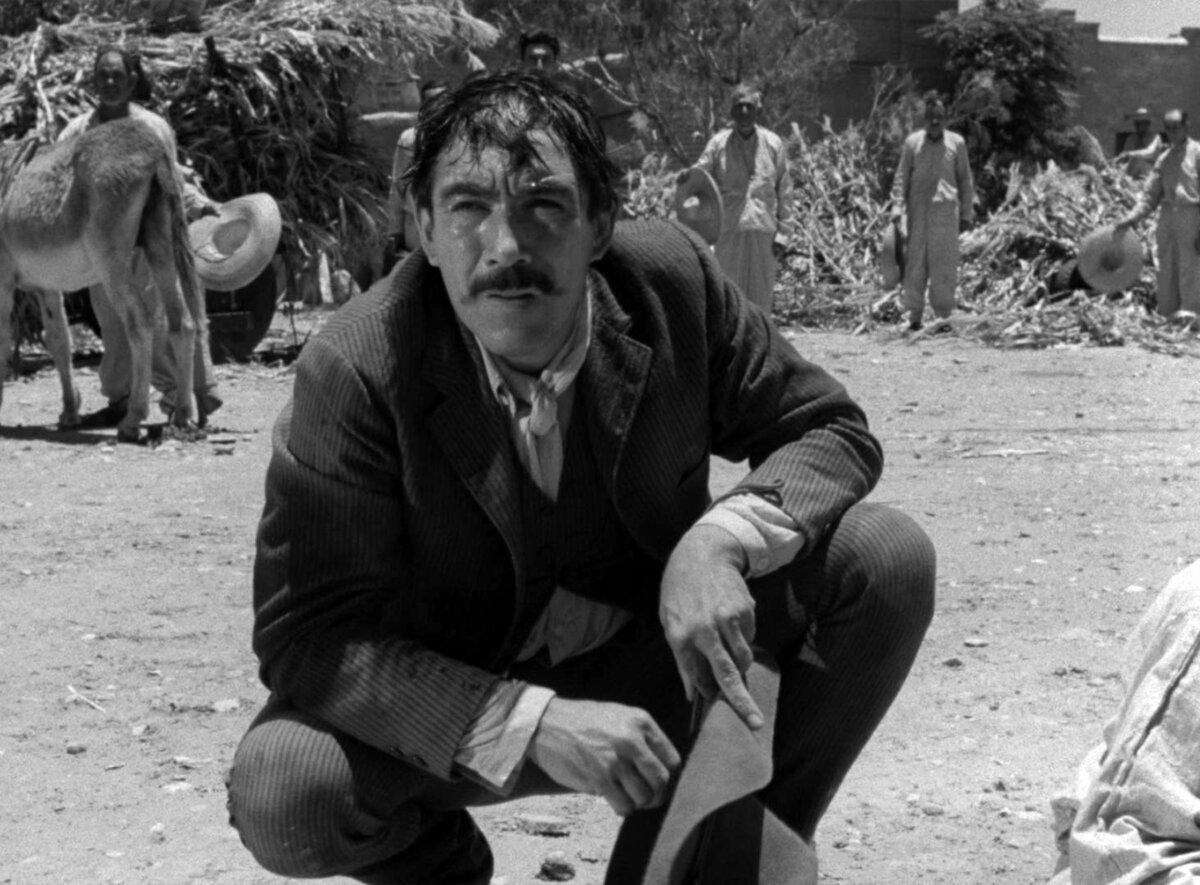
Anthony Quinn, stealing scenes as Zapata’s brother Eufemio, brings a rough-edged intensity that perfectly contrasts with Brando’s more measured presence. Jean Peters offers an earthy, tender portrayal of Josefa, the woman Zapata courts and eventually marries, providing some much-needed warmth in a story filled with political strife and violence.
Steinbeck’s screenplay ambitiously compresses a complicated period of revolution into a streamlined narrative. The story occasionally glosses over complex events but always keeps moving with sharp dialogue and moments of gripping suspense.
The film doesn’t shy away from showing Zapata’s vulnerabilities, as when he confesses to Josefa that he can’t read; this adds a human layer beneath the mythic revolutionary persona.
While some scenes veer into lengthy speeches and political rhetoric, the cast’s performances keep things engaging and prevent the film from becoming a mere historical lecture.
“Viva Zapata!” is an engaging piece of classic Hollywood storytelling that manages to entertain while touching on themes of power, loyalty, and sacrifice.