It’s an unfortunate trait of human nature that people take what they have for granted, especially the virtues and worth of family members.
Two classic films demonstrate the importance of appreciating one’s spouse, lest someone else come along who might value him or her more. “A Letter to Three Wives” (1949) and “Three Husbands” (1950) are two romantic comedies from the post-World War II era that focus on remarkably similar topics.
“A Letter to Three Wives” was a highly successful 20th Century Fox feature while “Three Husbands” was an obscure United Artists film. They start with a shared premise: A single friend of three married couples moves away and leaves a letter to three of the spouses, implying that there was more between the departed and their marriage partners than friendship.
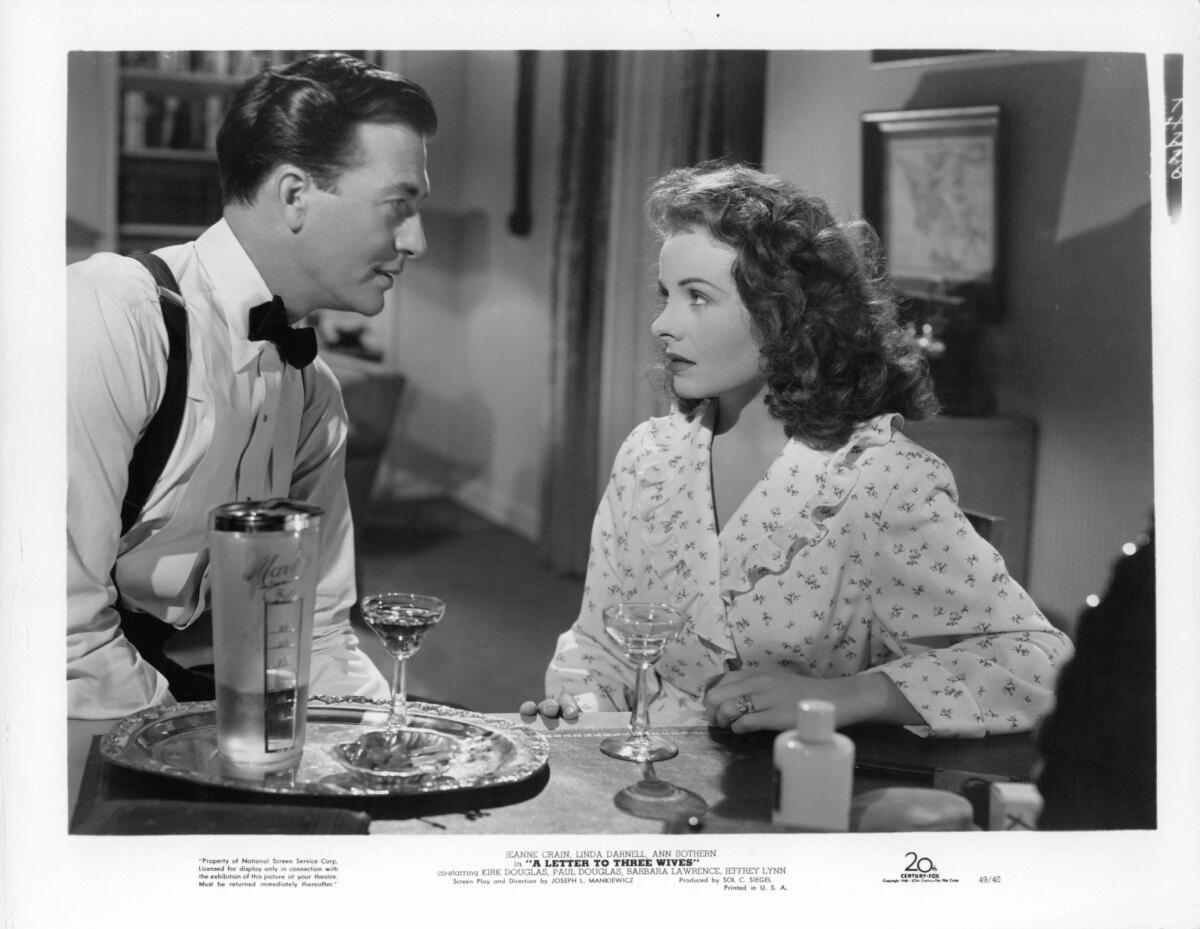
‘A Letter to Three Wives’
“A Letter to Three Wives” takes place in an unnamed suburban community. Three married couples have been close friends for years despite different economic positions. But Addie Ross, an affluent divorcee, charms the three husbands far more than their wives do.These wives include Deborah Bishop (Jeanne Crain), a farm girl who met her wealthy young husband during military service; Rita Phipps (Ann Sothern), an enterprising mother of twins who supplements her husband’s meager teaching allowance by writing radio dramas; and Lora Mae Hollingsway (Linda Darnell), a beautiful girl from the wrong side of the tracks who married the boss to get ahead. The divorcee is Addie Ross, who is never seen but whose narration is provided by Celeste Holm.
Although the wives have always resented their husbands’ shared admiration for Addie, they never considered her a threat to their marriages. All that changes when Addie leaves the three women a letter on the day of a charity boat ride that she was supposed to help them host.
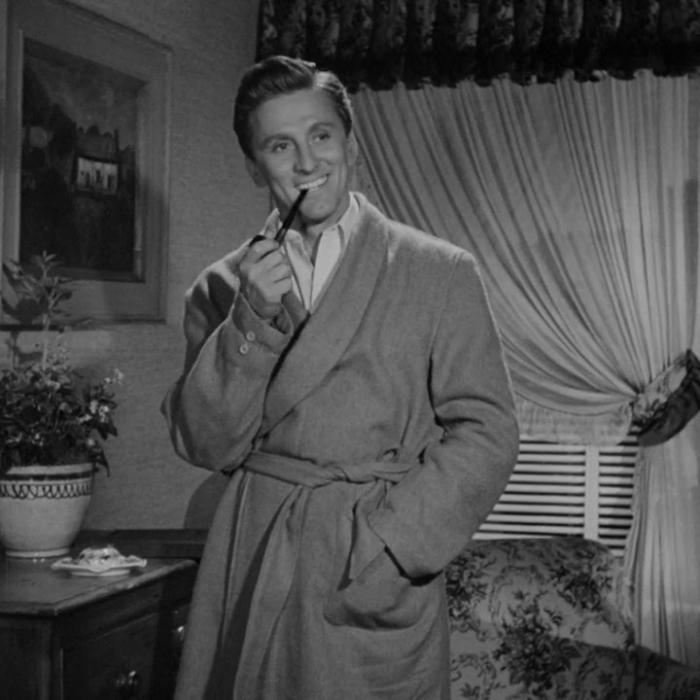
The letter blithely informs them that Addie has left town for good, taking one of their husbands with her. However, her last cruel joke is not saying which of the husbands, leaving her so-called friends to wonder and worry all day.
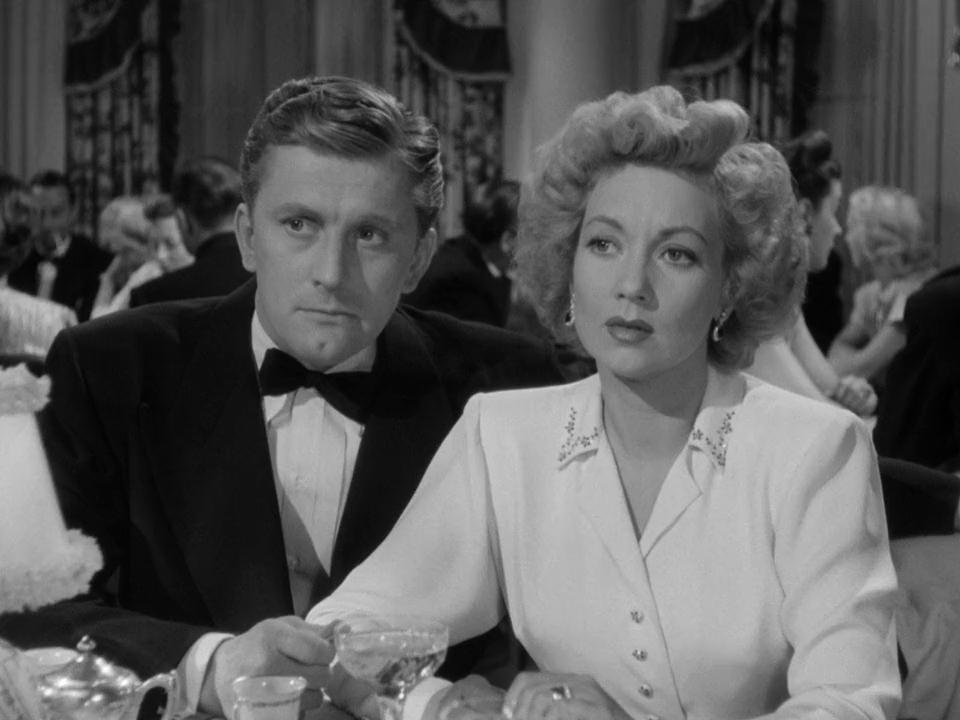
In a series of flashbacks, each wife remembers memorable incidents in her marriage and the role Addie played in her life. These memories make each woman certain that her husband is the faithless one, recalling his relationship with Addie.
Brad Bishop (Jeffrey Lynn) was Addie’s childhood sweetheart, sharing hometown experiences with her that a newcomer could never hope to understand. Deborah always wondered whether Brad regretted marrying her instead of the sophisticated Addie.
George Phipps (Kirk Douglas) has had a strained relationship with his wife recently. She works tirelessly for a tyrannical radio producer. Although he deeply appreciates Rita’s industrious endeavors to help the family, their recent squabbles over culture versus commercialism make Rita wonder whether George is longing for his shared interests in music and literature with Addie.
Porter Hollingsway (Paul Douglas) is the group’s roughneck, the poor man who built himself up to become a wealthy department store owner worthy of the country club set. Although passion for Lora Mae’s standoffish beauty made Porter reluctantly agree to marry her, the sarcastic former shop girl has always believed that Porter would have married Addie instead if he'd had the chance.
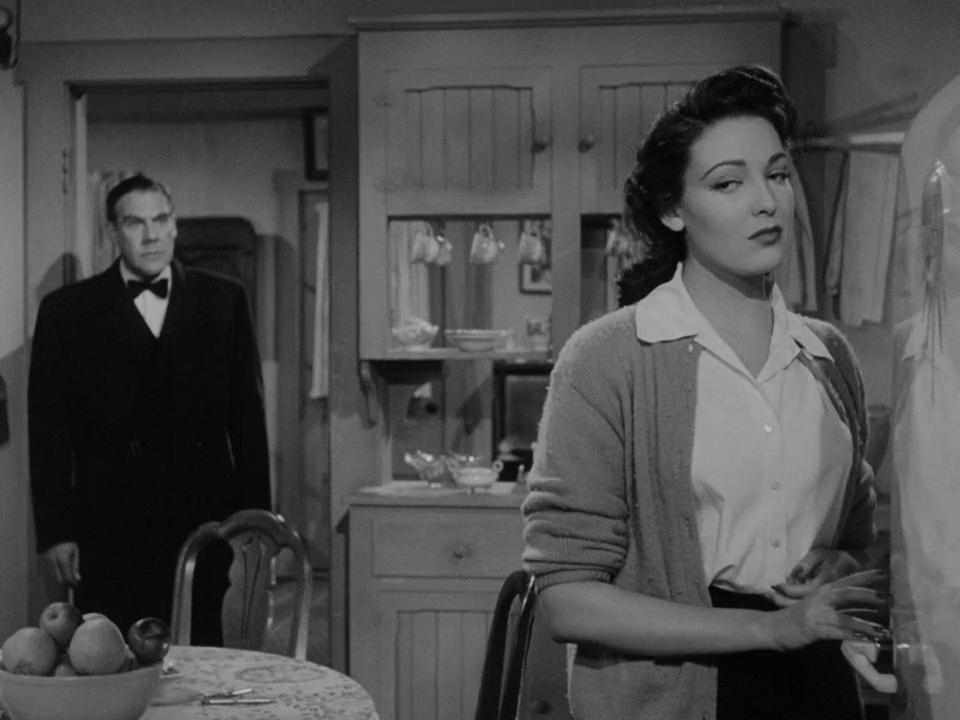
‘Three Husbands’
“Three Husbands” focuses on three married couples in San Francisco, who are all connected through a shared friendship with wealthy playboy Maxwell Bard (Emlyn Williams). Max has died, tragically young but not unexpectedly, since he was known to have a heart condition.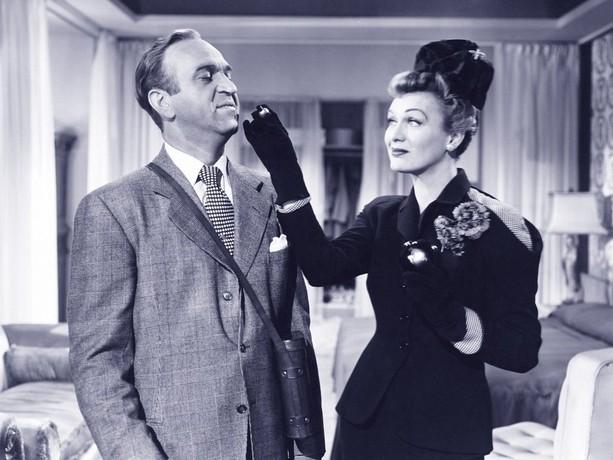
Despite this, he enjoyed living his life to the fullest as long as it lasted. The three couples enjoyed how freely he shared the luxuries his wealth provided, with both husbands and wives cherishing his friendship.
After his funeral, Max’s lawyer hands each husband an identical letter. This letter is a confession from Max, now safely beyond the grave, that he and the reader’s wife ...
The viewers are left to infer the rest of the letter’s meaning, which the husbands certainly do. Of course, none of the men know that the other two received the same missive. This strange news sends all three households into an uproar, as each husband remembers every suspicious incident between his late friend and his wife.
All three husbands were Max’s frequent poker buddies. Arthur Evans (Shepperd Strudwick) handles Max’s advertising business. When Max suggested a young female artist friend of his to provide the artwork for the next campaign, Arthur quickly becomes interested in more than the young woman’s art.
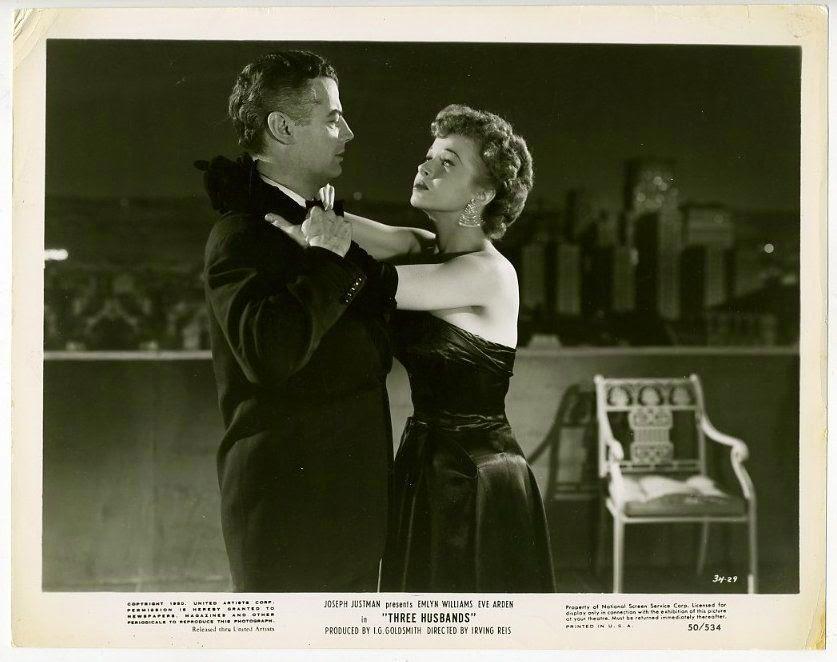
Kenneth Whittaker (Robert Karnes) is Max’s American cousin. Recently, his young marriage has been strained by his wife’s career as a registered nurse, since patients often need her at inopportune times, plus his mother’s constant interference.
Dan McCabe (Howard Da Silva) is Max’s racehorse consultant, a common bookie who made good. He and his brassy wife are frequent companions of Max, who introduces them to the finer things.
Jane Evans (Ruth Warrick) is a refined society woman. She and Max went to the symphony every Friday, and Arthur thought nothing of it. After receiving the letter, he wonders whether that’s really where they went. Mary Whittaker (Vanessa Brown) met Max before Kenneth, since she was hired as a private nurse to care for him after he had one of his small heart attacks. Even after she married, Max continued to call on Mary during bouts of illness.
The letter makes Kenneth wonder whether Max was more than a patient. Lucille McCabe (Eve Arden) is a fun-loving woman who thinks she and her husband have a right to enjoy the prosperity they’ve spent years earning. Dan immediately thinks the letter is a hilarious joke.
A Letter of Appreciation
These two films have very similar premises, but the main difference is Addie versus Max. While the three wives openly dislike Addie Ross, the three husbands truly consider Maxwell Bard their friend and genuinely enjoy his company. Even more important, though, is the motivation behind these characters’ actions. Perhaps there is good reason for the fact that Max is liked much more than Addie.In the flashbacks, we see that Max was a very gregarious person in general who had an eye for beautiful women. His flirtatious nature toward ladies, including his friends’ wives, is laughed off as friendly joking as long as he’s alive. Ultimately, that’s just what it is. As the film progresses, we realize that the letters are more than one final practical joke. They are a valuable gift to his friends.
Addie, in contrast, is intentionally flirtatious toward her married male friends any chance she gets, and she doesn’t mean it as harmless joking. We never see her interacting onscreen, but we hear about a dozen little ways in which she makes herself appear more chic, perceptive, and charming than the other women.
She intends her farewell letter as an ironic last jab at the women she resented for years, since they all had sound marriages while she was divorced. However, her letter ends up acting as a valuable tool for reform, which she never intended.
In both films, a letter that could destroy three marriages strengthens them instead. This is no mere accident. As they ponder the possibility that a third party may have come into their marriage, these wives and husbands are forced to contemplate the idea of life without their spouses.
Because of this experience, these couples have a chance to rebuild and strengthen their marriages. They learn not to take each other for granted, since they realize how empty their lives would be without each other.