Since Hollywood filmmaking began 110 years ago, U.S. presidents have been frequently depicted in American movies. The American president who has been portrayed in more movies than any other is Abraham Lincoln. This is no surprise because he is not only consistently ranked as the best and most beloved president in polls, but he is the most written-about American citizen in history.
Although Lincoln has always been a cherished national figure, his popularity rose steadily in the late 19th century, peaking in the pre-World War II days. As a result, portrayals of this president are in many old movies. These depictions are often little more than a cameo, with the 16th president showing up rather unexpectedly in only one or two scenes, usually near the end of a film, such as “The Copperhead” (1920), “The Littlest Rebel” (1935), and “Of Human Hearts” (1938).
Honest Abe was such a powerful symbol of freedom, unity of the nation, and the rights of man that he often was included in films merely to convey the Americana spirit. He frequently appeared in Civil War-era movies to anchor the story’s time period.
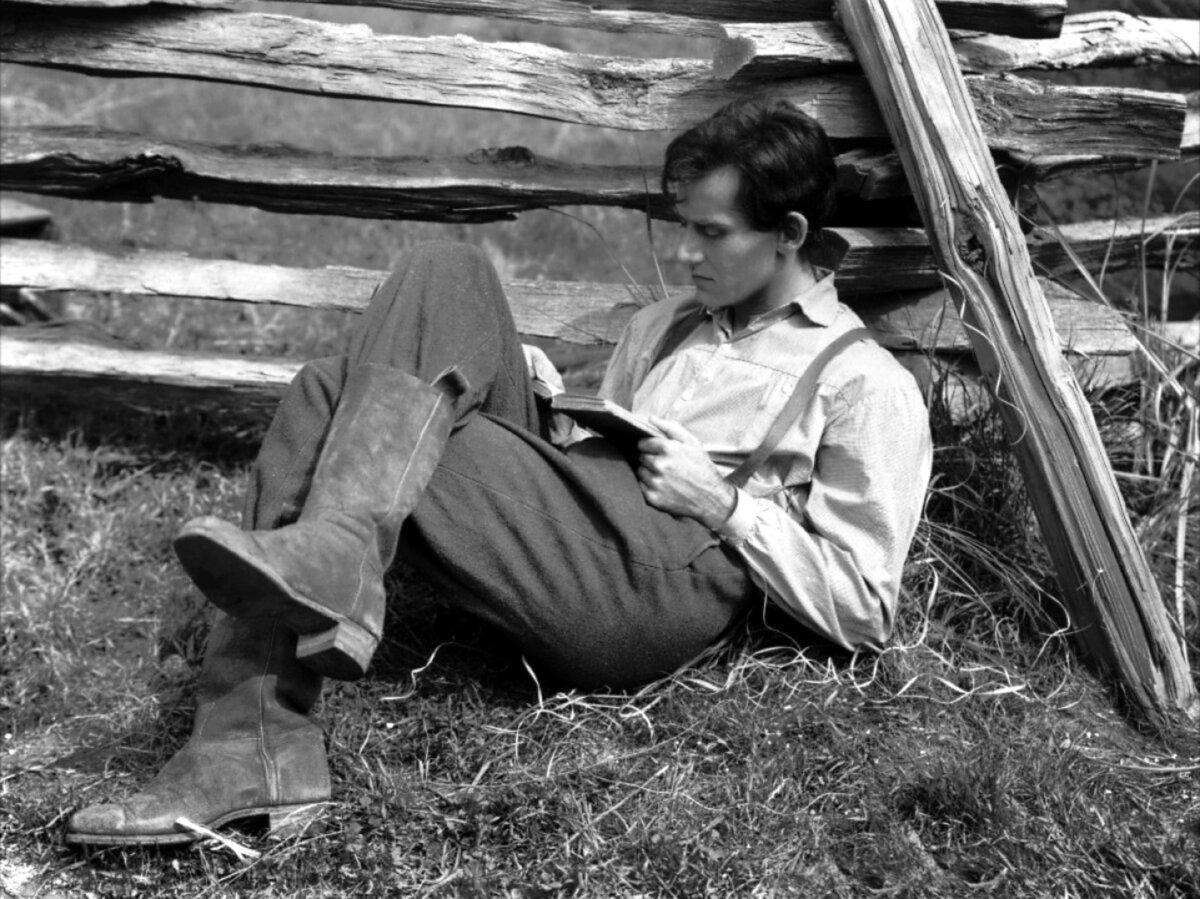
In the Golden Era of Hollywood, two films made within one year focused on Abe Lincoln’s life, instead of merely featuring him as a side character or plot device. These two films are “Young Mr. Lincoln” from 1939, which stars Henry Fonda as the title character, and “Abe Lincoln in Illinois” from 1940, which features Raymond Massey as the late president. They remain excellent examples of Lincoln’s fame at the time, as well as inspiring tributes to a great man’s legacy.
A Young Man
“Young Mr. Lincoln” was a 20th Century Fox production that was completely devised by the studio; the treatment had an original screenplay written by Lamar Trotti with significant input from director John Ford and producer Darryl F. Zanuck.Although inspired by many well-known events in Lincoln’s early adulthood, it is a Hollywood biopic typical of its day. The story romanticizes facts and fables about a historical figure to create an inspiring story rather than drawing its substance from history books.
The film takes place in the 1830s, when Lincoln was in his 20s. It depicts Abe’s early days as a shopkeeper in New Salem, to his decision to practice law, up until a fictionalized depiction of his first major law case.
The early part of the film focuses on his romance with Ann Rutledge (Pauline Moore), crediting her encouragement as a motivator for him to pursue a law practice after her premature death. During his early days as a law partner to John Stuart in Springfield, Illinois, Lincoln establishes himself as an honest, respected citizen.
He meets Mary Todd (Marjorie Weaver), Stuart’s cousin, and an attraction between them is hinted at; Stephen Douglas (Milburn Stone) is established as a romantic as well as a political rival.
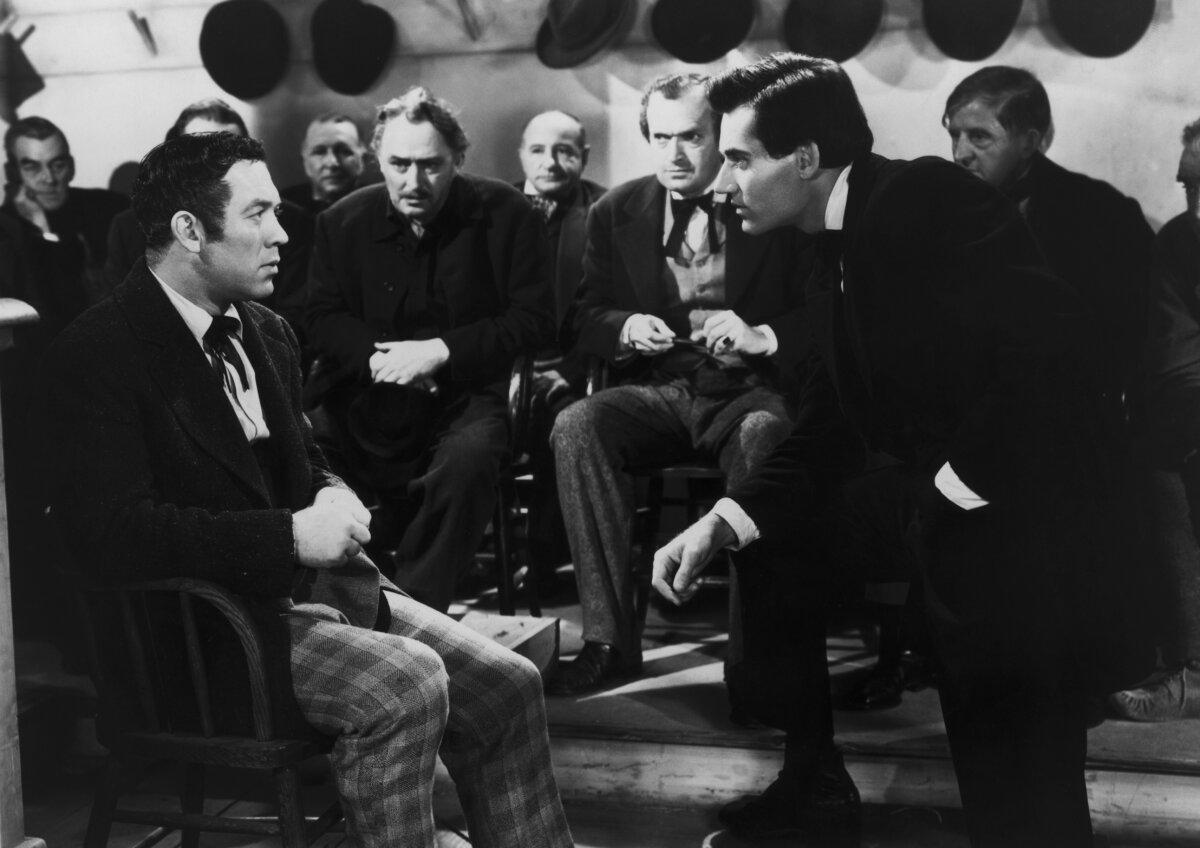
Lincoln gets his first chance to show his ability when he defends two farmer brothers (Richard Cromwell and Eddie Quillan). The brothers are accused of murdering townsman Skrub White (Fred Kohler Jr.) at an Independence Day celebration.
A Rising Statesman
“Abe Lincoln in Illinois” was an RKO Radio Pictures production, adapted from Robert E. Sherwood’s 1938 Pulitzer-winning play of the same name. This play, in turn, was based on Carl Sandburg’s 1926 biography “Abraham Lincoln: The Prairie Years.”Directed by John Cromwell and produced by Max Gordon, the play was adapted to the screen by Grover Jones and Sherwood himself. Both the play and its movie adaptation used excerpts from Lincoln’s speeches in the dialogue to lend an air of authenticity.
This biopic is impressively historically accurate, not just for its day, but for a Hollywood biographical film from any era. The characters are remarkably real and human, and the screenplay avoids many tropes and oft-repeated myths. Instead, the film offers a very realistic view of Lincoln and his closest relationships.
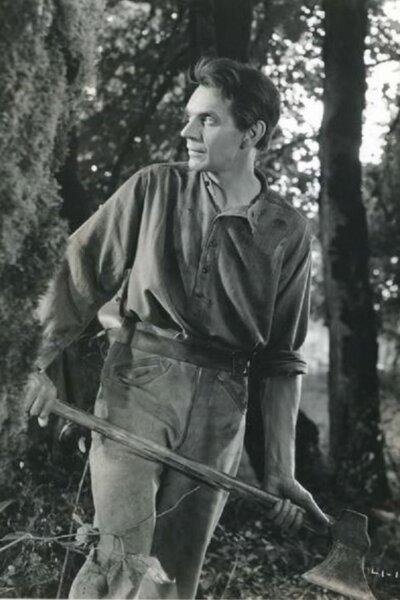
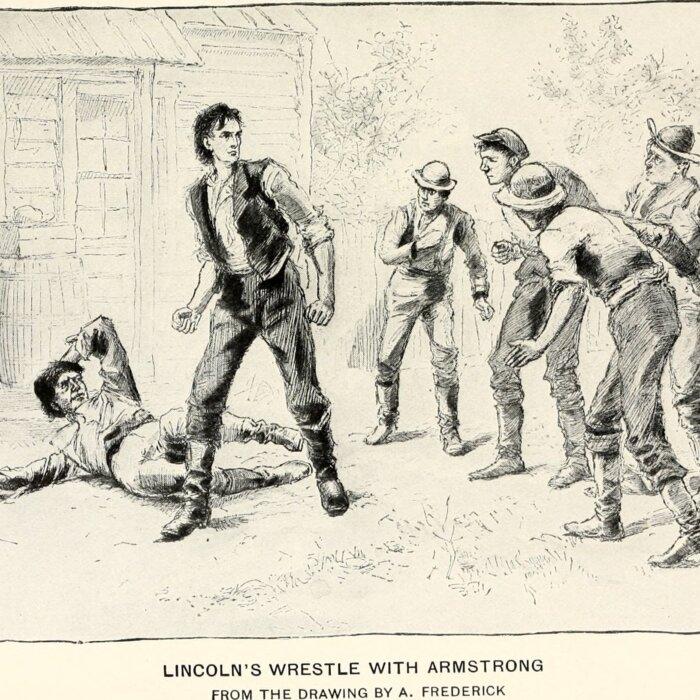
This movie starts when Lincoln leaves his father’s farm in Decatur, Illinois, in 1831 and ends with his final speech in Illinois before leaving for the White House in 1861. It depicts his early job working on a pig boat, his first meeting with Ann Rutledge (Mary Howard) in New Salem, and his establishment in that town through defeating local bullies in a wrestling match.
As a young lawyer, Lincoln is encouraged, pestered, and pushed toward a political calling for which he feels unqualified and largely uninterested. Eventually, he meets Mary Todd (Ruth Gordon), and they marry.
Two Abe Lincolns
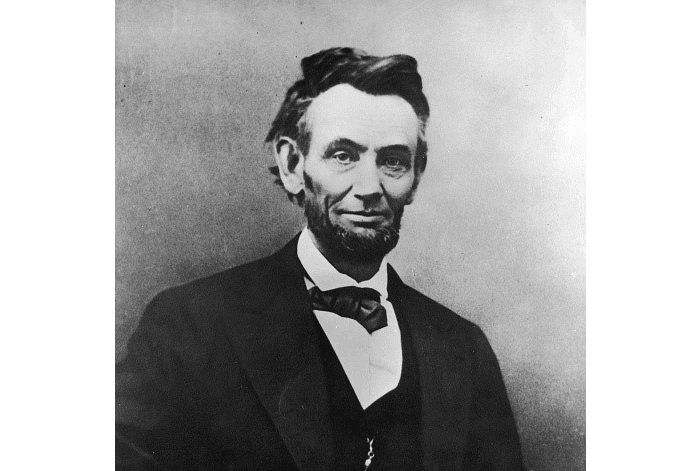
Any film which focuses so squarely on a great historical figure’s life is very dependent on the actor portraying that person. Lincoln’s likeness is as unique as it is recognizable, so no actor could be considered for the part who didn’t match his physical description.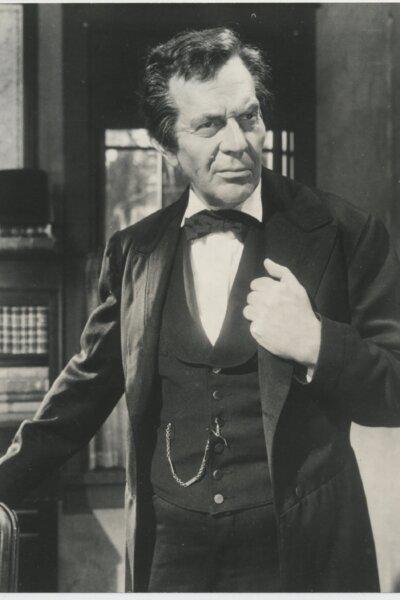
Both Fonda and Massey were lauded for their embodiment of President Lincoln as well as their stirring performances.
With his almost boyish gawkiness and surprisingly high voice, Fonda is very believable as the lovable backwoodsman in the early days of his career. His voice reflected eyewitness reports that Lincoln had a high-pitched voice. He wore a prosthetic nose to emulate Lincoln’s famous profile and high-heeled boots to make him appear even taller.
Fonda was reportedly very hesitant to take the role, since he didn’t think he could play such a great man. Director John Ford persuaded him to do a screen test in makeup. Seeing himself in this getup convinced Fonda to accept the challenge. He confessed in a later interview, “I felt as if I were portraying Christ himself on film.”
In contrast, Massey’s chiseled features, gangly frame, and frank, serious expression bear a remarkable resemblance to the features of the Great Emancipator during his political heyday.
Having played the role on the stage before making the film, Massey became very comfortable with his character’s slow speech pattern, lumbering gait, and simple honesty. He was so convincing that his performance could convince you that the 16th president himself returned from beyond the grave to appear in his own biopic.
The actor apparently took an acting approach similar to “method” acting of the late 1940s to playing Lincoln, frequently appearing in public in Lincolnesque attire and affecting his mannerisms in real life. His friend, playwright George Kaufman, jokingly observed that “Massey won’t be satisfied until someone assassinates him.”
Fact Versus Fiction
It’s ironic that these two films focused on Lincoln should be released within a year of each other. It’s also ironic that neither film depicts his years in the White House, which is the time usually shown in his cameo appearances.Perhaps the films were motivated by a growing feeling in America of the importance of fighting tyranny and injustice. Sherwood, a World War I veteran, intended his play as a response to the isolationist movement in America in the late 1930s. He presented Lincoln as a peaceful man who realizes the necessity of involving himself in unpleasant struggles for the common good.
Massey observed, “If you substitute the word dictatorship for the word slavery throughout Sherwood’s script, it becomes electric with meaning for our time.”
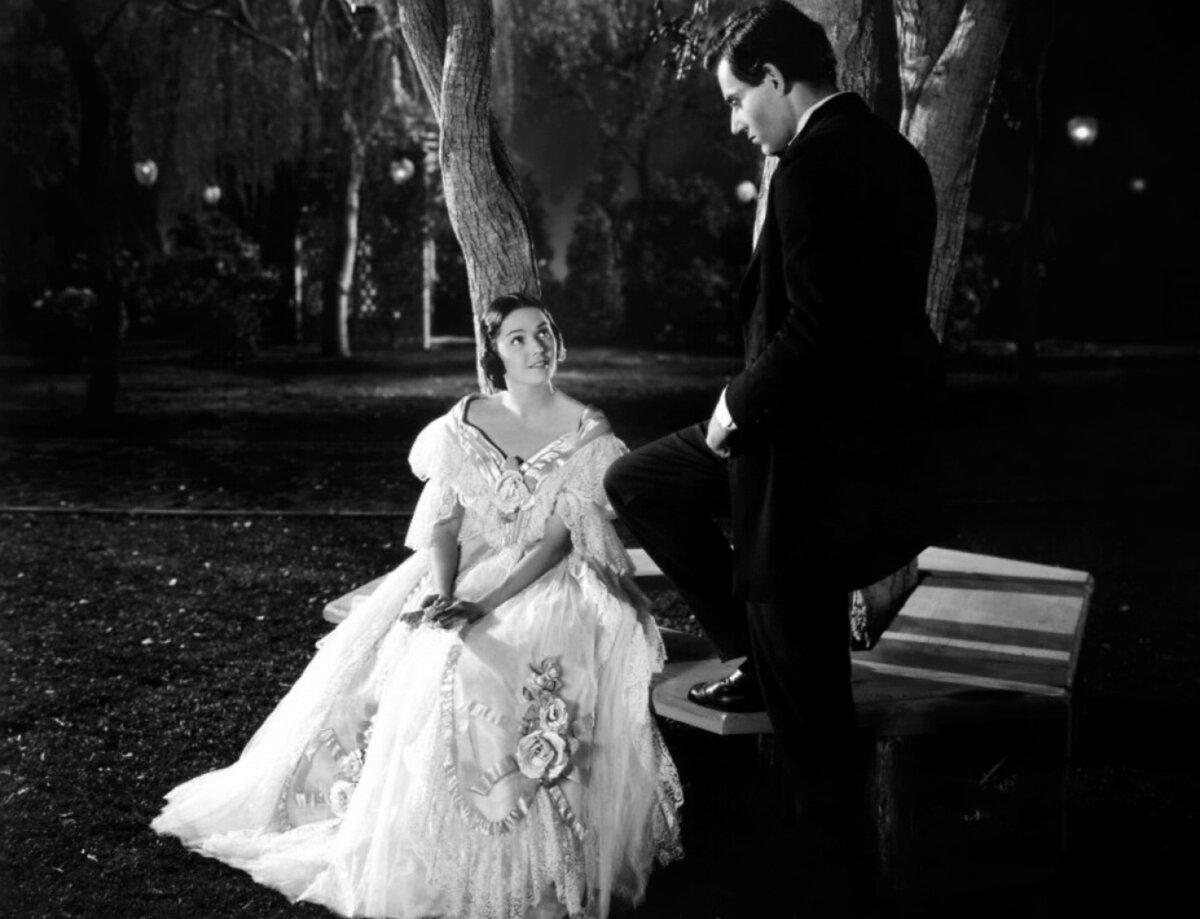
Both films were critically acclaimed, receiving praise for the overall production and the leading man’s performance. Both were acknowledged by the Academy Awards. “Young Mr. Lincoln” was nominated for Best Writing/Original Story for Lamar Trotti, and “Abe Lincoln in Illinois” was nominated for Best Cinematography, Black-and-White for James Wong Howe and Best Actor for Raymond Massey.
“Young Mr. Lincoln” had a budget of $1.5 million, but no information is available about how much it earned. Unfortunately, “Abe Lincoln in Illinois” did not fare well at the box office, becoming one of RKO’s greatest financial failures with a loss of $740,000.
High production costs made it difficult to recoup what was spent. However, the film was heavily promoted in Indiana and Illinois, and, there, it became the highest-earning film at the box office that year.
Both these films are stirring tributes to a great man. I would recommend first watching “Young Mr. Lincoln.” It’s fast-paced, entertaining, and easy to watch. Then, watch “Abe Lincoln in Illinois” for a more historically accurate, in-depth look at Lincoln’s pre-presidential days.
Both movies will leave you with a smile on your face, humming the “Battle Hymn of the Republic.”