Outer space is overflowing with cosmic junk. Bits of debris from broken asteroids and comets are literally everywhere.
Astronomers have made many discoveries from studying the origins of floating space debris, such as uncovering their link to meteor showers. Each year, Earth ploughs through patches of this rubble, causing pieces to fall to Earth, burn up in our atmosphere, and become meteors. At least 100 of these annual showers have been found. November has two.
A meteor is just a hunk of space rock that ignites as it falls to Earth. Atmospheric friction makes them burn up and look like shots of light darting across the sky. We also call them shooting stars.
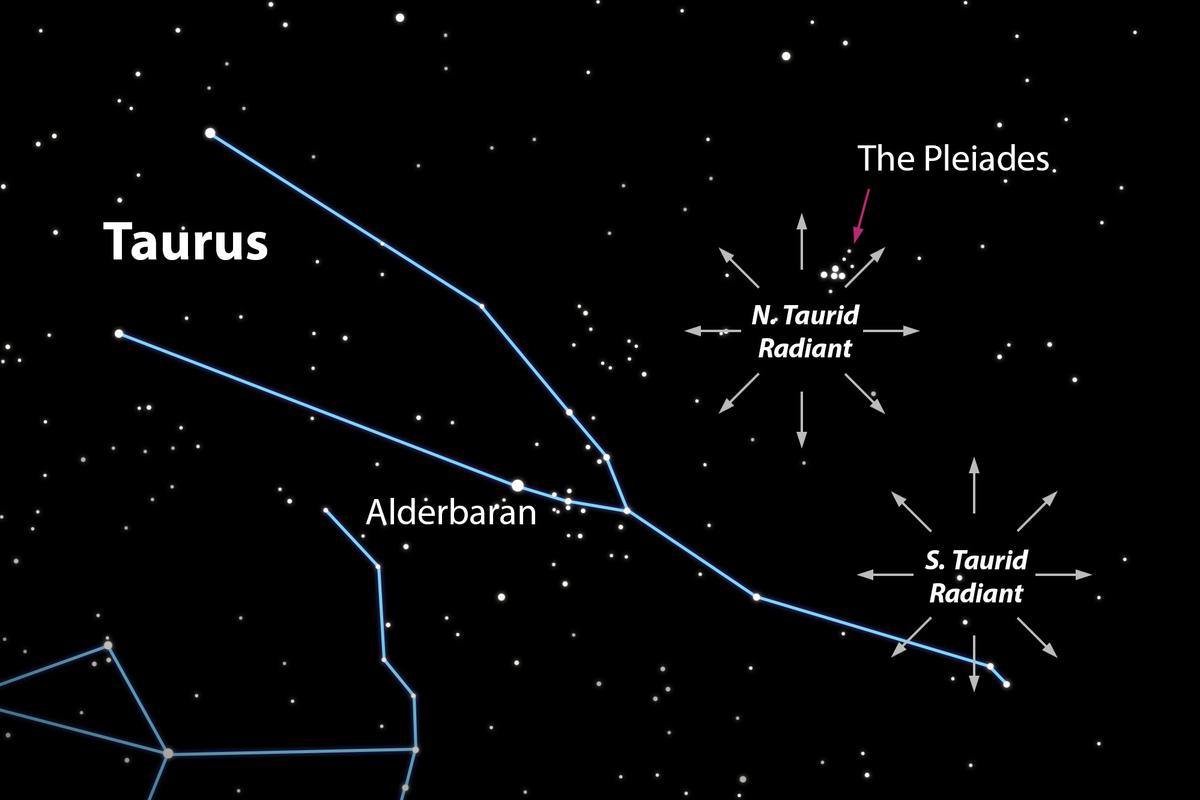
During this month, observers may spot crisscrossing meteors appearing to fly out of the constellation Taurus from two distinct points. The Southern Taurids, named after said constellation, will peak on Nov. 5, while the Northern Taurids’ peak is around Nov. 9. Each is a totally separate meteor shower from the other, though their points of origin are tightly woven.
Origin of the Taurids
It’s believed both Taurid showers come from a large group of sun-orbiting objects that broke up 20,000 years ago. One object, an asteroid called 2004 TG10, and another, Comet 2P/Encke, at one time comprised a larger object known as the Encke Complex. The two chunks eventually broke down further to form the debris that became the Taurids—this is the most widely accepted theory of their origin.How to Spot the Taurids
If you step outside to scan the sky tonight you might sight as many as five meteors per hour from each shower, for a total of ten per hour under ideal, dark conditions.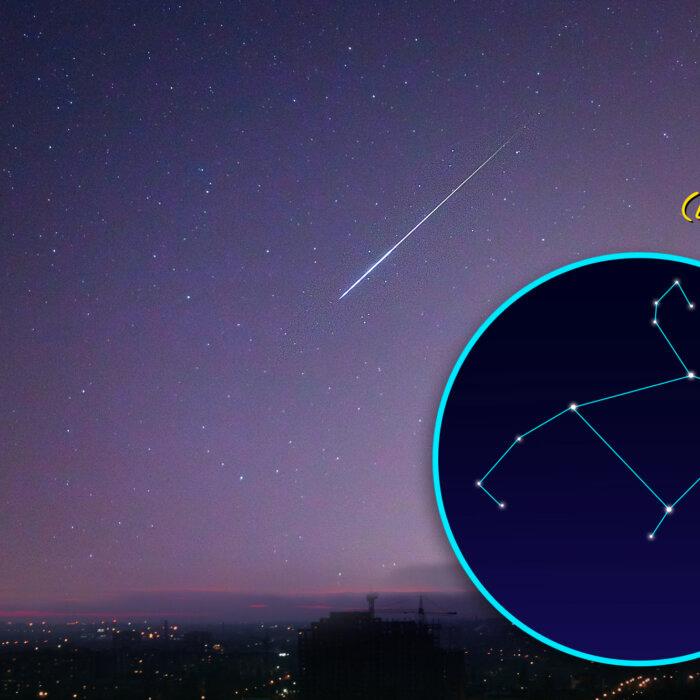
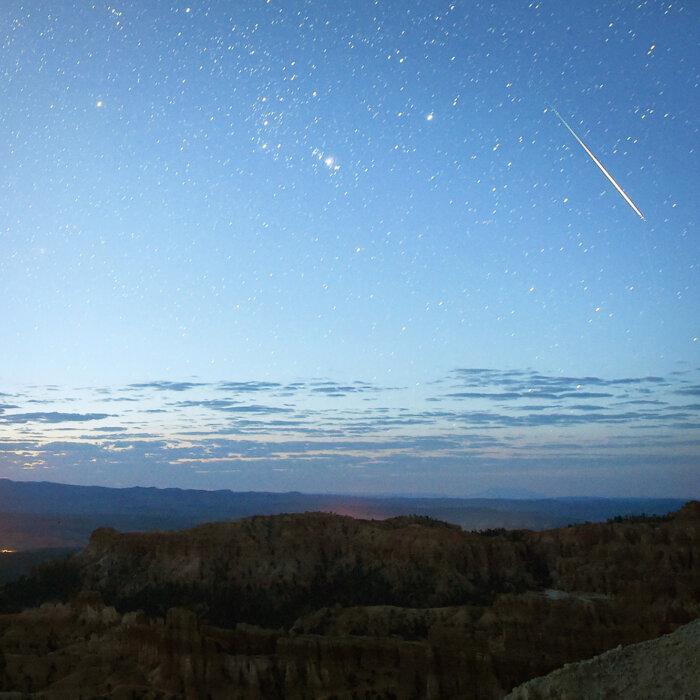
It may seem counter-intuitive, but the best way to view them is to avoid searching the constellation Taurus itself and scout the whole sky instead. They'll fan outward from Taurus in all directions, with long streaks appearing far away from the constellation. Maybe grab a lawn chair or blanket and lie back someplace dark to view them under the stars—if the weather permits.
While the radiants won’t yield any meteors, it’s still useful to track their positions, since the best time for meteor spotting is when they’re high and shooting in all directions. The Taurid radiants will rise in the early evening and reach their height around midnight. Also try spotting the Pleiades star cluster northwest of Taurus while you’re at it.
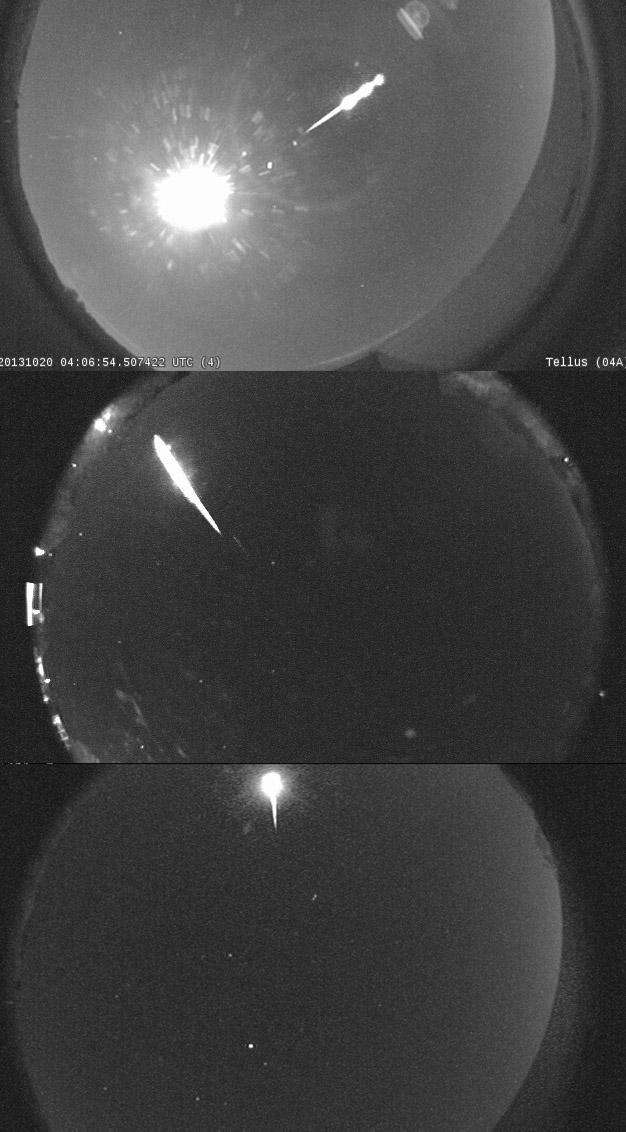
One big highlight of viewing the Taurids is the frequent fireballs (dramatic and fiery meteors) that they’re famous for. Taurid fireballs are colorful and can fragment in mid-air like fireworks, making a dazzling display. About 1 percent of the Taurids become fireballs, though surges of up to 7 percent happen every few years.
The Taurids’ Radiant
The point where meteors seem to originate from is called their radiant. It may seem strange that both the Northern and Southern Taurids’ radiants always appear in constellation Taurus—a constellation tens of light-years away—when we know these meteors are orbiting around our sun. They collide with Earth every November.Taurus, meanwhile, isn’t anywhere near our sun. The bright star Aldebaran is the constellation’s nearest star to Earth, yet it lies some of 65–67 million light years away. So it begs the question: Why do the Taurids’ radiants always appear in Taurus?
The answer is explained by a simple trick of perspective. Meteors exhibit the same principle of one-point perspective that’s seen in parallel train tracks that appear to converge on the horizon but never actually meet. Meteors also travel in parallel as they orbit the sun, all following the same fixed path. There’s no point of convergence, nor any connection between the Taurid meteors and the Taurus constellation.