NR | 1h 58m | Drama | 2025
Despite the common misperception, the National Socialist (Nazi) party was more pagan than Christian. It sought to dominate and corrupt Christianity, rather than promote it. That’s why the regime executed so many clergymen, notably German Lutheran pastor Dietrich Bonhoeffer and Catholic priest Maximilian Kolbe.
Fittingly, Kolbe, the Polish anti-communist, was canonized by Pope John Paul II. Exemplifying the spirit of the biblical passage John 15:13, Father Kolbe sacrificed himself so that another could live. Yet the dignity with which the priest faced his fate inspired many more prisoners to find the strength to continue living. Director-screenwriter Anthony D’Ambrosio vividly dramatizes the martyred Franciscan’s final days in “Triumph of the Heart.”
Sacrifice of Self
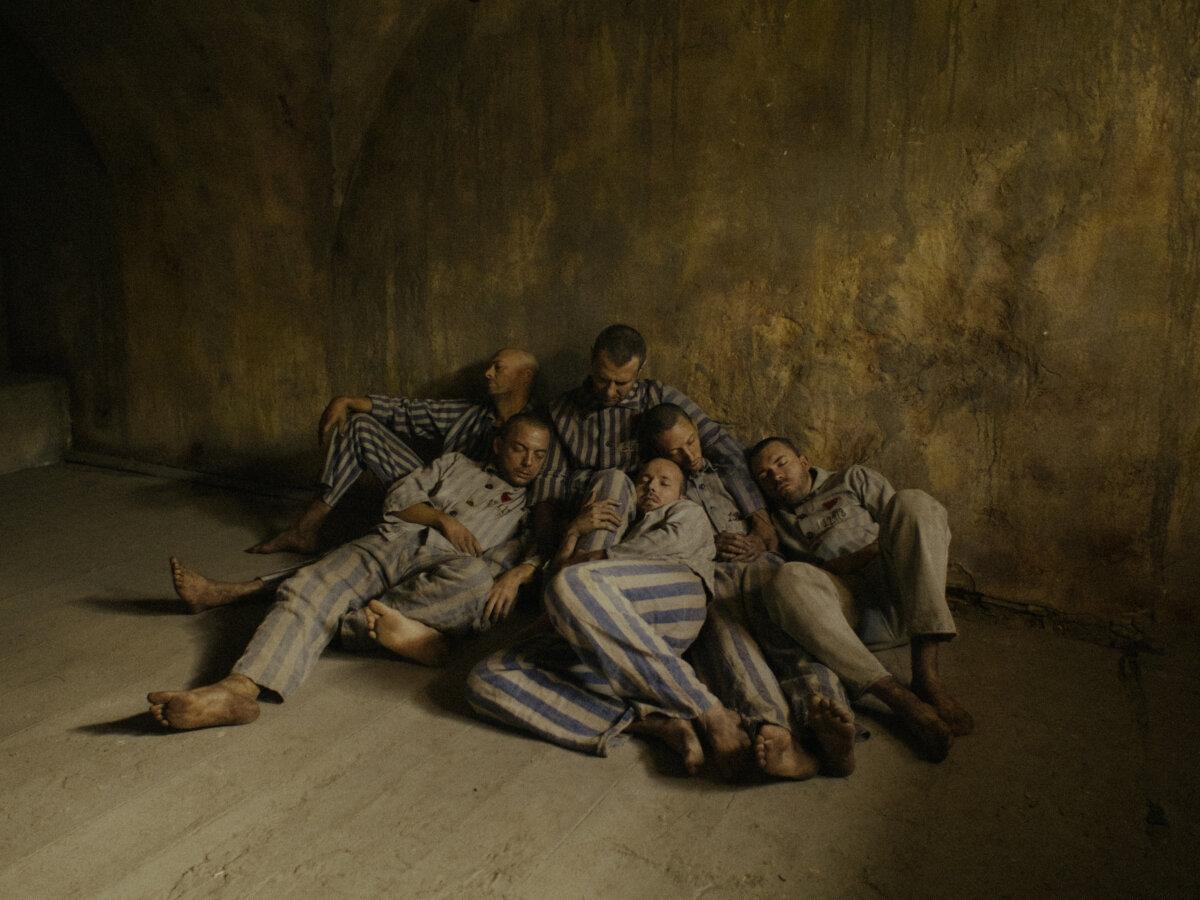
When one prisoner escaped, the brutal SS commandant Karl Fritzsch (Christopher Sherwood) condemned 10 prisoners to death by thirst and starvation as retribution. Franciszek Gajowniczek (Bartosz Bulawa) was the 10th prisoner selected, but he lived to bear witness because Father Kolbe volunteered to take his place.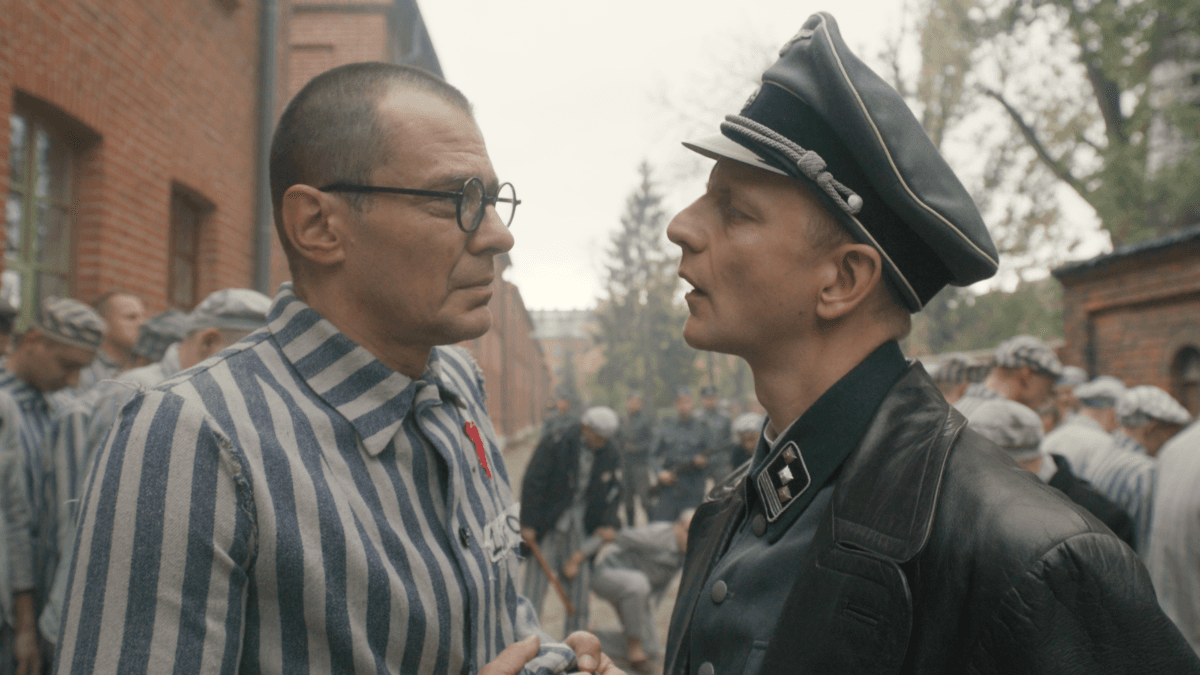
“Triumph of the Heart” is, by definition, hagiography—an account that chronicles the life of a saint. The title ironically echoes and implicitly contradicts Leni Riefenstahl’s Nazi propaganda film, “Triumph of the Will.” Viewers might expect little suspense because the film inevitably ends with Kolbe’s martyrdom. Yet D’Ambrosio maintains a high level of tension, depicting each day that Kolbe and his fellow prisoners survive with dignity or pass away with their humanity intact as a victory.
Confinement
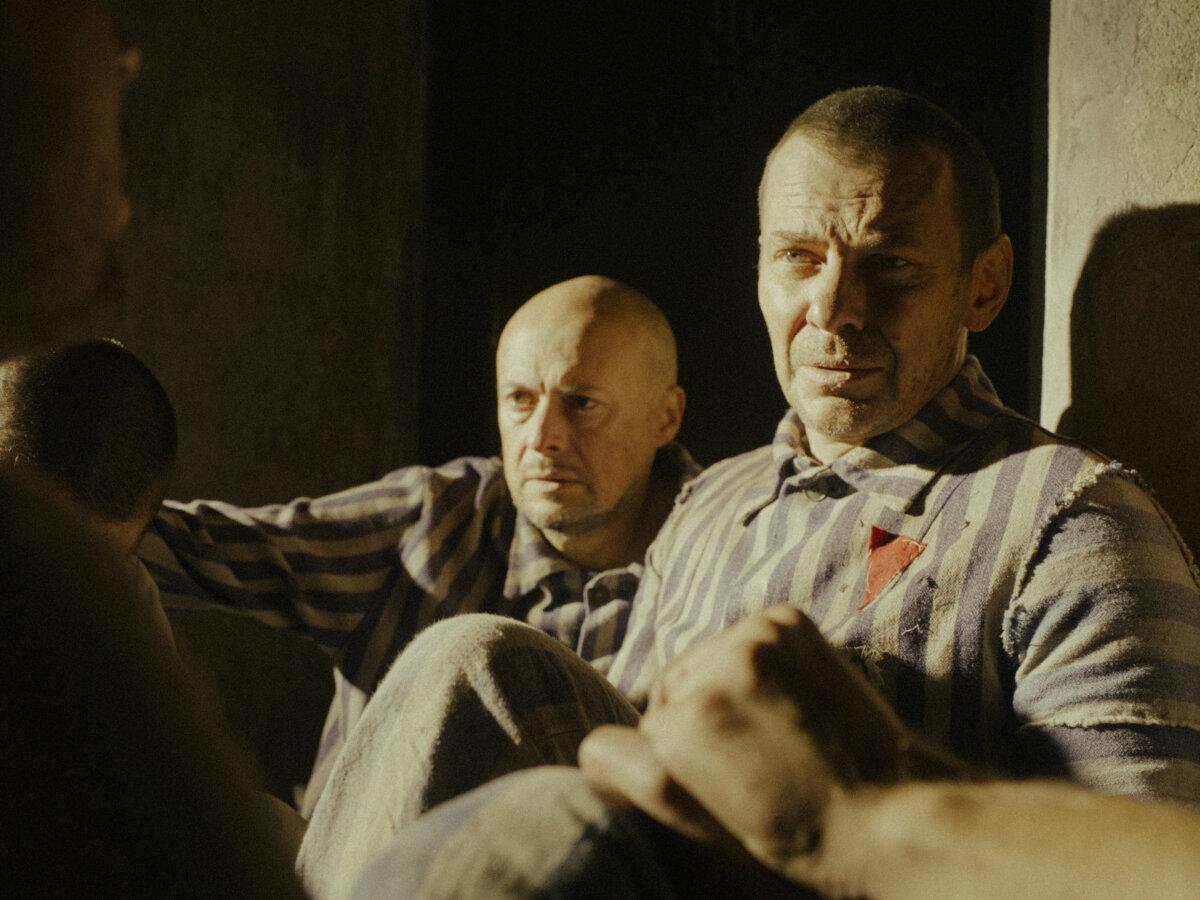
D’Ambrosio restricts long passages of the film to the interior of Kolbe’s sparsely appointed cell (or execution chamber), building a sense of claustrophobic confinement. He and cinematographer Andrew Q. Holzschuh also capitalize on the limited lighting allowed by the barred and recessed windows; this frequently creates a chiaroscuro lighting effect worthy of the old masters. In fact, viewers can often see the influence of great sacred art, particularly the Pieta, which is frequently approximated in scenes wherein Father Kolbe comforts his dying compatriots.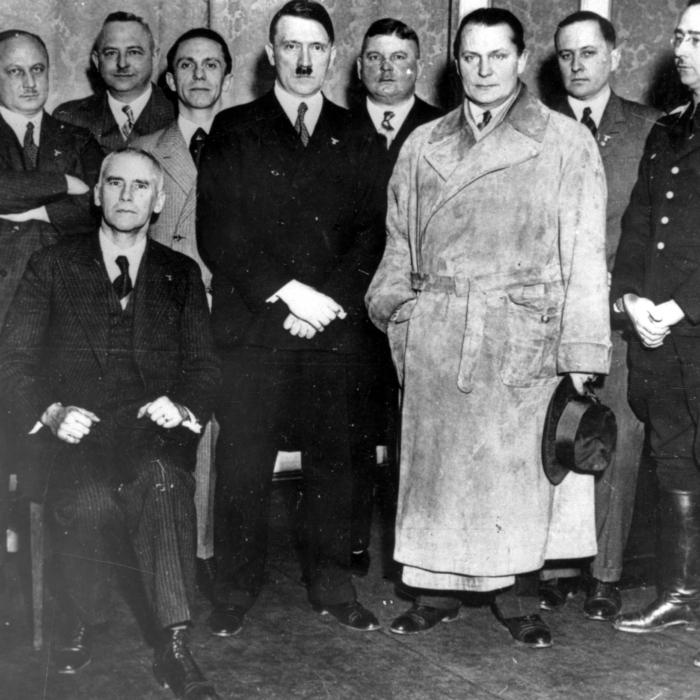
“Triumph of the Heart” is one of the most brutal and horrifying representations of the Holocaust on film. This is apparent even though it only sparingly depicts blood or outright violence on-screen. However, sensitive viewers should prepare for a handful of sudden, savage beatings. D’Ambrosio and the cast force the audience to constantly confront the cruelty of withholding food and water as a method of execution.
Portraying a saint is a difficult assignment, but Kwasny finds ways to express Father Kolbe’s tortured humanity as well as his elevated virtues. He manages to emphasize the clergyman’s modesty, while still hitting the inspiring notes during the moments that hold great significance to Father Kolbe’s legacy.
Nazi Evil
Conversely, Sherwood is truly sinister as the venomous SS-Hauptsturmfuhrer Fritzsch, who grows increasingly petty as his plan to debase Kolbe backfires against him. He creates a monstrous figure, but on a very human scale.Although Father Kolbe was and remains undeniably Catholic, D’Ambrosio’s film should appeal widely to viewers of multiple faiths. The film scrupulously represents all genocidal victims of National Socialism within that fateful cell. Indeed, one of the first of the other nine condemned men to accept Kolbe’s counsel and comfort, in a nonliturgical way, is the Jewish Hercel (Bill Karnovsky).
Although D’Ambrosio frequently incorporates symbolic interludes (often featuring the Virgin Mary), the film always maintains an easy level of accessibility, even for those with limited Christian theological grounding. However, some of his hazy Terrence Malick-esque flashbacks tend to be a bit confusing, at least until viewers acclimate to their style.
The film tells a powerful story in devastatingly intimate terms. It personalizes the enormity of Auschwitz while celebrating the possibility of faith and sacrifice, even during history’s darkest moments. Highly recommended for people of all faiths.