If meteor showers worked like theatre, September would be the cosmic encore after a big summertime drama.
But they’re not the only meteor showers September has in store.
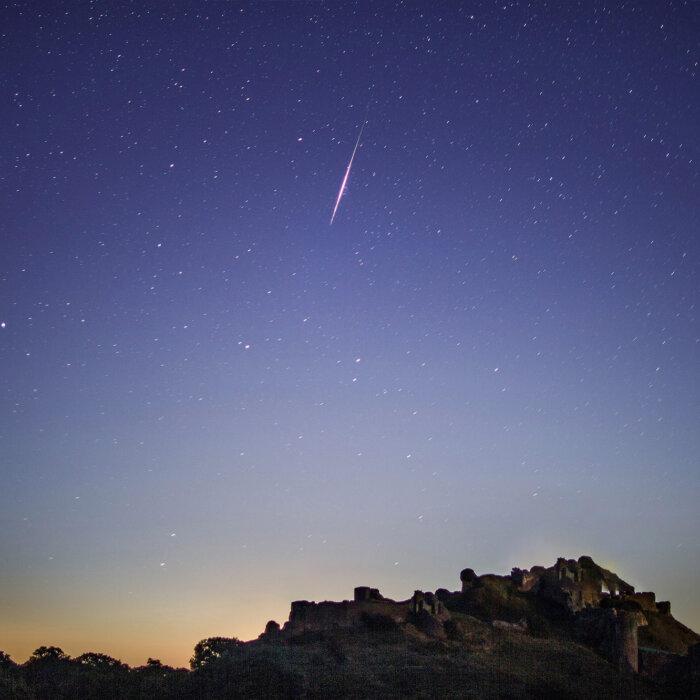
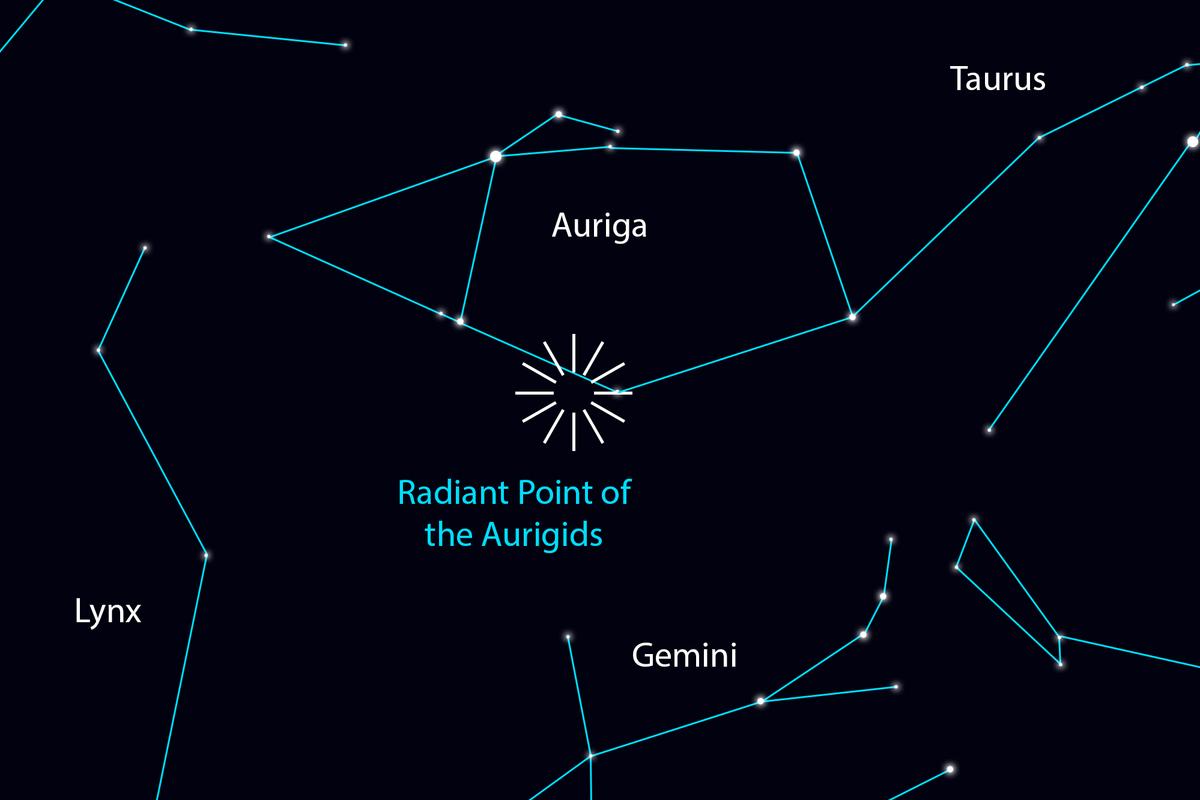
The Aurigids will kick things off starting from Aug. 28 and running through to Sept. 5, peaking on Sept. 1.
The Epsilon Perseids will then join in, lasting from Sept. 5 to 21 and peaking on Sept. 9, though the full moon on Sept. 7 might wash them out somewhat.
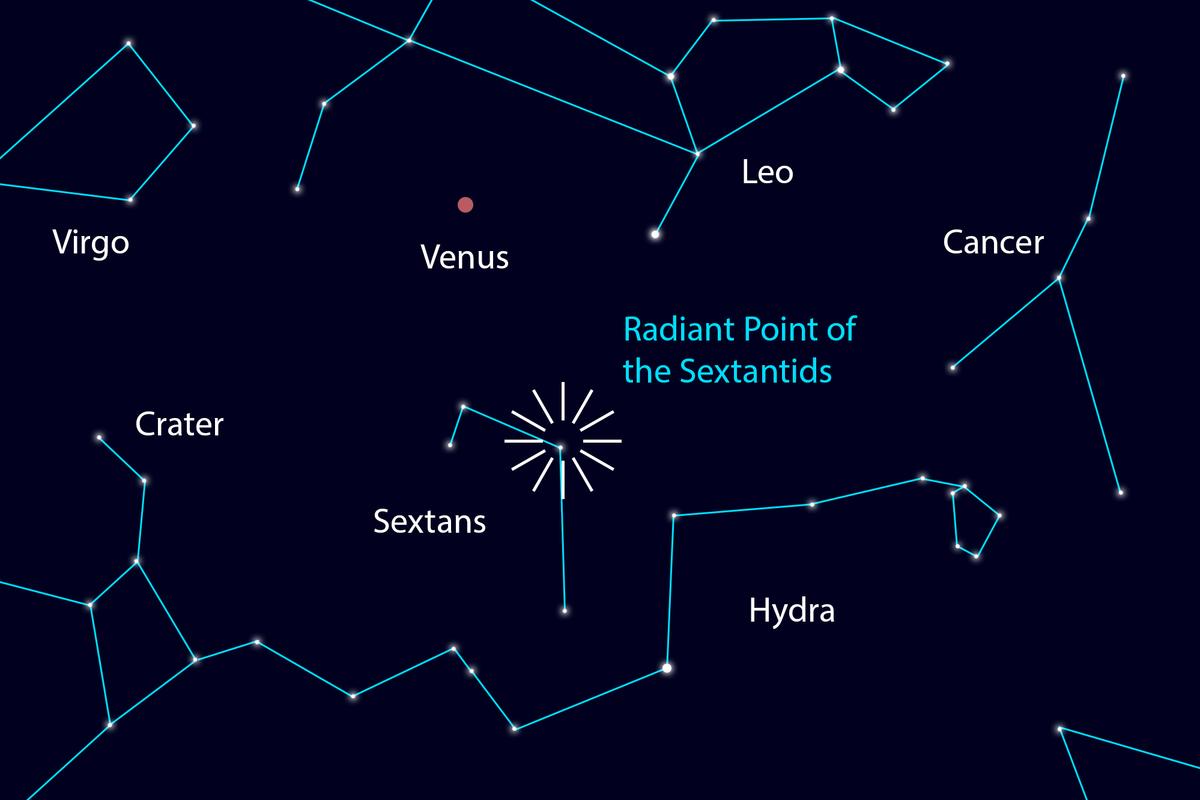
The Sextantids, a daytime meteor shower, will show up from Sept. 9 to Oct. 9 and peak around Sept. 27. They’re mostly viewed through radio telescope, however, as the human eye cannot see meteors during daylight hours.
What Are Meteors
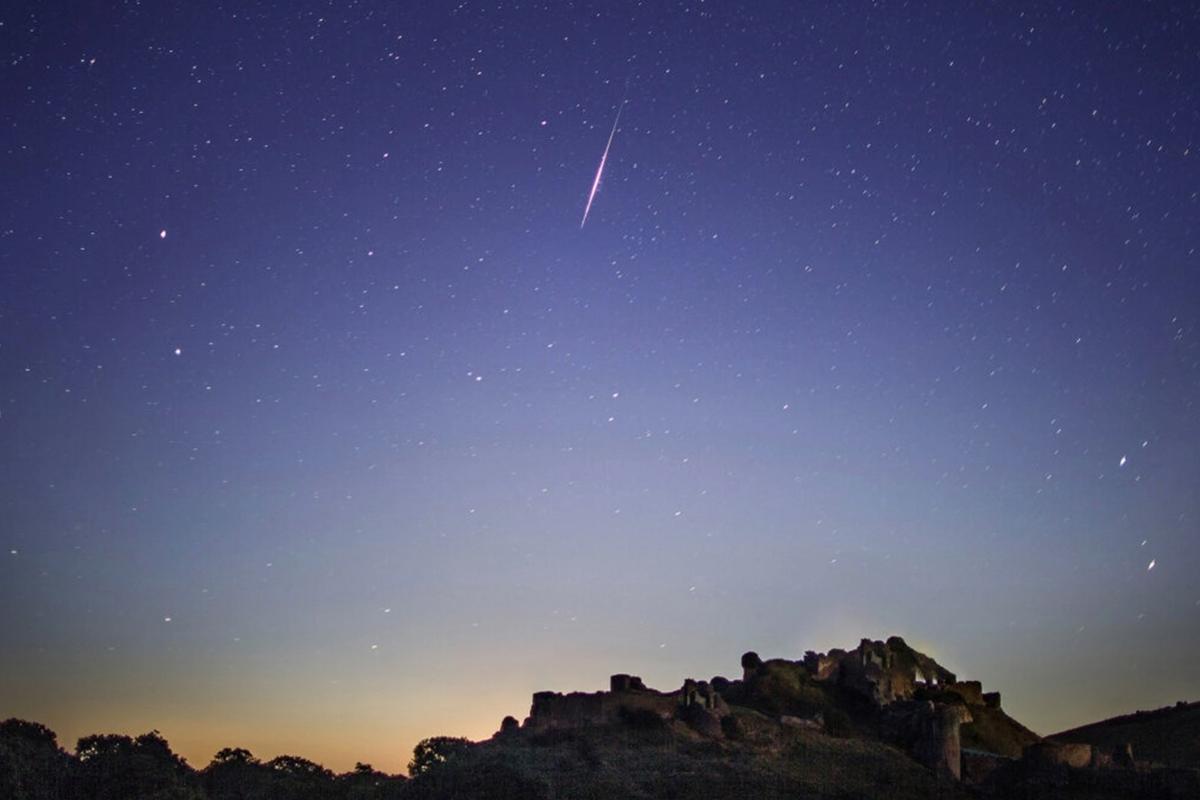
Humans have been enchanted by shooting starts for millennia. Records of meteors trace back as early as over 4,000 years ago, during the Neolithic period. But while folklore romanticizes meteors and popular culture tells us to “wish upon a shooting star,” science explains what they really are.Meteor Spotting in September
When the Aurigids peak on Sept. 1, the quarter moon will be looming, so if you want to view them, find a place where the moonlight is obstructed. Meteors fan outward from a single point in space called a radiant, and Aurigids’ radiant is in the constellation Auriga—hence the name Aurigids—which will be near the horizon just after sundown. You might catch as many as 5 Aurigids per hour.This year, viewing will be suboptimal during the Epsilon Perseids’s peak on Aug. 9. The full moon will cause interference, as it falls on Aug. 7. Like the famed Perseids in August, the Epsilon Perseids’ radiant is in constellation Perseus. The two showers are distinguished from each other by the fact that they have different parent objects. All meteors originate from either comets or asteroids, which shed their material through space. While the Perseids come from Comet 109P/Swift-Tuttle, the Epsilon Perseids are believed to originate from some unknown long-period comet.
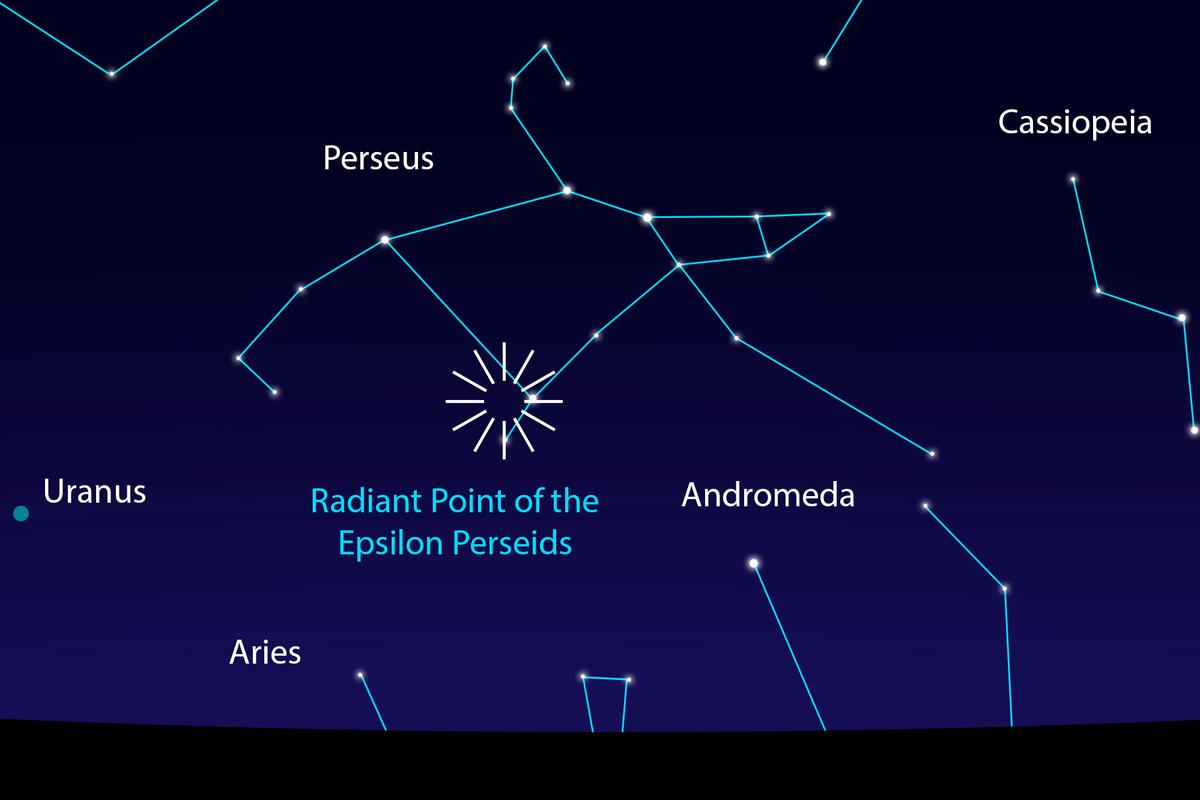
The Epsilon Perseids’ radiant will be highest around 5:00 a.m., so predawn will be the best time for viewing. You can expect to sight five Epsilon Perseids per hour.
Last of all, the Sextantids will peak on peak on Sept. 27. Although they fall mostly during the day, their radiant will peek over the horizon late next month, so you may spot a few meteors, though probably no more than one per hour. The Sextantids’ radiant, in constellation Sextans, is located close to the sun, making them hard to spot with the naked eye. The wee hours just after 4 a.m. would be the best time to try.
Where Do Meteors Come From?
Meteors appear to come from their radiant, which is fixed in the stars. But meteor showers do not originate from the constellations in which their radiants are fixed. The nearest star within the constellation Perseus is Persei, which is almost 90 light years away. But the Epsilon Perseids orbit around our sun and literally crash against Earth’s atmosphere; they didn’t fly all that way.So what, exactly, is their association with their constellation?
Meteors within a given shower more or less all travel in the same direction, because they’re all following the orbit as their parent object. Over time, that material distributes itself along a vast orbit and forms a meteor stream. We see meteors whenever Earth crosses that stream, which explains why they reoccur at the same time annually. If you were to rewind the meteors backward, they would all point in the direction from which their orbital motion brought them. They always point back to their radiant and their constellation.
It’s simply one-point perspective.
While it’s not known what parent object spawned the Epsilon Perseids (presumably some long-orbit comet did), astronomers know where both of the other two showers originate. Comet Kiess (C/1911 N1) begot the Aurigids, while the Sextantids came from Asteroid 2005 UD.