This copy is for your personal, non-commercial use only. Distribution and use of this material are governed by our Subscriber Agreement and by copyright law. For non-personal use or to order multiple copies, please contact The Epoch Times Reprints.
"The Fall of the Alamo," by Robert Jenkins Onderdonk, depicts Davy Crockett's last stand against the Mexican Santa Anna and his men. Crockett is wielding his rifle like a club. Public Domain
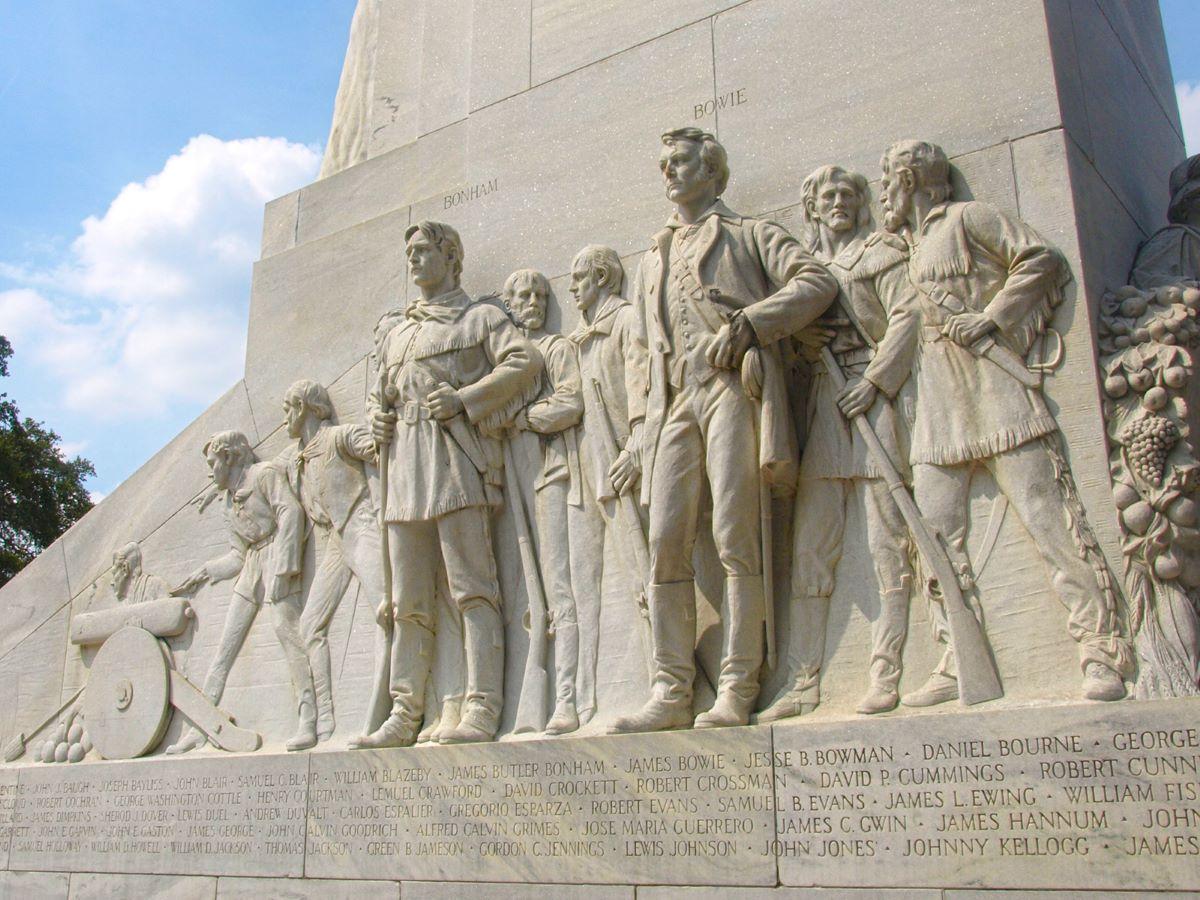
Sunday, March 6, 1836. At around 5 a.m., Gen. Antonio López de Santa Anna ordered the assault on the Alamo. Approximately 1,800 Mexican troops advanced on the small American garrison, some 200 men, inside that mission fort. Though the Alamo’s defenders were exhausted from the 12 previous days of siege warfare, and with the walls of their fortress battered and beginning to break apart, their cannon and rifle fire twice staggered the Mexican advance. Then, the lines re-formed for a third time, the attackers charged forward, and soon they were inside the fort’s perimeter.
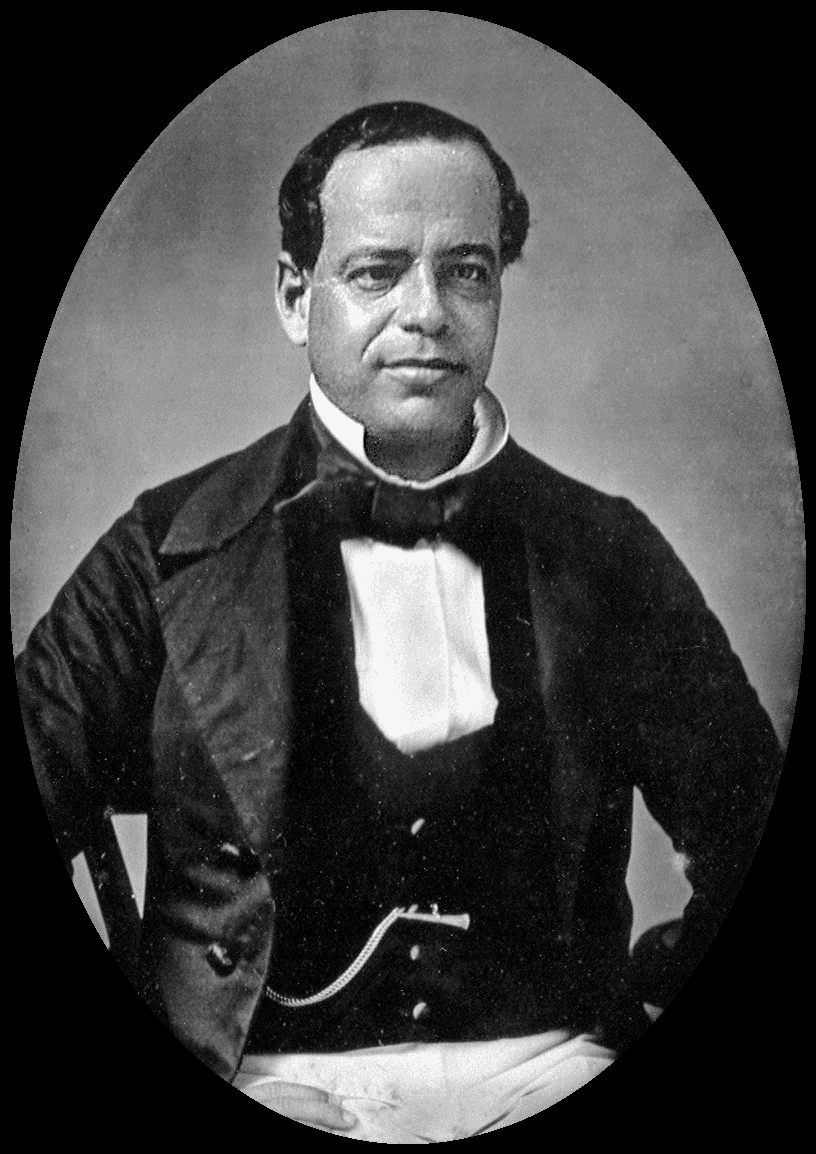
A daguerreotype of Antonio López de Santa Anna. Public Domain
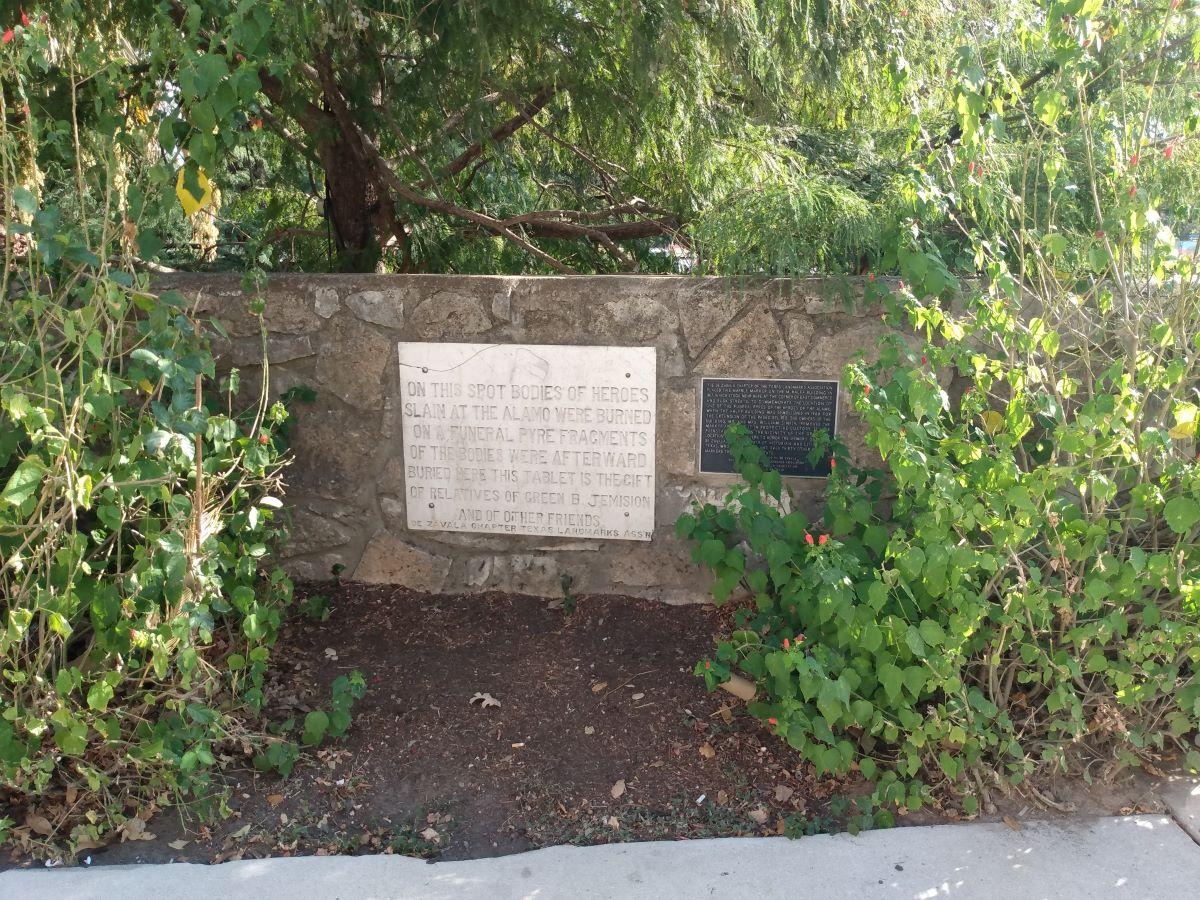
By then, the defenders must have realized that the battle was lost, yet they fought on to their death inside the barracks and the chapel. A handful gave up or were otherwise taken alive, but these prisoners were quickly executed, a fate promised them by Santa Anna days earlier when the garrison had refused to surrender the fort. By about 6 a.m., the fighting was over, and within the next two hours the last of the defenders had met their end. Santa Anna’s forces had suffered approximately 600 dead and wounded in the attack.
Why did the defenders fight to the death?
Freedom From Oppression
The men in the Alamo were a loose-knit crew of regular soldiers and volunteers. The latter group ranged from Davy Crockett to Mexican Texans, known as Tejanos, who were unwilling to see Texas succumb to what they regarded as Santa Anna’s tyranny. Some in this force hoped that Texas would join the United States, while others wanted that territory to become an independent republic.
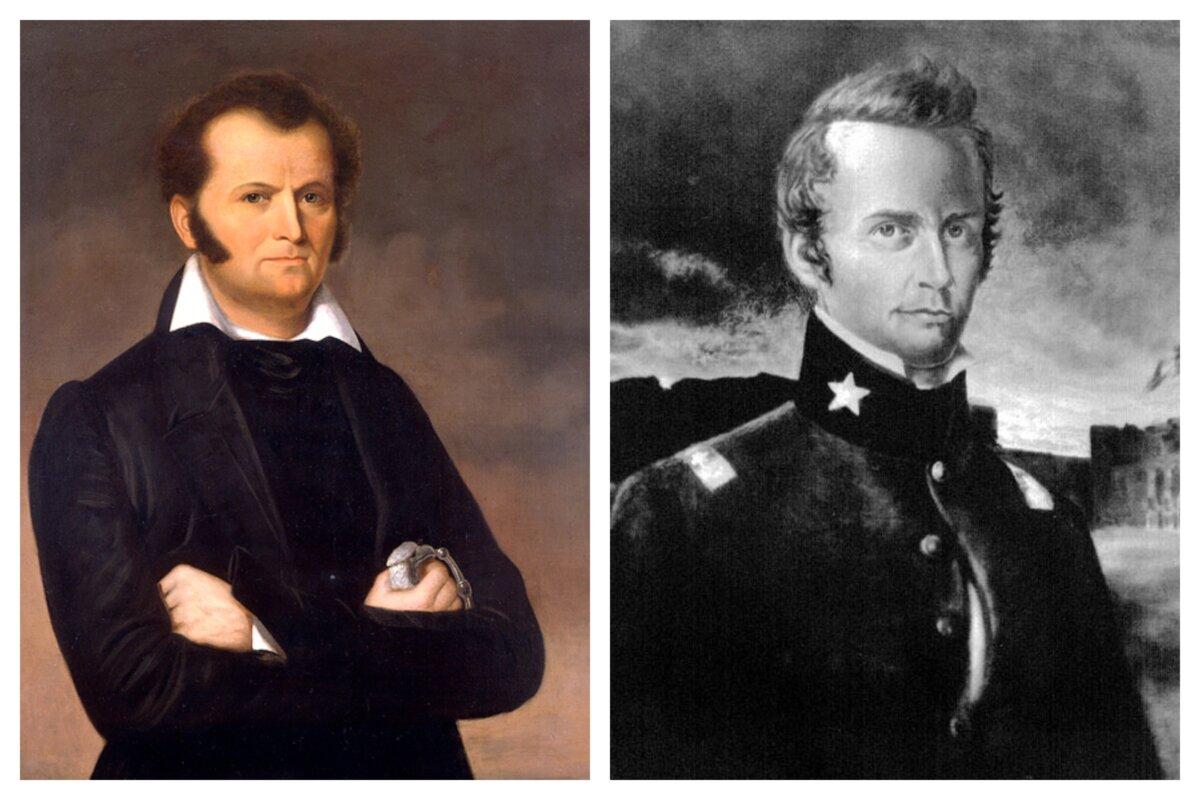
James Bowie (L) arrived at the Alamo with orders to destroy the complex. Instead, he became its co-commander. William Travis (R) became sole commander after Bowie became indisposed. Public Domain
Certainly, those who gave their lives during this battle were drawn to the banner of this higher purpose. After all, the desire for Texas’s independence was why this assortment of men were fighting at the Alamo, including renowned figures of the day like Crockett and Jim Bowie. But it still doesn’t make clear why they elected to die there.
Like numerous other commentators on war, Michael Walsh, in his book “Last Stands,” which includes an account of the Alamo, notes that “almost no one dies for an abstract idea.”
Camaraderie
Legend has it that as the siege continued, Lt. Col. William Travis, who was the overall commander of the Alamo, gathered the men together, drew a line in the sand, and asked those who were willing to stay and face death to step over the line. All but one man did so.
While possibly the stuff of myth, such a gesture was not beyond Travis, who had a flair for the dramatic. On Feb. 24, for instance, he sent out a now-famous letter addressed “To the People of Texas and All Americans in the World,” which ended: “I am determined to sustain myself as long as possible & die like a soldier who never forgets what is due to his own honor & that of his country—Victory or Death.”
Line in the sand or not, it seems likely that Travis would have offered his ragged band the chance to leave. Many of these men likely had wives and children, yet a contrary affection was also surely at work: brotherhood. Countless soldiers down through the ages have stuck to their posts because of the men standing on either side of them. They might be terrified, but duty, personal reputation, and their obligation to those in their ranks kept them steadfast.
That these men were at the Alamo attests to their willingness to fight to make the dream of a Texas republic a reality. That they fought with like-minded others would have added strength and cohesion to that effort. Finally, that they lived at a time and in a culture where honor and manhood were core values also helps explain their heroism.
In his famous letter, for instance, Travis wrote, “I shall never surrender or retreat.” Crockett’s personal motto was “Be always sure you’re right, then go ahead,” and in his last letter home, written before he reached the Alamo, he stated, “I am rejoiced at my fate.” In a letter written less than a month before the battle, when James Neill still commanded the Alamo, James Bowie declared: “Col. Neill & Myself have come to the solemn resolution that we would rather die in these ditches than give it up to the enemy.”
Like their leaders, the defenders of the Alamo were not men to be trifled with, as they would prove in the early morning of March 6 when the breach of the outer walls resulted in vicious hand-to-hand combat until the last of them fell.
A Mirror for Our Time
In our time, we’ve heard it said, “Nothing’s worth dying for.” Those who hold to that sentiment are, I suspect, rarer than they seem, for most parents would die for their children, others die rescuing or protecting others, even strangers, and members of our military may ultimately be called on to die for their country.
In 1836, those deaths at the Alamo refute the cynicism of modernity. After that defeat, roused to battle at San Jacinto by the cries of “Remember the Alamo!” the Texans won their independence and nearly a decade later joined the United States.
Here, we’ll give the last word to Congressman Dan Crenshaw. On March 6, 2025, he posted on Facebook: “The Alamo wasn’t a defeat. It was a spark. A spark that burned into the soul of every Texan, igniting a fight that led to victory at San Jacinto. In just 18 minutes, Texas was free, and the world learned something about Americans—we don’t run.
“The spirit of the Alamo is still alive today. It lives in every American who stands for what’s right, who refuses to back down, and who chooses principle over convenience.
“So don’t just remember the Alamo. Live it.”
What arts and culture topics would you like us to cover? Please email ideas or feedback to [email protected]
Jeff Minick has four children and a passel of grandkids. He has written two novels, “Amanda Bell” and “Dust on Their Wings,” as well as “Learning as I Go” and “Movies Make the Man.” You’ll find more of his writing at JeffMinick.substack.com.