The Declaration of Independence concludes with these bold but foreboding words for all who signed it: “And for the support of this Declaration, with a firm reliance on the protection of divine Providence, we mutually pledge to each other our Lives, our Fortunes and our sacred Honor.”
The men who supported freedom from Great Britain and fixed their signature to this document were well aware of the risks. Britain was already building a global empire, aided by a powerful army and a navy without rival. In contrast, the colonials sported some militias, but they were manned by volunteers. To put your name on this declaration readily identified you as an enemy of the Crown, traitors fighting a war of sedition. Lose the war or be taken captive, and you would find yourself in dire straits.
A Reputation Based on Grace and Character
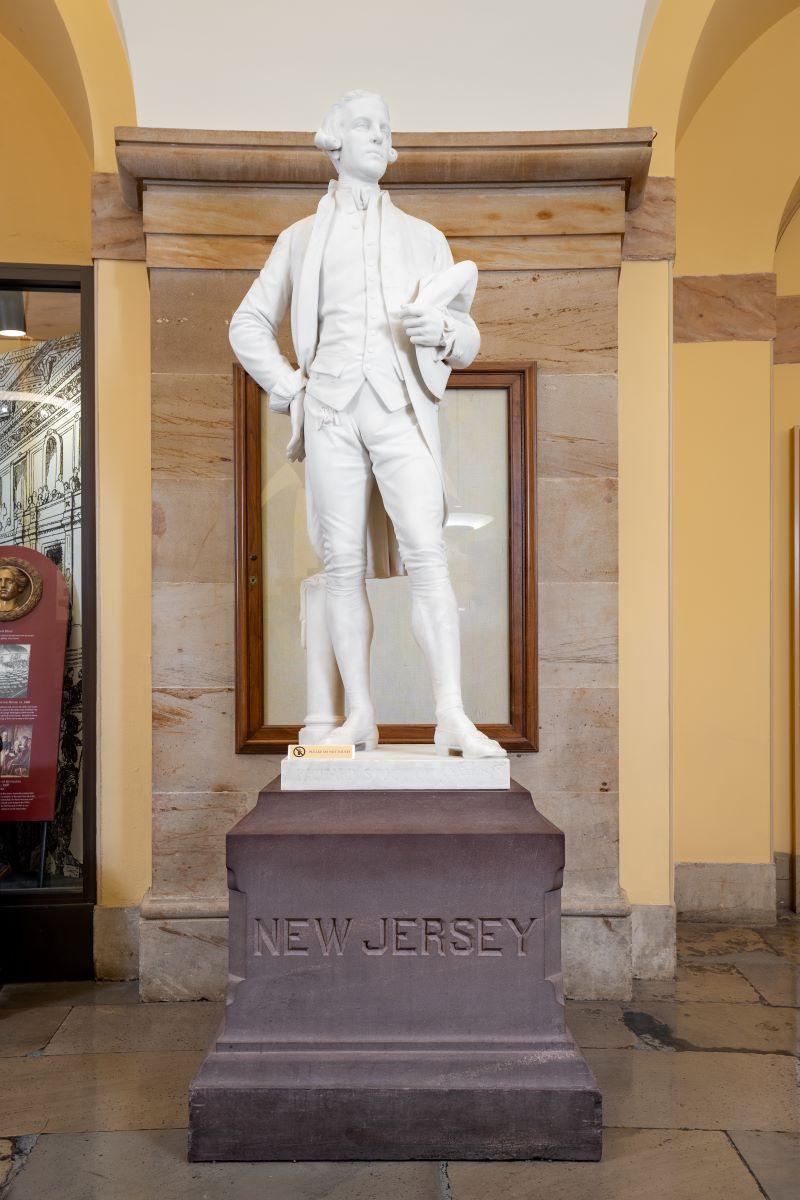
Six feet tall as an adult, an accomplished equestrian and swordsman, Stockton’s roots in the New World were deep. His great-grandfather had arrived in New York in 1655, and, by the time of his birth, Stockton’s parents, John and Abigail, owned considerable lands in New Jersey.Stockton received an excellent education before entering Newark’s College of New Jersey, which a short time later, with Stockton’s father acting as a chief benefactor, moved its location and would become Princeton University.
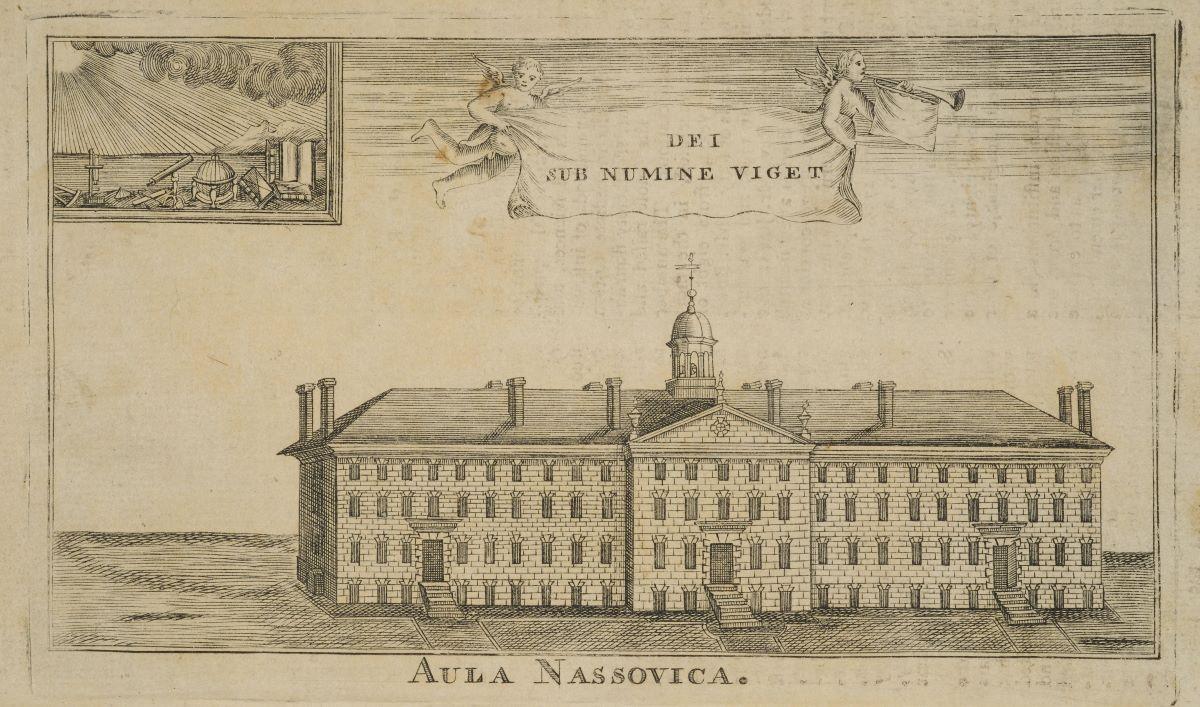
Following his graduation, Stockton read the law and joined the bar in 1754. His speaking abilities and knowledge brought him success and earned him a reputation “as one of the most eloquent lawyers in the colonies.”
In 1757, he married Annis Boudinot, who became a premier poet of the American Revolution and a friend of George Washington. They lived at Morven, a property granted to his grandfather, and together had six children.
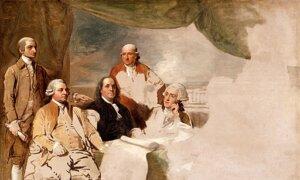
In 1766—Annis remained at home, insisting that the voyage would prove too arduous for their first four young children—Stockton traveled to Britain, where he remained for 15 months. His grace, appearance, and gifts in speaking made him popular among those he encountered. He acted as an unofficial representative of the American colonies, meeting the important people of the day, including King George III and various members of Parliament.
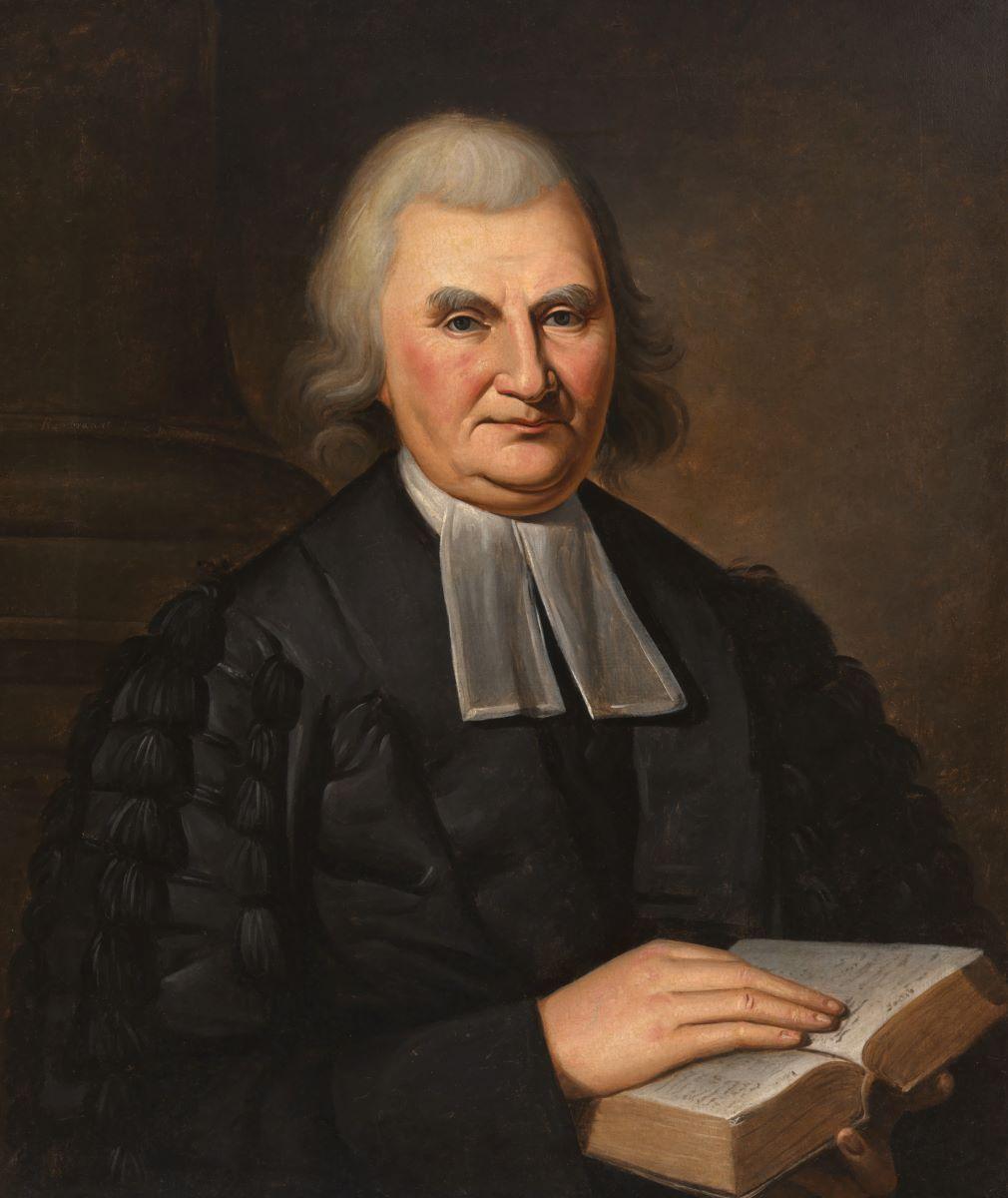
It was then, too, that he became acquainted with Benjamin Franklin and with John Witherspoon Witherspoon was a Scottish Presbyterian minister and educator whom Stockton and his future son-in-law, Benjamin Rush, then studying medicine in Britain, persuaded to become president of Princeton. Less than a decade later, all four of these men would sign the Declaration of Independence.
Unlike some of his contemporaries, Stockton was no radical when it came to American independence. At the end of 1774, he wrote and sent a plan to Britain’s secretary of the colonies, Lord Dartmouth, proposing that America be allowed a large measure of self-government, but with its ultimate allegiance to Britain. Without such concessions, he contended, the result would be war.
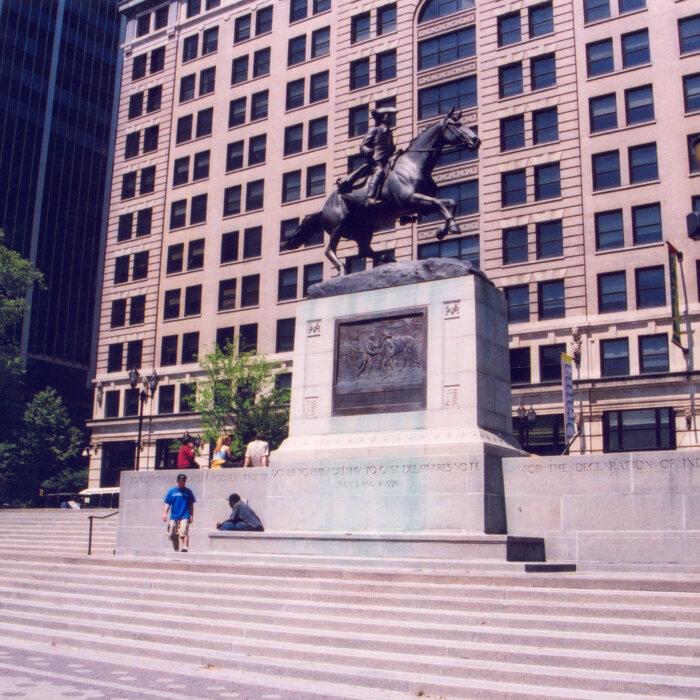
Less than six months later, Stockton’s prediction came to pass. Elected in June of 1776 to represent New Jersey in the Continental Congress, he and another new state representative, Witherspoon, arrived in Philadelphia just in time to take part in the final arguments for a Declaration of Independence. There, a rousing speech by John Adams and remarks from others supporting independence convinced both men to vote for liberty.

In the fall, Congress dispatched Stockton and another delegate to assess the northern army and report back its requirements for provisions, clothing, and weapons. Stockton did so, sending a long letter describing the cold weather and lack of clothing among the soldiers, who “were marching with cheerfulness but a great part of the men barefooted and barelegged.”
Learning that the British had invaded New Jersey, Stockton rushed home and removed his family to a friend’s home near Princeton. On Nov. 30, Loyalists captured him, dragging him from his bed, marched him off dressed only in his nightshirt and britches in the frigid weather, and turned him over to the British.
The Price of Liberty
Howard Peckham’s 1974 book “The Toll of Independence” is still considered the best source for American deaths caused by the Revolution. He found that 8,624 men died in battle or of their wounds. Meanwhile, he tells us, some 8,500 more died in British captivity.That staggering loss of captured men came from the conditions of the prisons both on land and on the ships to which these men were confined. Stockton was sent to New York City’s Provost Prison, sometimes called the Dungeon. Forced to wear leg irons, starved and subjected to freezing temperatures, his health quickly deteriorated. On Jan. 3, 1777, Washington prevailed upon British Gen. William Howe to consider releasing Stockton, which was done in mid-January by means of a then-common practice, a parole, his promise to fight no more against Britain. Stockton nearly two years to recover his health.
But the bad news for Stockton didn’t end there. British general Cornwallis and his troops had camped out for a time at Morven and had looted the property, carrying away the livestock and burning everything from furniture to clothing to the books in his library, which was one of the best collections in the country. For a time, Stockton depended on the generosity of friends while recovering from his prison ordeal. He reopened his law practice to provide for his family, but then fell ill again, was diagnosed with cancer, and died at age 50.
Nor was even that the end of this good man. During his final years, and right down to our present time, some attacked him as a traitor to the American cause, condemning him as having asked pardon for his part in the Revolution and then siding with the British. These critics failed to distinguish between a parole and a pardon. There is no evidence that Stockton reneged on the oath he had signed in the Declaration.
Though Richard Stockton is little known today, this 250th anniversary of the Declaration affords us the opportunity to remember this American patriot who kept his “sacred Honor” and lost his fortune, and nearly his life, for the cause of liberty.