The Peales have been called the first family of American painting. Patriarch Charles Willson Peale (1741– 1827) was a foremost portraitist of the Revolutionary War and early United States, painting likenesses of the Founding Fathers. He had three wives and 17 children.
Of the 11 children who lived to adulthood, several followed in their father’s footsteps by becoming respected artists, scientists, and innovators. Five of the six children from Willson Peale’s first wife, Rachel Brewer (1744–1790), became artists; only one of his second wife, Elizabeth de Peyster’s (1765–1804) children was artistically inclined.
His Brother’s Replacement
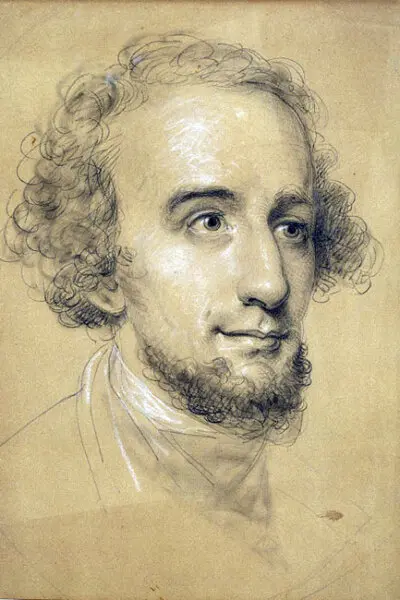
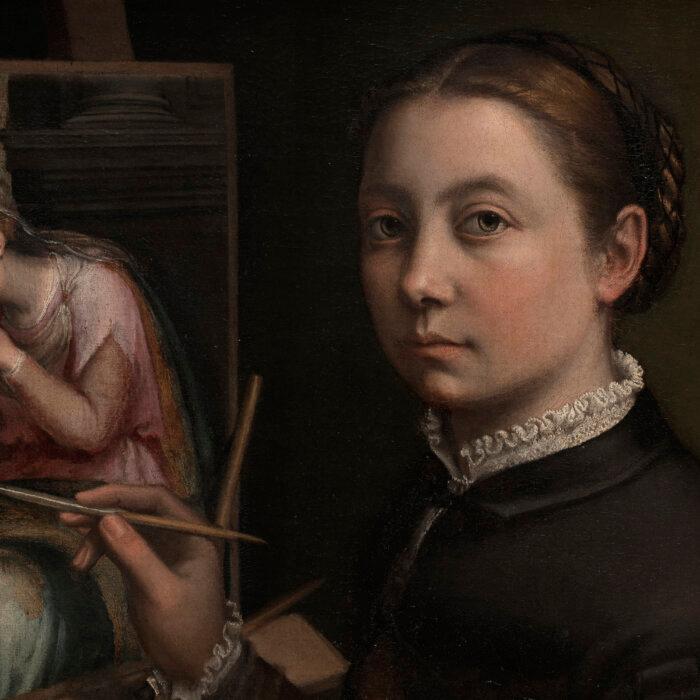
Titian Ramsay Peale II (1799–1885), a scientist and explorer, used his artistic skills to illustrate his findings in the natural world. He was born on Nov. 17, 1799, in Philadelphia, the youngest son of Charles Willson Peale and Elizabeth de Peyster. Usually, a son who’s the second in line is named after his father, grandfather, or perhaps an uncle.Titian II was named after a less likely person. Like all Peale’s children, he was named after one of his father’s favorite artists. His moniker was Titian (1490–1576), an Italian Renaissance painter of the Venetian School.
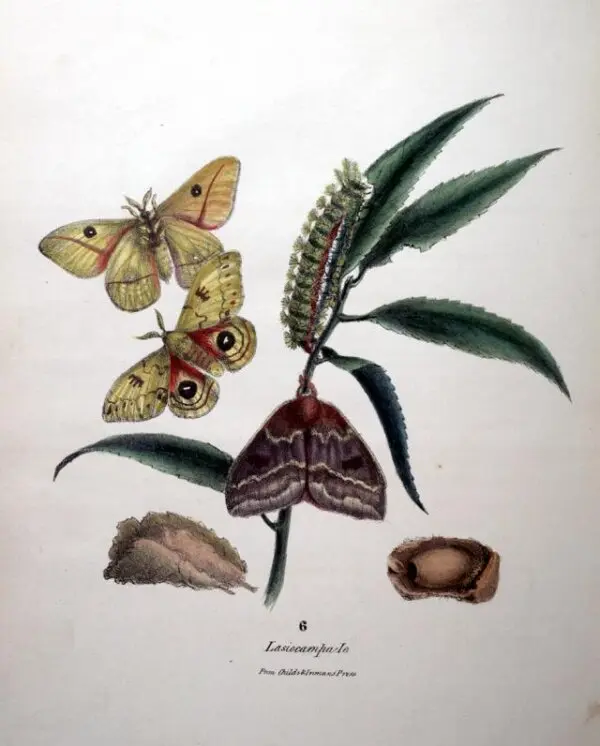
Willson Peale had used the name before, christening his third son with his first wife Rachel, Titian Ramsay Peale (I) in 1780. In his teenage years, Titian I became an accomplished ornithologist and taxidermist, helping with his father’s museum and creating illustrations of insects.
Tragically, he died suddenly in 1798 of yellow fever at just 18 years old. When another son was born the next year, Peale named him Titian Ramsay II in memory of his recently deceased son.

Like all the Peale children, Titian II grew up in a very artistic environment. He was born in Philosophical Hall, the family home as well as the location of his father’s Peale Museum. He received artistic training as a young boy and helped his father collect, preserve, label, and arrange scientific displays in the museum.
Scientific Expeditions
Some scientists are content to sit in their comfortable laboratories and study specimens from the outside world, but Titian went into the thick of nature to study it. His greatest achievement was accompanying many scientific expeditions.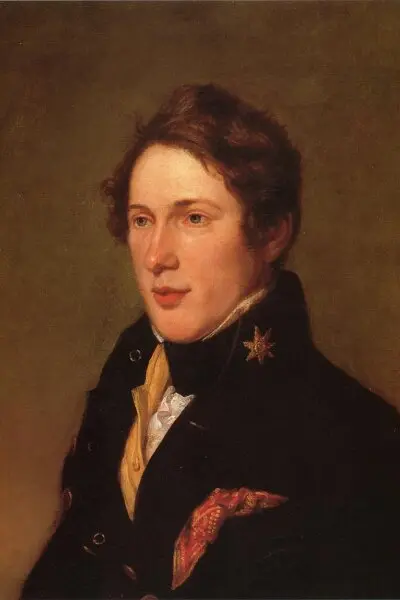
As a scientific illustrator, Titian used his artistic ability to document the rich flora and fauna of the United States and far-off lands that the expeditions encountered. In the days before photography, this was an invaluable tool in scientific discovery and documentation.
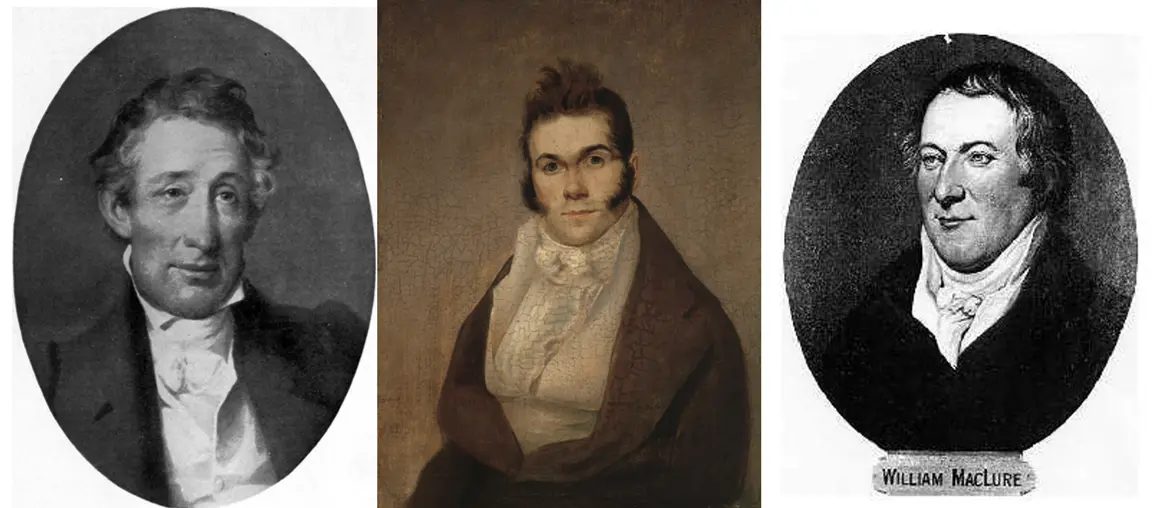
Titian went on his first expedition in 1817, when he was just 17 years old. This expedition to eastern Florida, Georgia, and the Sea Islands of Carolina included William Maclure (1763–1840), the ”father of American geology”; Thomas Say (1787–1834), an important entomologist and member of the Philosophical Hall; and George Ord (1781–1866), a pioneer of American zoology.
This scientific adventure is considered the first private exploration to be sponsored by a museum (the Academy of Natural Sciences in Philadelphia) in the United States.
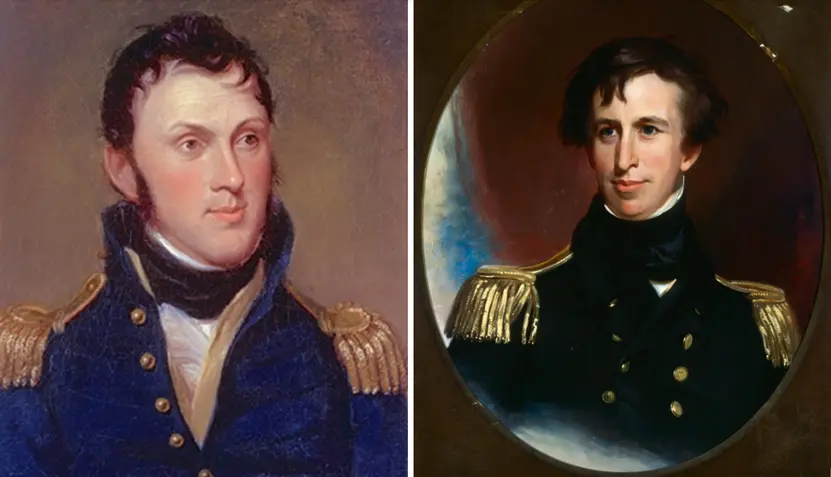
Two years later, Peale was invited on his best remembered expedition, that of Maj. Stephen Harriman Long (1741–1827), who explored of the Rockies and the Central Plains. This government-sponsored expedition lasted from 1819 through the summer of 1820.
Peale acted as assistant naturalist to this group of scientific explorers. The scientists traversed the rivers and plains to document landscapes, create maps, observe wildlife, and collect plant and animal specimens. They labeled the Central Plains the Great American Desert because of the scarceness of water and vegetation.
Sketches and Paintings
Peale produced 122 drawings and paintings from this expedition, which were published in “American Entomology” and in Alexander Wilson’s “American Ornithology” over the next several years.These highly accurate yet undeniably artistic renderings established his reputation as a scientific illustrator. He was recognized as one of the foremost illustrators of the Central Plains for decades.
In the coming years, Peale went on several private trips of varying lengths throughout North and South America to continue his research and illustration. In 1838 he embarked on another formal scientific expedition.
In 1838 to 1842, he was the chief naturalist on the United States Exploring Expedition on the USS Peacock. Led by Lt. Charles Wilkes (1798–1877), this group of scientists sailed on a southerly route around the globe from the Pacific Northwest to Antarctica.
Along the way, Peale produced drawings, shipped specimens back to Philadelphia, and had a strait in the state of Washington named after him (Peale Passage in Puget Sound). His journals from this expedition were later published by the American Philosophical Society in 1961. However, personal conflicts with Wilkes kept a definitive collection of his illustrations from the voyage from being published.
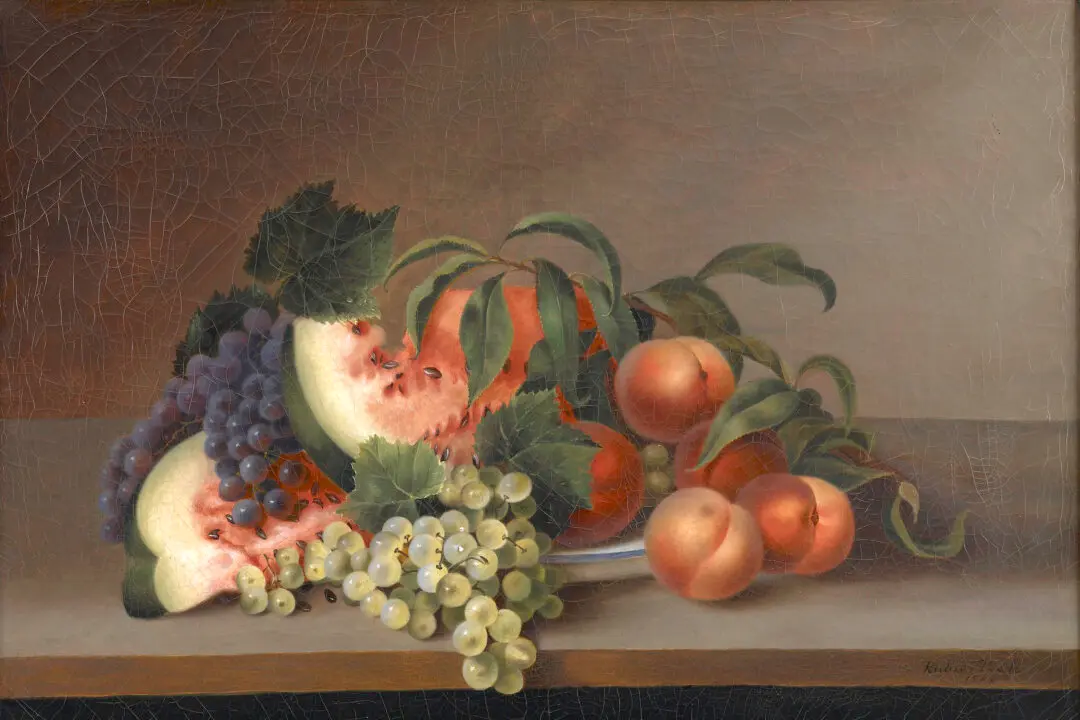
Although Peale never produced paintings for artistic display, some of his landscapes are beautiful enough to have been displayed as still-life paintings in a museum.
Photography and More
Titian Peale’s scientific illustrations were incredibly valuable in the decades before it was possible or feasible to produce photographs. Peale was also interested in photography in the first few decades of its development. From 1855 until the end of the Civil War, he was a passionate amateur photographer. He joined clubs, went on field trips, and exchanged photographs with other camera bugs. During this decade he captured extensive photographs of the buildings and landscapes in and around Washington.
In his last few decades, Peale worked for the U.S. Patent Office. The U.S. Mint also employed his artistic skills by hiring him to design coins, including the soaring bald eagle design on the reverse of the Gobrecht dollar.
Like most members of the Peale family, Titian Ramsay Peale II was a true Renaissance man. In his 85 years, he illustrated, preserved specimens, explored the globe, curated museums, took photographs, and developed new ways to display butterflies.
He also had several landmarks and species named in his honor. He was far from a replacement for his deceased brother. He was a brilliant man in his own right.