This copy is for your personal, non-commercial use only. Distribution and use of this material are governed by our Subscriber Agreement and by copyright law. For non-personal use or to order multiple copies, please contact The Epoch Times Reprints.
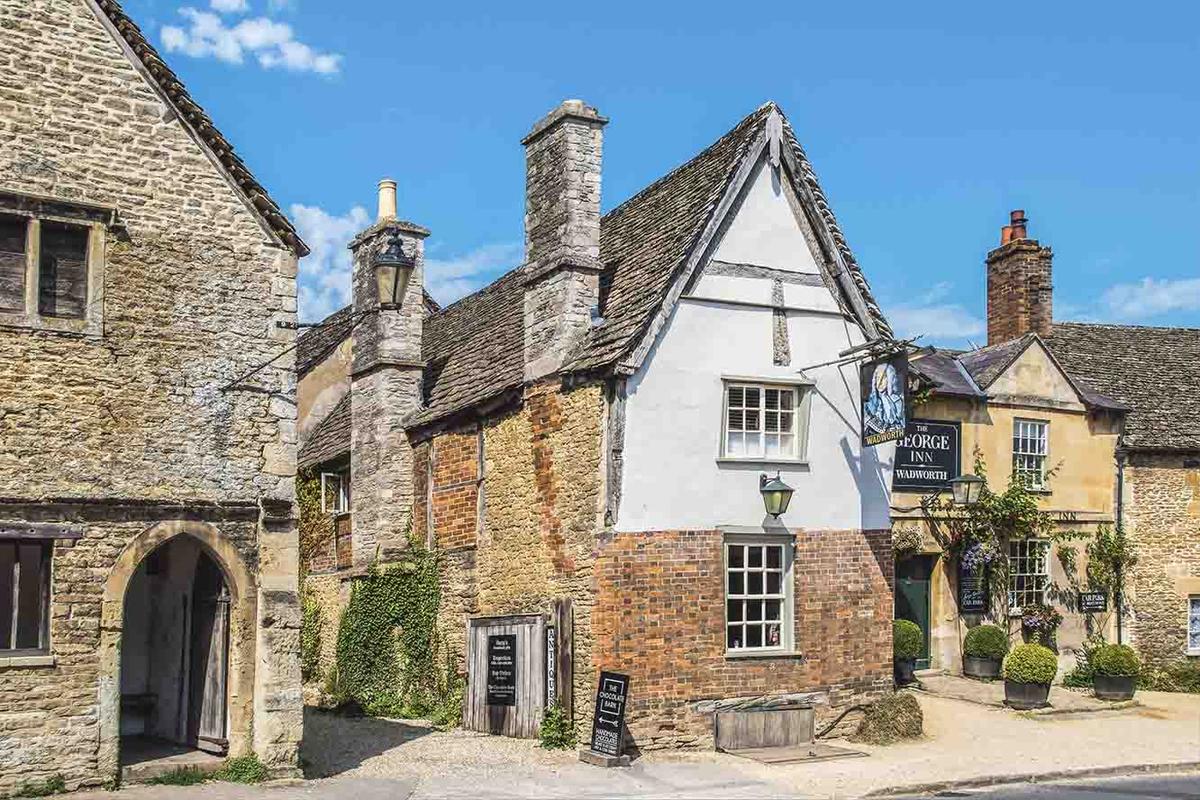
Footsteps scuff over the uneven floors of The George Inn—a wonky, half-timber establishment from the 14th-century—signalling another group of tourists have arrived in the medieval village of Lacock.
This picturesque village of just over 1,000 people is easily one of the oldest, best-preserved, and most beautiful settlements in England.
Some of the visitors have pre-ordered steak-and-ale pies or fish and chips with tartar sauce—a dish as quintessentially English as the village itself. Staff show off the inn’s famous open-air rotisserie spit, no longer in use, which once was powered in-house by a dog.
June, July, and August are when The George Inn is busiest with tour groups. Students on summer break flock in with their parents to see the abbey that became Hogwarts, the fictional boarding school in the “Harry Potter” movies. Like a living fairy tale, every building in Lacock is listed for its historic interest.
The George Inn in Lacock, England. Shutterstock/Vineyard Perspective
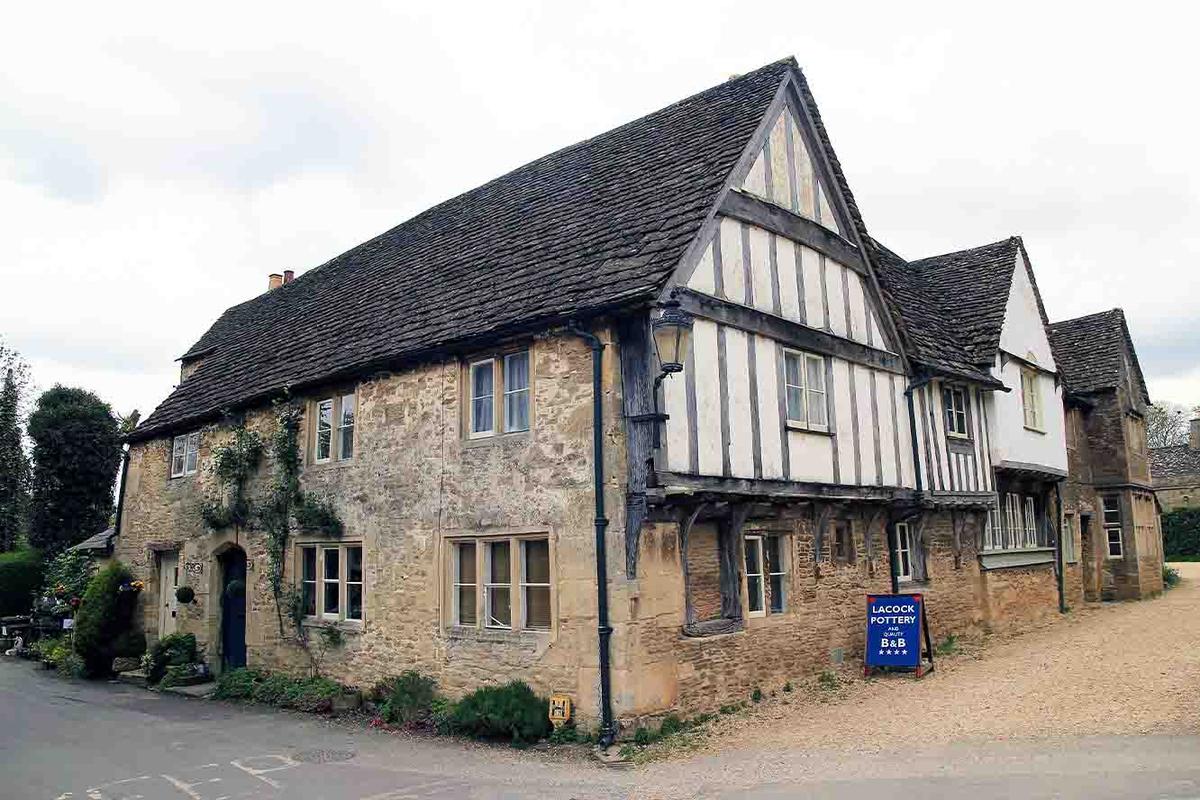
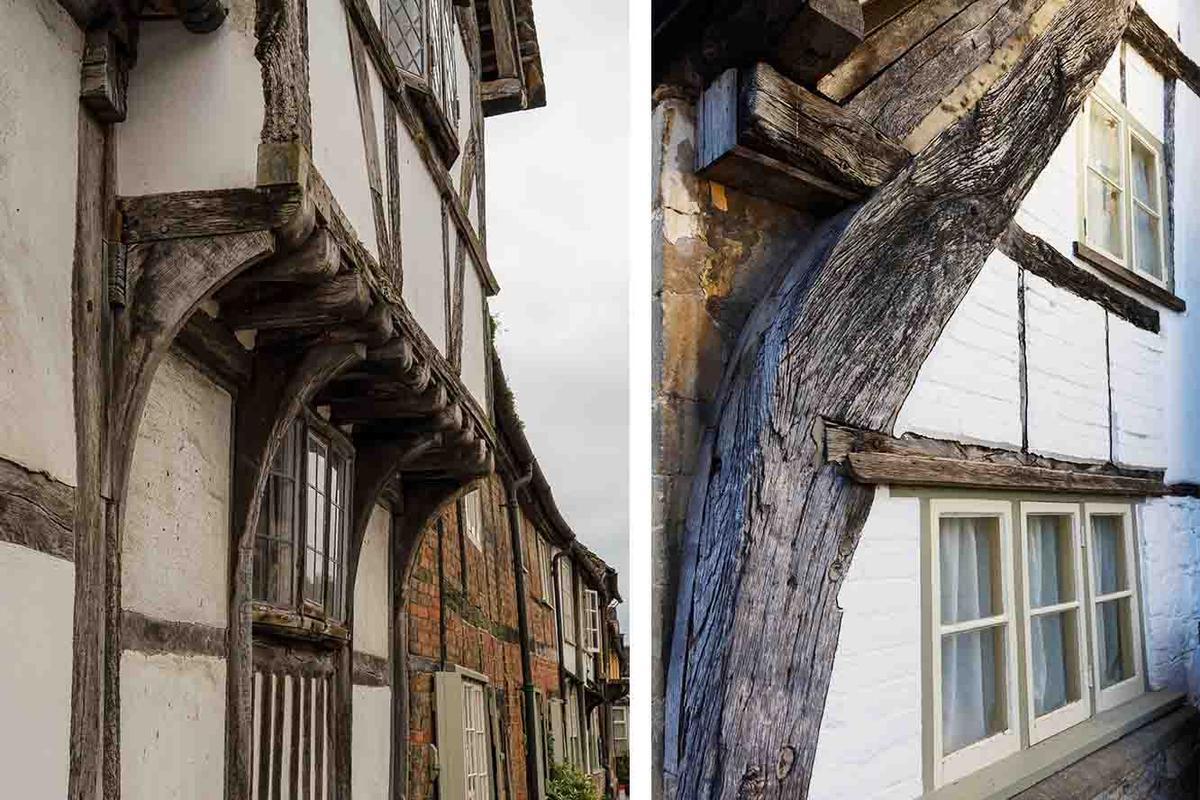
Half-timber hall buildings preserved from medieval times in Lacock, England. Shutterstock/Loretta Damska
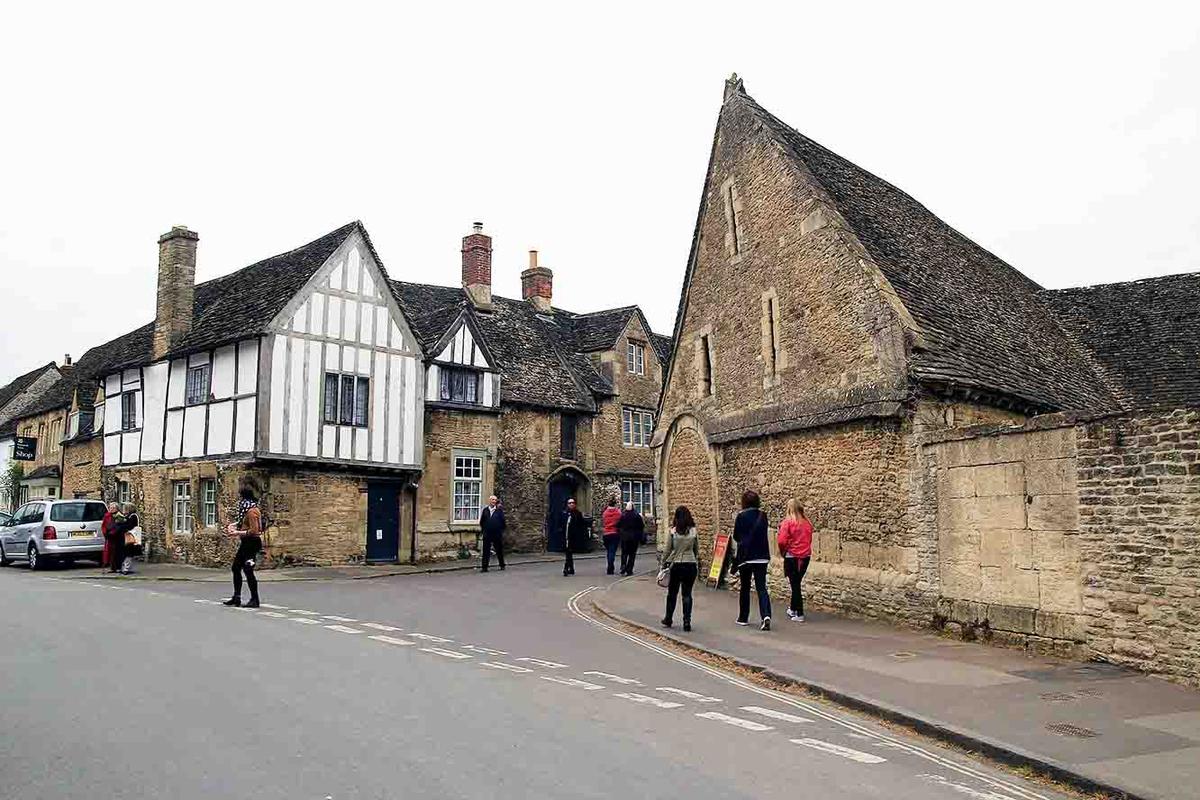
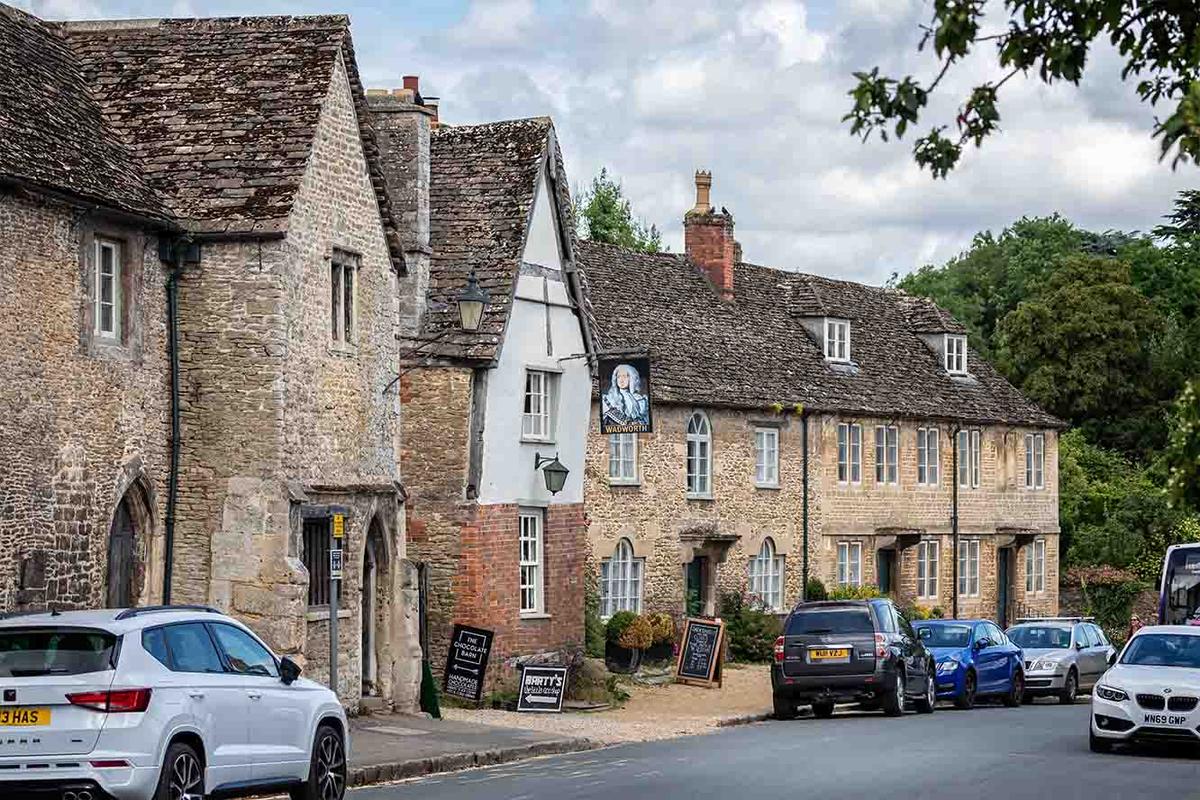
Tourists walk by old buildings at the intersection of High Street and East Street in Lacock. Shutterstock/Loretta Damska
A striped Tudor-style home in Lacock. Shutterstock
The tiny village of Lacock, located 12 miles south of Bath, is a veritable time capsule where practically all the buildings hark from the 1300s. Only an odd few are later additions, with none coming later than the 1920s. It’s no wonder big-budget films and TV shows such as “Pride and Prejudice” and “Downtown Abbey” have shot scenes here.
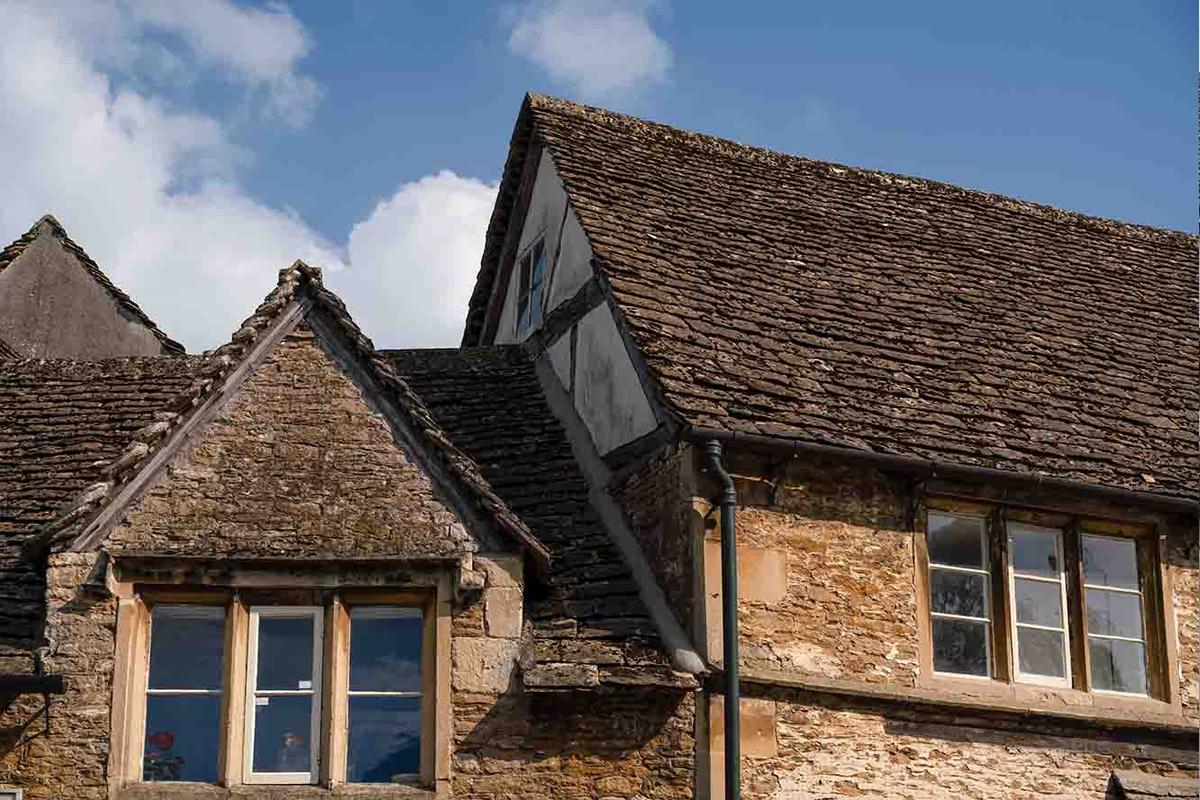
Busses of tour groups arrive regularly and park in a lot outside town. They walk in so as to cause as little disturbance as possible. All along the irregular streets, striped Tudor-style buildings with limestone-washed stone walls jut out haphazardly, each structure as unique as the next. Visitors sight spots made famous by the silver screen and snap photos, re-enacting movie scenes.
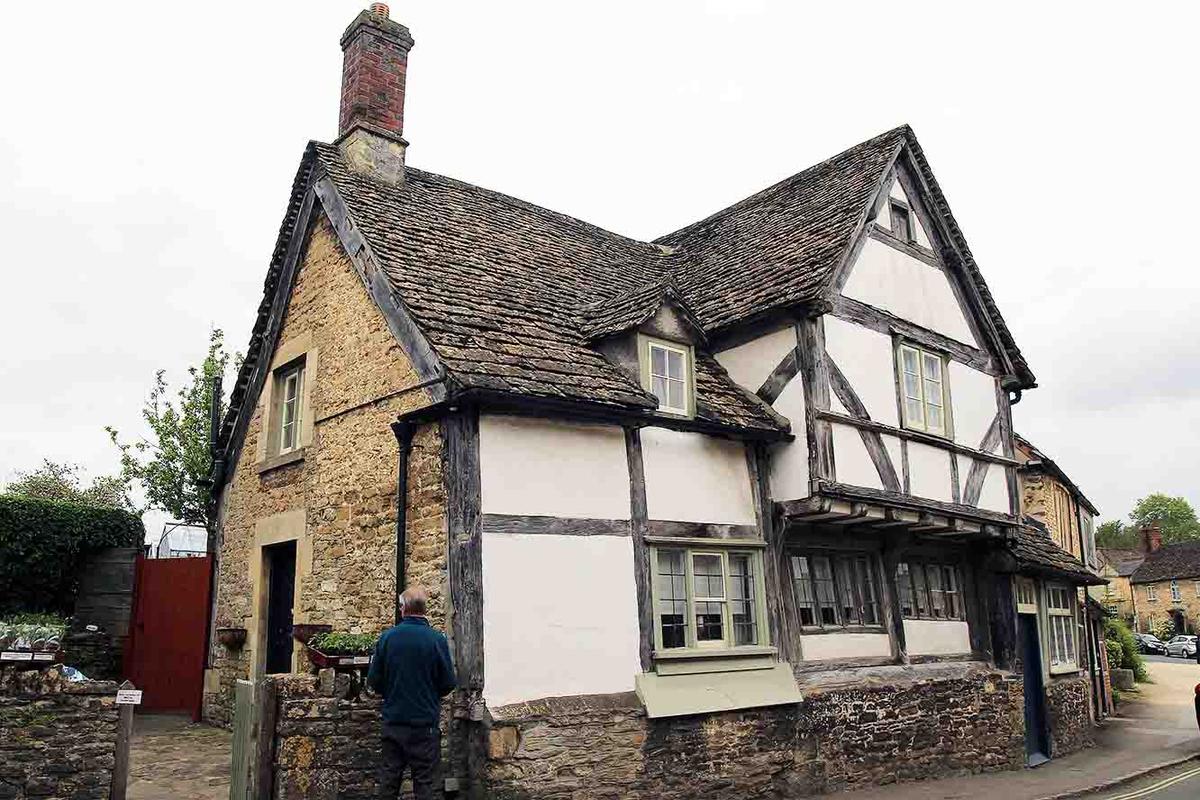
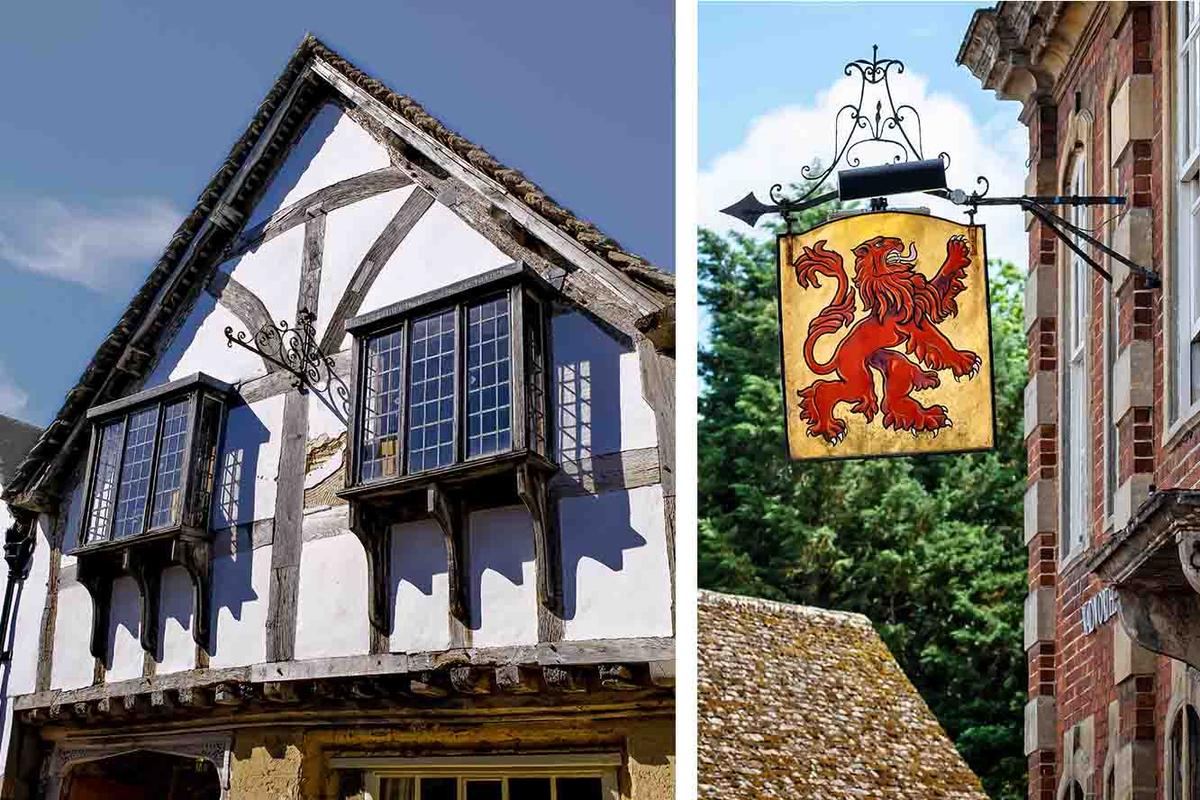
Half-timber homes establishments ooze character in Lacock. Shutterstock/Martin Hibberd/Anna Jastrzebska
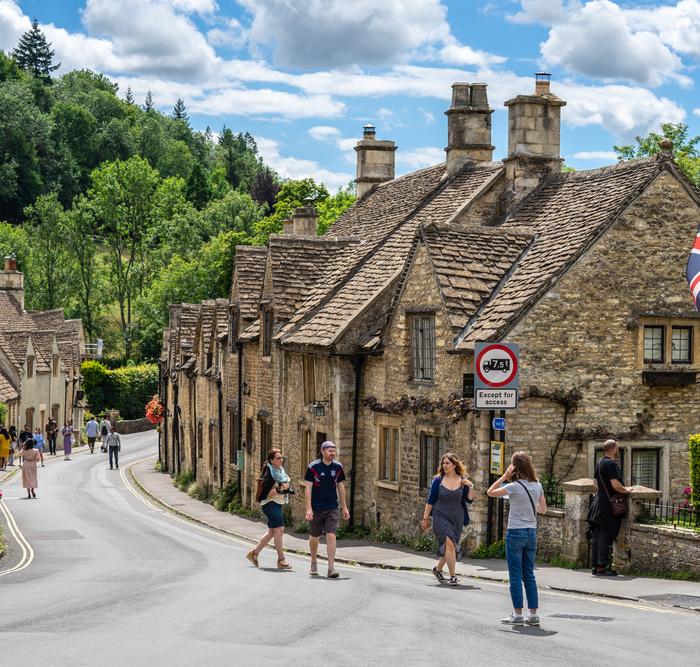
Tourists take photos along High Street. Shutterstock/Loretta Damska
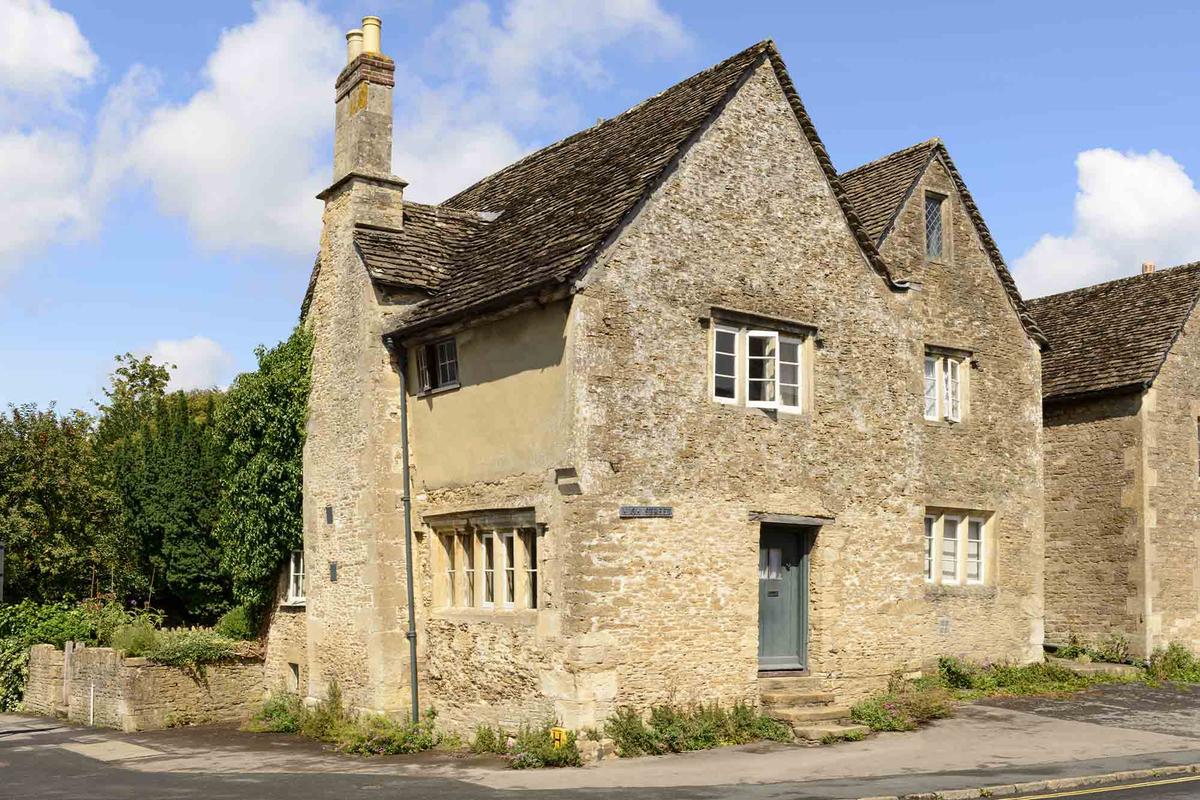
A medieval home in Lacock. Shutterstock/Loretta Damska
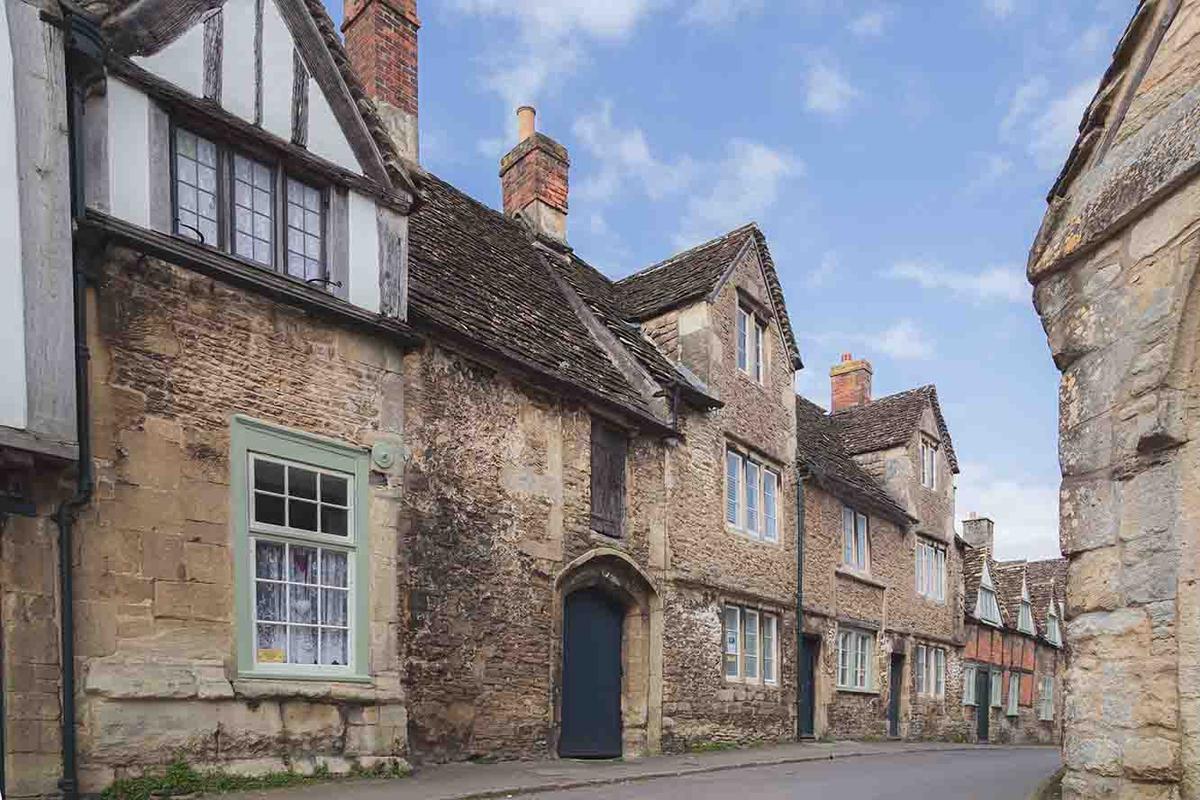
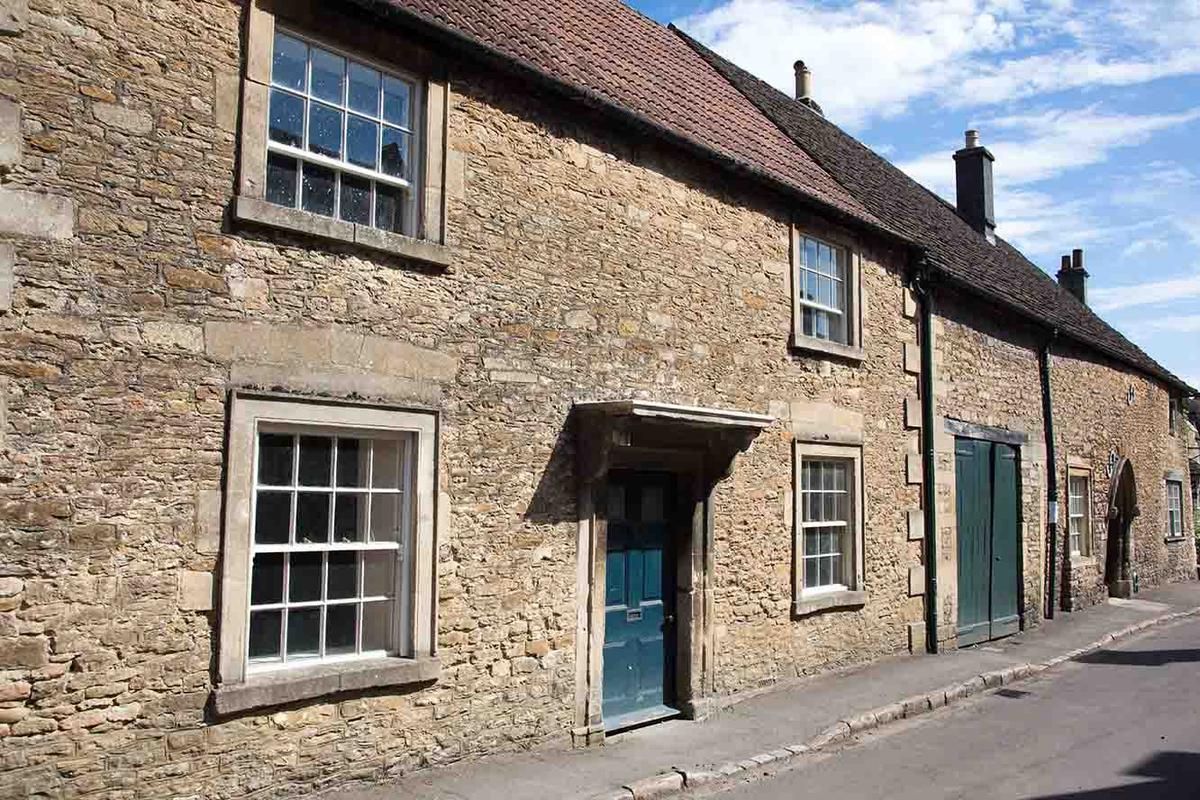
Stone walled buildings along East Street. Shutterstock/Stephen Bridger
Lacock is little more than four streets linked round a central hub, with St. Cyriac’s Church to the northeast. To the southeast lies the abbey, which was later converted into a manor house after King Henry VIII’s Dissolution of the Monasteries in 1539.
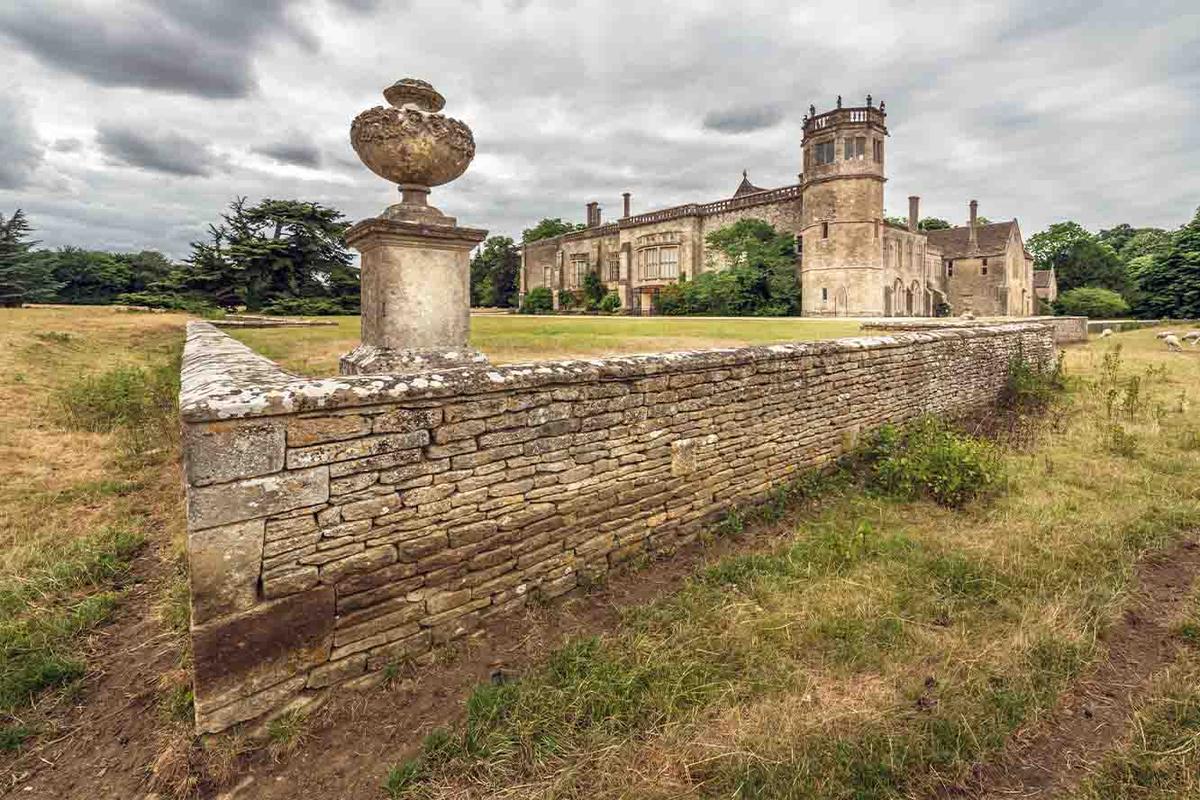
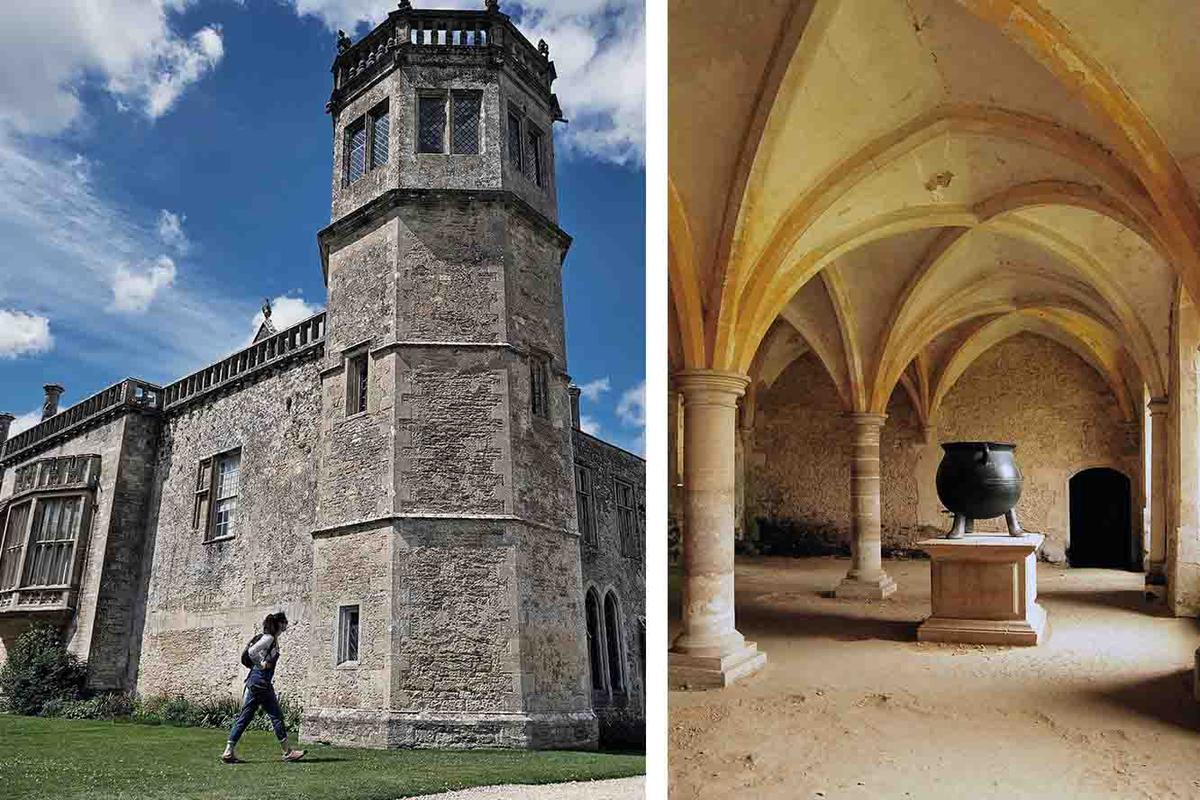
The abbey was originally founded as an Augustinian nunnery by Ela the Countess of Salisbury in 1220. Its ornate stone cloisters, still intact, showcase soaring gothic masonry and sculpted gargoyles. Art still fills the rooms today. The abbey became a county home of the Sherington and Talbot families—including William Henry Fox Talbot, who lived here and took the world’s first photographic negative. A museum in his namesakes now exhibits his work in Lacock.
A view of the abbey from the southeast. Shutterstock/Photo-PS
(Left) Detail of the abbey architecture (Shutterstock/Rob Fuller); (Right) The cloisters of the abbey, where scenes from "Harry Potter" were shot. Shutterstock/OguzMeric
The Lacock Lock-up was where drunkards were once detained until sober. Shutterstock
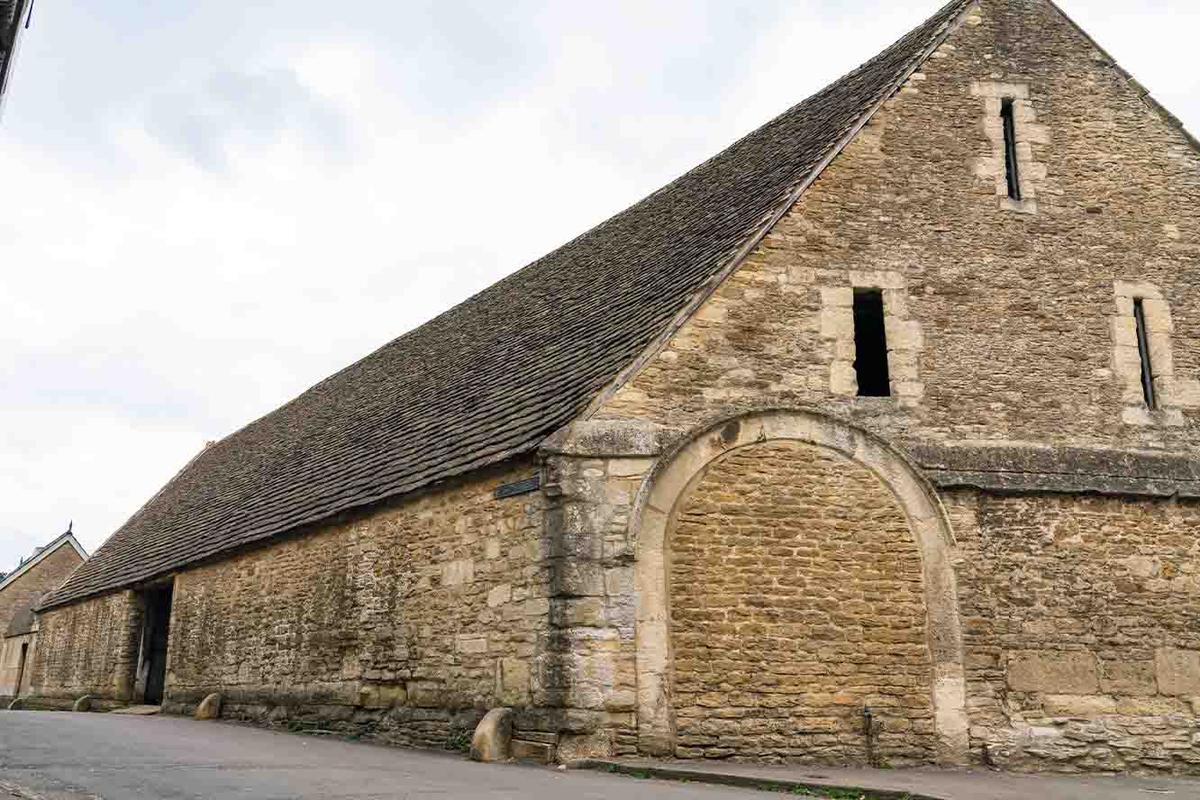
Lacock once thrived on wool production, a business the nuns of the abbey ran while raising sheep. But by the mid-1800s, the Industrial Revolution introduced mechanical looms and factories, decimating the village’s industry. Many locals became unemployed and ended up in the workhouse, and inmates worked at the local tannery (now a bed and breakfast). This was exceedingly dirty and smelly work. Animal skins were prepared and soaked in tanning vats to be dried in an open-air shed.
The village, however, was eventually lifted out of poverty by the National Trust. In 1944, Matilda Talbot, Lacock’s last landlord, handed ownership of the village to the trust for preservation, and a full 98 percent of the village became protected heritage sites. Locals and business owners rent as tenants partnering with the trust. Generations of families have lived in these medieval homes.
Stone buildings along Church Street. Shutterstock/TravellingFatman
A stone building at the junction of High Street and West Street. Shutterstock/hal pand
A peek inside one of Lacock's myriad stone buildings. Shutterstock/hal pand
Tourism today has managed to breathe new life into Lacock’s economy. For many locals, however, the influx of visitors has triggered new concerns. Some felt excessive traffic might “damage the character of the historic village,” and visiting cars have reportedly caused difficulties for locals parking at home. But within the last five years, steps were taken to keep the picturesque scenery intact, such as by limiting automobile traffic and requiring visitors to park on the outskirts of town.
“To be honest with you, tourist groups run to the village every single day of the year, even Christmas,” Ashley, who works at The George Inn, told The Epoch Times. “They normally visit sort of in the middle of the day, but in the evening, no [tourists are] around.”
The inn is busiest in the months of June, July, and August, she says, then slows in autumn until spring.
Duncan, a staff member at the National Trust, told The Epoch Times the village will “be quieter” in September but said that visitors are “no bother” to the locals. “We’re a big tourist attraction for the National Trust property and village,” he said. “It’s fine. You just come and visit.”
A view down the village's highly irregular main thoroughfare, Church Street. Shutterstock/Alla Tsyganova
(Left) Signage for the Angel ale house, which offers five bedrooms for guests staying overnight. (Shutterstock/Alla Tsyganova); (Right) The Red Lion pub and accommodations. Shutterstock/Nigel Jarvis
A view of The George Inn along West Street. Shutterstock/Nigel Jarvis
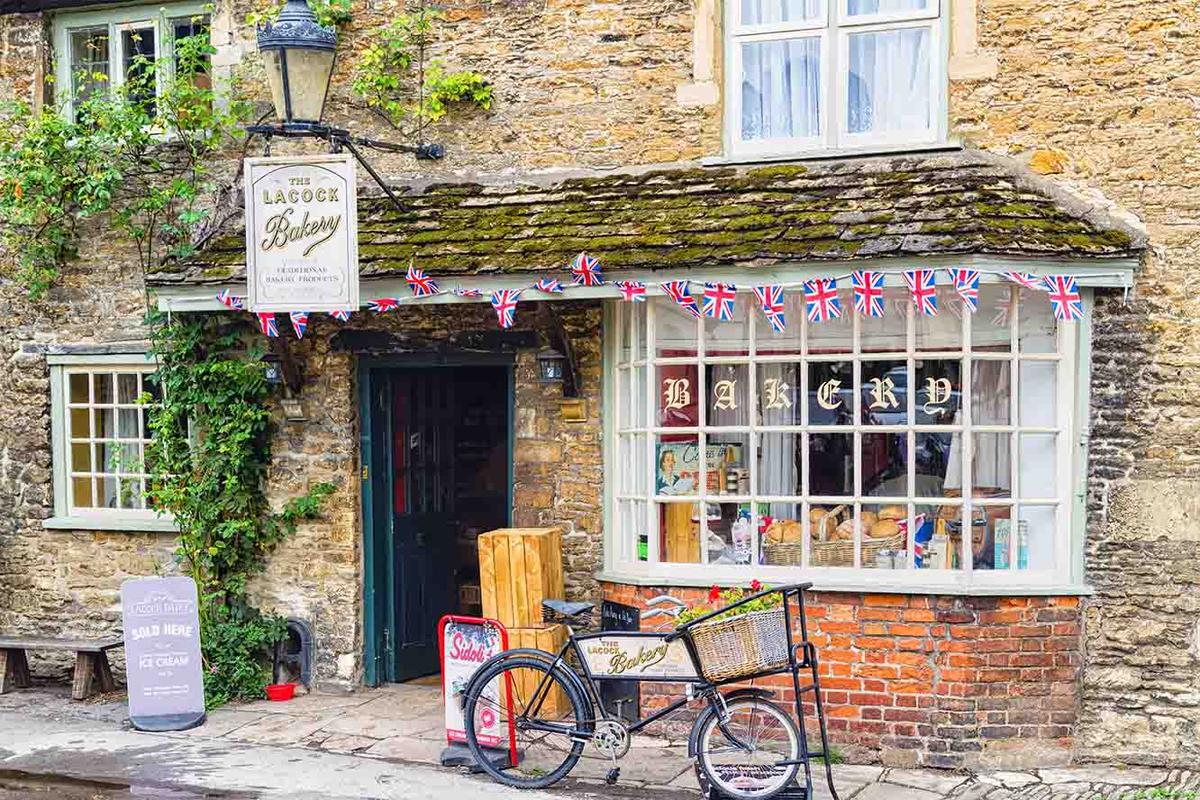
The Lacock Bakery. Shutterstock/Milosz Maslanka
Besides The George Inn, there are three other ale houses in town—each one oozing with character—and offer similar hospitality: Sign of the Angel lies west of St. Cyriac’s along Church Street. The Red Lion sits due south of the church on High Street. King John’s Hunting Lodge, also on Church Street, lies due east. The George Inn itself sits on West Street
Lacock boasts still more attractions: The former tanyard is now a charming bed and breakfast beside the house where Harry Potter’s fictional parents live in the movie series. The Lacock Bakery serves old-fashioned sweets, sour dough rolls, and artisan loaves. A cubby hole along East Street, where drunkards were once locked until sober, now serves as a bus stop.
Michael Wing is a writer and editor based in Calgary, Canada, where he was born and educated in the arts. He writes mainly on culture, human interest, and trending news.