When Europeans sailed to North America in the 1700s, they brought a variety of instruments with them, including flutes, violins, and harpsichords. But one instrument making the journey required no extra packing—the human voice. Many of America’s early settlers brought with them the tradition of the yodel. Used as a form of communication in Switzerland, the yodel would transform into an art form as the New World transformed into a country.
From Farmlands to Founding Colonies
Yodeling, or the ability to quickly alternate one’s voice between falsetto high notes and deeper chest notes to create a melody or form of communication, can be traced back to Switzerland. That’s where the first recorded instance of the vocal technique was documented in 1545 by scholar Alfred Tobler in the book “Yodeling and Yodeling Song.”Dairy farmers in the country’s Alpine region yodeled to communicate with fellow herders across the vast, mountainous area, and to herd their cattle and cows.
But the calls weren’t just belted out to move packs of animals. Sometimes, farmers yodeled softly in the form of a lullaby to comfort them during storms.
Transformation Over Time
The yodel has quite possibly experienced more transformations than any other musical technique.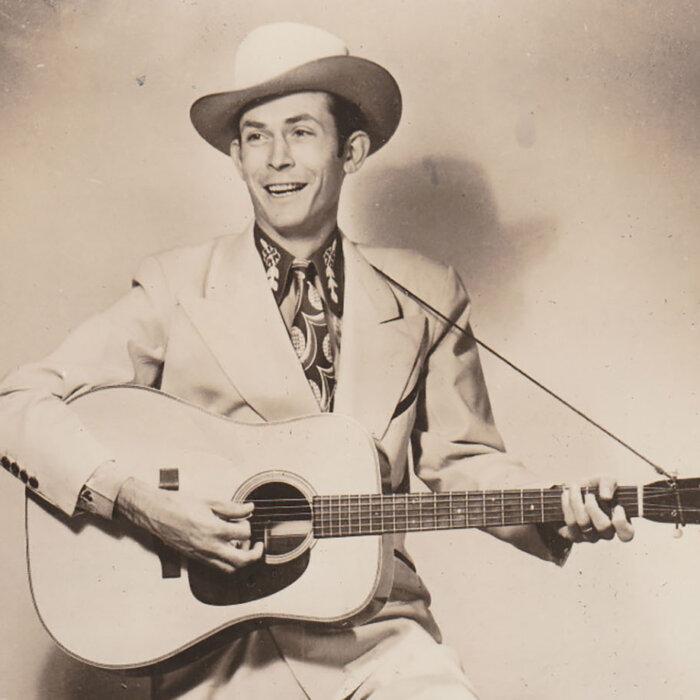

“It eventually developed musical qualities and was next incorporated into wordless songs or a ‘pre-Gregorian scat.’ It was then applied to a basic song structure, serving as a refrain. Eventually, the ‘yodel song’ evolved into its own entity and later was commercialized through professional performances and recordings.”
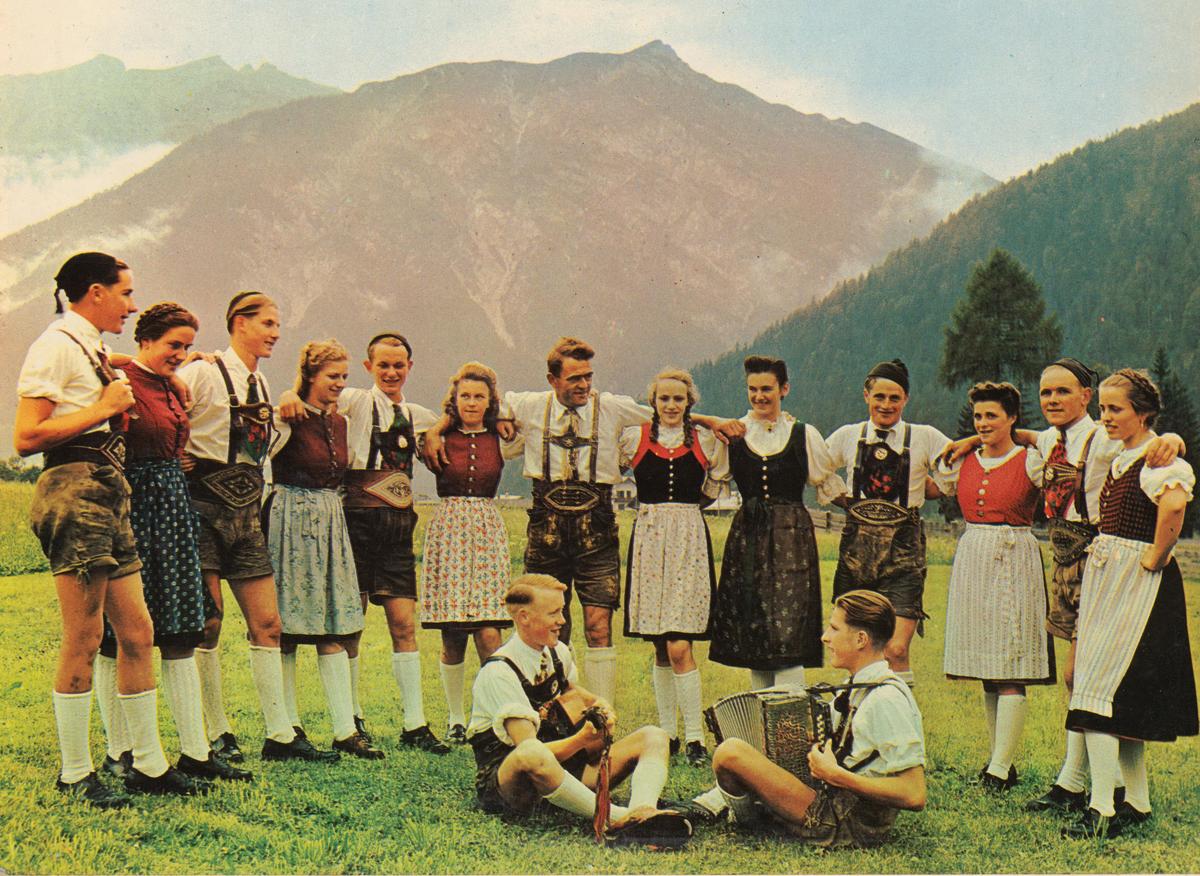
Aside from its various stylings and uses, different yodeling traditions could also be found in various areas across the world throughout history, from Persia and Africa to Scandinavia. These differing styles all came to influence musicians in America, producing an integrated yodeling style that paired well with lyrical songs.
The Blue Yodel Series

As Rodgers helped birth country music, he also popularized the yodel within the genre. His 1928 single, “Blue Yodel No. 1 (T for Texas),” was a surprise hit that sparked 12 releases with yodeling as a featured technique.
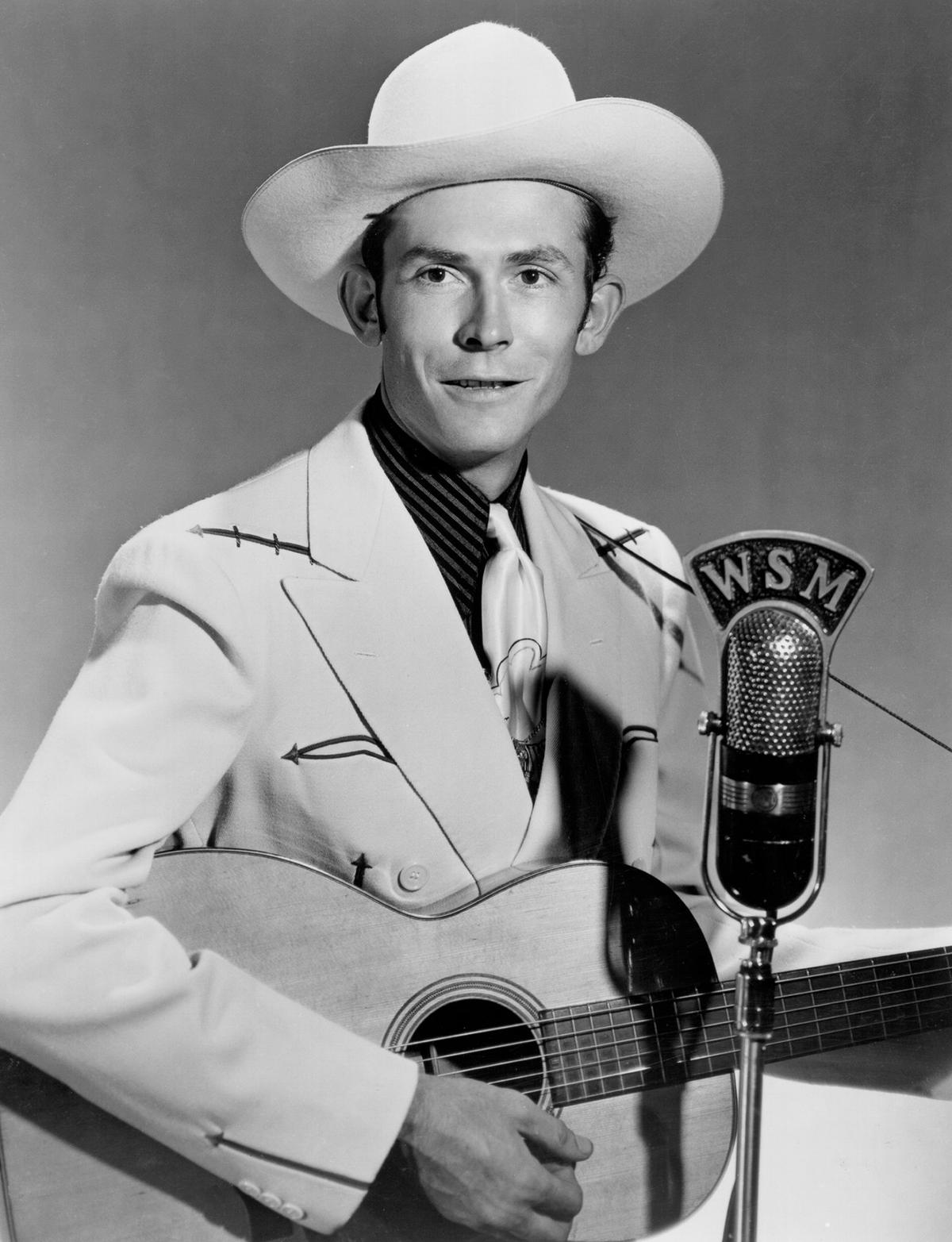
Another founding country artist, Hank Williams, would famously incorporate his own melodic yodeling style into songs like “Lovesick Blues” and “Ramblin’ Man.”
LeAnn Rimes’s breakout 1990s ballad, “Blue,” features refined yodeling paired with the twang and command of Nashville-produced vocals. The hit feels nostalgic, with an air of Patsy Cline, who also yodeled.
A Torchbearer of Traditional Yodeling
While yodeling isn’t nearly as popular as it once was in America, it’s still a treasured tradition in Switzerland that permeates the culture and artistic works. One of the country’s beloved yodelers, the late master Ruedi Rymann, rose to Swiss fame with his rendition of the traditional folk lamentation “Dr Schacher Seppli.” In 2007, the song was voted the “best Swiss hit ever“ by viewers of a television series covering the country’s popular music.A torch bearer of traditional yodel technique, he also lived a traditional yodeler’s life.
In 1910, the Swiss Yodeling Association was founded. In 1924, the organization had its first country-wide festival, the National Yodeling Festival in Basel, Switzerland. The celebration has been held in different cities every three years since. Today, the festival draws crowds of over 200,000.