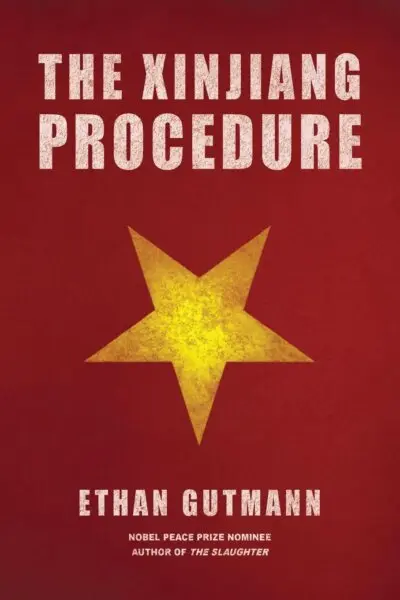
Any reader who comes to Ethan Gutmann’s “The Xinjiang Procedure” needs to be warned that this book offers a horror scenario more intense and severe than any terror-tinged work by Stephen King. It also provides the most brilliantly researched and intensely described study of a communist regime at war against its population since Aleksandr Solzhenitsyn’s “The Gulag Archipelago.”
Unlike King’s novels, “The Xinjiang Procedure” presents a true-life horror story of imprisoned and enslaved people whose bodies are defiled for a lucrative organ-harvesting economy. In the spirit of Solzhenitsyn’s towering work, Gutmann details the vile culture of the Chinese Communist Party (CCP) in its systematic torture and murder of Falun Gong practitioners, Uyghur Muslims in the Xinjiang region, Tibetans, ethnic Kazakhs, and Christians who worship in unsanctioned “house churches.”
Money-Making Machine
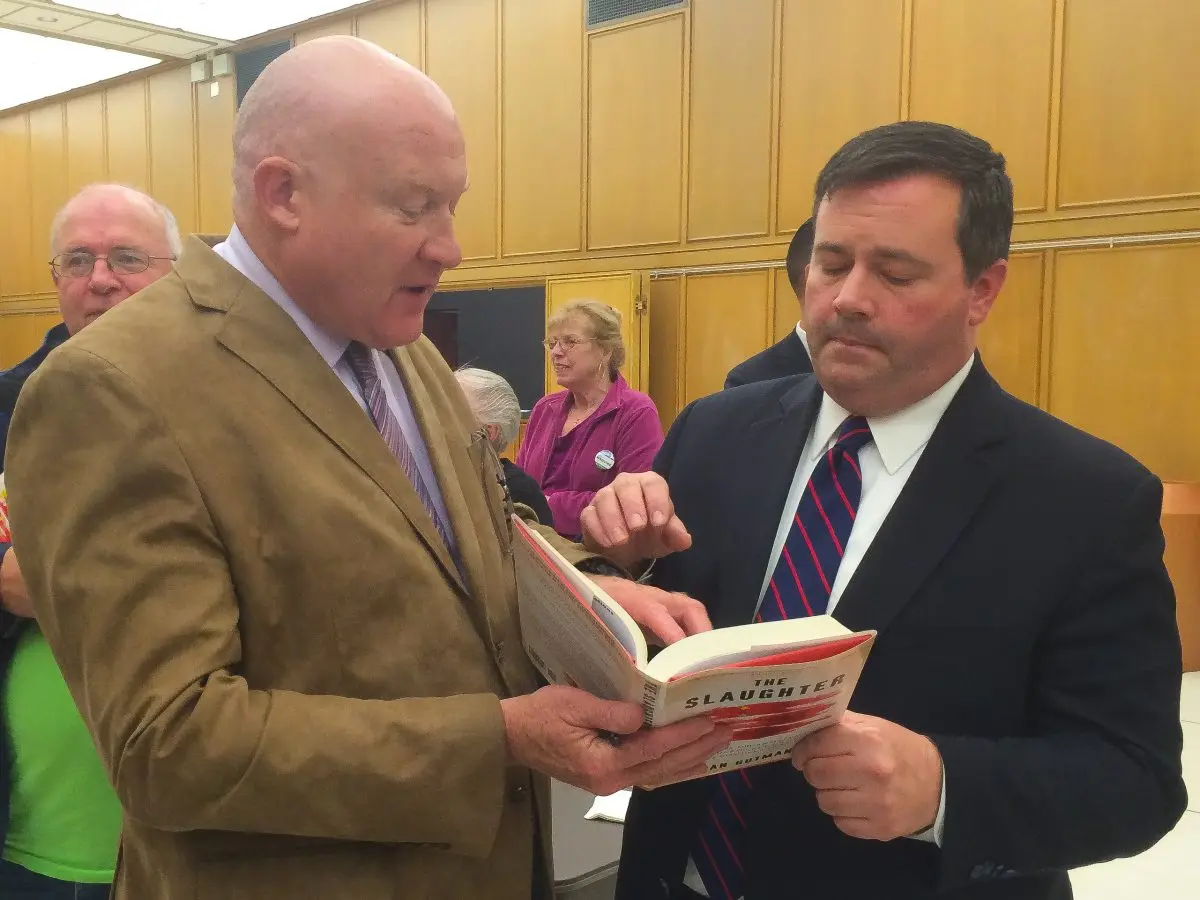
The book details how the Chinese live organ-harvesting economy began in the early 1990s. The donors are prisoners from demographic groups that the CCP views as a threat. The organ recipients can pay up to $700,000 for the transplants.The Chinese regime operates a lucrative foreign organ “tourism” business. Chinese hospitals, mostly those linked to the military, advertise their services on English- and Arabic-language websites and conduct at least 60,000 transplants annually.
The tragedy of “The Xinjiang Procedure” is realizing that this gruesome activity is not a secret, nor has it been for decades. Gutmann acknowledges how Falun Gong practitioners have been documenting the CCP’s actions. He also credits Israel’s Dr. Jacob Lavee for highlighting how a killing-on-demand process enables Chinese hospitals to schedule emergency transplants with a wait time of only four hours.

Witnesses to Madness
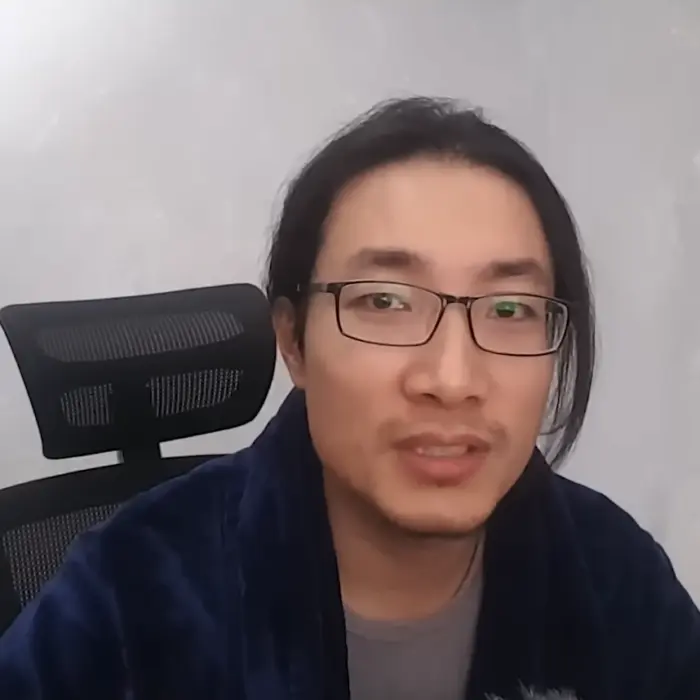
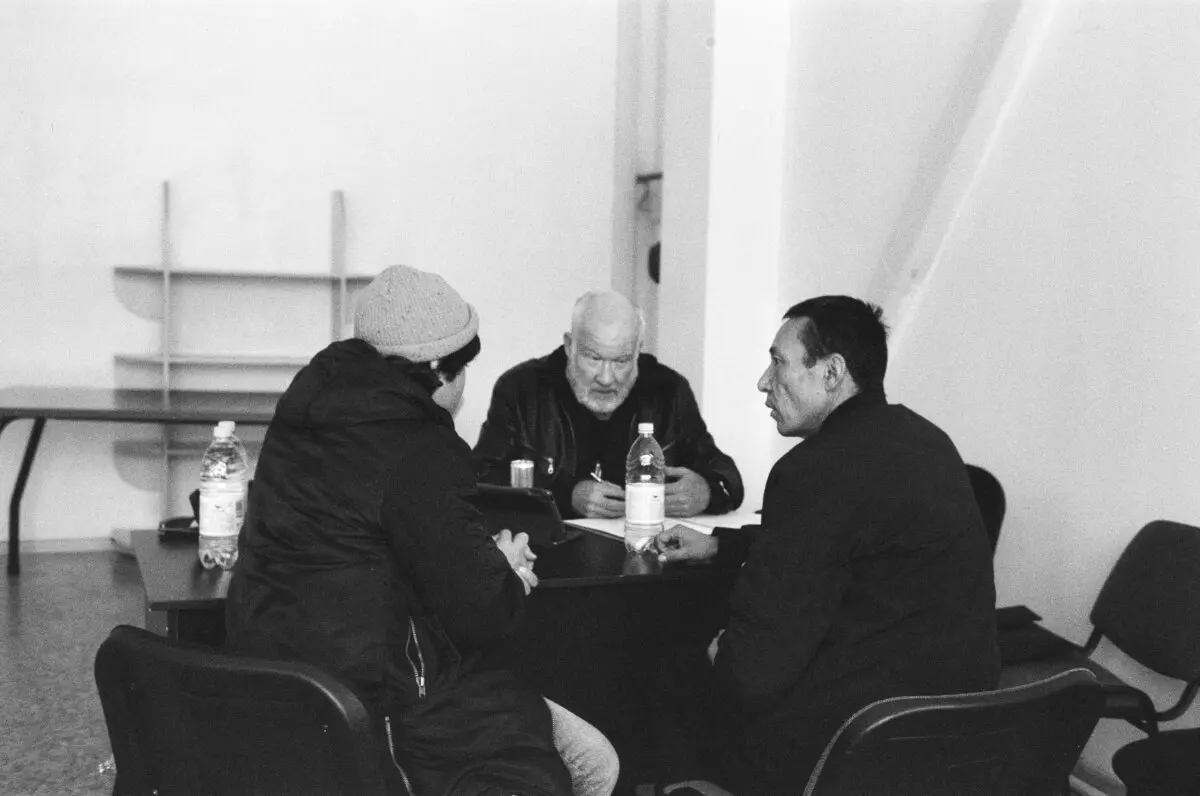
To provide updated information for “The Xinjiang Procedure,” Gutmann sought direct input from those who had witnessed these atrocities. But with direct access to Xinjiang blocked by the CCP, Gutmann was forced to find an alternative source of information. He located escapees from Xinjiang amid the ethnic Kazakhs who were fortunate to escape from China into neighboring Kazakhstan.Gutmann goes into great depth to recall his journey to Kazakhstan and his efforts to locate interview subjects for this book. This becomes a road trip adventure tale, with bizarre encounters and a bafflement in navigating the Kazakh landscape and culture. If the book has a flaw, it would be this section. It dribbles on for too long and distracts from his investigation.
Gutmann then documents the accounts of Xinjiang refugees. They go into harrowing depth on the humiliation and abuses inflicted within the Chinese prison system, as well as by the medical professionals brought in to handle the organ harvesting.
Life in Xinjiang, according to the refugees, had degenerated into a totalitarian hell. A Chinese-born Kazakh refugee named Tursynbek Qabi said: “Every 700 meters, there is a police station with five cars. Xinjiang had become a perfect police state.” Other interview subjects discuss the violence forced upon them, ranging from rape (of both women and men in prison) to the crude disposal of harvesting victims’ bodies.
Gutmann also interviews Uyghur refugees from Xinjiang in Tajikistan and Turkey, and their painful experiences add further depth to the investigation.
The Atrocities Continue
Gutmann concludes this extraordinary work by declaring: “There can be no Hollywood ending with such a grim investigation. But it’s been the privilege of a lifetime to work with such brave individuals.”The facts and testimonies Gutmann gathers are heartbreaking and disturbing. It is impossible to walk away from the book imagining that the CCP deserves a place among the civilized governments of the world.
“The Xinjiang Procedure” should be required reading for anyone with a conscience and a passion for human rights.