NR | 1h 31m | Drama, War | 1945
“Don’t they give us sheets as well as blankets?” fresh conscript Herbert Davenport (Raymond Huntley) mutters with a condescending tone. The young man is standing in a drafty British Army barracks bay, sizing up a standard-issue bed like it has personally insulted him.
“Not in the Army,” replies red-headed Geoffrey Stainer (Jimmy Hanley), another man who’s even angrier that he was conscripted. “They do in the RAF.”
Personal View
When I first joined the U.S. Army, it didn’t take long before a few of my fellow soldiers started grumbling about how the Air Force had it better: better food, better barracks accommodations, better everything. I didn’t believe it at first. Then I visited the nearby Air Force facilities and saw their barracks; they looked like a Marriott Hotel suite. Meanwhile, mine had cinderblock walls and a rickety chair that might have seen action in Vietnam. Still, I didn’t care much. I hadn’t joined the military to live in comfort.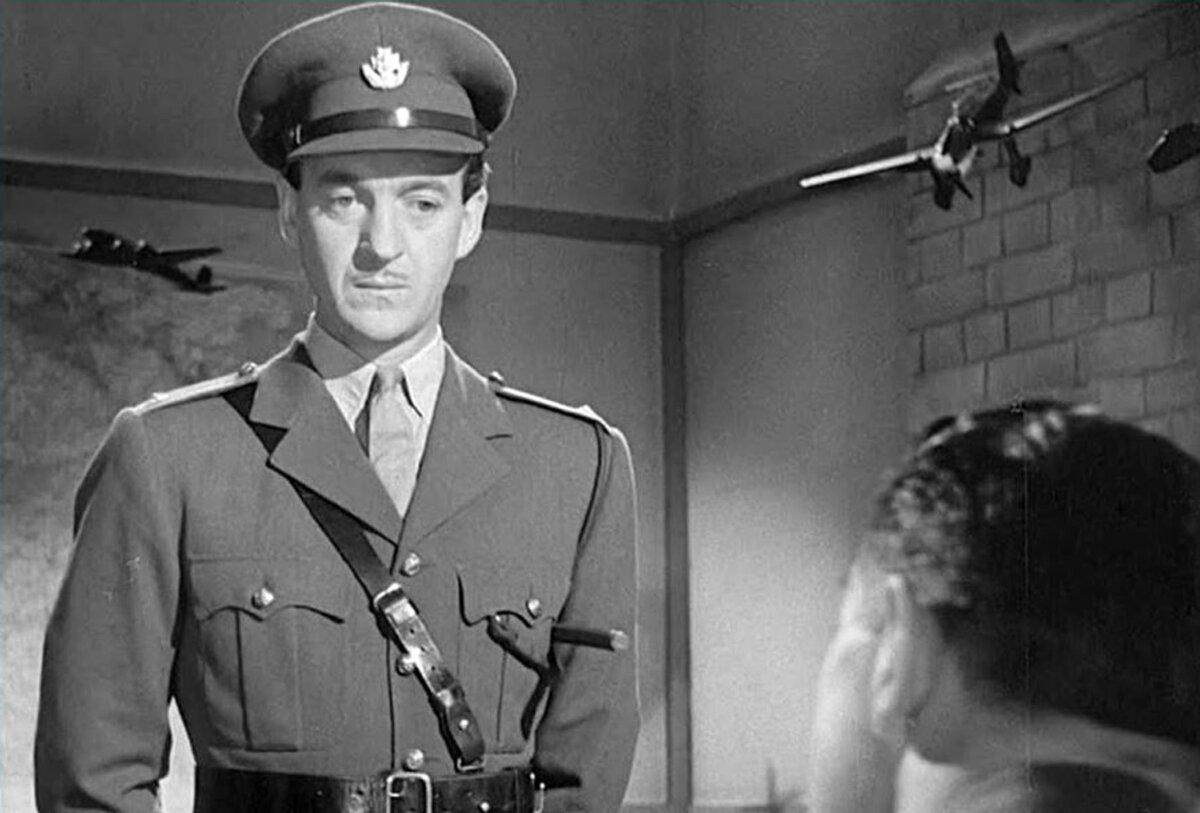
So, when “The Way Ahead” opens with two British conscripts whining about the absence of sheets, it rang true and lent a firm sense of realism to the proceedings. Some things never change.
From Civvies to Soldiers
Lt. Jim Perry, played by David Niven with the breezy charm only he could pull off, is the poor soul in charge of this ragtag crew. He’s all etiquette and by the book, and he’s got his hands full: a department store manager, a farmer, a shop clerk, a salesman, and a guy who sells himself too much—all reluctantly yanked from their day jobs into service.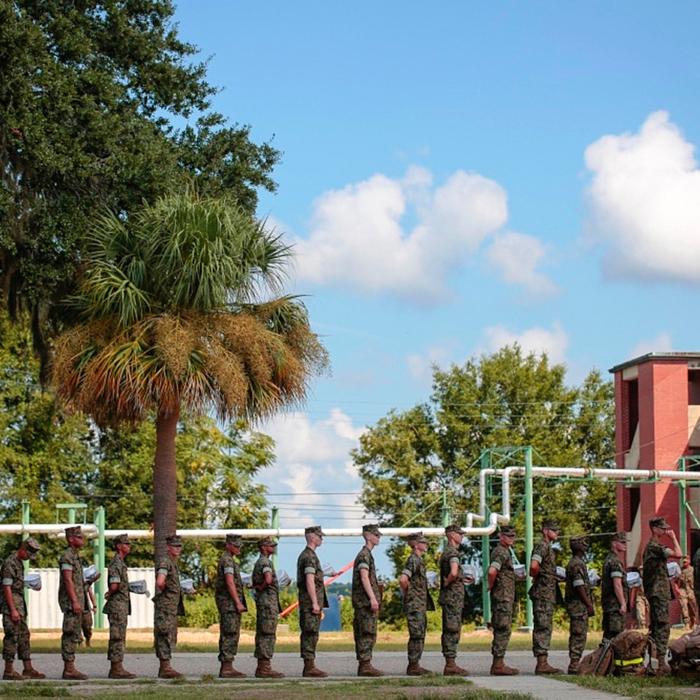

The barracks might be olive-drab, but the class distinctions are still vivid as ever. Mr. Davenport, who ran a department store, expects the Army to run just as delicately as his former place of work. Spoiler: it doesn’t. He’s still trying to boss around poor Bill Parsons (Hugh Burden), a former underling, even though they’re both wearing the same itchy uniform. But as the training drags on, Parsons starts standing a little taller, and suddenly that old pecking order starts to wobble.
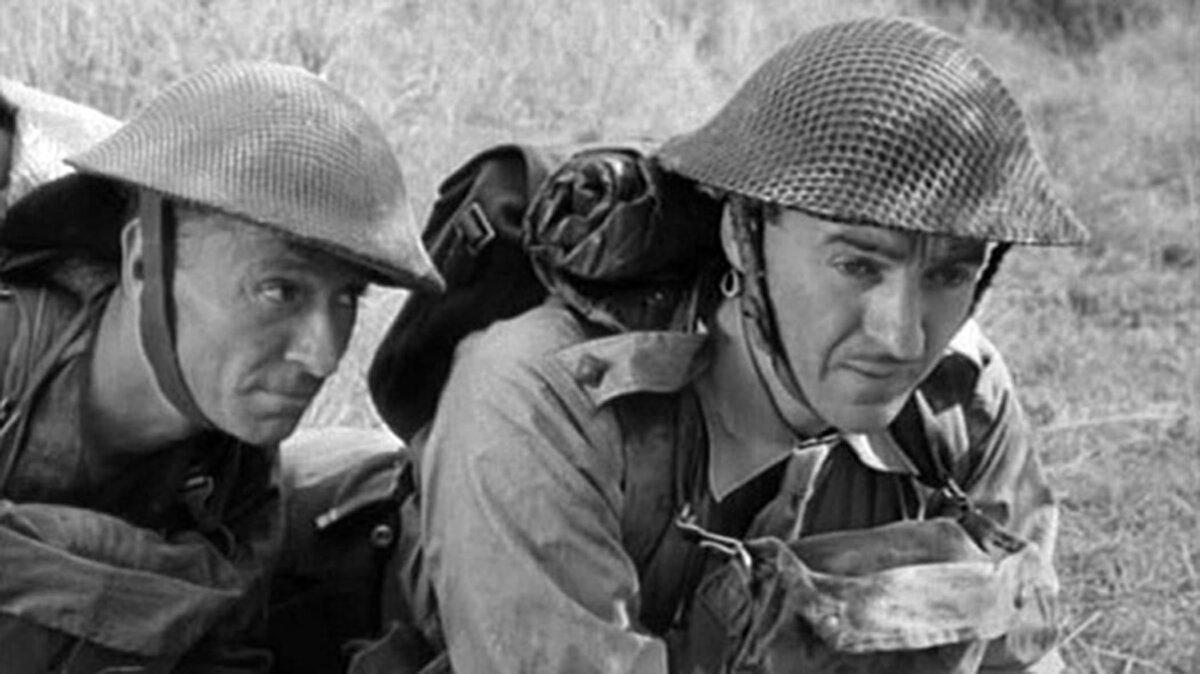
Stumbling Into Formation
The film shines during the earlier training sequences, where frustration turns into rhythm, and the men begin to move like they know each other, like they might actually care if the guy next to them lives or dies. There’s no grand enlightenment here, no sudden swell of glory, just the grind of drills. It’s the realization that they aren’t returning to their cushy former lives anytime soon and the strange feeling that maybe they are starting to belong to something greater than themselves.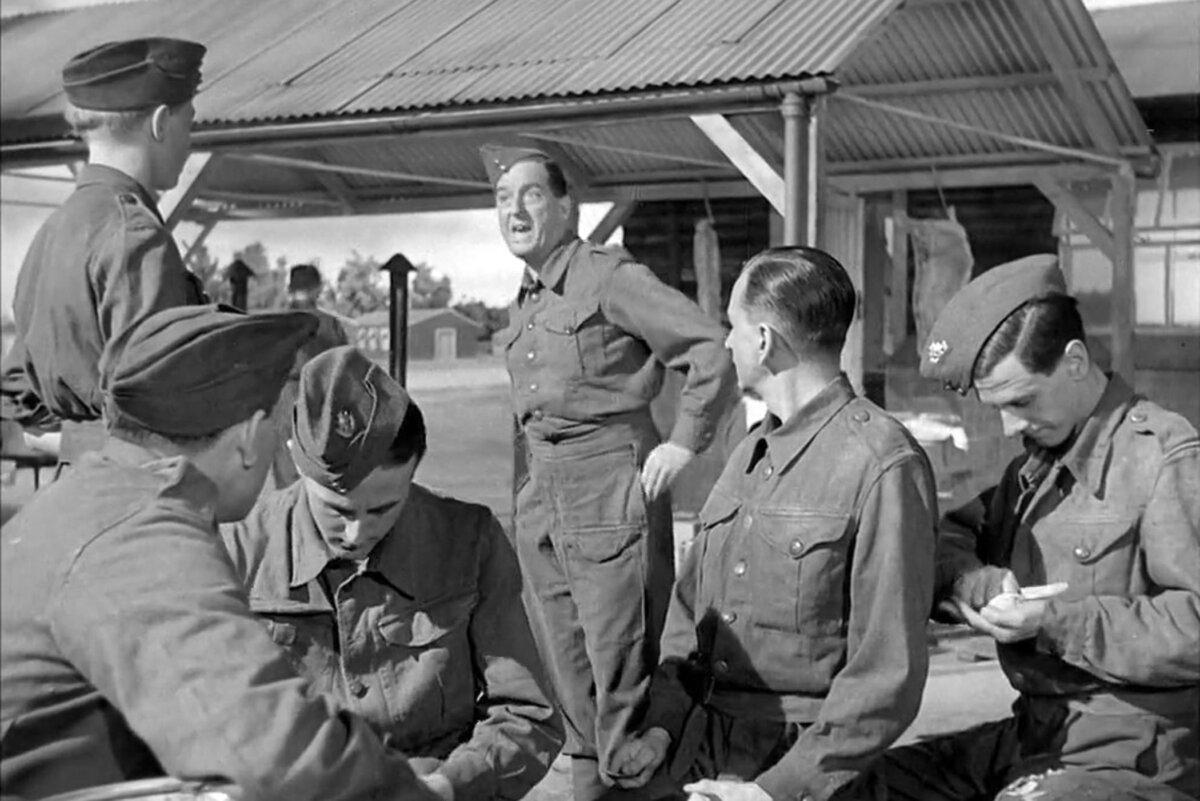
The notorious hierarchy that the British are known for never vanishes. But something shifts: a grudging respect, built not on speeches but sweat. The Army doesn’t try to erase who these men were before; it just dares them to become something more useful now.
For all the stiffness of its era, “The Way Ahead” doesn’t sugarcoat the awkward journey from citizen to soldier. These guys are still misfits. They still complain. They still screw up. But they’re less alone when they do. By the time they march out, much cleaner, leaner, and meaner, it’s clear they haven’t transformed so much as adjusted. But sometimes, that’s all the Army really needs.
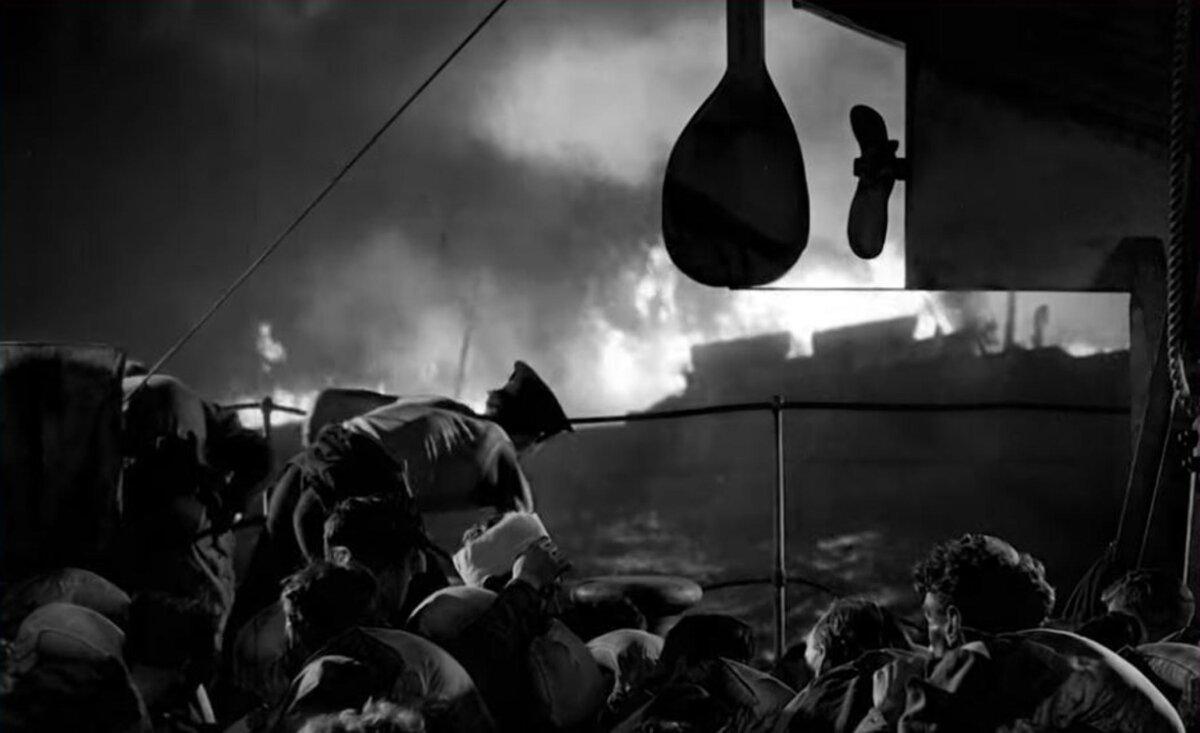
The dialogue hits with dry realism, not because it’s dramatic, but because it’s so ordinary. No one is saving the world here. They are just trying to figure out what they are doing in uniform. I’ve seen that look from guys who went from high school graduation to basic training with no idea what happened and how they ended up there. We didn’t talk about duty or valor. We talked about food, sleep, who got the good assignments, and who got the poor ones.
Released in 1945, “The Way Ahead” doesn’t treat its characters like icons. It treats them like people caught in something bigger than themselves and not quite ready for it. They aren’t convinced of the war, and absolutely not impressed with the accommodations.
Maybe that’s the best way to start a war film: not with gunfire or sacrifice, but with a grumble about bedsheets and a look at how ordinary people begin the long, strange march toward becoming something more.