The remote, sparsely populated mountain town of Greeneville Tennessee’s claim to fame is the fact that America’s 17th president resided there. Defined by its hilly downtown area, today the town has aging homes and businesses as well as some newer structures and a popular Saturday farmers market. Quaint Greeneville is where Andrew Johnson (1808–1875) worked, married, raised a family, and died.
Though he isn’t historically well-known or celebrated, Johnson lived a noteworthy life. The town of Greeneville makes his distinctions clear at numerous preserved and maintained National Park Service sites, including two of Johnson’s homes, his tailor shop, the family burial plot, and a visitor center.
His life was a series of firsts or “onlys.”As a Congressman, he introduced the Homestead Bill in both the House and the Senate; it was enacted in 1862 and resulted in millions of individuals laying claim to land in the West.
As the state’s governor, he was responsible for establishing Tennessee’s first public school system and instrumental in the creation of an agricultural bureau, state fairs, and library. He was the first Democrat to serve as a vice president with a Republican president (Abraham Lincoln); the first vice president to become president after a presidential assassination; the first president to have worked as a tailor, and, the first president to be impeached and escape removal by one vote.
He was the only Southern Democrat to remain loyal to the Union during the Civil War, and he remained a staunch Constitutionalist until his death—even requesting to be buried wrapped in a U.S. flag and with his personal copy of the Constitution.
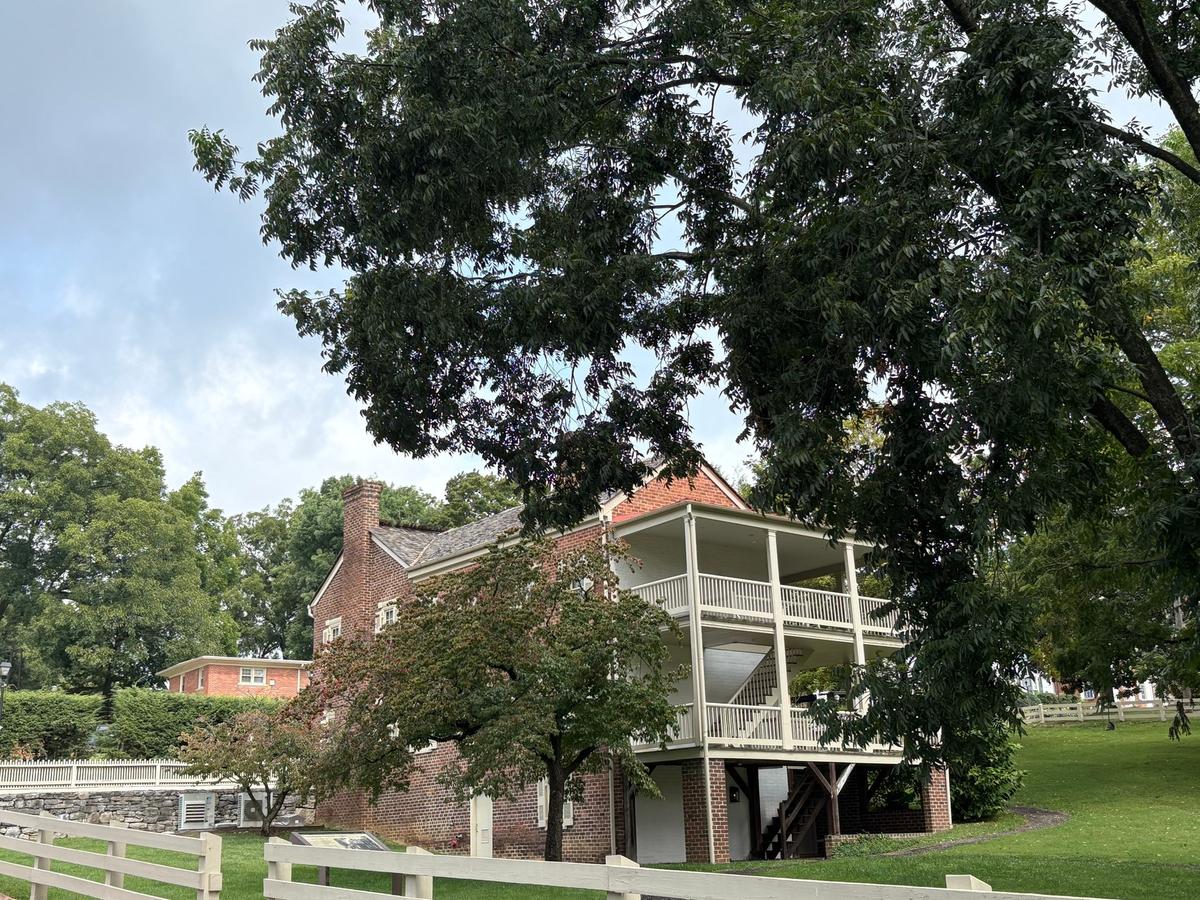
The back view of Andrew Johnson's Main Street house, in Greeneville, Tenn. Deena Bouknight
All of this information and more is presented primarily at the Greeneville Visitor Center and Memorial Building, the latter constructed in the 1920s. Inside, its main attraction is Andrew Johnson’s clapboard tailor shop that he operated in the 1830s, before his political career flourished from the 1850s through the mid-1870s.

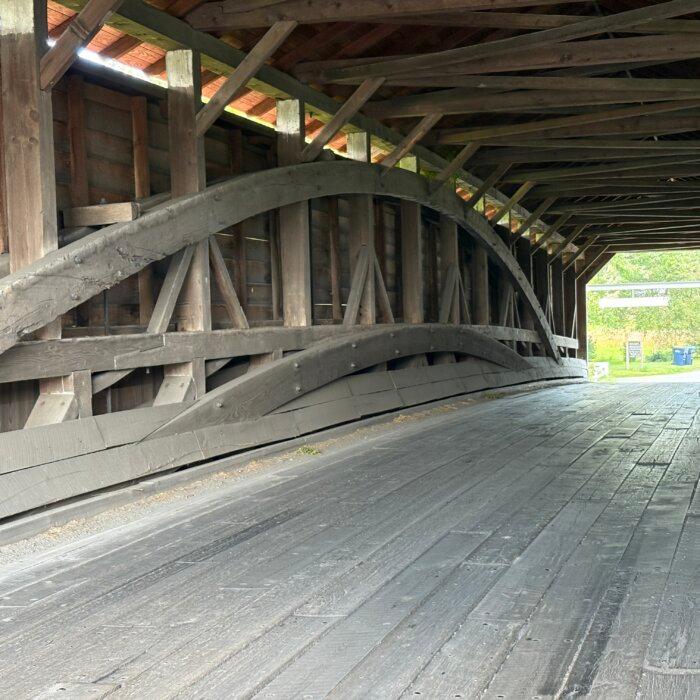
The Memorial Building is a high-ceiling brick building, with classic multi-pane arched windows, decorated with keystone. The building was constructed over the rustic tailor shop that Johnson purchased for $51 in 1830. In one glass display is an formal jacket that Johnson made to demonstrate his tailoring skills.
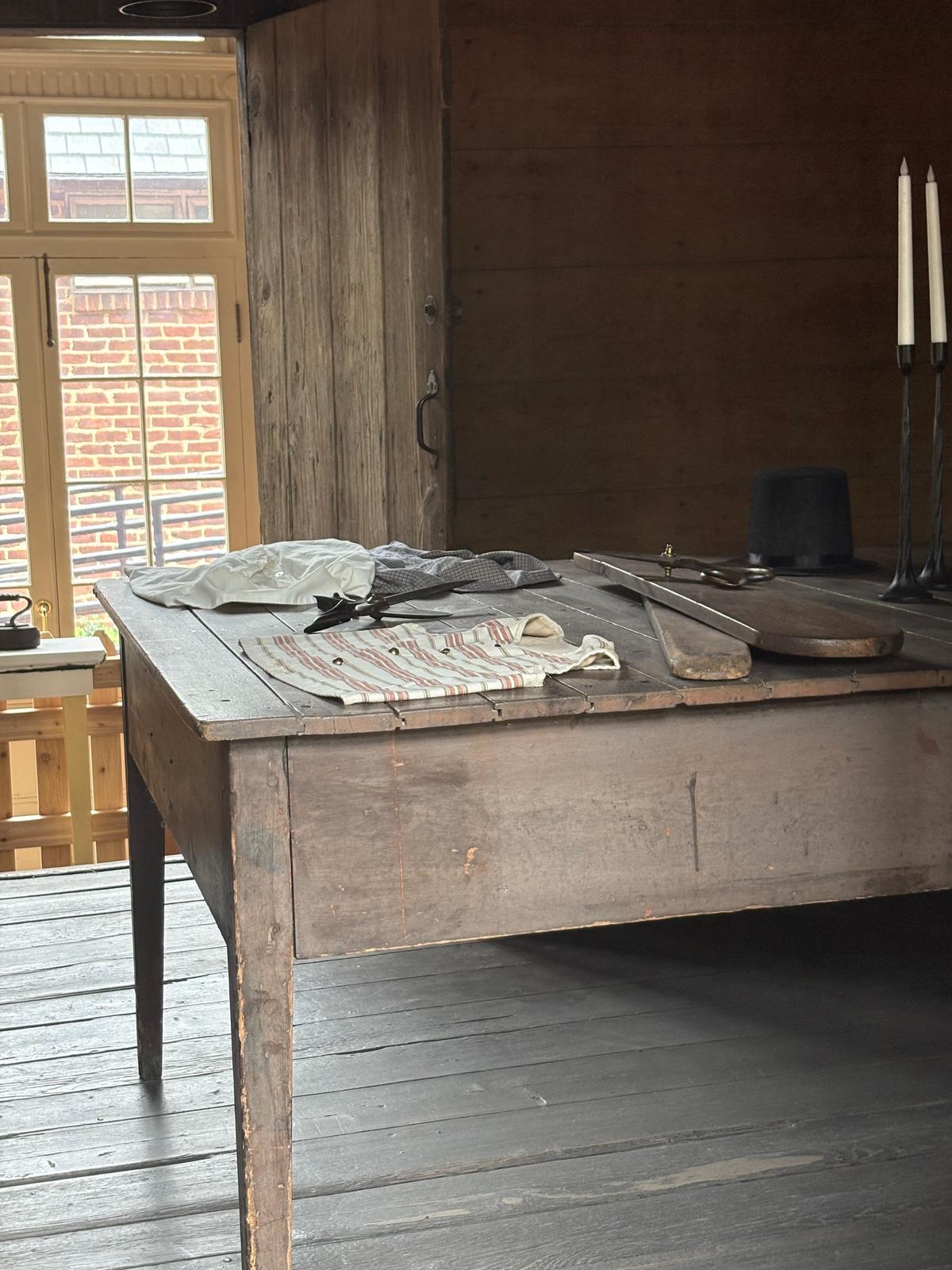
The restored tailor shop in Greeneville, Tenn., takes visitors back to the 19th century. Deena Bouknight
In a room beside the one housing the historic tailor shop are informational kiosks and artifacts presenting Johnson’s rise in politics and his years as president.
Humble Beginnings
Born in Raleigh, North Carolina, to illiterate, impoverished parents, Johnson became a Tennessean after he was apprenticed to a tailor. His father died when he was 3 years old and his mother apprenticed out 9-year-old Andrew and his 13-year-old brother, William, to the town tailor. But when the boys got into some trouble, the family eventually left Raleigh.Johnson eventually made his way to Tennessee. Working along the way, he met his future wife, Eliza McCardle, the daughter of a Greeneville shoemaker. He married her in 1827, when he was 18 and uneducated, and she was 16. With basic tailoring skills, he opened a shop and moved it across the street from their brick home.
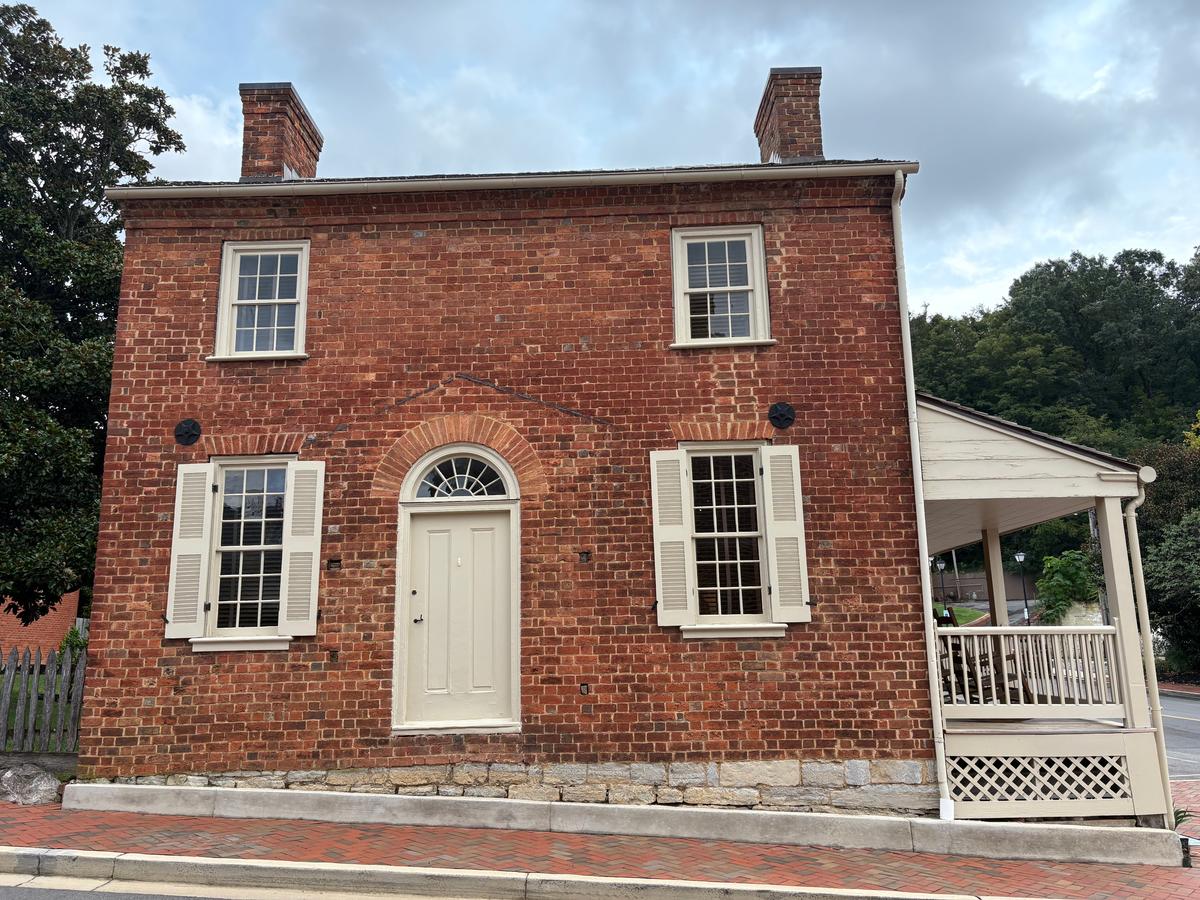
Andrew Johnson and his family lived in this simple brick home from the 1830s until 1851. Deena Bouknight
Until 1851, the couple and their five children resided in the simple two-story brick colonial house with a side porch. In this house, Johnson educated himself and discussed and debated politics with townspeople. The unfurnished house’s age is clearly evident in the distinct iron door hardware and handmade bricks. It’s currently open to visitors.
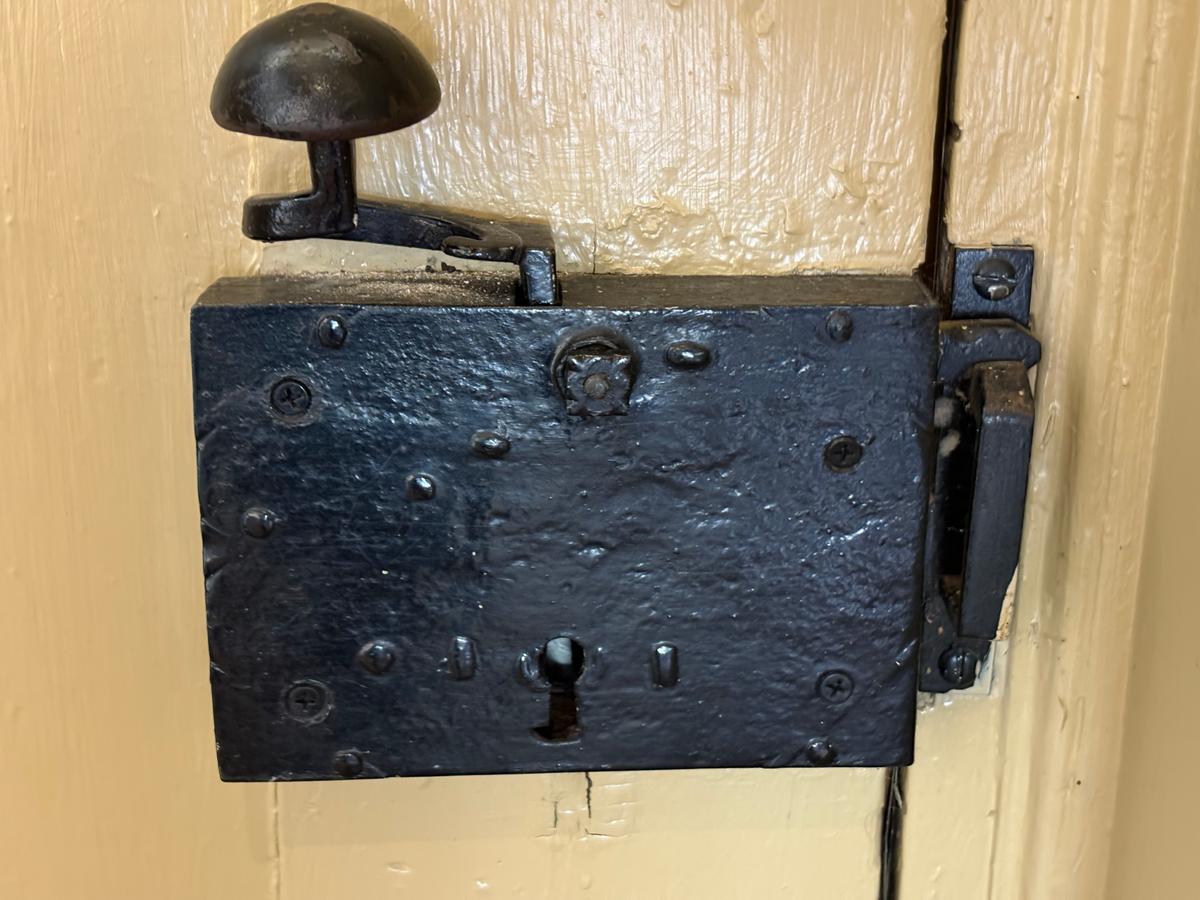
The hardware in Andrew Johnson's first Greeneville, Tenn. house is simple and rustic. Deena Bouknight
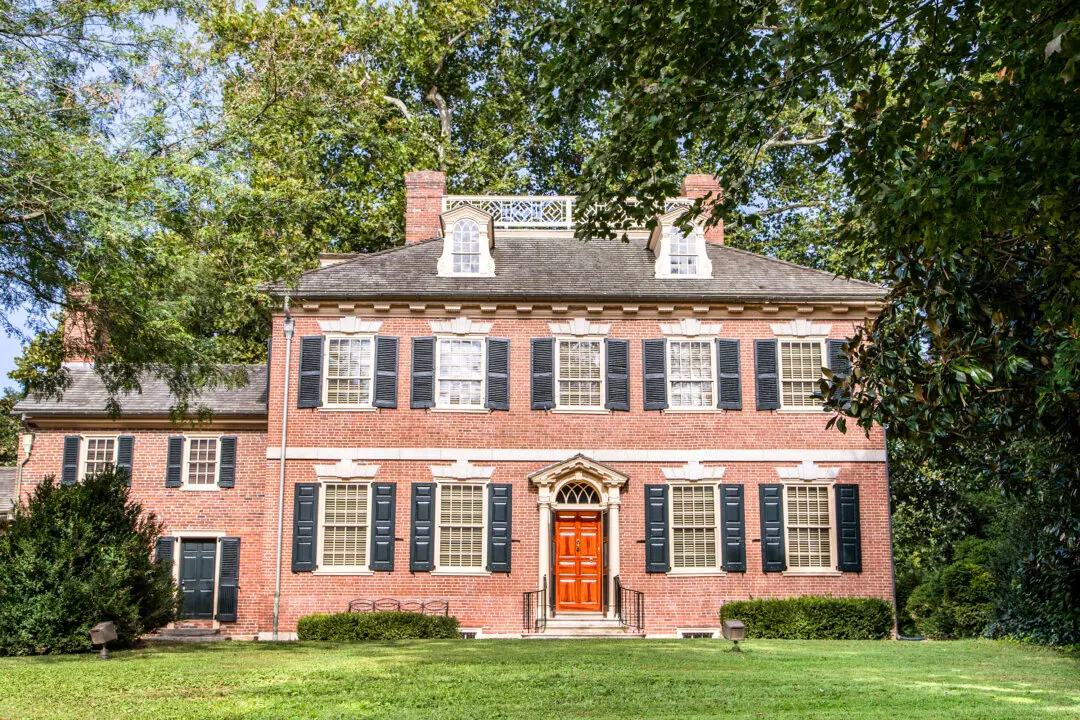
In 1851, Johnson purchased a more prominent Greek-Revival and Federal-style brick house on Greeneville’s Main Street, just a few blocks from the first house. By then, he had been an alderman, the town mayor, a state representative, and a state senator. He purchased this house on a half-acre lot, where descendants of weeping willow trees that Johnson planted still thrive.
There, he served as Tennessee’s governor from 1853 to 1857 and then as a U.S. Senator from 1857 to 1862. In 1864, the National Union Party (now the Republican Party) nominated Johnson, a Southern Democrat, to share the presidential ticket with incumbent Abraham Lincoln.

The weeping willows around the Main Street house are descendants of the trees Johnson planted himself. Deena Bouknight
The house on Main Street, which is available to view via a free guided tour, was Johnson’s primary residence until his death in 1875. It was inhabited by three generations of Johnsons until the federal government purchased it in 1942. In the 1950s, the house was restored to its original 19th-century appearance. It showcases rooms furnished as they would have been when the Johnsons occupied it.
While few books have been written about this U.S. president’s life, Andrew Johnson’s legacy is conspicuous in this out-of-the-way Tennessee town. It’s not just the fact that three structures he owned still exist, and a large bronze statue of him reigns across the street from one of them. There is also a military cemetery that bears his name.

The statue of President Andrew Johnson in Greeneville, Tenn. Deena Bouknight
Travelers interested in visiting a unique presidential historic site can find Greeneville, Tennessee, by traveling the Andrew Johnson Highway off Interstate 81, or by veering off Interstate 40 in Asheville, North Carolina, onto Interstate 26. Then they can take a scenic GPS-guided route into the mountains of Greene County.
What arts and culture topics would you like us to cover? Please email ideas or feedback to [email protected]