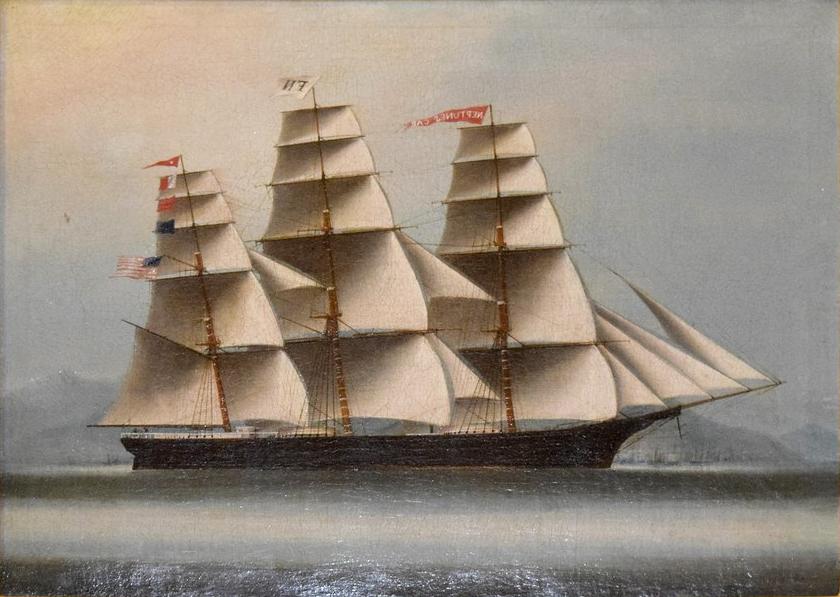
In 1856, Neptune’s Car, an extreme clipper (a merchant ship built for speed), sailed from New York around Cape Horn to reach San Francisco. Its captain, Joshua Patten, was ill, unable to do his duties. Its first mate was in irons for insubordination. The second mate was illiterate and could not navigate. The third mate was too junior for command. Joshua’s wife, Mary Ann Patten, took command.
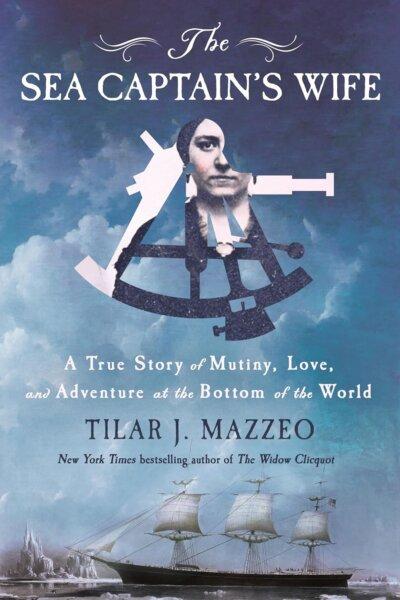
“The Sea Captain’s Wife: A True Story of Mutiny, Love, and Adventure at the Bottom of the World” by Tiler J. Mazzeo, tells how Mary Ann Patten went around the dangerous cape and brought Neptune’s Car successfully to San Francisco, shipshape and with the cargo intact.
The author describes how she came to be aboard her husband’s ship, when she learned to navigate, and why the crew willingly obeyed her; readers follow the events leading up to and after the voyage in which she became the first captain of a U.S.-flagged clipper.
Mazzeo introduces the Patten’s story by explaining seafaring in the mid-19th century. She explains the role ships, especially fast clippers, played in international commerce.
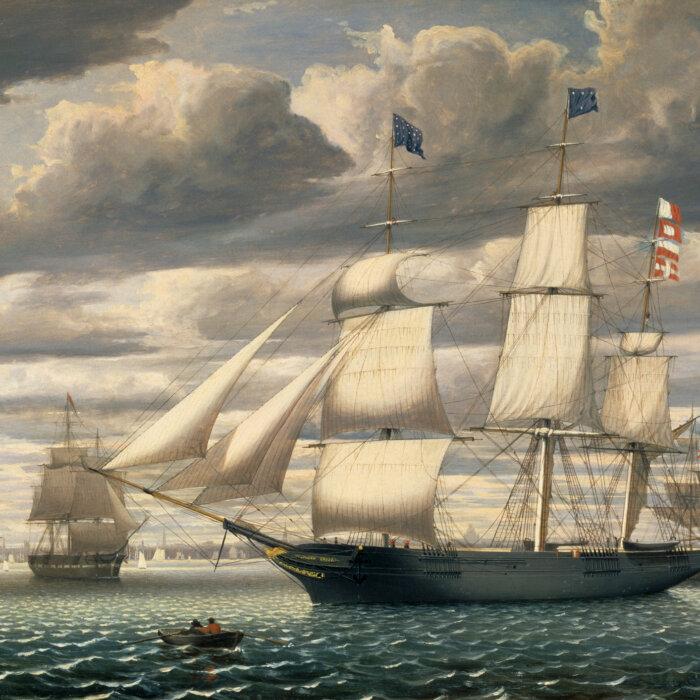
Typically, a three-masted sailing ship was the last word in speed when it was developed. Clippers were fast, but extreme clippers, with narrow hulls optimized for speed instead of cargo, could reach 20 knots, a phenomenal speed in the 1840s. They were the greyhounds of the sea, carrying valuable cargos for which shippers were willing to pay premium prices for speed.
Rockland, Maine was Joshua’s hometown. At the time, nearby Searsport, a town of 2,500, boasted 300 sea captains, 10 percent of all U.S. sea captains. Sea captains were the rock stars and international celebrities of the mid-19th century.
People followed their exploits the way people today follow sports heroes. A captain’s pay was high: He received bonuses for fast passages and was permitted to carry cargos free on his ship. He even bet on races between his and other ships. Captains could amass fortunes in just a few successful voyages.
Joshua did not start out rich. He was another Rockland boy who took to sea in search of his fortune. Mazzeo follows Joshua’s progress up the ladder to command of a ship.
Unwilling to part, the newlyweds decided to travel together on his ship, a privilege accorded a captain but rarely exercised. Neptune’s Car raced another clipper across the Pacific to Hong Kong and won. From there it took tea and silk to London and manufactured goods from there to New York. With little to occupy her time on the outward leg from New York to Cape Horn, Mary Ann had her husband teach her navigation.
By that voyage’s end only her husband was a better navigator aboard the clipper. She also gained the loyalty of the crew, who took pride in her navigational skills.
One More Voyage
One more successful voyage like the first and the Pattens could have retired in luxury. The Pattens had a good ship and a good crew.The owners hired a replacement first mate, who proved incompetent, lazy, and treacherous. Before Neptune’s Car reached the South Atlantic, the mate had been caught altering course and sleeping on watch several times. Joshua disrated the man ordering him in irons.
With no other mate capable of navigating, Joshua had to remain on deck around the clock. He fell ill due to overwork. With no one other than the untrustworthy first mate to take command, Mary, who was then pregnant, took charge, backed by most of the crew. Despite the former first mate advocating mutiny, she successfully completed the San Francisco leg.
Ultimately, Patten’s story lacks a happy ending. Mary became a world-renowned sensation for her achievement. But in 1850s California, an adult woman could not enter contracts and sell the cargo.
Yet Mazzeo tells a remarkable story, one well-worth reading.