The White House is the United States’s most important residence since it is home to the president and host to international dignitaries. The site of signed treaties and proclamations, the building has played a pivotal role in American history. It is also an accredited historic house museum with an unparalleled collection of fine and decorative arts, more than 60,000 pieces, that tells the history of generations of residents and guests as well as the country as a whole.
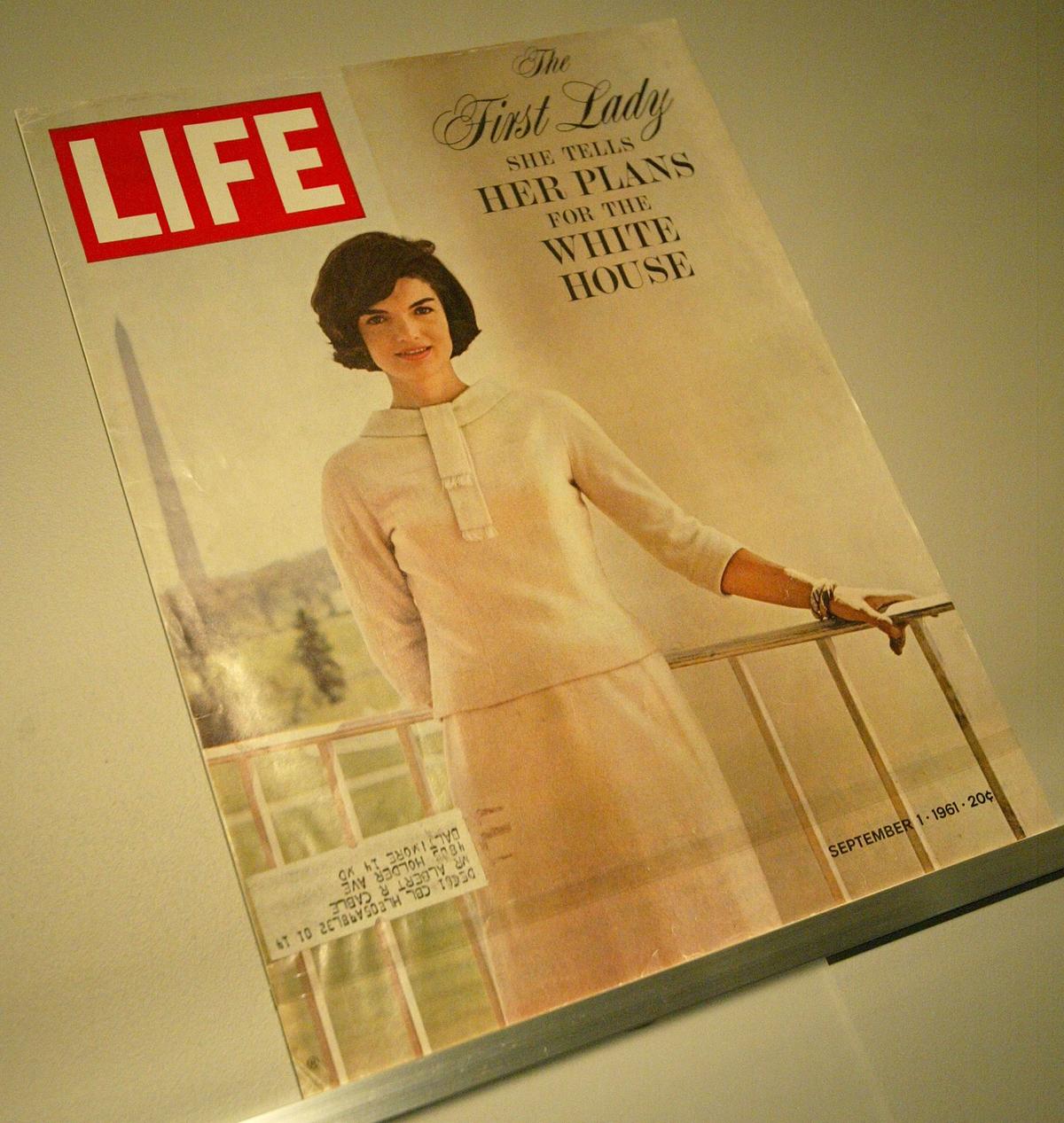
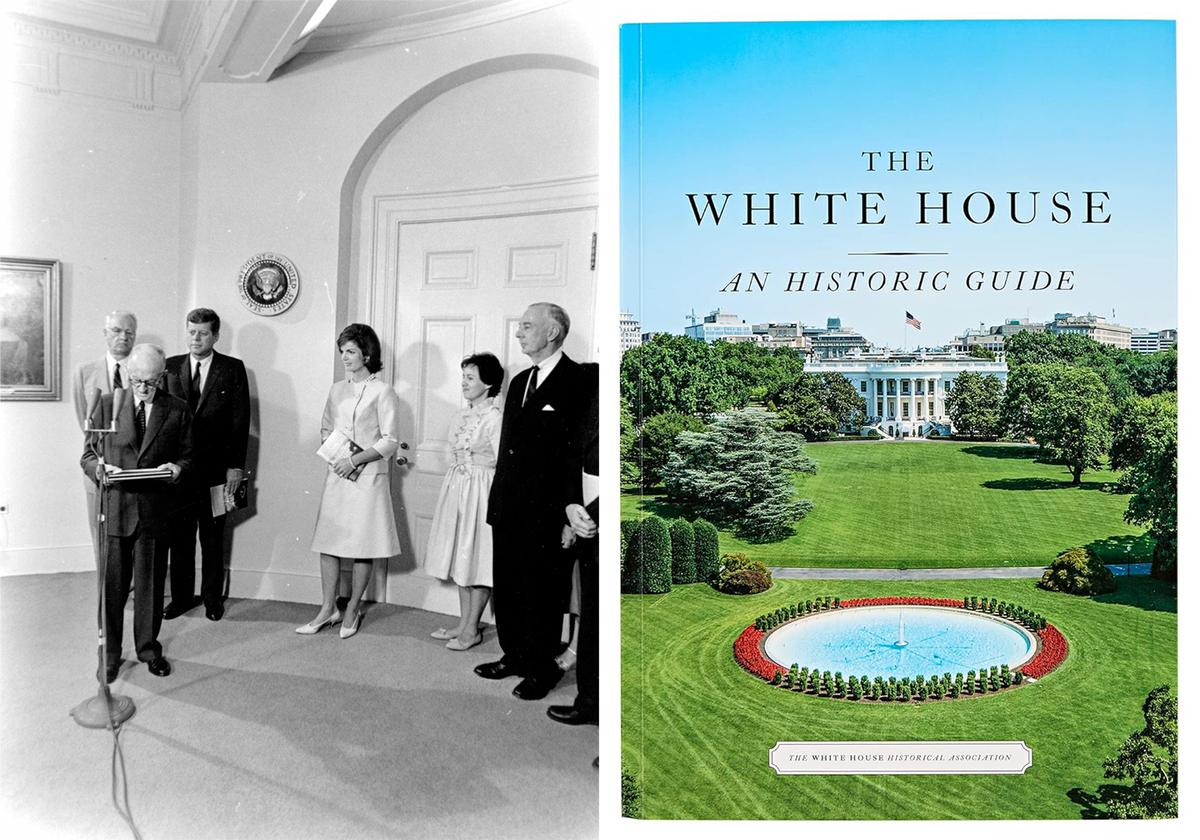
The White House Historical Association collaborates with the White House to preserve and exhibit its contents. This private, nonprofit, educational organization was founded in 1961 by First Lady Jacqueline Kennedy; it is one of many examples of the integral role first ladies have played in maintaining and restoring the nation’s cultural heritage at the White House.
First Lady’s Furnishings
The White House may be one of the few historic homes on the Eastern Seaboard not to lay claim to an apocryphal story that George Washington slept there. That would be an impossibility, since in 1800 John Adams was the first president to move in, a year after Washington died.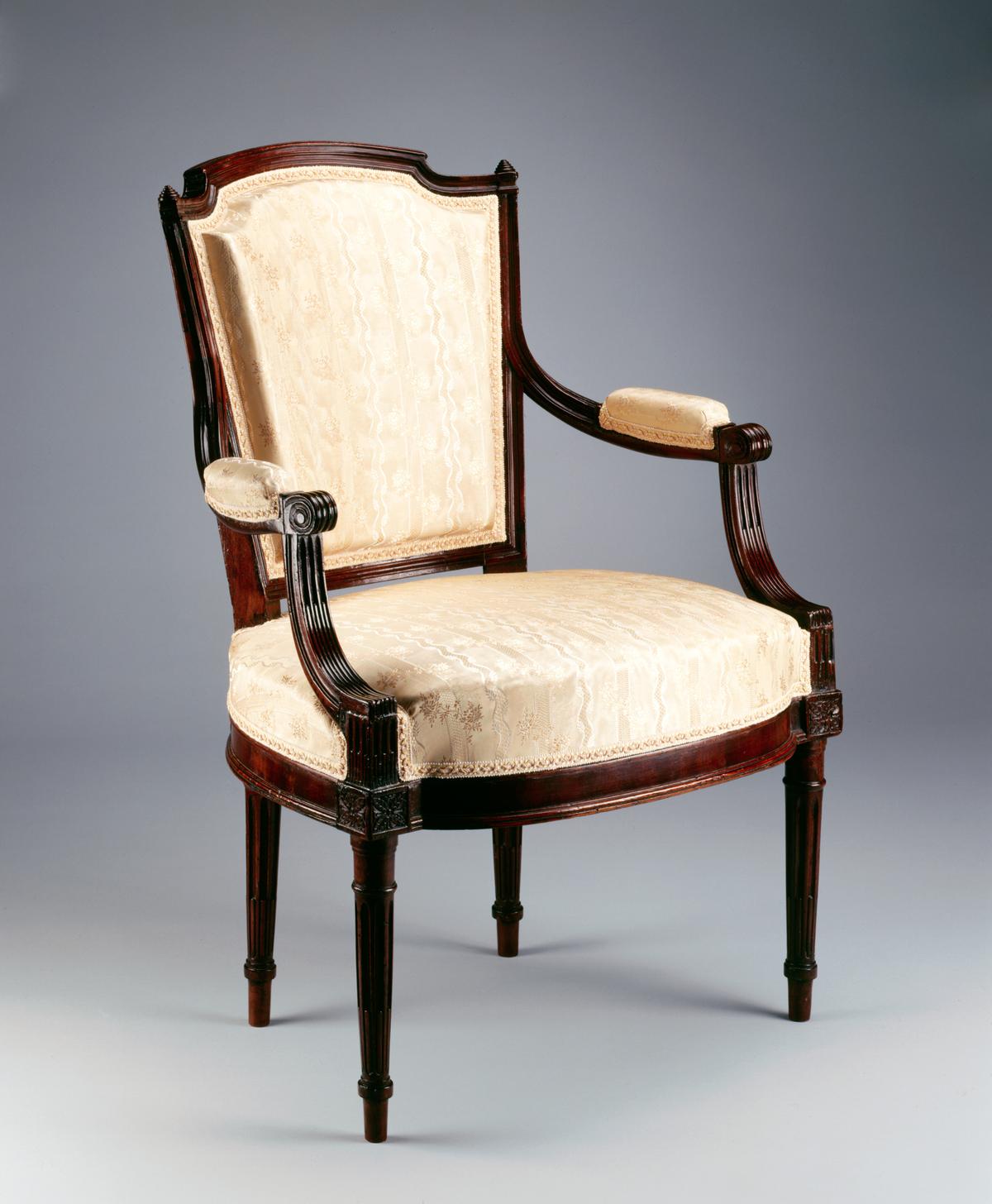
However, the collection does contain an armchair Washington sat on. It was gifted to the White House Collection by private citizens and the White House Historical Association in 1975, an example of the gifts and acquisitions required to grow the collection and further the stories it can tell.
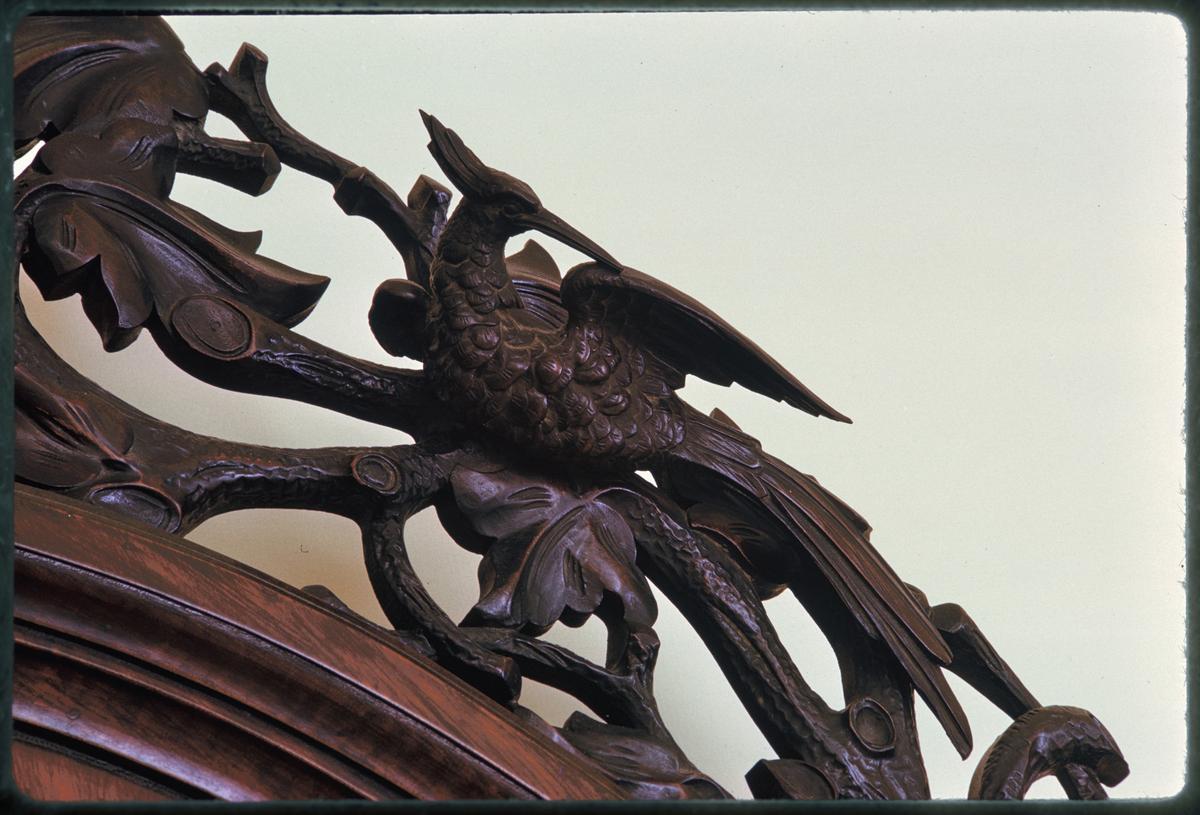
A famous piece of furniture, albeit with a misnomer, is the “Lincoln Bed.” While presidents did sleep in this bed, including Theodore Roosevelt and Woodrow Wilson, Abraham Lincoln never did. There is a true story behind the large rosewood bed with intricately carved decoration of exotic birds and clusters of grapes. Lincoln’s wife, First Lady Mary Lincoln, purchased it in 1861 for the White House’s main guest room.
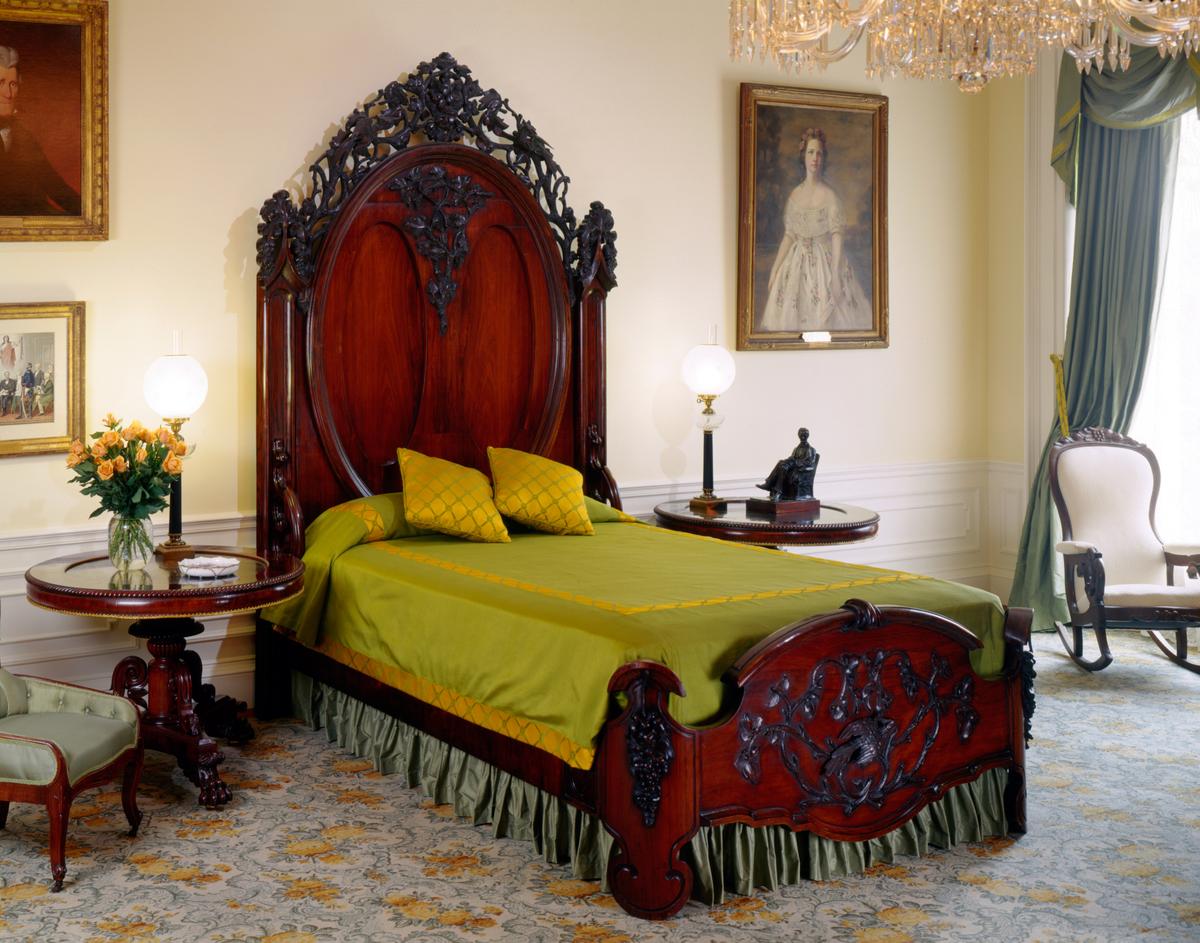
Under the direction of First Lady Laura Bush, the Lincoln Bedroom’s refurbishment was completed in November 2005. With the financial support of the White House Historical Association, the room became more period appropriate.
Cherished Canvases
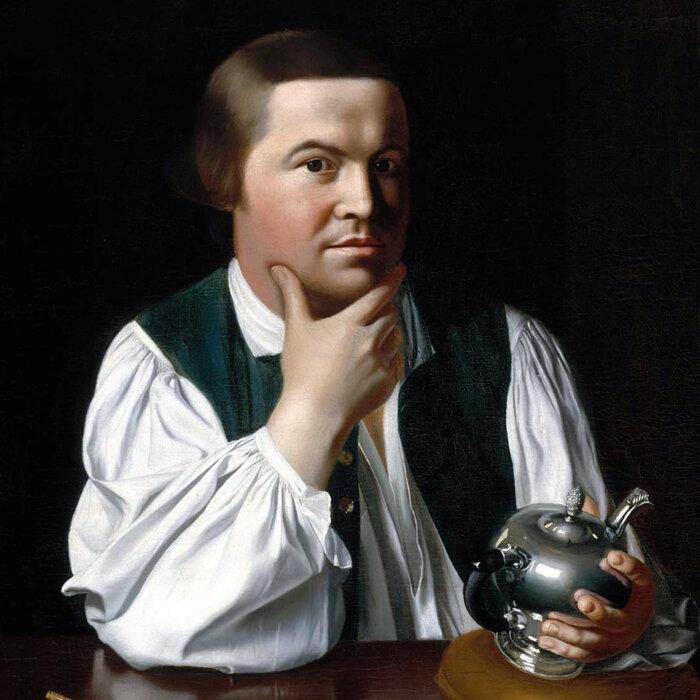
One of the most important paintings in the White House Collection is Gilbert Stuart’s 1797 “Portrait of George Washington.” Stuart was the most celebrated portraitist in the early years of America’s republic, renowned for his technical prowess and ability to capture a sitter’s personality. He created quintessential images of George Washington in three different portrait types, along with numerous copies.The White House’s version is of the “Lansdowne type.” This full-length portrait depicts Washington as president in civilian clothes, though the sword at his left hand alludes to his military service. His outstretched right arm is in an ancient Roman oratorical pose, and by the table leg are a folio volume of the Constitution and a history of the American Revolution.
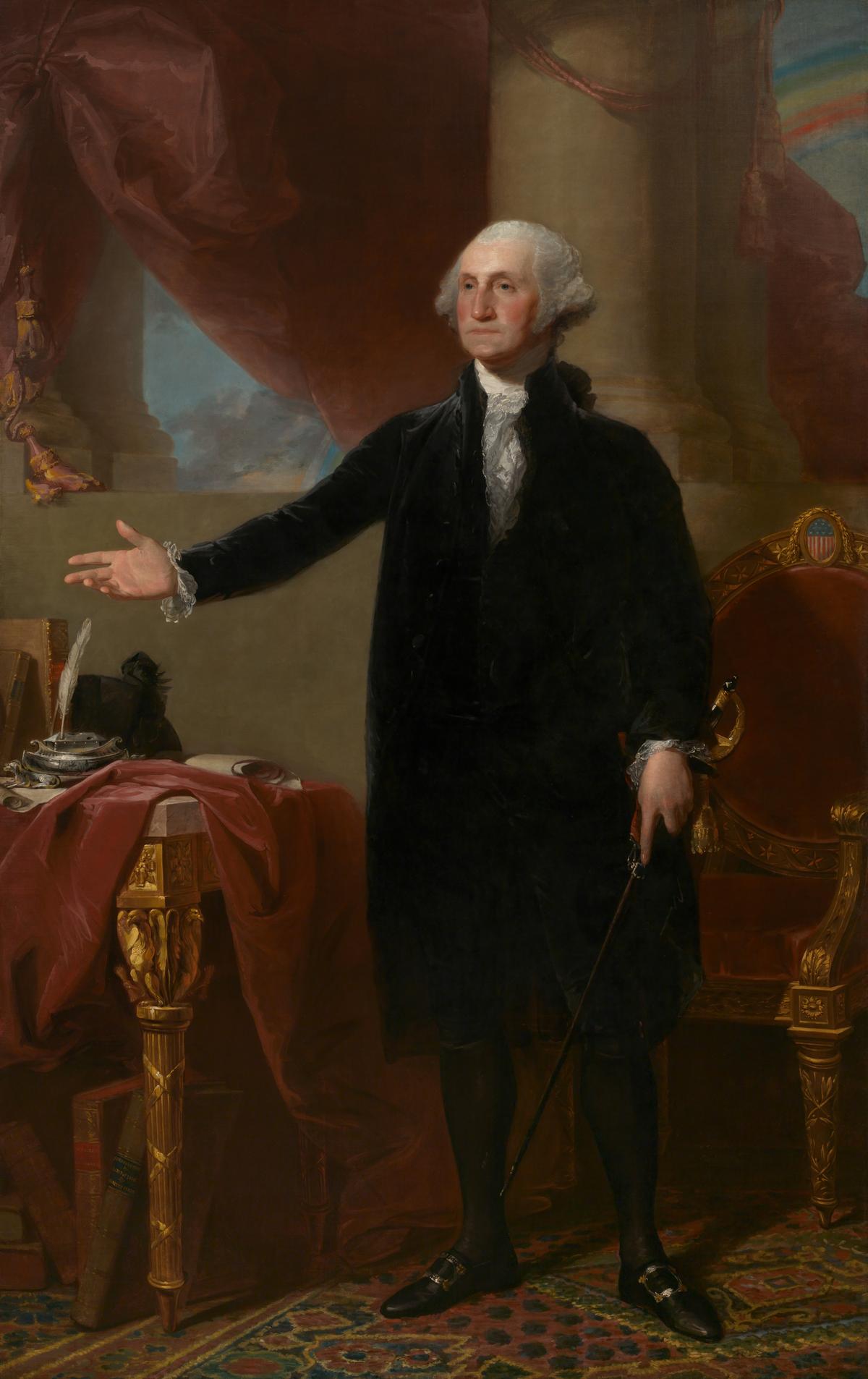
The artwork has been part of the collection since 1800. During the War of 1812, the British invaded Washington. As the troops advanced on the White House in August 1814, First Lady Dolley Madison received word in time to flee with official papers. Determined that the British not get their hands on the Washington portrait, she had it removed. There was not enough time to properly unscrew the painting, which was bolted to the wall, so they broke the outer frame and secreted the canvas in a farmer’s barn for safekeeping. When the British arrived at the White House, they set fire to the structure. It was rebuilt, and in 1817, Stuart’s famed painting, symbolic of both the patriotism of Washington and his successors, returned to pride of place.
In addition to presidential and first lady portraits and contemporary art, the White House Collection includes historic still lifes, landscapes, and marine paintings. A spectacular depiction of the American West is Albert Bierstadt’s “Rocky Mountain Landscape” from 1870.
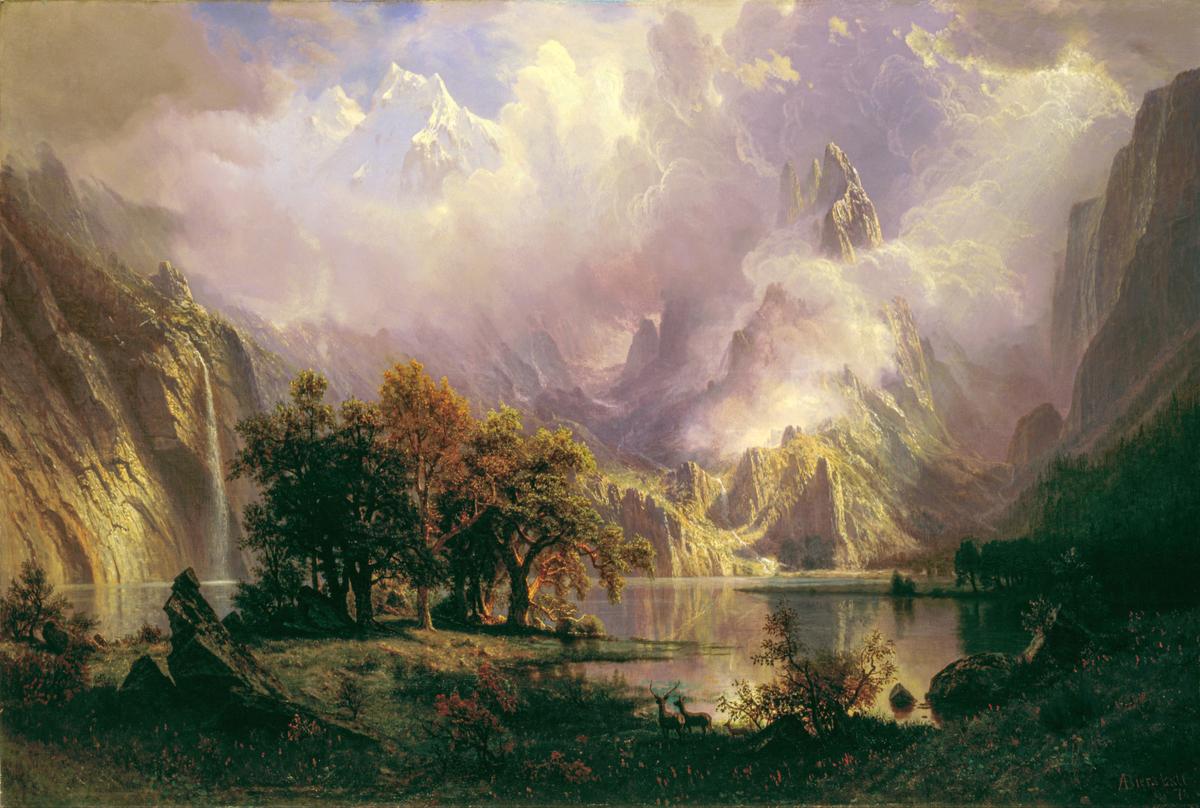
Washington. Public domain
The Art of Entertaining
Tabletop accessories have played an integral role in entertaining at the White House. In 1879, First Lady Lucy Webb Hayes commissioned a new state dinner service from Haviland & Co., a firm founded by an American with production in Limoges, France, the country’s capital of porcelain. Hayes’s original plan was to select a floral pattern based on the White House conservatory’s ferns and flowers.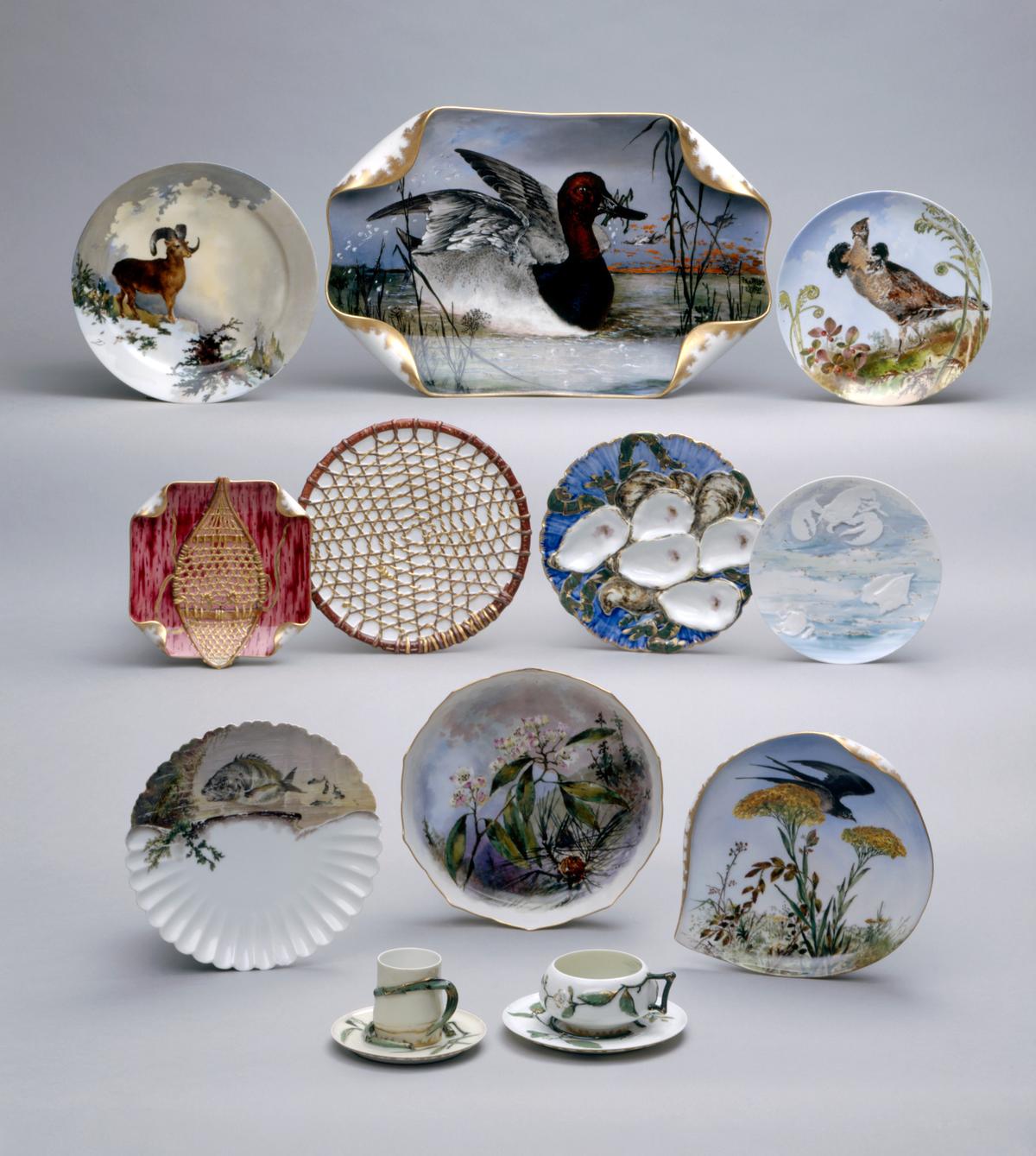
However, a chance meeting with American artist Theodore Russell Davis, who worked for Harper’s Weekly, set her on a different course. He suggested she expand the scope to include the flora and fauna of North America. The first lady was delighted by the idea. Davis was commissioned to design the images. For the 562-piece service, he created 130 distinct decorations featuring American animals, birds, fish, and plants. The results are extraordinary in terms of artistic and technical achievement.
Subsequent first ladies have continued to take charge of the china. Caroline Harrison proposed new display cabinets while her husband Benjamin Harrison was in office. Edith Roosevelt, wife of Theodore, oversaw their creation and moved the collection to a designated space on the ground floor called the China Room.
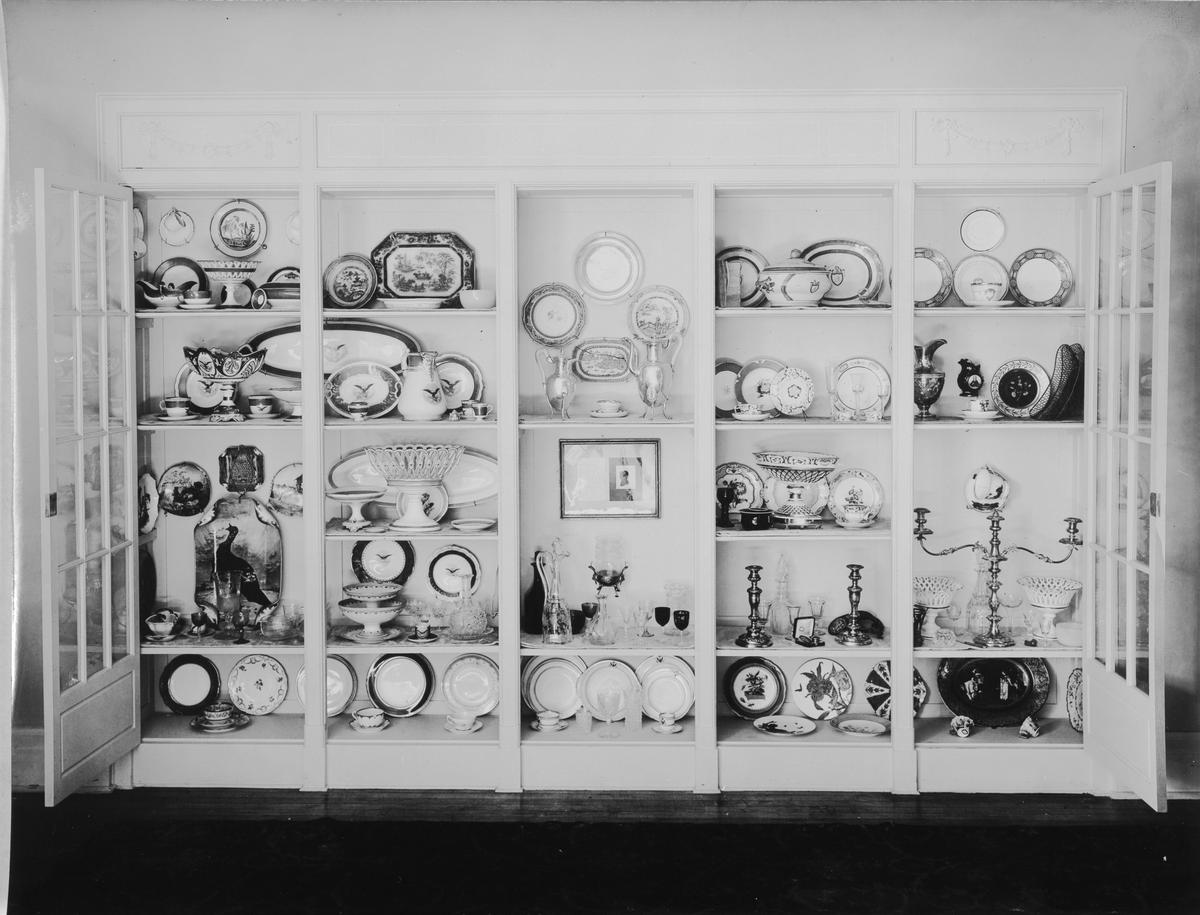
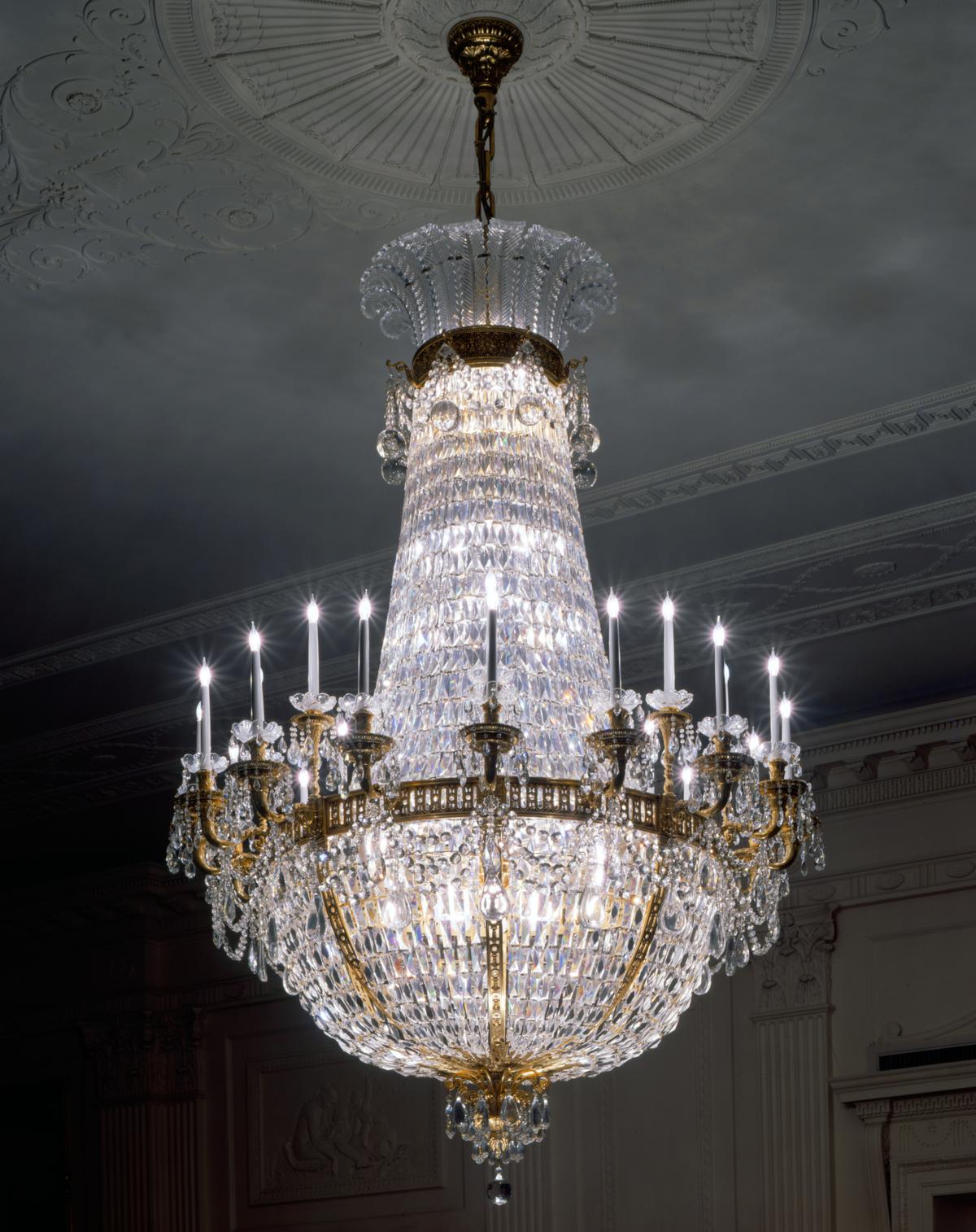
Traditional items such as these wares share a home with pieces that were cutting-edge in their day. The White House was electrified in 1891, during the Harrisons’ tenure. The concept was so new that the couple refused to turn the lights on and off themselves for fear of electric shock.
Preserving and Restoring Artifacts
Until the 1960s, there was no official curator or even caretaker of the White House Collection. Art and furnishings were sold throughout administrations, souvenir hunters removed items, and some objects were poorly maintained. In the 20th century, collection management became more standardized, and the curator position was professionalized.Jacqueline Kennedy hired the first White House Curator, Lorraine Waxman Pierce, in 1961. The two women and the White House Historical Association collaborated on the first edition of “The White House: An Historic Guide.”
In addition, Kennedy launched an ambitious and comprehensive restoration of the White House’s interiors. Before her husband’s assassination, most of the work on the state rooms on the ground and first floors had been completed. One of Kennedy’s most striking choices was the installation of historic handblocked Zuber wallpaper in the Diplomatic Reception Room. This oval room, designed by McKim, is furnished in the federal style, with pieces collected by Kennedy’s predecessor, First Lady Mamie Eisenhower.
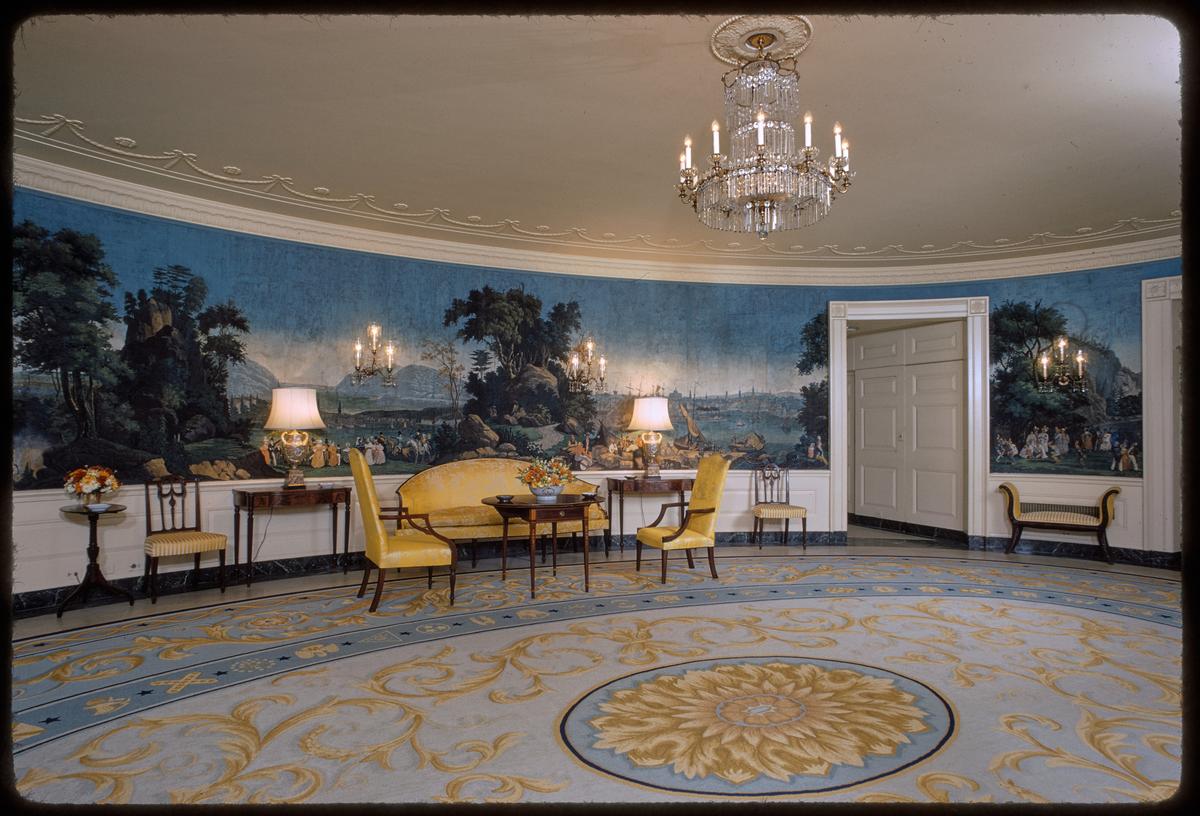
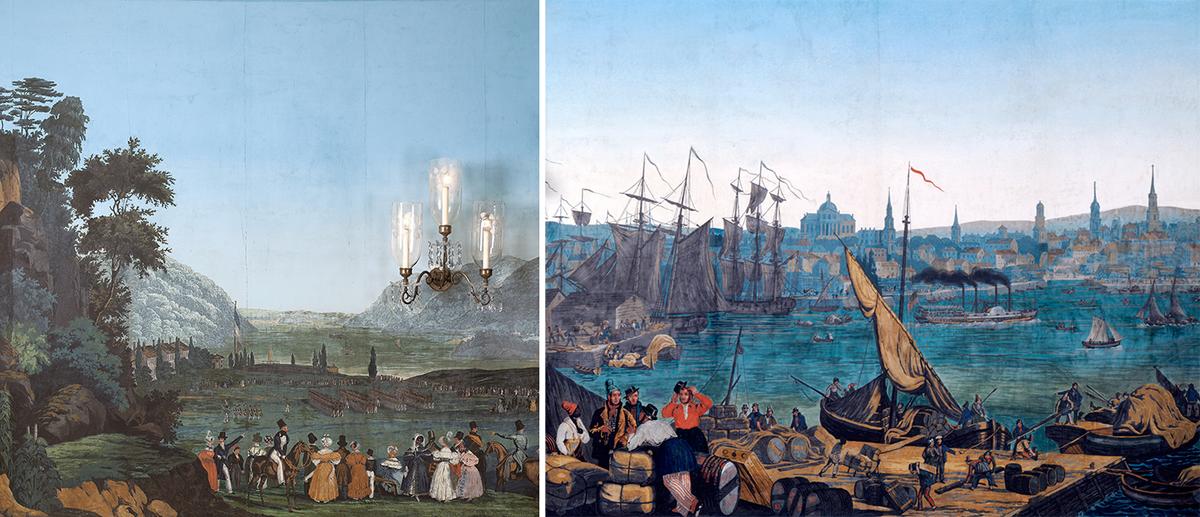
Designed by Jean-Julien Deltil, the wallpaper was created originally in 1834 by the French firm Jean Zuber and Co. Titled “Views of North America,” it features panoramic scenes, a specialty of the firm, showing several idealized views of places such as Boston Harbor, New York Bay, Niagara Falls, and West Point. The paper requires 1,690 printing blocks and 223 colors; it is a true work of art. The pattern was popular in America during the late 19th and early 20th centuries, making it a fitting decorative scheme for the White House.
When First Lady Grace Coolidge began a project to acquire historic furniture for the White House Collection in the 1920s, she told reporters, “The White House is really a national institution—a shrine. I feel it belongs to the American people.” This commitment has continued under the guidance of multiple first ladies, curators, board members, and consultants. It is an evolving testament to patriotism, preservation, and public access.