In a sense, John Tyler was the first Whig Party president. His running mate, William Henry Harrison, had been president about as long as his inaugural speech. He spoke for nearly two hours in the freezing rain, caught a cold, which turned into pneumonia, and died on his 32nd day in office. Harrison had led the new Whig Party to a decisive victory over incumbent Martin Van Buren, a Democrat.
The First Bank
Powerful political leaders, like Clay and Daniel Webster, and even John C. Calhoun, a Democrat, worked to form a singular party out of the splintered political groups, along with the Anti-Masons. The Whig Party officially took shape in 1834. The Whigs borrowed their name from the late-17th-century Whigs of Britain, who had originally formed to oppose the tyranny of King Charles II. The American Whigs believed they had their own king to oppose: “King Andrew.”
The Second Bank
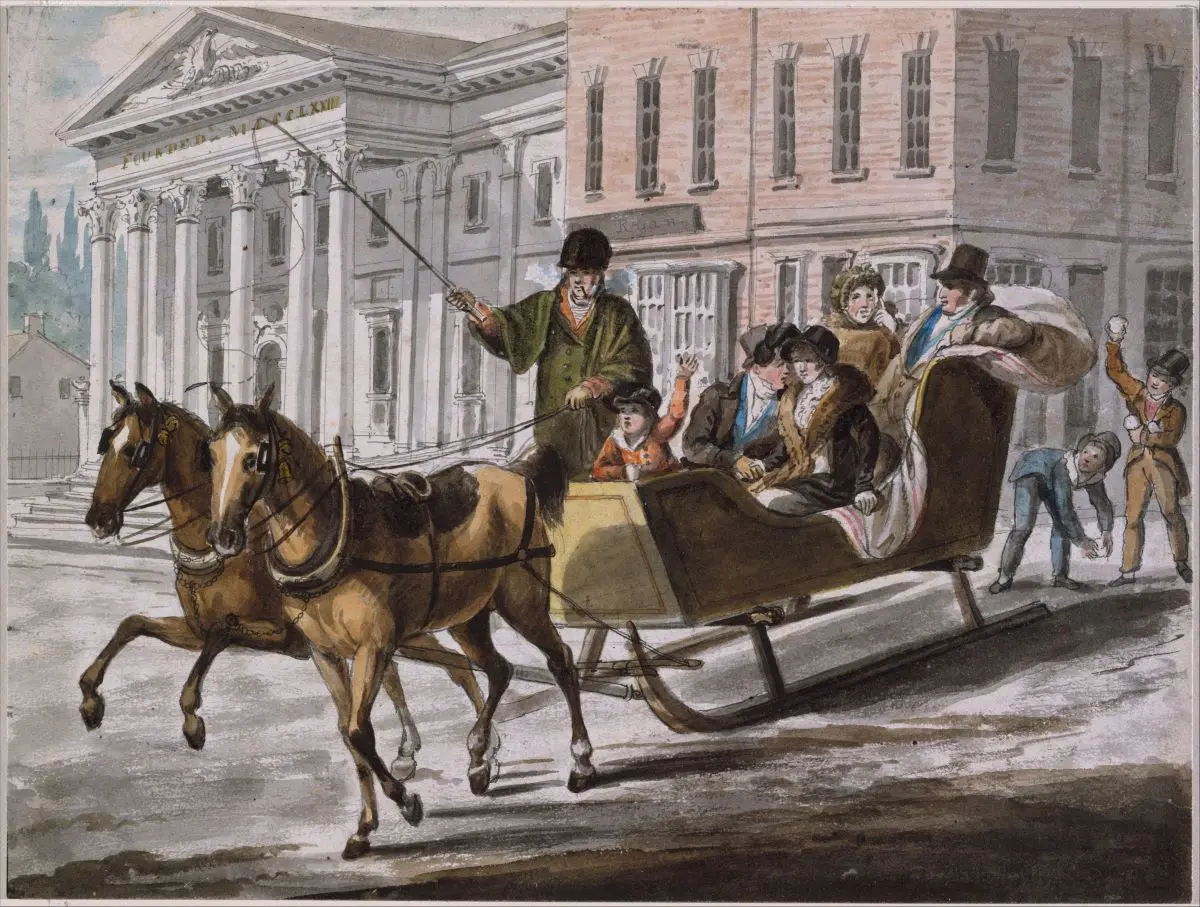
When America declared war on Britain the following year, a national bank looked like a necessity. President James Madison, who had opposed the establishment of the First Bank of the United States, maintained an unfavorable view of a national bank. But as the war continued and the country’s economic woes worsened, Congress and the president looked for ways to pay for the conflict.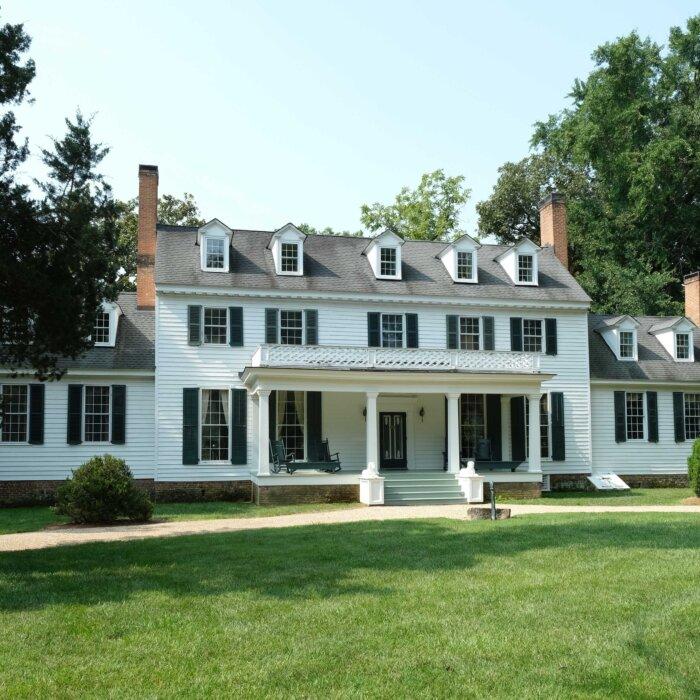
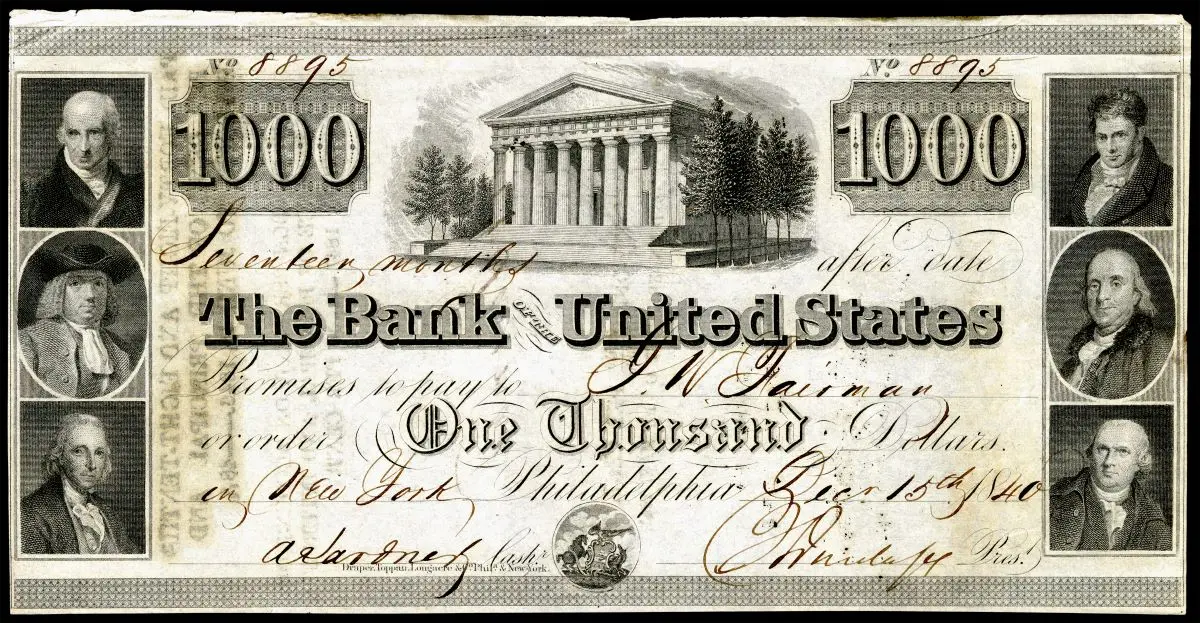
By 1814, politicians and businessmen alike looked to re-establish a national bank. At the start of the year, 150 New York City businessmen petitioned Congress to do so. By April, Madison reluctantly conceded the point. Twice that year, Calhoun issued bills to establish the bank, but both failed. With the Treaty of Ghent signed in December 1814, ending the war, Madison withdrew his support for the bank and Congress stopped pushing for it. Perhaps the economy would quickly self-correct without one.
The Whig Win
Twenty years removed from that moment was Jackson’s final year in office. His disdain for the national bank was obvious. It had been a point of controversy between the president and his avowed political enemies, the Whigs. The controversy was known as the Bank War, and when Jackson claimed “The Bank … is trying to kill me, but I will kill it,” he proved correct.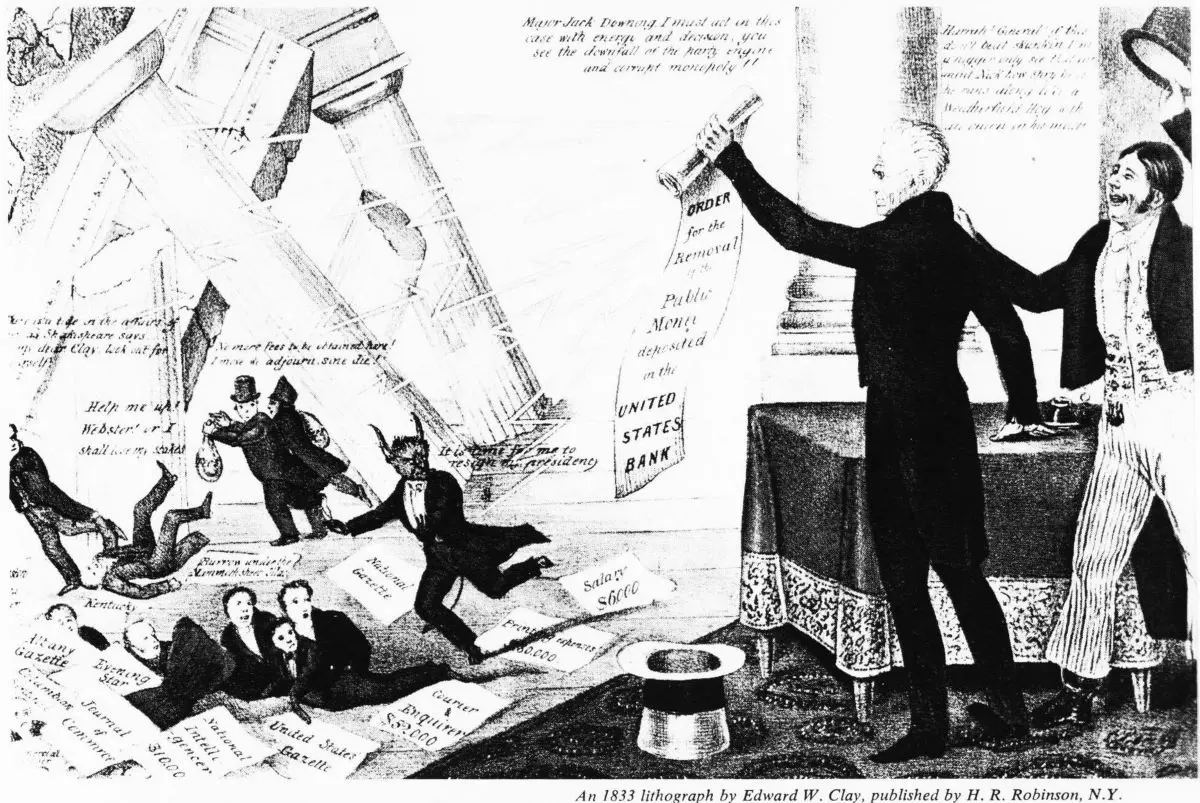
Clay and Webster had led the charge to recharter the bank in 1836. Jackson, however, vetoed it. The bank was indeed dead. It remained so for another four years with Jackson’s vice president, Van Buren, succeeding him to the presidency.
For the Whigs, reestablishing the national bank was the highest priority. The Whig Party held its first national convention in 1839. They chose Harrison to be the party’s presidential candidate. To increase their chances in the 1840 election, they chose Tyler, a former Democrat-turned-Whig as vice president.
The Whig Betrayal
A month later, on April 4, an “event so unexpected and so melancholy” was announced. Harrison was dead. The announcement added that “the last utterance of his lips expressed a fervent desire for the perpetuity of the Constitution and the preservation of its true principles.”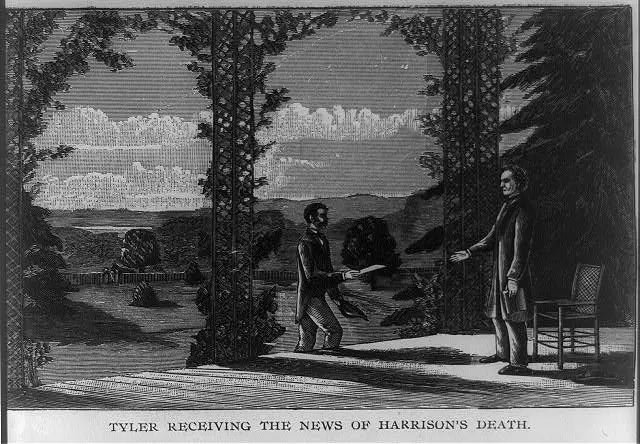
It was evident that, despite being running mates, Harrison and Tyler differed on some of the Constitution’s “true principles.” Tyler did not view a national bank in keeping with those principles. When the Whig-led Congress issued its charter for the third Bank of the United States, which was primarily created by Clay, Tyler made his position clear.
What had been a long-term plan of brilliant political maneuvering had suddenly collapsed in on itself. Out of political necessity, the Whigs had unwittingly placed a Trojan horse within their own party by selecting Tyler as vice president, a position that had long been viewed as one of minor consequence.
The Whigs, however, would have a say—and a violent one at that. Two days after Tyler’s announcement, drunk and angry Whig supporters arrived on the White House lawn (then called the Executive Mansion). That night, on Aug. 18, the mob shouted and jeered at the president, threw rocks at the mansion, shot guns in the air, and even burned Tyler in effigy. Word of Tyler’s veto resulted in numerous demonstrations across the country. “Down with the veto” became a common, if not temporary, refrain.
By September, the Clay-led Whigs had expelled Tyler from the party, making him the only president to hold office without a party.
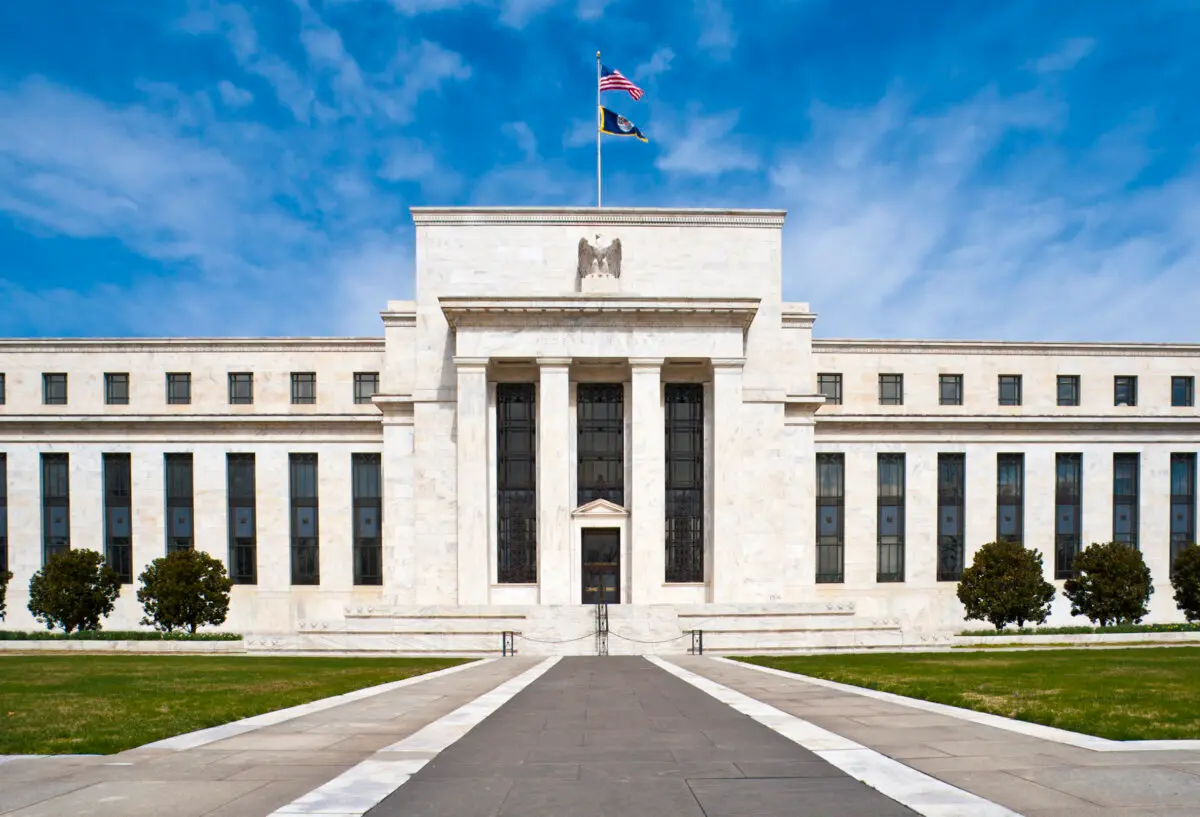
Although the National Banking Act, passed during the Civil War, attempted to establish a more uniform banking system and currency, the idea of a national bank would not be seriously revisited until the 20th century. After numerous economic convulsions, specifically the Panic of 1907, the idea was revisited, leading to the creation of the Federal Reserve System in 1913, in which there are 12 Federal Reserve Banks that continue make up the country’s central banking system.
Never miss a This Week in History story! Sign up for the American History newsletter here.
What arts and culture topics would you like us to cover? Please email ideas or feedback to [email protected].