Mined for Memories
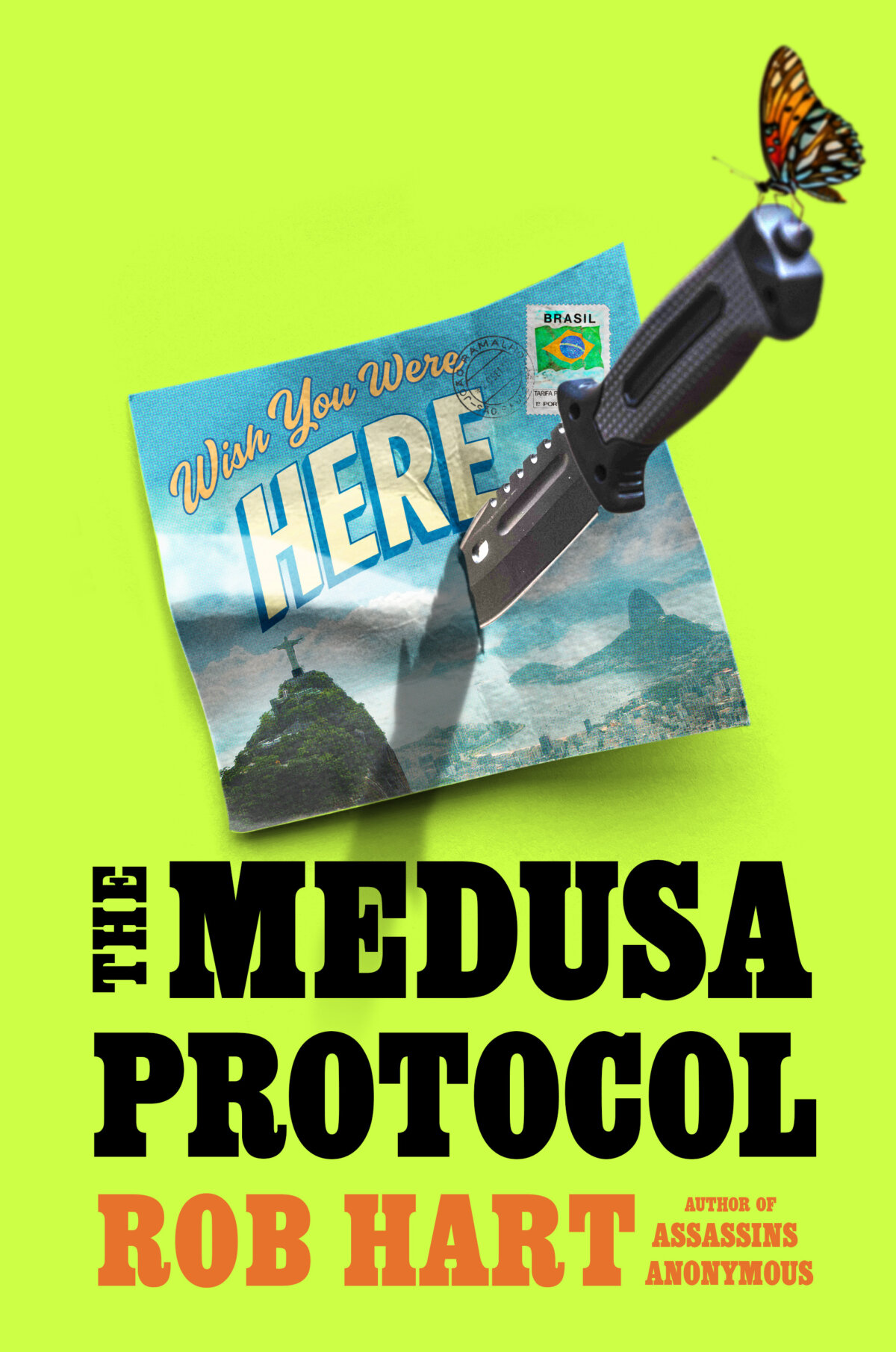
The first book in the series, “Assassins Anonymous,” centered on Mark, professionally known as “Pale Horse.” He tries to redeem himself and avoid being killed by people from his past. Its sequel, “The Medusa Protocol,” shifts back and forth between the perspectives of Mark and his would-be love interest, another assassin named Astrid.“The Medusa Protocol” begins with Astrid waking up in a cell, having been roughly abducted and shipped to an unknown international location. Stoic professional henchmen are everywhere; the newly constructed cell suggests they are looking to hold her captive for a long time. They also blare “Come On, Eileen” by Dexys Midnight Runners from hidden speakers for hours on end. The future doesn’t look promising for Astrid.
Soon after, Astrid is forced to relive moments from her past by a concoction of drugs administered by a nefarious doctor named Vogt. She begins to suspect that whoever is behind her abduction wants to unlock and learn about something in her past. If she tells them what they want to know—whatever that might be—her usefulness to them will likely be at an end.
Personal Responsibility
“She was my sponsee,” he confides to Nguyen, “which means she was my responsibility.” But Nguyen pushes back on his feelings of guilt: “The only person responsible for Astrid is Astrid. You can’t take that on.”Later, in the basement at St. Dymphna’s Church, where the members of Assassins Anonymous meet, we’re reintroduced to the remaining members: Booker (an ex-Marine) and Valencia (an ex-CIA agent). Mark is somewhat disheartened by seeing too many empty chairs. One honorary member is Valencia’s new baby, Lucia.
During the meeting, a mundane occurrence takes on a much greater significance. A pizza is delivered to the meeting that is Astrid’s signature favorite. Everyone believes that this is a covert signal from her that she’s alive and in trouble. Moments later, security alarms erupt, warning the group that multiple armed intruders are entering the building.
Effective Allegories
Allegories can be great tools for conveying larger stories within smaller ones. “Moby Dick” may seem like it’s wholly about an obsessive man hunting a big fish. But it’s also a meta-story (another story hidden cleverly within the main story) about prideful rebellion against nature and the dangers of tyranny. There are countless examples of this type of novel. Some work better than others, in terms of both the surface tale and the meta one.The surface concept of the Assassins Anonymous series is strange and somewhat ludicrous. Killing, Hart suggests, is like a drug. All of the main characters, the ones who are members of “AA,” are addicted to the adrenaline rush and other supposed heady effects of killing another human being.
For them, it’s not the traumatic or soul-shattering blow it would be for most people, but more akin to a narcotic high. Yet hardly anyone acts in the series as a hedonistic thrill-seeking psychopath, the kind of person in real life who does find joy in killing.
During their downtime, the AA members behave like upper-middle-class gym bros. They chit-chat about garroting techniques in the same way your average Starbucks customer would a new drink. When they’re working, the dialogue, action, and plot are more discount Ian Fleming or Robert Ludlum than original. Any hint of irony or satire, if present, is so well hidden it’s essentially nonexistent.
A Balm for Your Struggles?
When viewed as an allegory, however, it’s possible “The Medusa Protocol” could be reasonably enjoyable for those living with addictions. A wide range of negative emotions often accompany the recovery process, like anger, irritability, shame, and guilt. All of these dark feelings are deeply experienced by the members of Hart’s AA.People recovering from addictions might find great entertainment in reading about bad-ass heroes with even heavier sins than theirs. The allegory here is blatant, but it doesn’t necessarily have to be subtle to work.
To enjoy “The Medusa Protocol,” you have to accept the central premise: A bunch of John Wick types frequently drop their guns, hand their opponents a coffee, and say, “It’ll be ok, Brother.”
While many would find the whole idea preposterous, for others it could be a case of “Hey, whatever gets you through the night.”