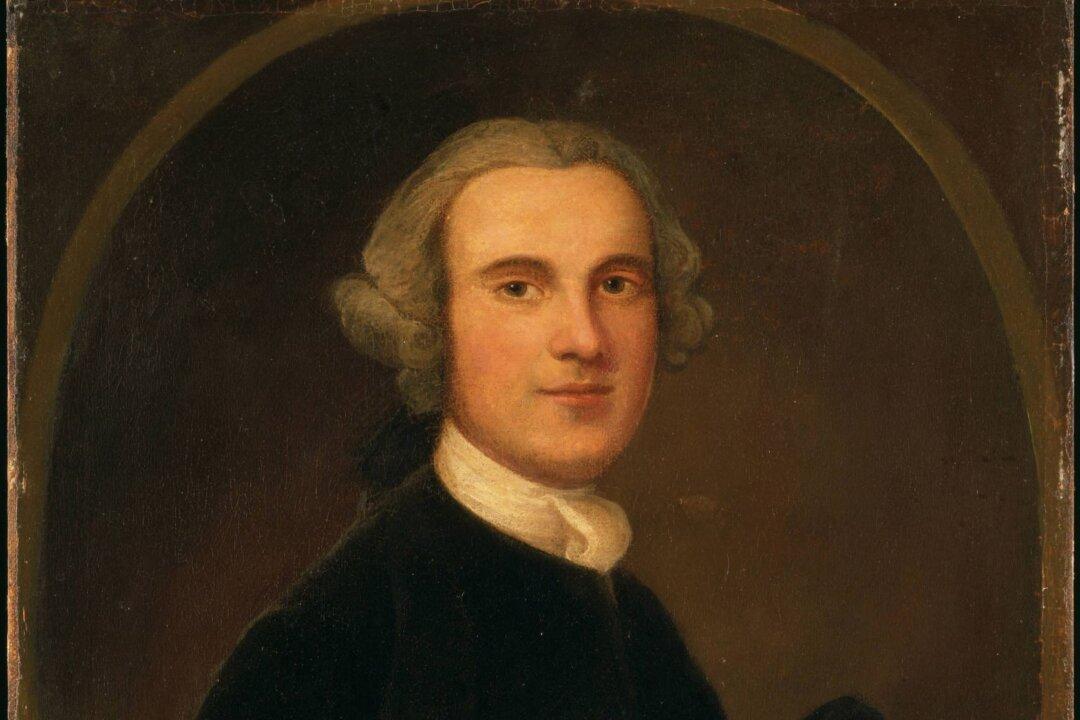
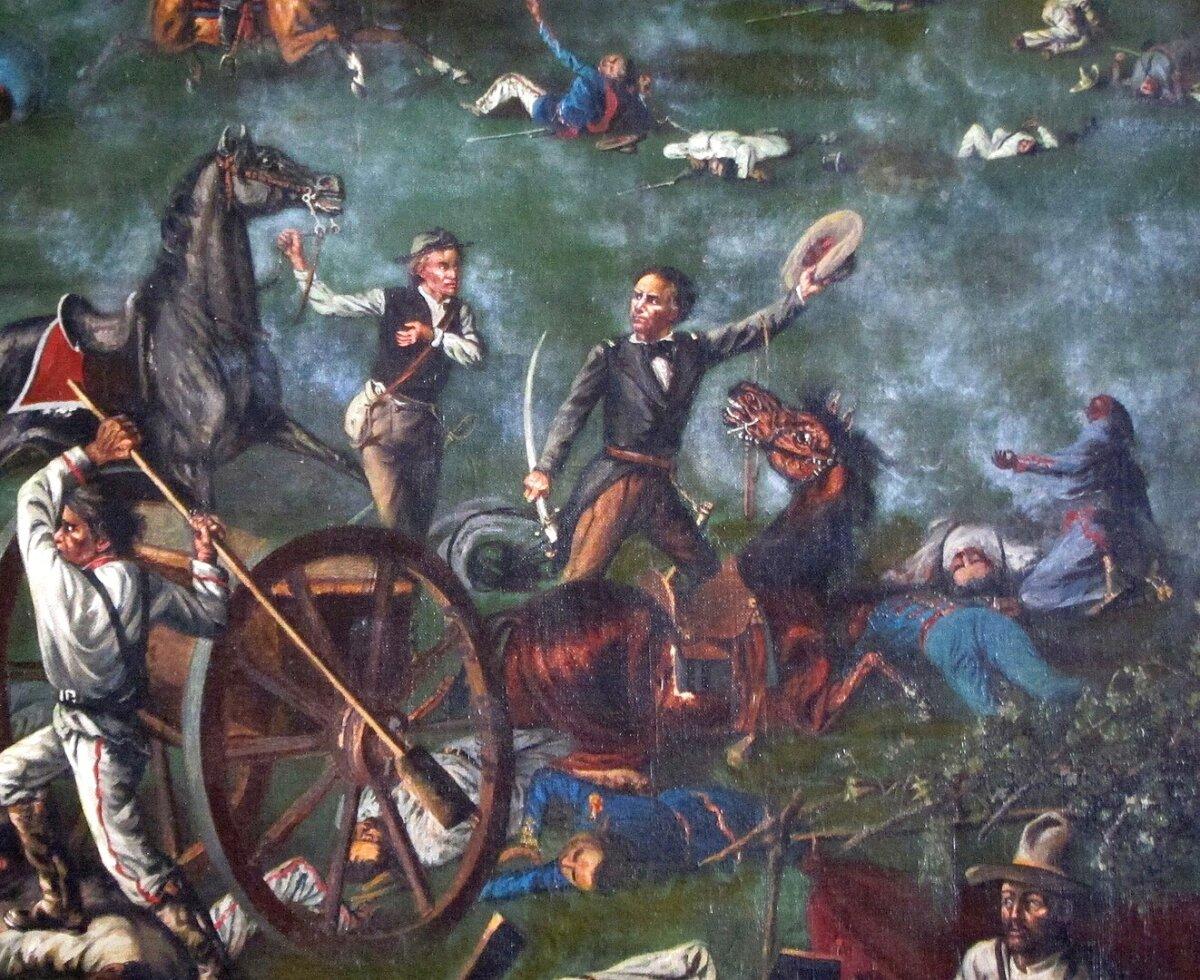
After being commissioned a major general in the Texas Army in 1835, Houston and his men won the Battle of San Jacinto the following year, shouting “Remember the Alamo!” as they surprised and defeated the forces of Mexican Gen. Santa Anna in less than 20 minutes. That same year, Texans elected him as the first president of the Republic of Texas, and a new town, Houston, bore his name.
Sam Houston served a second term as the Republic’s president. Once Texas gained statehood, which came to pass in large part from his efforts, he was one of the two men his state first sent to the U.S. Senate. In 1859, his fellow Texans elected him governor. By then, his name was practically synonymous with America’s largest state.
Less than two years later, however, a good many voters, including some of his own supporters, were calling for his resignation publicly, and some even for his death.
The Road to Texas
Born in the Shenandoah Valley in 1793, Houston moved with his family to Eastern Tennessee, where, as a teenager, he ran away from home and lived with a band of Cherokee for almost three years. They gave him the name Co-lon-neh, meaning “The Raven.”During the War of 1812, Houston joined the Army and fought the Creek Indians under Andrew Jackson at Horseshoe Bend (in what’s now Alabama). Impressed by the young man’s courage—Houston suffered wounds that plagued him for the rest of his life—Jackson took him under his wing and encouraged his political ambitions. Over the next decade, Houston earned his law degree and served in several public offices before being elected to the U.S. House of Representatives.
Elected governor of Tennessee in 1827—he is the only person in our nation’s history who served in that capacity in two states—Houston was seeking reelection when his marriage of only 11 weeks ended for reasons unknown today. The ensuing scandal sent him reeling back to the Cherokee, where his battle with the bottle brought him a new name, “Big Drunk.”
And then he headed west to Texas.

Warnings Ignored
Though a slaveholder, Houston opposed the expansion of slavery into the Western territories and states. He was, for instance, the only Southern Democrat in the Senate who voted against the 1854 Kansas-Nebraska Act, which allowed voters to decide whether their states should allow slavery. Even then, “The Raven” feared the growing rift between the North and South would lead to violence and a collapse of the Union.“There is no longer a holy ground upon which the footsteps of the demagogue may not fall. One by one the sacred things placed by patriotic hands upon the altar of our liberties, have been torn down. The Declaration of our Independence is jeered at. The farewell counsels of Washington are derided. The charm of those historic names which make glorious our past has been broken, and now the Union is no longer held sacred, but made secondary to the success of party and the adoption of abstractions.”
In this same address, Houston spoke of his own love of country:
Principles Over Power
Unfortunately for him and the state of Texas, that hope died in January 1861 when the legislature called for a convention, which then voted to leave the Union on Feb. 1. As governor, Houston demanded a referendum of voters and campaigned against secession. Before a hostile audience in Galveston, he painted a clear picture of the outcome of this folly:“Some of you laugh to scorn the idea of bloodshed as the result of secession. But let me tell you what is coming. … Your fathers and husbands, your sons and brothers, will be herded at the point of the bayonet. … You may, after the sacrifice of countless millions of treasure and hundreds of thousands of lives, as a bare possibility, win Southern independence … but I doubt it.”
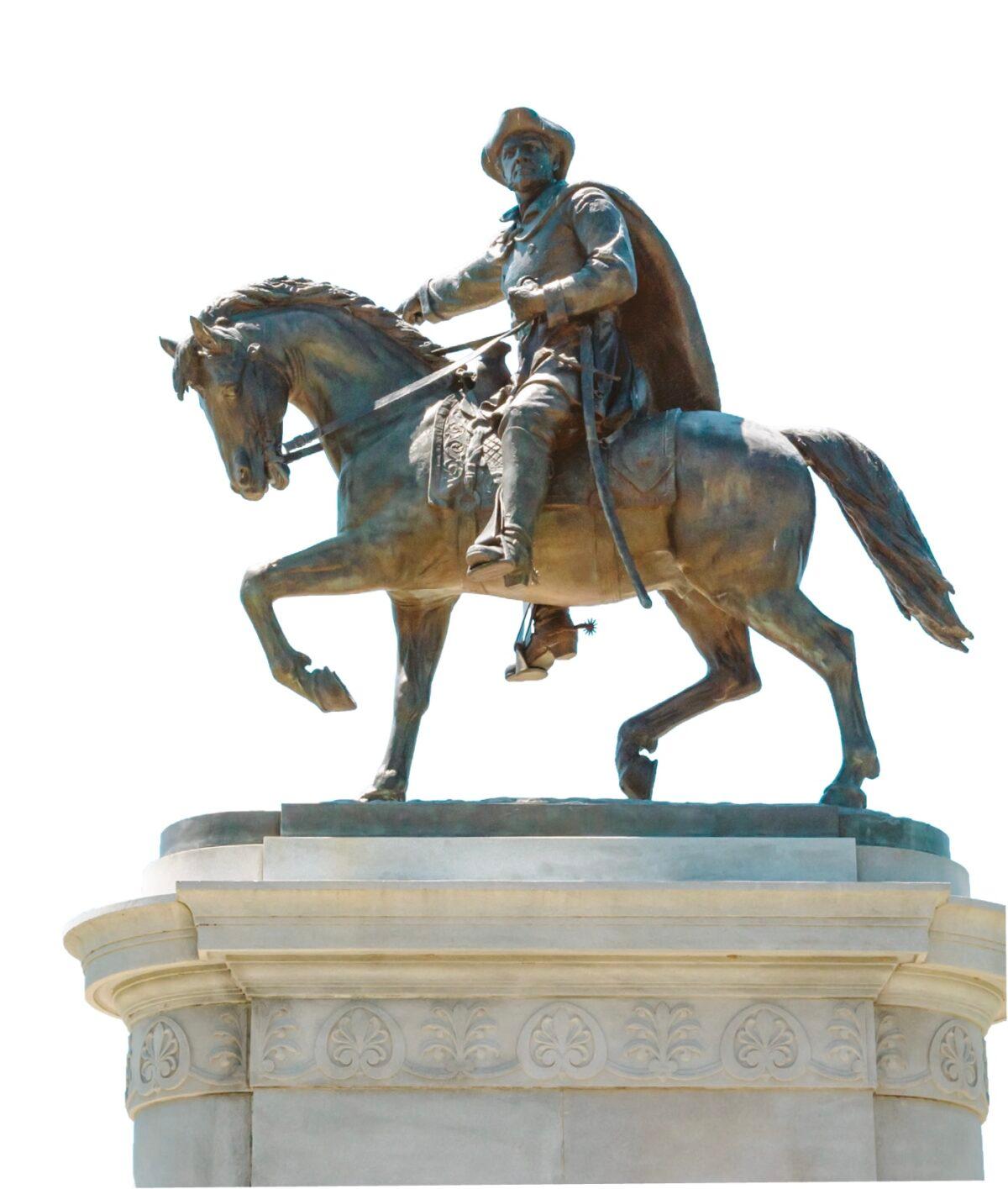
Later that morning, when the speaker of the convention summoned him to appear by calling out “Sam Houston!” three times in a loud voice, Houston remained in his office in the basement of the building, whittling on a piece of pine. The convention then proclaimed the governor’s chair vacant, and Houston’s long life in public service ended.
Two years of war and privation changed the minds of many Texans. By the summer of 1863, local newspapers were reporting growing support for Houston for another stint as governor, with the likelihood that he would win that race. On July 26, however, “The Raven” died on his ranch near Huntsville.
Houston’s noble defeat should remind all Americans of the damage done when ideology or the appetite for power takes precedence over love of country.