William W. Johnstone built one of the most prolific careers in modern genre fiction. He began in 1979 with a breakout horror novel that launched a decades-long run across multiple categories.
He wrote action thrillers, science fiction, and survivalist fiction, but his reputation rests most firmly on two pillars: his Westerns and his post-apocalyptic “Ashes” series.
Johnstone’s Western catalog alone is extensive. It includes long-running series and standalone titles that helped define his fast-paced, dialogue-driven voice, rooted in moral tension rather than romanticized nostalgia. Over the course of his career, Johnstone produced hundreds of novels before his death in 2004 at age 65.
It’s interesting to note that Johnstone’s death wasn’t officially announced to the public for three years after the fact, allowing time to select a successor to continue writing under his name.
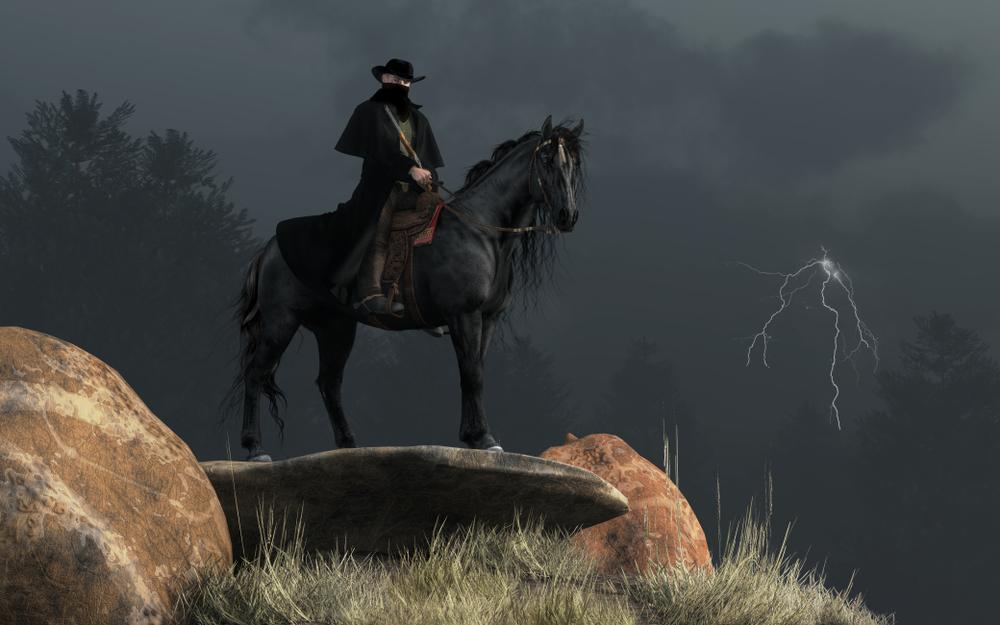
Posthumous Entries
Today, his name is still going strong as a brand, with new titles released regularly under his banner. In 2026 alone, more than a dozen books are slated for publication, including the recent release “The Last Ride of the Dirty Creek Gang.”Given that industrial-scale output, readers might expect to find nothing but formula writing and pat clichés on every page. Instead, this novel proves to be a surprisingly engaging and tightly constructed Western.
The story follows Clay Carson, an aging outlaw who’s stepped away from violence. He’s now making a living as a farmhand in Texas, picking cotton for a local family. He wants to distance himself from his outlaw past, which continues to weigh on him.
His outlaw career ended with a disastrous bank robbery in Fort Worth, which left innocent people harmed. Carson’s quiet life is disrupted when he receives word that his former gang leader, Lemuel Jones, is dying and wants to see him.
Despite his reservations, Carson sets out to find Jones. The reunion brings a proposal. The gold from that failed robbery was never recovered, and Jones claims to know where it’s buried. His dying wish is for the surviving members of the Dirty Creek Gang to reunite, recover the money, and divide it evenly.
Texas Frontiers
Carson’s search stretches across a series of rough frontier towns and open country, as he tracks down former gang members and attempts to convince them to join the search.Each reunion introduces new complications. Old grievances resurface. Alliances shift. The group must contend not only with one another but with external threats, including bounty hunters and lingering law enforcement attention.
Like Carson himself, the plot of “The Last Ride of the Dirty Creek Gang” is always in motion. Characters are constantly traveling, negotiating, or confronting one another, which keeps the narrative chugging along nicely. As each new piece of the chessboard is added or removed, motivations and tensions shift as well.
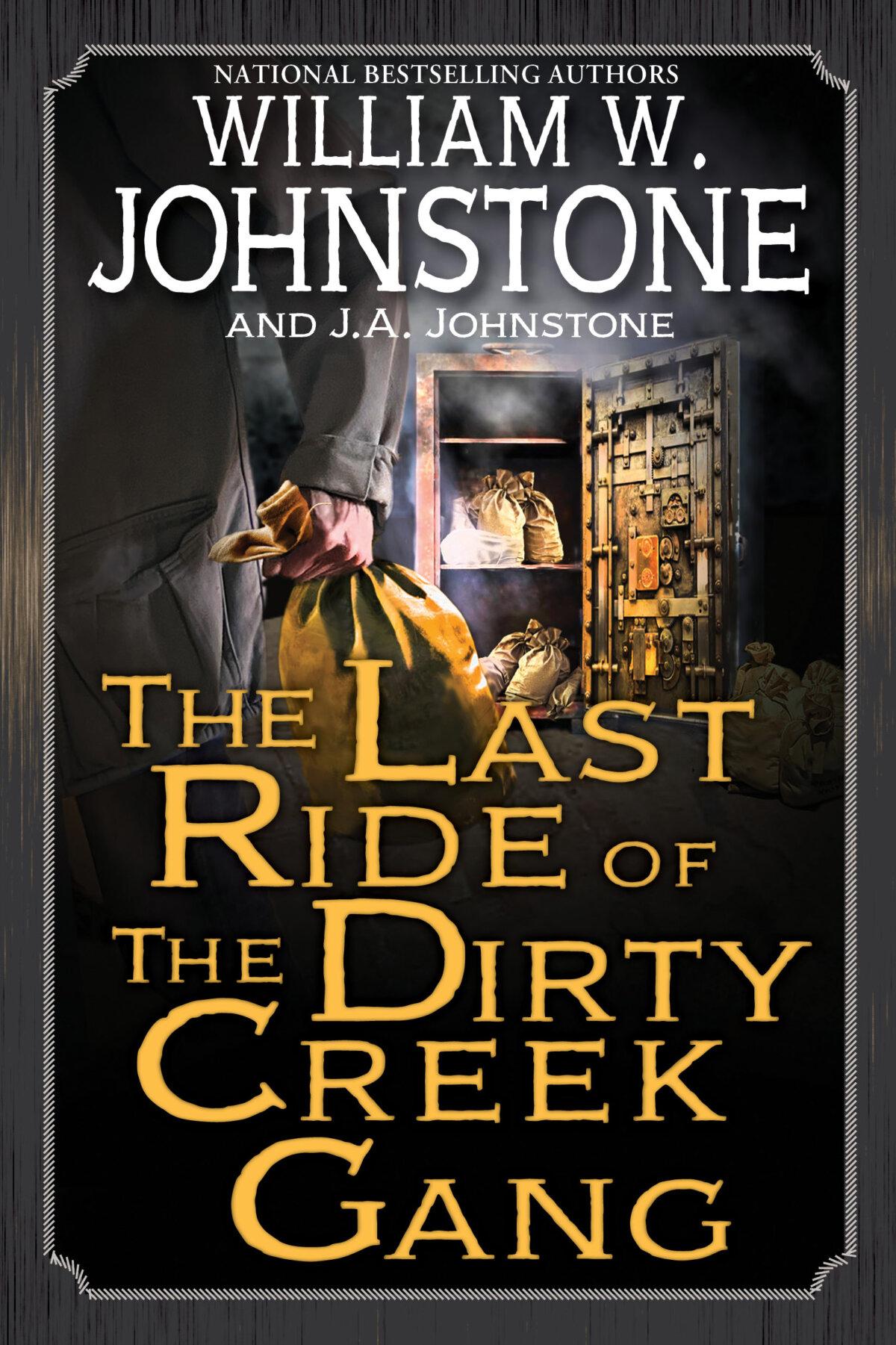
The author wisely presents the Dirty Creek Gang itself not as a unified force but as a collection of individuals with conflicting interests. Suspicion grows as the search continues. The question of who can be trusted becomes central to the plot. Greed, guilt, and gold are all becoming confused within each member.
Some of the dialogue might make you smirk, like, “My bile’s rising with that smoke wagon pointing at me.” Nevertheless, for the most part, the voice is straightforward and efficient. Those smirking moments, if that’s how you perceive them, can easily become part of the fun.
Gunfights are brief and decisive, and the consequences are immediate. It’s a world where hesitation carries real cost. There’s little downtime. The quiet moments tend to serve as setup for what’s just over the crest of the next hill.
Despite being part of a long-running publishing machine, “The Last Ride of the Dirty Creek Gang” maintains a level of narrative clarity and engagement that exceeds expectations. The caretakers of the Johnstone brand—particularly niece J.A. Johnstone, whose name appears on all current releases—have preserved the core elements that defined the original work.
Is this the sort of quality level one could expect for the future? Such a high volume of releases is a challenge for any publishing operation.
However, “The Last Ride of the Dirty Creek Gang” shows that even within a large-scale production model, a well-executed story can still hold its ground and find a warm sunset to ride off into.