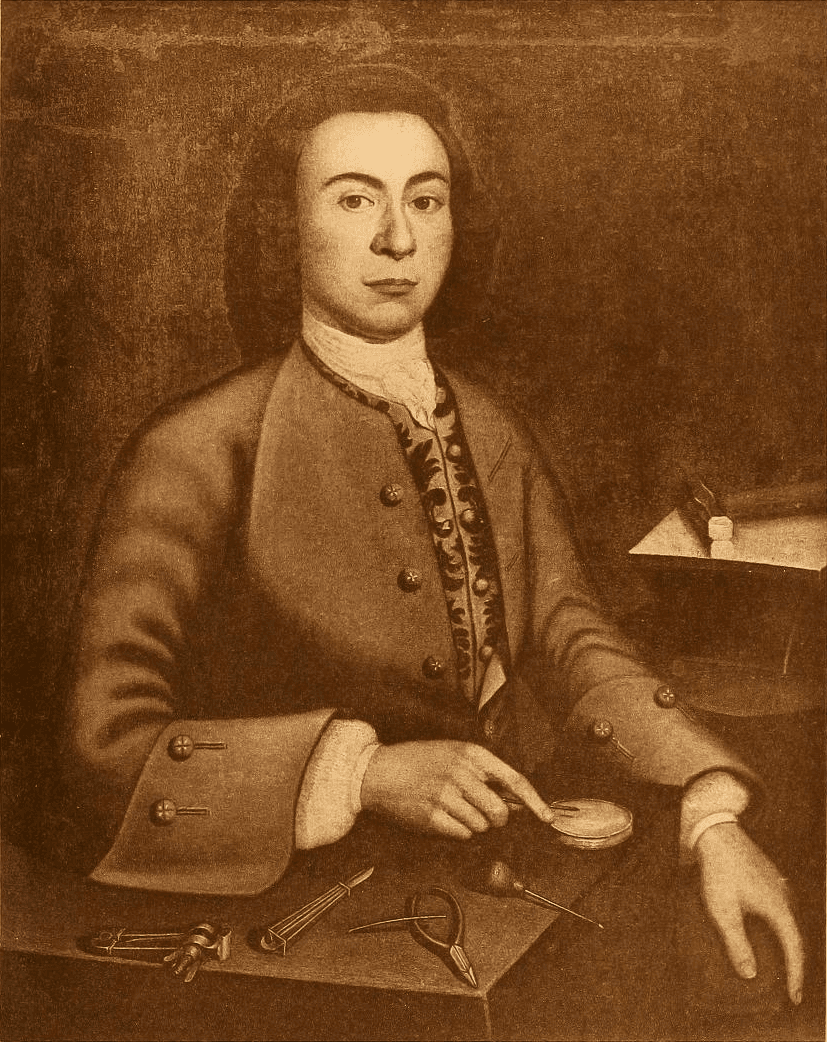
In the 1700s, Boston resident Peter Pelham was an in-demand painter and engraver. Some of his prints featuring historic figures, like statesmen Oliver Cromwell and William Shirley, are available to view today. The artist and businessman also had a deep love for music.
The Pelham family hailed from London, which was a lively epicenter of the arts. In 1731, Pelham got an idea. He wanted to create a lively arts scene in Boston with a unique American twist. So, he took out an advertisement in the Boston Weekly News-Letter publication, announcing a concert open to the public to be performed at his residence:
“On Thursday the 30th of this instant December, there will be performed a Concert of Musick on Sundry Instruments at Mr. Pelham’s great Room, being the House of the late Doctor Noyes near the Sun Tavern. Tickets to be delivered at the place of performance at Five shillings each the concert is to begin at exactly Six o’clock, and no Tickets will be delivered after Five the day of performance. N.B. There will be no admittance after Six.”
Kickstarting a Musical Tradition
Before the first dedicated concert hall was built in the North American colonies in 1752, there was the house concert. Sometimes historically referred to as a “parlor concert,” the intimate form of live entertainment brought beloved styles of the times, like classical and folk, to New England households.Privately owned businesses also began hosting musical performances. A February 1729 issue of the Boston Gazette features another advertisement for a ticketed concert. This one was at a local dance school on Boston’s former King Street. The early concerts happening in the New World’s burgeoning colonies helped kickstart a longstanding musical tradition.
“Once the model was established, public concerts spread rapidly up and down British colonial America,” arts site Early Music America states. “After 1731, notices of public concerts in newspapers started to occur frequently.” Concerts were held at homes and businesses from Massachusetts to South Carolina.
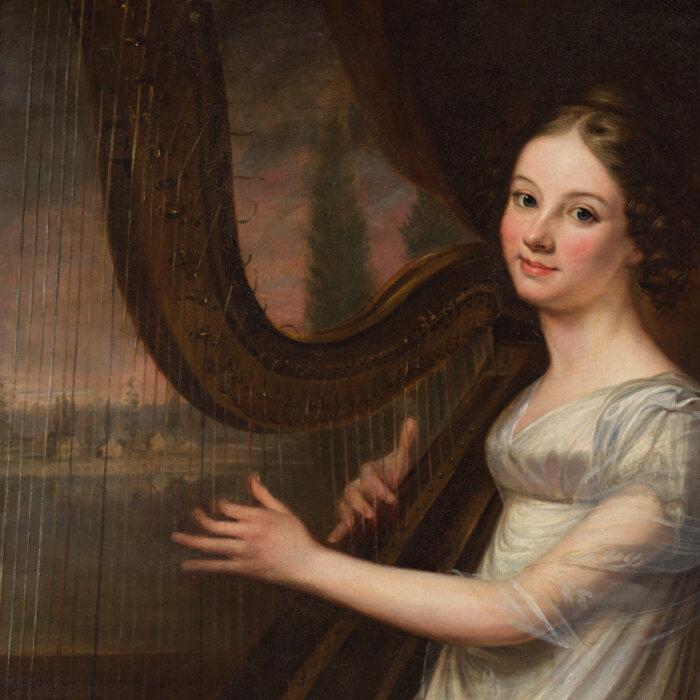
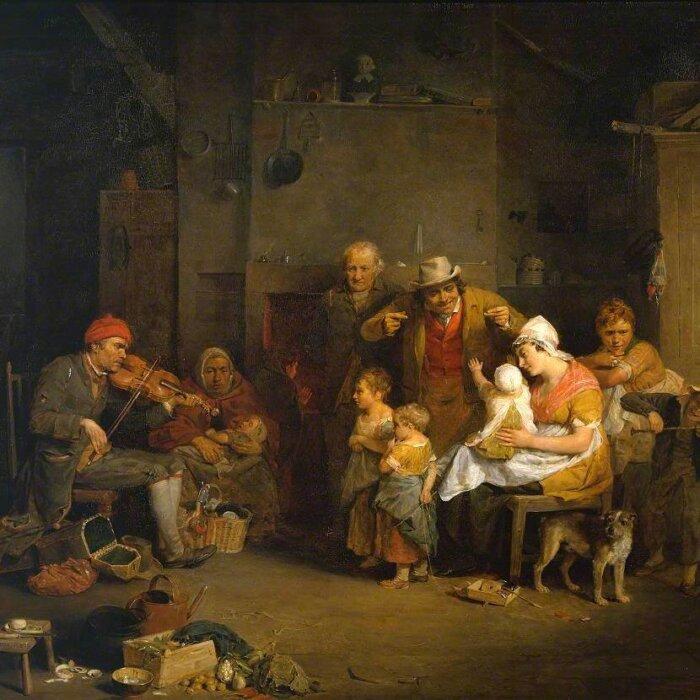
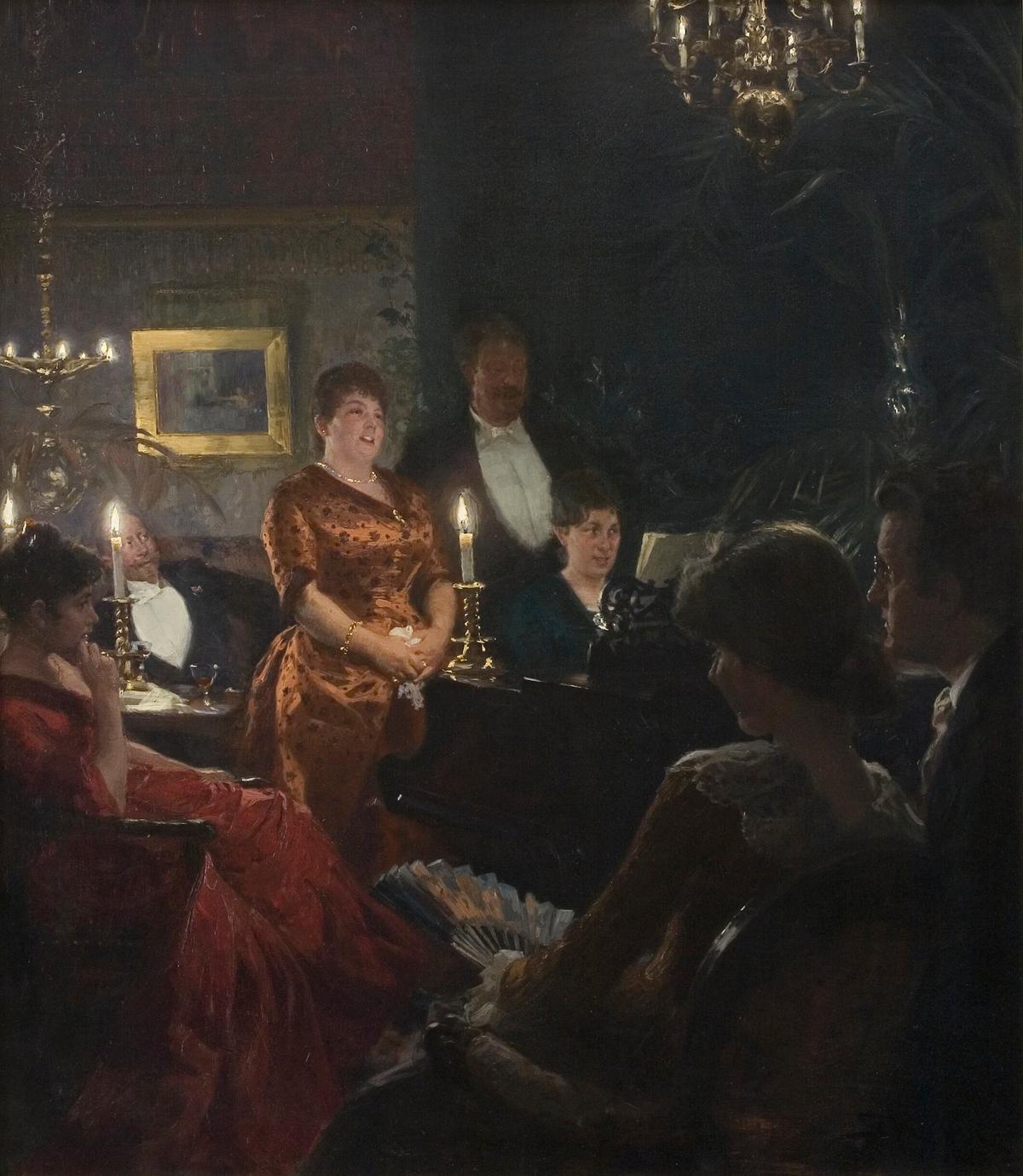
“Before recorded music became the norm, house concerts were one of the only musical experiences people had,” explained University of Rochester newspaper Campus Times.
Opportunity for Connection
As recording equipment advanced, house concerts were replaced by phonographs and records, and live performances slowly transitioned to large arena concerts. “Recently, however, the house concert scene has been seeing a resurgence, primarily in the United States,” explained Campus Times.Contemporary house concerts look a bit different than the one Peter would have witnessed when he was a boy. While chamber music was a popular style in the 18th century, modern troubadours performing acoustic-based, singer-songwriter styles of music grace many living room stages. Equipment is minimal, making performances more personal. Sometimes equipment isn’t used at all, with acts preferring to play entirely unplugged sets.
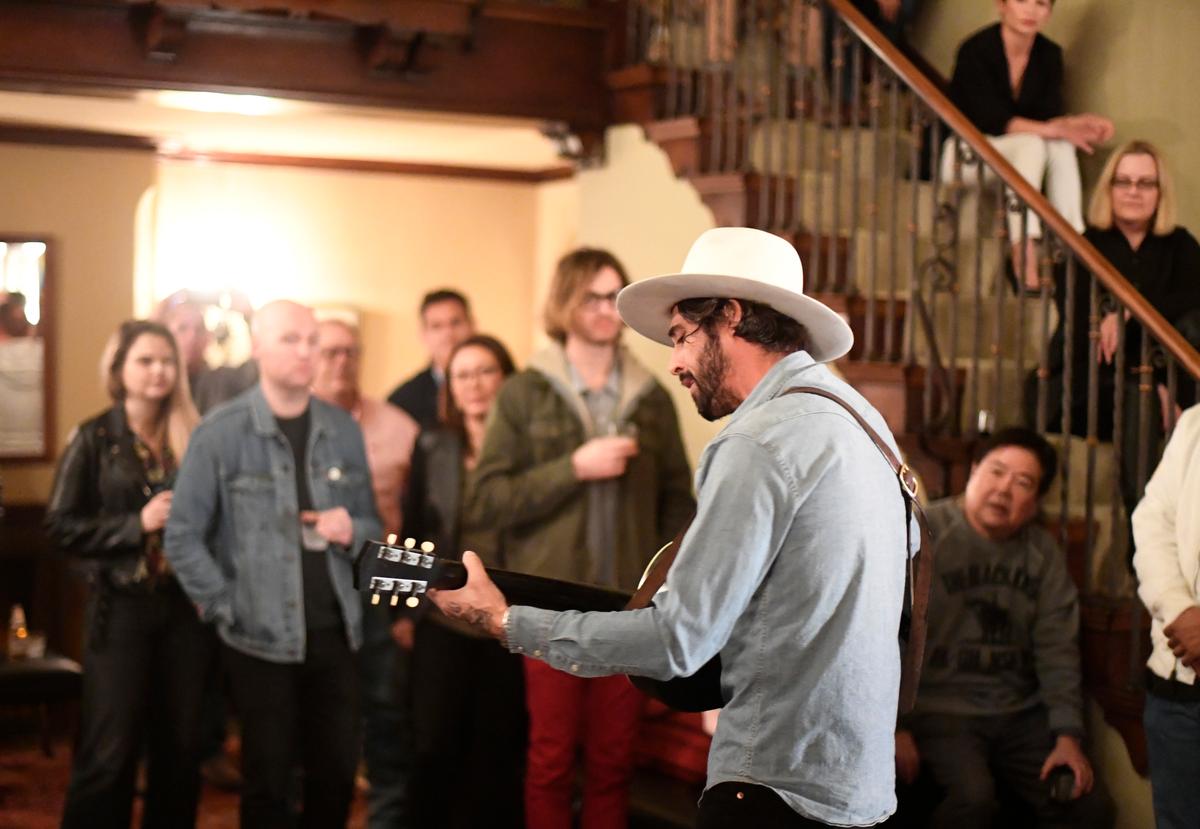
Today’s house concert offers something increasingly hard to find in an increasingly digital world—the opportunity for genuine, face-to-face human connection. Music is a robust facilitator of that, which is why the house concert went from being a cultural novelty to a cultural staple throughout its long tradition in the United States. It is intriguing to think that, when attending a house concert, people are taking in melodies the same way America’s trailblazing generations did centuries ago.