One of the most beloved films of all time is Frank Capra’s 1946 gem “It’s a Wonderful Life.” But public adoration didn’t blossom until decades after its tumultuous creation and disappointing initial release.
The Story
“It’s a Wonderful Life” grew out of “The Greatest Gift,” a short story written by Philip Van Doren Stern (1900–1984). Stern self-published his work as a pamphlet in 1943 after no magazine would print it, and he mailed it as his Christmas card to 200 friends. One of the recipients was Hollywood agent Shirley Collier, who arranged for the RKO studio to buy the rights for $10,000 ($186,193 today).As Hawkins observed, RKO was eager to turn the story into a film starring Cary Grant, but the project was stuck in development limbo. High-profile writers, including Dalton Trumbo, Clifford Odets, and Marc Connelly tried and failed to create a satisfactory screenplay.
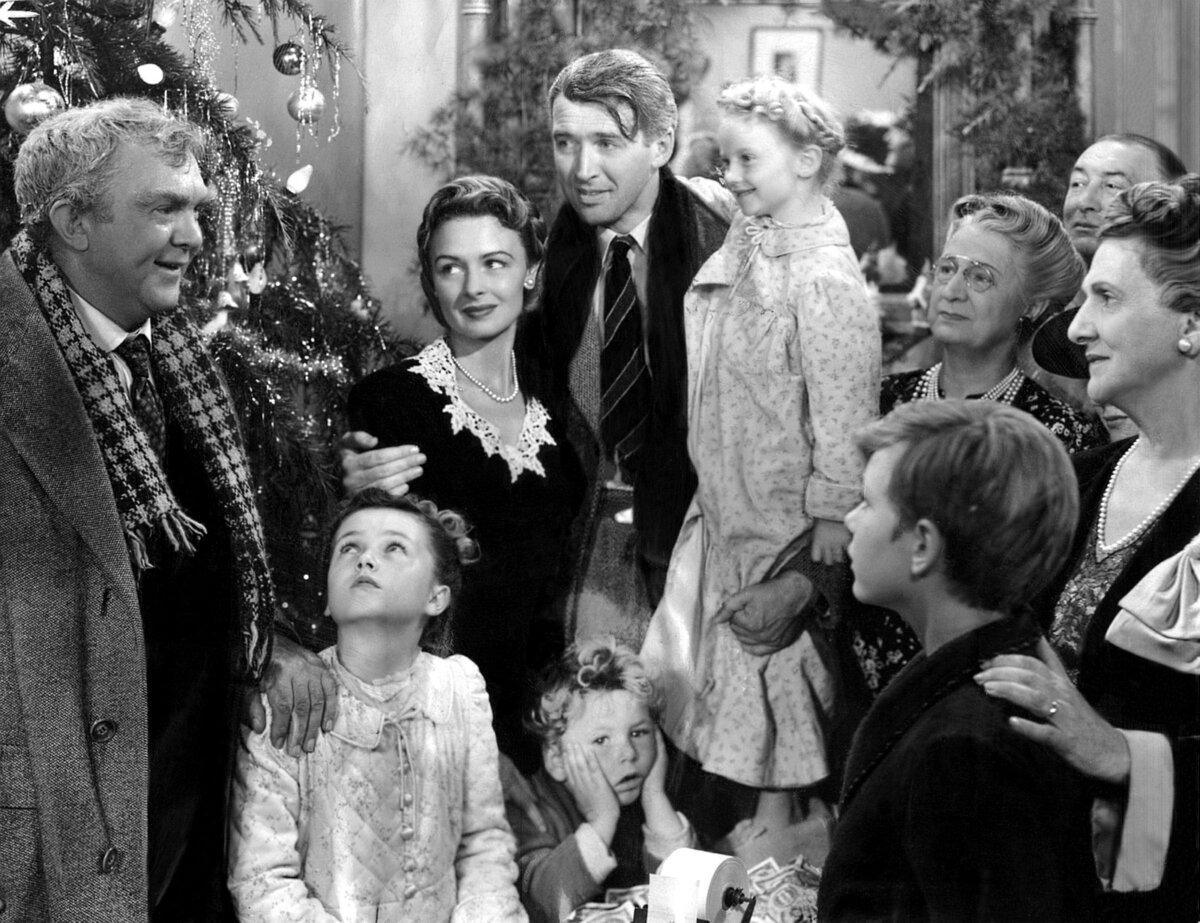
In 1945, studio chief Charles Koerner sold the rights for $50,000 to Oscar-winning director Frank Capra, who had just returned from his World War II Army service. Capra was eager to restart his career with a new production company called Liberty Films. The project gained attention when gossip columnist Hedda Hopper lobbied Capra to cast Ginger Rogers in the female lead role that went to Donna Reed.
Making the Film
The production history offers the most interesting aspects of the book, particularly in detailing Capra’s rocky relations with his creative collaborators. Hawkins noted that the director’s collaboration with screenwriters Frances Goodrich and Albert Hackett soured. They discovered Capra had secretly hired other writers, including Dorothy Parker, to rewrite their work while they were still drafting the screenplay. Goodrich and Hackett found working with Capra “horrid” and refused to attend the film’s premiere.Capra also didn’t get along with cinematographer Victor Milner; he called him “slow and pretentious” before replacing him. He complained composer Dmitri Tiomkin was too absorbed with his concurrent work on “Duel in the Sun” to give the film his fullest attention.
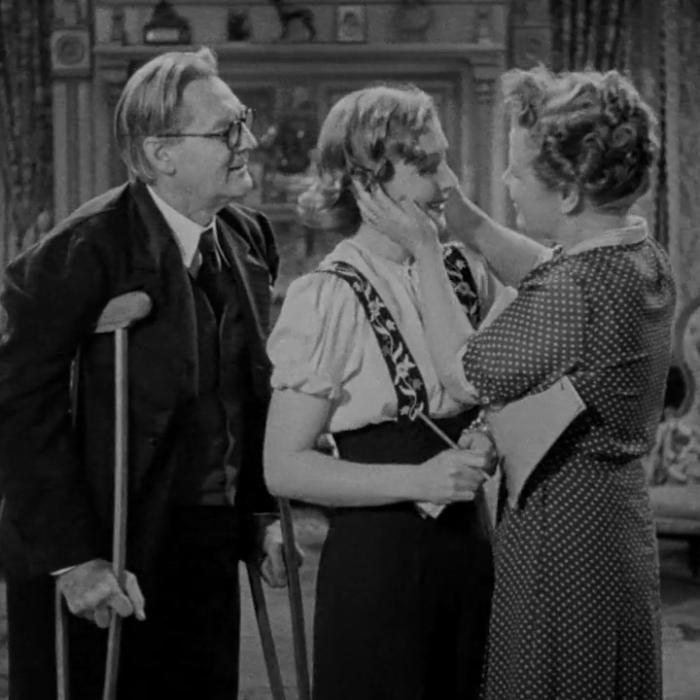
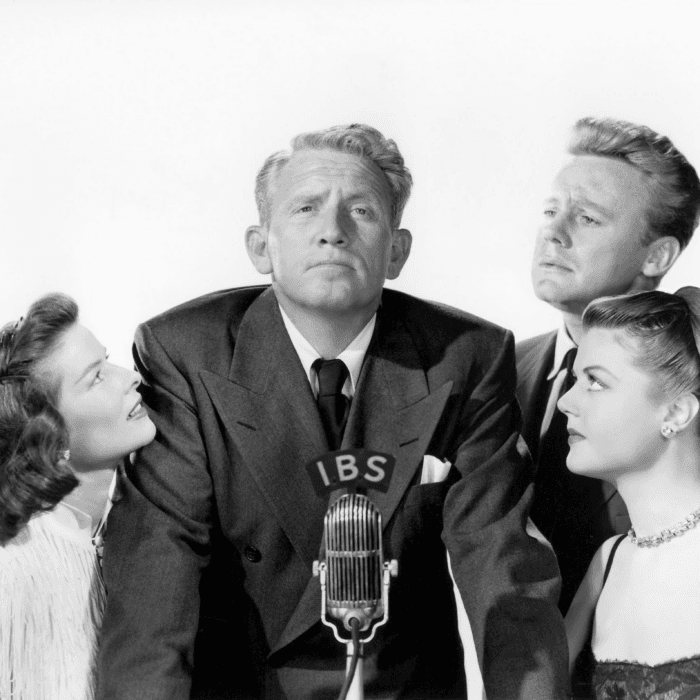
Hawkins, however, had no bad memories of Capra. He recalled that his big scene involving terrified reactions to the emotional breakdown of the George Bailey character was filmed by second unit director Slavko Vorkapich.
When “It’s a Wonderful Life” was theatrically released, the film earned five Oscar nominations including Best Picture. But it wasn’t a commercial success. It had significant detractors among the critics, most notably The New Yorker’s John McCarten, who said the story was “so mincing as to border on baby talk.”
The Message
Hawkins’s book plays up the film’s motivating messages. There are passages from the screenplay and observations on what lessons viewers can gain from the struggles George Bailey faced as he questions the purpose of his existence. While these are clearly well-intentioned sections that highlight the film’s life-affirming themes, Hawkins’s commentary isn’t subtle. It makes “It’s a Wonderful Life” feel like a cinematic self-help guide.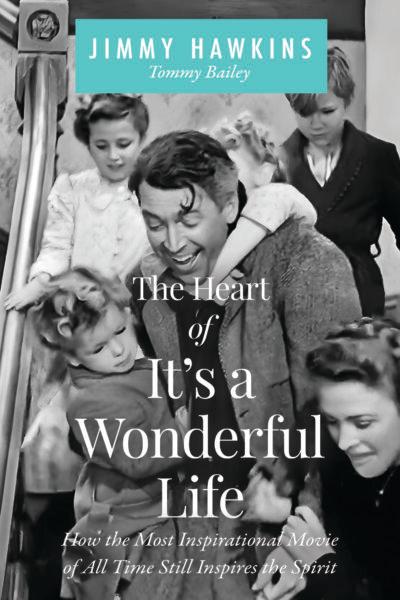
The most intriguing aspect of the book involves Hawkins’s life story. Although he never achieved household name status, he was an active part of the entertainment industry through his entire life. He branched into a music career that involved working in two Elvis Presley films and hosted a USO tour of military installations during the Vietnam War.
Today, he’s active as a producer. Unfortunately, Hawkins only sprinkled fleeting anecdotes of his life story throughout the book. Hopefully, a more in-depth autobiography will be on his horizon.
Hawkins wrapped up his book with a question that puzzled the film’s fans for decades: Whatever happened to “old man” Potter, the film’s crusty villain who nearly drove George Bailey to suicide? The author recalls asking Capra that question. The filmmaker stated he was more interested in George’s fate and opted to leave Potter alone.
As Hawkins observes, “Capra wanted viewers to focus on the power of good over evil rather than on a villain getting punished.” Considering the film’s still-powerful impact, it seems Capra got it right.