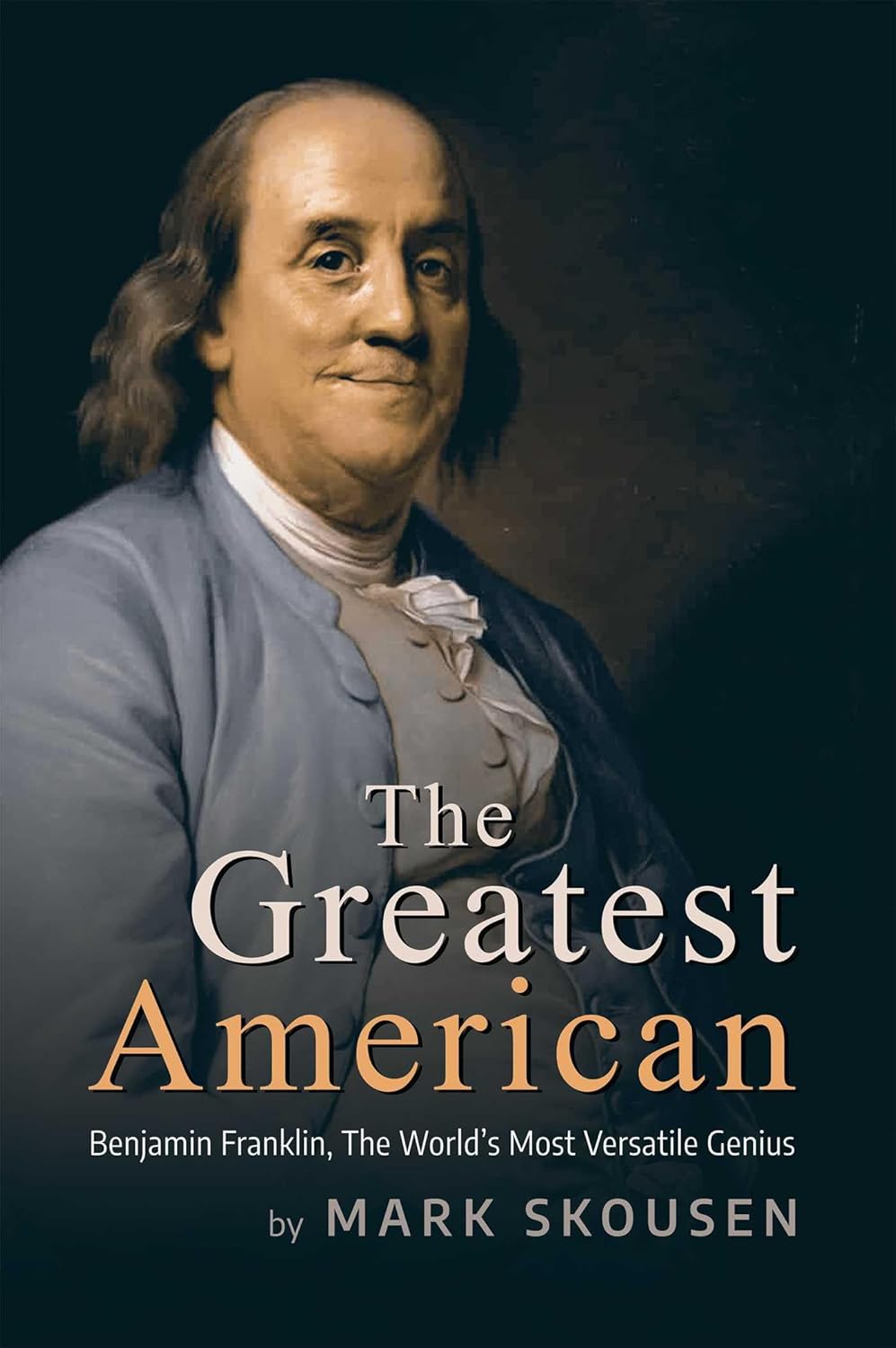
With the observances of the 250th anniversary of the American Revolution now underway, this is a perfect time to reconsider Benjamin Franklin, the most audacious and unpredictable of the Founding Fathers.
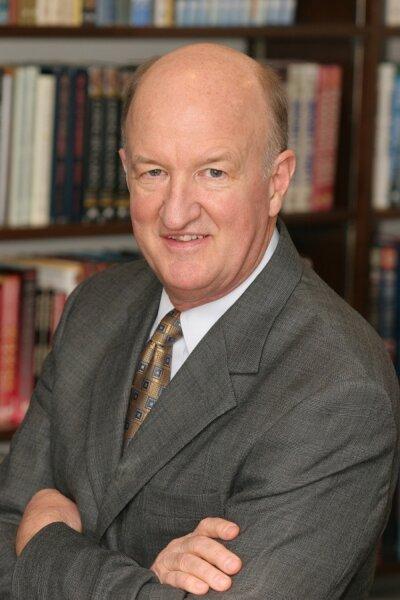
Economist Mark Skousen, an eighth-generation direct descendant of Franklin, authored “The Greatest American: The Genius of Benjamin Franklin” as a user-friendly guide to the Colonial era’s most intriguing celebrity. Indeed, calling Franklin a “celebrity” is the easiest way to classify him, as Skousen points out Franklin enjoyed prominence in 22 different careers.
Born in 1706, Franklin was a generation older than George Washington, John Adams, and Thomas Jefferson when the Revolution took shape. But Skousen observes that Franklin was:
“The most forward-looking of the group and the most of modern of the founders. He was a supporter of free-enterprise capitalism and globalization, a skeptic about organized religion, defender of the rights of minorities, [and] a lover of modern gadgetry.”
Skousen’s book gives ample evidence to celebrate these different aspects of Franklin’s life. On economic matters, the author hails his subject as the “Father of American Capitalism.” He highlights how Franklin’s writing on money matters helped to inspire generations with their savings and investing. He cited no less a figure than billionaire investor Warren Buffett as a student of Franklin’s lessons.
Scientist and Inventor
During his lifetime, Franklin was hailed for his scientific studies and inventions. His experiments with electricity earned him honorary doctorates from several colleges, including Harvard and Yale, thus enabling his self-identification as “Doctor Franklin.” This was a lofty title that camouflaged the fact his formal education ended at the age of 10 because his parents couldn’t afford to send him to school.

Skousen presents the argument that many of Franklin’s achievements and opinions would have made him fit comfortably in the 21st century. Franklin was plagued with poor health for many years. As his favorite wellness strategies, he exercised regularly with swimming, long walks, and lifting weights to offset his health problems. He was concerned about air quality, which directed him into creating a stove that kept houses free of smoke.
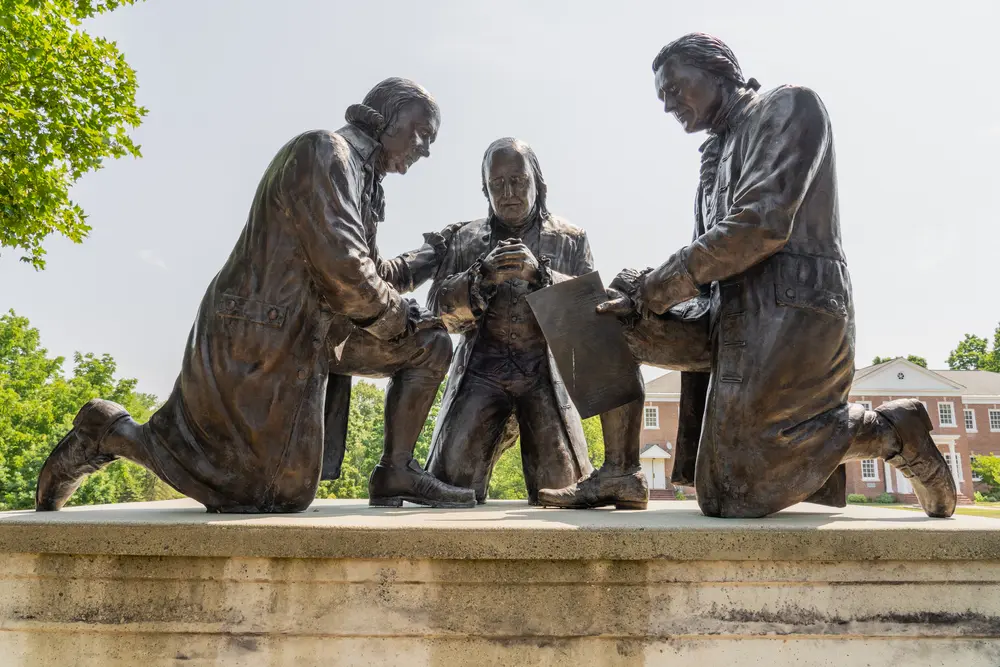
Unlike many of his contemporaries, he complained about the legal inequalities faced by women and respected diverse races, religions, and cultures. He co-founded the Negro School of Philadelphia; published articles about Confucius in his weekly magazine, The Pennsylvania Gazette; made anonymous donations to Philadelphia’s wide array of churches and synagogues; and faulted the white population in many of the conflicts with the Native American tribes.
Ahead of His Time
As a man ahead of his time in so many ways, Franklin generated some detractors who were baffled by his ideas and behavior. His most vocal critics were John and Abigail Adams. They weren’t amused by what they considered to be Franklin’s flirtatious attitude towards French women when he was a commissioner to France during the American Revolution. But as Skousen highlights, Franklin’s easygoing manner ultimately helped secure the new nation’s liberty.“Adams and the other diplomats were entirely unsuccessful as fundraisers in France, while the indispensable Franklin raised millions in loans and supplies,” Skousen writes. “It’s worth repeating that Washington won the war at home, but Franklin won it abroad. Without Franklin’s brilliant diplomacy, the French would never have provided the military and financial aid essential to achieving American Independence from the British.”
“The Greatest American” is the perfect title for this celebration of Franklin’s genius. Indeed, when he passed away in 1790 at the age of 84, his life truly embodied one of his most beloved epigrams: “Doth thou love life? Then do not squander time, for that’s the stuff life is made of.”