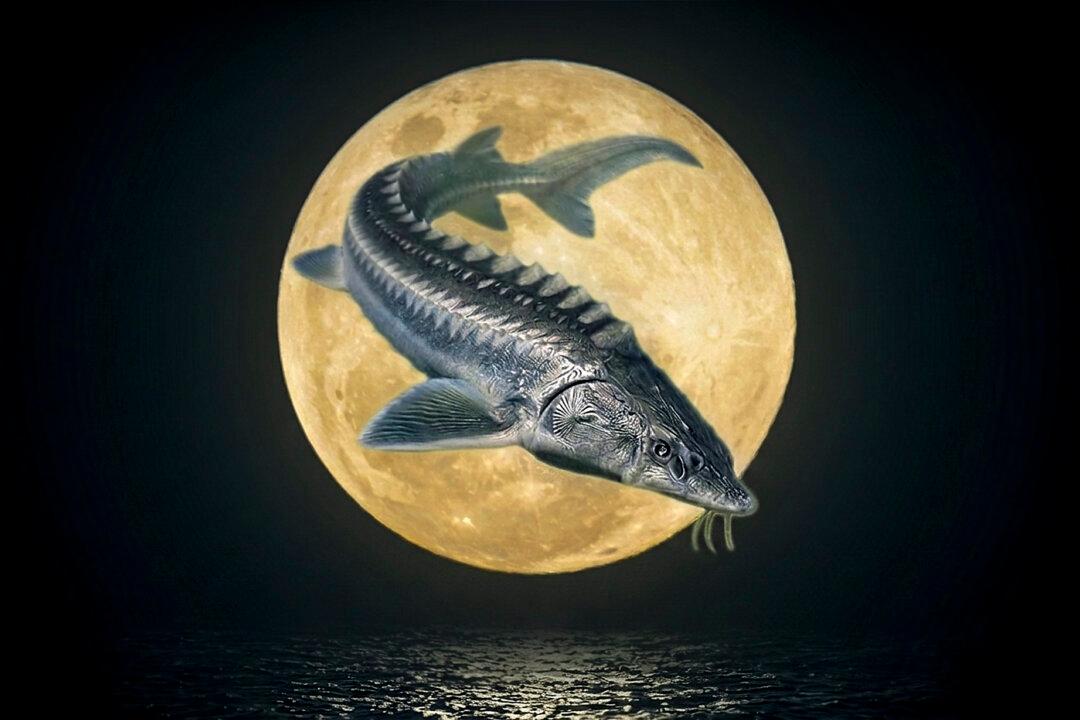
When we look back at the month of February 2026, what will we see?
White.
A large number of North Americans are expected to see peak amounts of what was seen in February by the first pilgrim settlers and native tribes since time immemorial: snow.
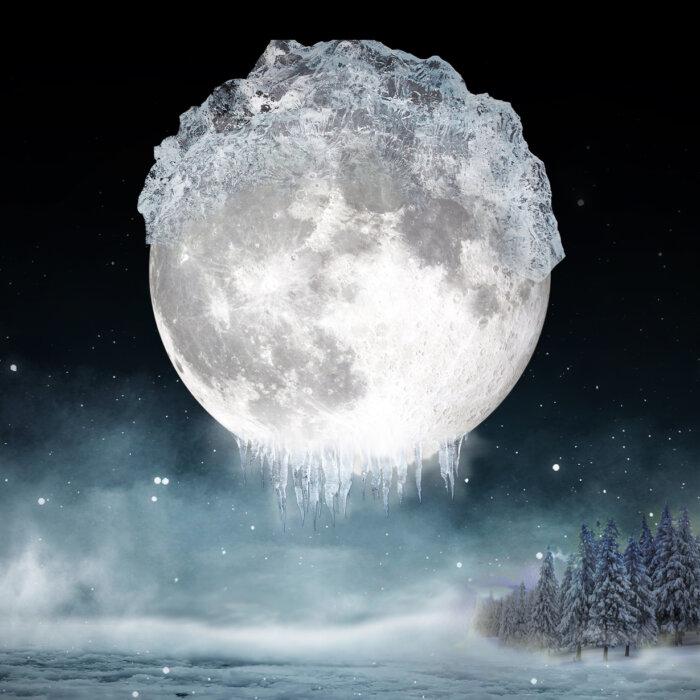
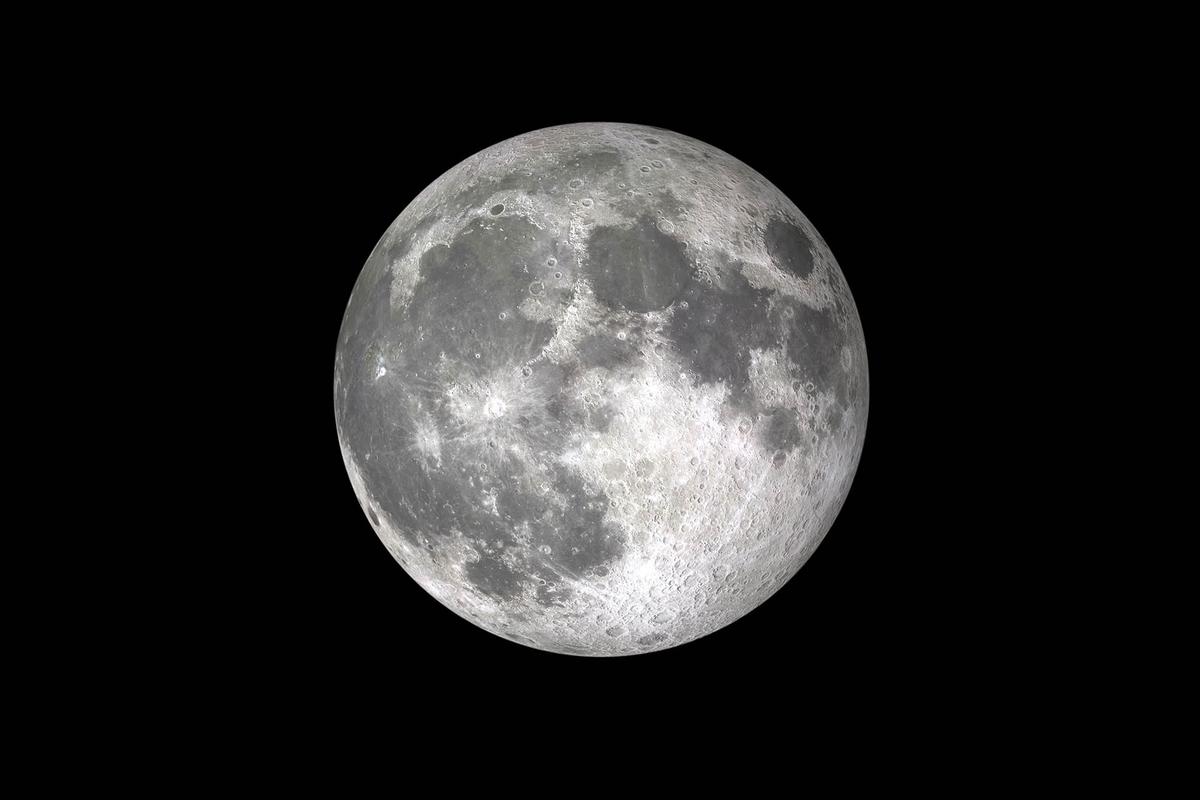
And, honoring these icy and festive white crystals, our ancestors centuries ago inaugurated that entire lunar cycle—one of the snowiest of the year—the Snow Moon. On Feb. 1, the Snow Moon will reach technical fullness at exactly 5:09 p.m. EST. For viewers with conflicting schedules, the moon will still look full the nights before and after Feb. 1.
The Snow Moon will rise to the east as twilight fades toward the west (full moons are always opposite the sun). Most years the Snow Moon shines from constellation Leo, but this year it will appear in Cancer, close to the Beehive star cluster.
There’s nothing really unusual about this February full moon except that it occurs during the shortest month of the year, which can complicate the lunar calendar. There are 29.5 days per lunar cycle while February has only 28 days, making it possible some years to have no February full moon at all.
When there’s a full moon at the very end of January, there won’t be one in February, and the next will be in early March. This lunar cycle with no full moon isn’t common, happening only about every 19 years, and is called the “Black Moon.” The last was in 2018 while the next won’t be until 2037.
February tosses yet another wrench into the lunar cycle. Anyone born on Feb. 29 knows the month gains an extra day every four years to adjust for Earth’s orbital spare change—there’s an extra quarter day outside our 365-day calendar year, and leap years are how we account for that. A full moon on that day is a Leap Day Moon. There’s only four per millennium: the first will be in 2048 while the others will be in 2132, 2216, and 2376.
With the polar vortex weather pattern hitting parts of the northeastern United States, extreme snow is expected next month. The winter scenery makes it obvious how the Snow Moon got its name. The 1760s explorer Captain Jonathan Carver set down in his journals how the Dakota peoples named this moon “because more snow commonly falls during this month than any other in the winter.”
But there are myriad more names made by other tribes that describe the month. There’s the “Sleet Moon” of the Comanche, the “Frost Sparkling in the Sun Moon” of the Arapaho, and “When Trees Crack Because of Cold Moon“ of the Lakota. Some tribes called it the ”Hunger Moon” because of the season’s scarcity.
Looking ahead to better weather, the March full moon, the Worm Moon, denotes thawing soil while April’s, the Pink Moon, signals the first moss phlox wildflowers in bloom.