The middle child of a family can end up being the odd one out, stuck between the trailblazing older siblings and the coddled babies. In one musical family, the second of three brothers who went into the same profession seems to have filled that role.
The Newmans are undeniably the most successful family of musicians to ever work in the film industry. That musical cinematic legacy began with three of the seven Newman brothers, Alfred, Emil, and Lionel, all of whom made their way to Hollywood in the 1930s.
Music in the Family
The Newman children were raised in New Haven, Connecticut. They were Russian Jewish immigrants who had little money. Their father, Michael, was a fruit peddler; their mother, Luba, encouraged the children to aspire to great things.She thought music lessons were important for her children, and she started her oldest child, Alfred, with piano lessons at age 6. He showed prodigious musical abilities, and his budding career changed all of their lives.
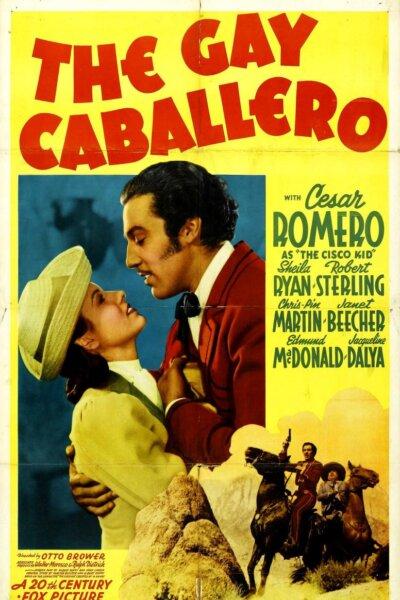
Emil was born on Jan. 20, 1911. He was 10 years younger than Alfred, and he established himself in the film industry 10 years later. Although his first film credit was for the 1936 film “Reunion,” he really got his start in 1940, beginning with “The Gay Caballero.”
Music Director
Emil was less known as a composer than his two brothers, although he did write original film scores. Instead, most of his 200 movie credits are as musical director. He wrote his first original film score in 1942 for the Fox film “Whispering Ghosts.” He composed seven more film scores that year and a few more intermittently throughout the decade. In the late 1940s, he left Fox.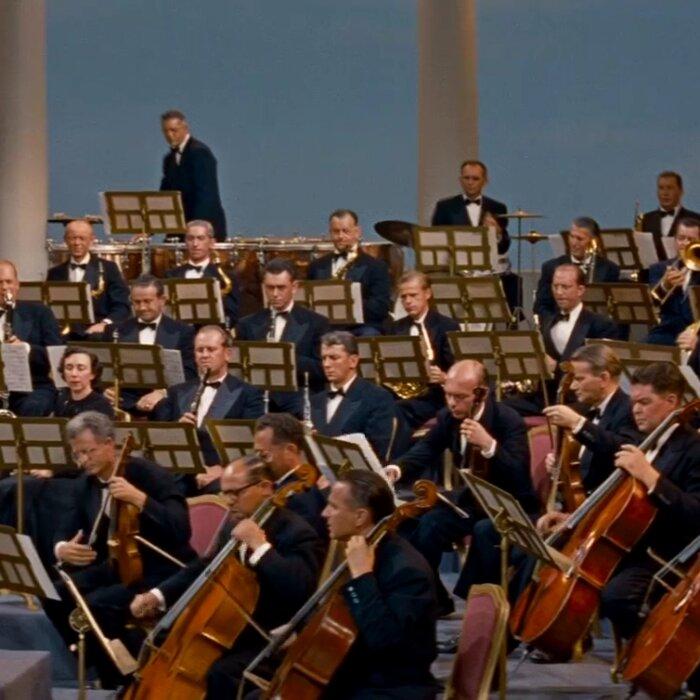
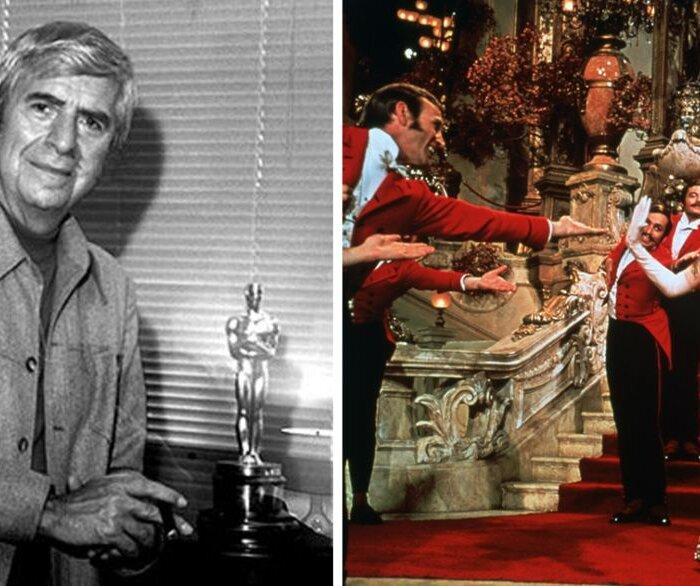
During the 1950s and 60s, he worked on television, contributing scores, songs, and musical direction to several TV series. He continued to work on an occasional film during this time on a freelance basis.
Emil also contributed individual songs to films, beginning with “Girl From Avenue A” (1940). Interestingly, these weren’t always films for which he was the music director or soundtrack composer.
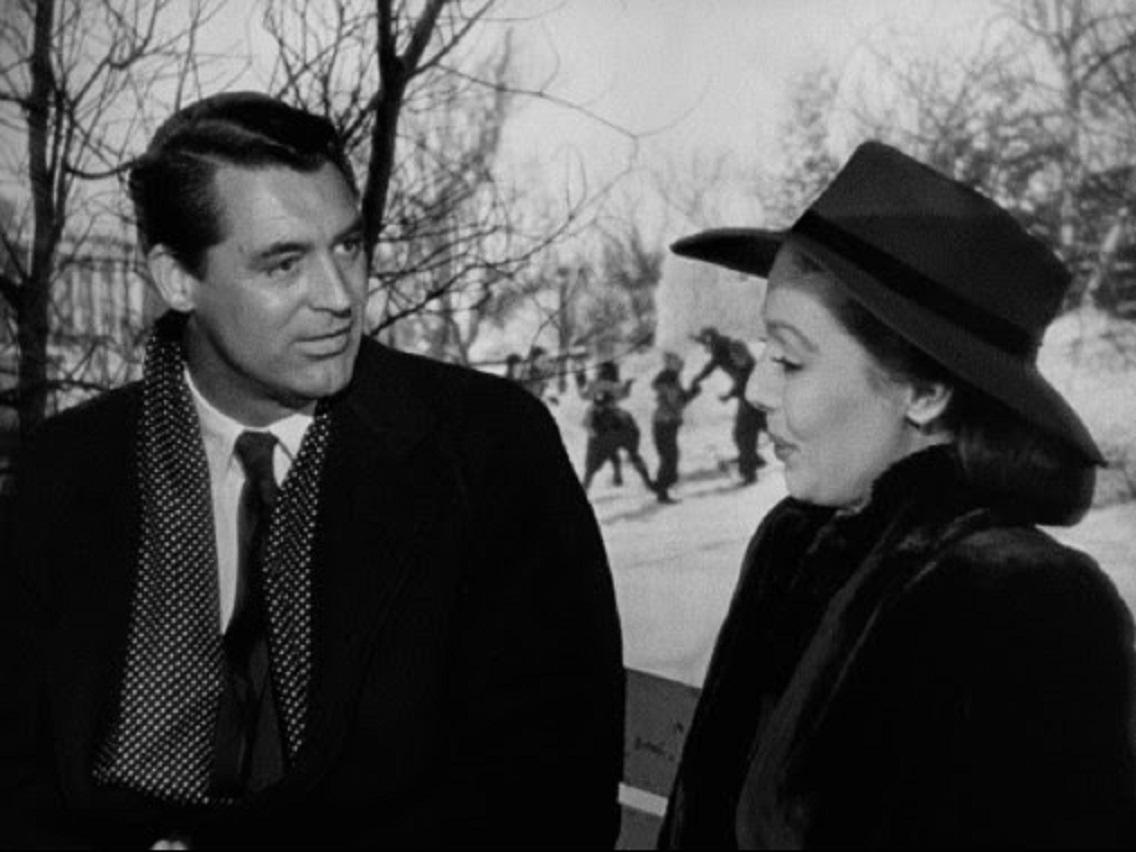
‘Sun Valley Serenade’
Collectively, the Newman musical family has received a total of 95 Academy Award nominations in various musical categories, more than any other family in Hollywood history. Although Alfred earned the lion’s share of these honors, Emil contributed one Oscar nomination to the family legacy.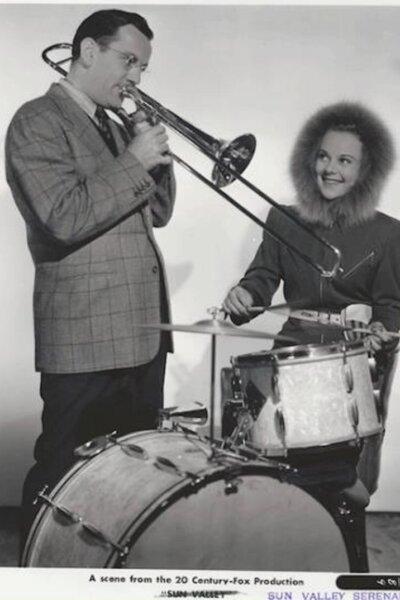
In 1941, he was the music director for the Fox film “Sun Valley Serenade.” This light-hearted musical starred Olympic ice skater Sonia Henie, It also featured Glenn Miller and his orchestra in one of the famous bandleader’s only two feature film appearances.
A surprising success, this movie introduced the hit tune “Chattanooga Choo Choo.” Although Emil didn’t write this song or any of the other featured tunes, he coordinated the production elements so that the individual musicians’ talent could shine.
Dedication to the Art
As the musical director for hundreds of films during Hollywood’s Golden Age, Emil was an integral part of a system that was formulated to produce movies like an assembly line. In this well-oiled machine, tireless dedication to excellence and efficiency was necessary.Coming from a poor upbringing in a large family, Emil knew the importance of a strong work ethic. An anecdote recounted by his nephew and fellow composer Randy Newman illustrates this.
A fire in Malibu destroyed Emil’s home and all his belongings. Since the orchestra was waiting for him at Fox, he came to the studio and conducted a film score in his bathrobe, as his other clothes were lost in the fire.
The name Emil Newman deserves a place of honor among the hard workers who’ve been responsible for creating memorable soundtracks for cinema.