NR | 1h 25m | Documentary | 2025
The Scarborough Shoal is almost 500 miles from China but only about 120 nautical miles from the Philippines. Yet both nations claim it as part of their territorial waters. Every international legal precedent categorically rejects the Chinese regime’s declaration of territorial hegemony. Nevertheless, the Chinese navy and coast guard aggressively assert their power across the disputed South China Sea. Everyone should be concerned about the impact of their lawlessness on international trade.
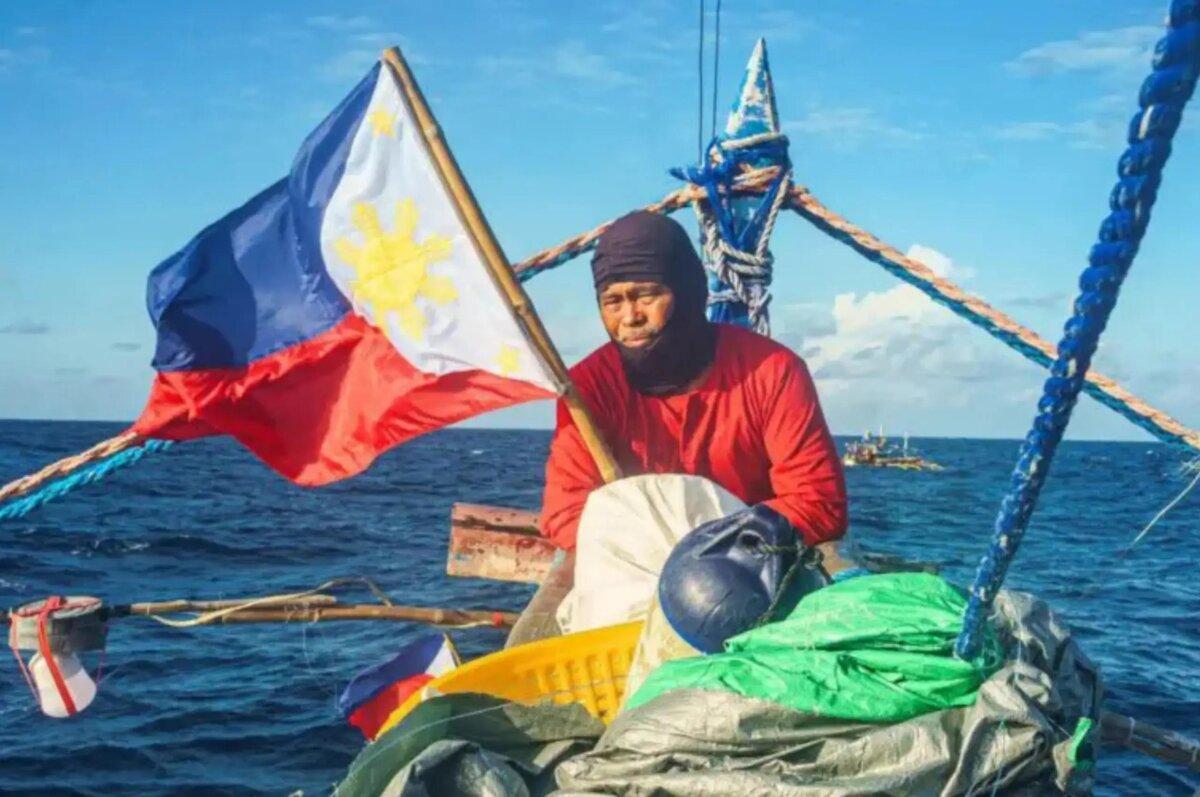
Chinese aggression hits even closer to home for working-class Filipino fishermen. Their livelihoods and even their very lives are threatened when China’s warships restrict access to those bountiful but contested fishing waters.
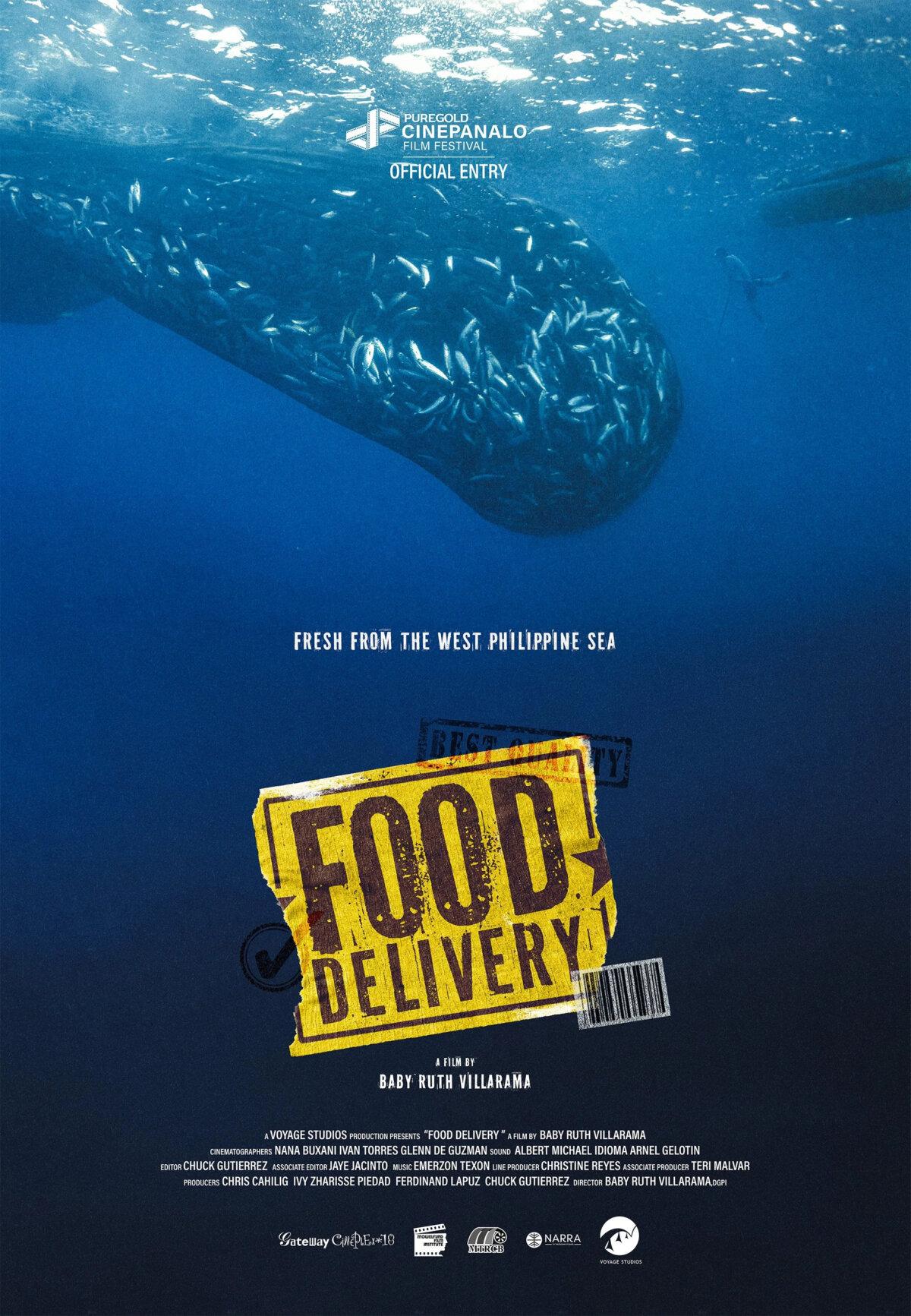
Filmmaker Baby Ruth Villarama quietly observes the fisherfolk of Subic Bay and the Filipino military personnel as they face Chinese belligerence in “Food Delivery.”
Territorial Claims
The Philippines now refers to the South China Sea as the West Philippine Sea to further emphasize their legal maritime jurisdiction. In fact, “West Philippine Sea” was part of Villarama’s original title, which would have been more descriptive than “Food Delivery.”Nonetheless, there is a bit of a double meaning to the current title. It refers both to the nourishing fish formerly harvested from the disputed waters and the secret operations conducted by the Philippine Navy. The Navy resupplies bare-bones outposts on Patag and Lawak, two of the Spratly Islands, for which the Philippines and the CCP make conflicting territorial claims.
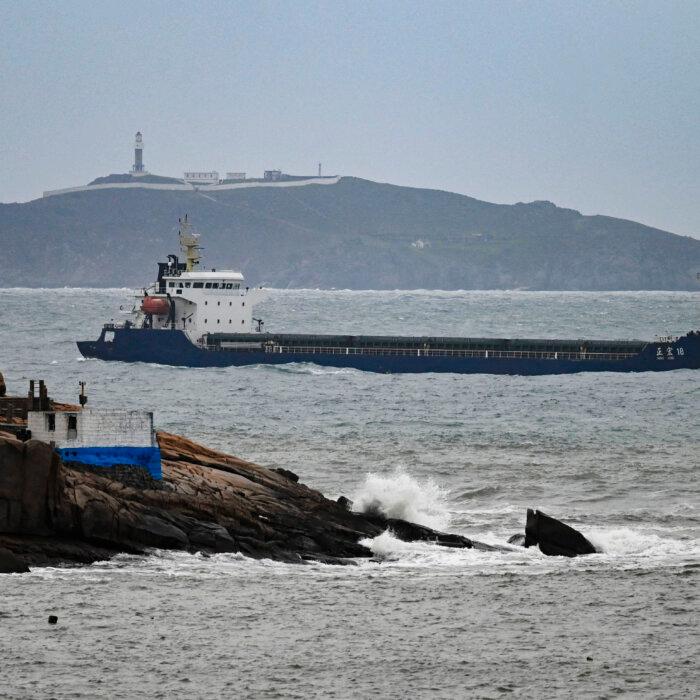
Villarama and the battery of cinematographers (Nana Buxani, Ivan Torres, and Glenn de Guzman) lensed some amazing wide-angle shots of the two islands that vividly illustrate how small and isolated they are. Clearly, they represent hardship stations, considering the sailors cannot pay their bills while they serve a tour of duty, because there is no functional Wi-Fi signal.
Potential military conflict is not impossible, either. Arguably, Villarama buries the most newsworthy revelation until roughly 60 minutes have elapsed, when “Food Delivery” captures a Chinese Coast Guard cutter intentionally ramming a Philippine naval vessel and then blasting it with water cannons. This is literally an unprovoked act of war captured on film.
On the other hand, Villarama’s obvious rapport with the fishermen is admirable, but it produces some pacing issues when she focuses on their day-to-day toils. For instance, a secondary subplot follows Arnel Satam; Satam is a fisherman serving as Villarama’s liaison to the Subic Bay fisherfolk community.
These scenes might emphasize the hardscrabble realities of the fishermen’s lives, but they somewhat stray from the film’s central topic.

Missing at Sea
Yet there was also plenty of geopolitically-charged dramas roiling the waterfront. Four fellow fishermen went missing at sea, suspiciously without a trace of debris left behind. This causes many veteran fishermen to fear the Chinese, who allegedly sank their boats and destroyed the evidence. According to the final text crawl, they still remain lost and unaccounted for.Arguably, “Food Delivery” is the sort of film whose sum of its parts is greater than its whole. There are scenes of unambiguous CCP maritime aggression that ought to be seen by all members of Congress. There are also slow, slice-of-life passages that would simply confuse lawmakers. Nevertheless, the visceral shock of the Chinese naval attack lands like a slap in the face. Frankly, this film could be a primary source cited in a legal case against the CCP.
Consistency is an issue, but “Food Delivery” fully establishes the human costs of Chinese naval imperialism. Not surprisingly, the regime has attempted to censor the film in international markets. They even filed an official protest against an Australian festival screening, fortunately, to no avail.
It is easy to understand why they do not want the world to see this film. That, in itself, is a recommendation.
It is also a film worth seeing on a big screen, because it directly transports viewers to these turbulent seas and tiny island outposts. This is a significant ongoing conflict that has already caused great hardship for average Filipinos making their living from the sea.
Possibly, a lot of Americans from the heartland who are concerned by the extent to which Chinese enterprises have bought up fertile farmland in the United States will relate to the film on a personal level, even though their circumstances are drastically different.
Despite some frustrating aesthetic choices, “Food Delivery” is recommended for its timeliness and for conclusively documenting the CCP’s blatant violation of international law.