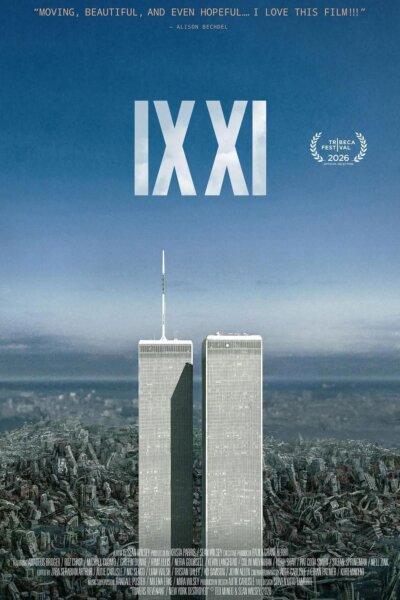
NR | 1h 26m | Documentary | 2026
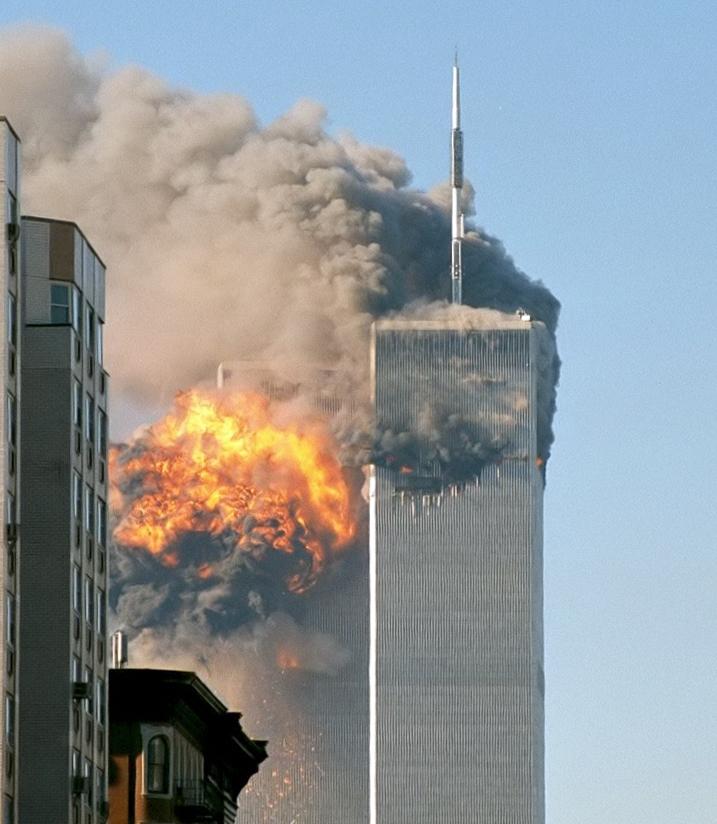
The 25th anniversary of the Sept. 9, 2001, terrorist attacks on the World Trade Center would be difficult under any circumstances. However, this year’s ceremony in New York could take on an additional degree of tension under Mayor Zohran Mamdani, especially considering his appointment of lawyer Ramzi Kassem as New York City’s chief counsel.
That’s the same Kassem who defended Ahmed al-Darbi, a convicted terrorist and the brother-in-law of one of the 9/11 hijackers who crashed into the Pentagon. Clearly, much time has passed since that fateful morning in 2001.
Oral History
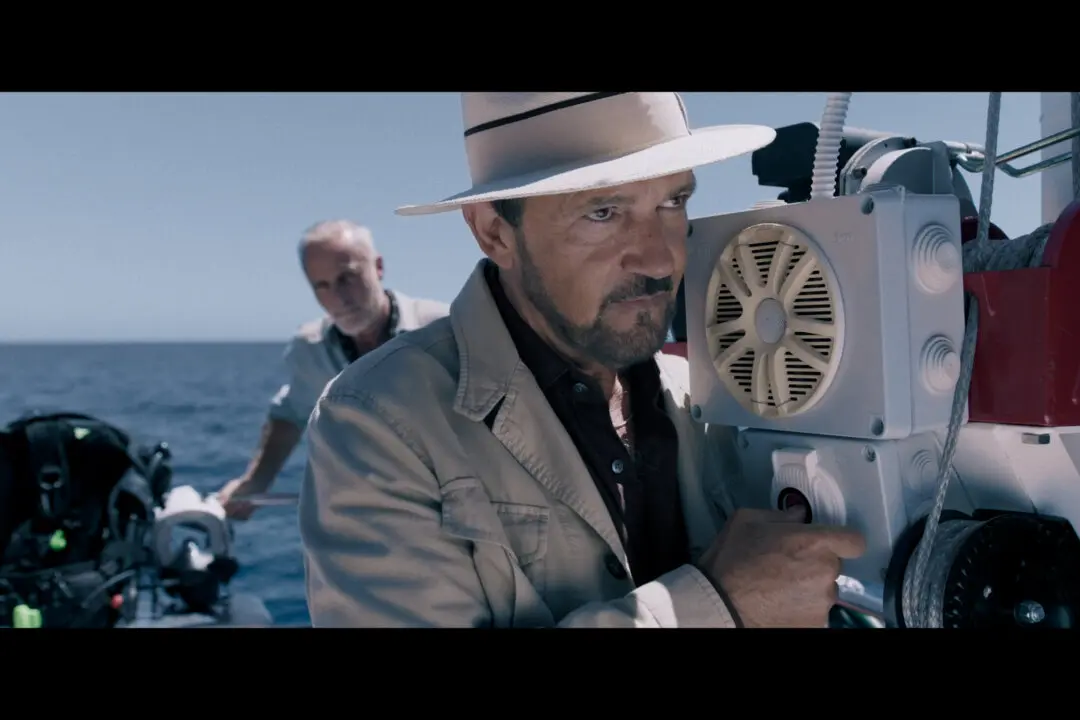
Inevitably, when a filmmaker collects oral history from 12 very different individuals, some recollections will be more insightful than others. The disparity is particularly great in “IX XI.” By far, the most compelling memories are those of a former news cameraman, Stefan Springman, who’s now an adventure reality TV producer. He rushed down to the Financial District to cover the aftermath while it was still fresh.More than any other participant, Springman brings home the devastating reality of that day. He describes the experience of interviewing worried family members hoping to find their missing loved ones alive, even though the cameraman knew in his gut that they were all most likely dead.
Sometimes, seemingly tangential memories take on surprising emotional heft. Former realtor turned actor Michael Cuomo recalls showing an apartment with an unobstructed view of the Twin Towers just as the first plane hit. He was shocked when his client burst into tears. The man explained that he had several close friends who worked in the building, who could very well have been killed from the impact. Clearly, those words immediately crystalized the enormity of the unfolding horrors for Cuomo.

There’s also real human empathy from Irma Ellis, who mourns former colleagues she once worked with at EF Hutton in their World Trade Center office.
Likewise, actor Griffin Dunne expresses the desire he felt to be with his daughter, who was then out of town with her mother, during such an emotionally charged moment. Indeed, that need for connection (which New Yorkers living in the city on that day will keenly understand) was so strong that Dunne, in solidarity, joined fellow parents at the school’s arranged rendezvous point.
Most of director Sean Wilsey’s interview subjects were either in New York City on 9/11 or sufficiently nearby to observe some aspect of the attack. The glaring exception is Kifah Shah, a self-described activist, who lived in San Diego at the time. During most of the film, she discusses her upbringing in California, which might strike some viewers as irrelevant to the subject at hand. Throughout the interview segments incorporated in Wilsey’s festival cut, Shah never expresses sympathy for the victims of the attack or outrage at such a violent atrocity. Frankly, her segments trivialize a gravely serious event that remains a source of profound pain for many New Yorkers.
Without question, Wilsey needed more boots-on-the-ground witnesses, like Springman, and fewer tangential viewpoints, like that of Shah. In some cases, the participants eventually come around to salient points.
For instance, novelist Nell Zink describes the unsettling realization (again, all too familiar to many New Yorkers) that she might’ve known more potential victims at the World Trade Center than she initially assumed.
At the very least, much of the collected oral history could and should have been more tightly edited to get to the significance quicker.
Ripple Effects
For documentaries like “IX XI,” which aren’t centered on those directly impacted by tragedy but rather try to document the wider ripple effects, there’s a danger of elevating self-promotion. That happens a little too often in Wilsey’s film. There are some incredibly moving passages—but just as many that underwhelm.Wilsey’s strategy of using brief clips excerpted from unrelated movies and TV shows often feels inappropriately flippant for a film addressing such serious subject matter. These clips, such as excerpts from the 1978 animated film “The Lord of the Rings,” illustrate the on-camera participants’ metaphors.
Since the film has only just made its festival premiere, perhaps Wilsey and the trio of editors (Nicolas Burrier, Tristan Daley, and Zara Serabian-Arthur) can consider recutting to remove some of the extraneous filler footage.
It’s important to remember those who died on Sept. 11, 2001, and to understand how their deaths continue to hold far-reaching consequences. As currently constituted, “IX XI” has some merits in that respect, but it’s too inconsistent and too unfocused to be fully recommended.
Frankly, the events of 9/11 deserve a better documentary treatment. Those interested will find “IX XI” an awkward, frustrating viewing experience.