In the Bible, there are many stories of angels speaking to men, warning them, guiding them, and comforting them, but there was only one time—one time only—when men heard angels sing. It was on the night of Christ’s birth into our world that angels sang “glory to God” and “peace on earth.” Just a handful of common people, common shepherds, were chosen to hear that song.
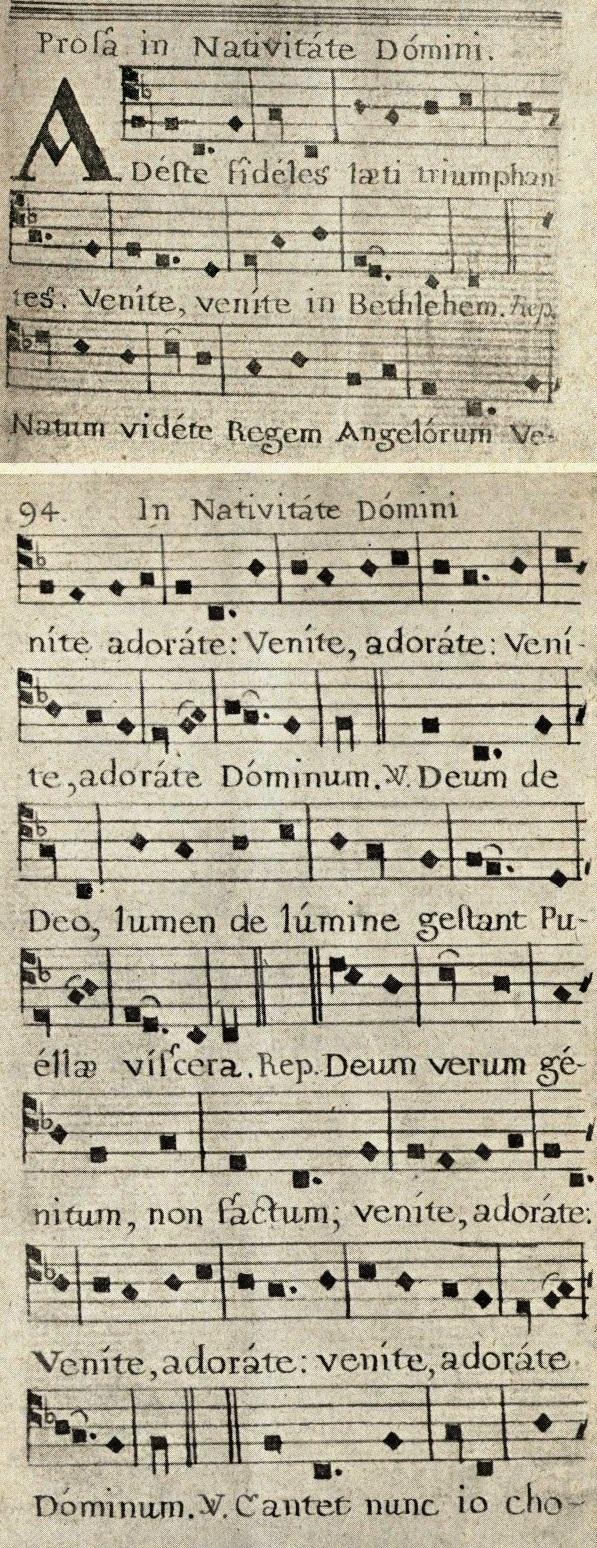
Now, there are hundreds, even thousands, of Christmas songs, carols, cantatas, and oratorios, conceived and sung by mortal men, celebrating the miracle that took place so many centuries ago. One of the most beautiful and most loved is “Adeste Fideles,” or “Oh Come, All Ye Faithful.”
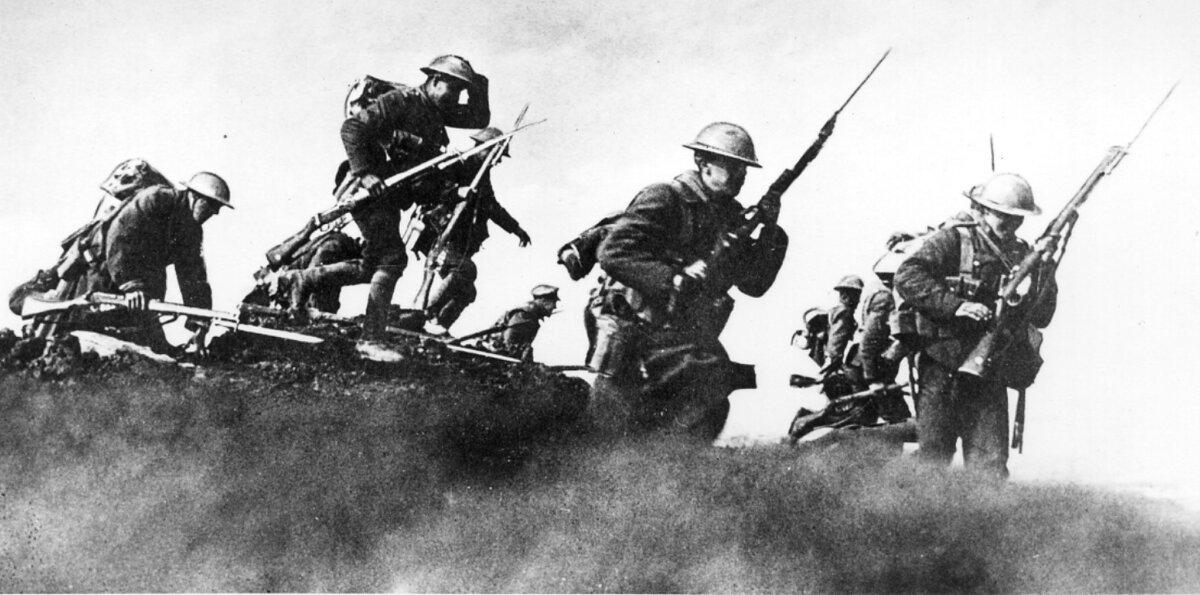
Unlike a government, a song knows no borders, passing freely from one country to another. Sometimes they even cross front lines and trenches in the time of war.
A Christmas Eve Long Remembered
A remarkable and astonishing event took place during Christmas 1914. Weeks before, Pope Benedict XV had asked all the warring powers for a Christmas truce, but the monarchs with their ministers, safe among their tapestries and chandeliers, refused to allow the killing to stop for even one day.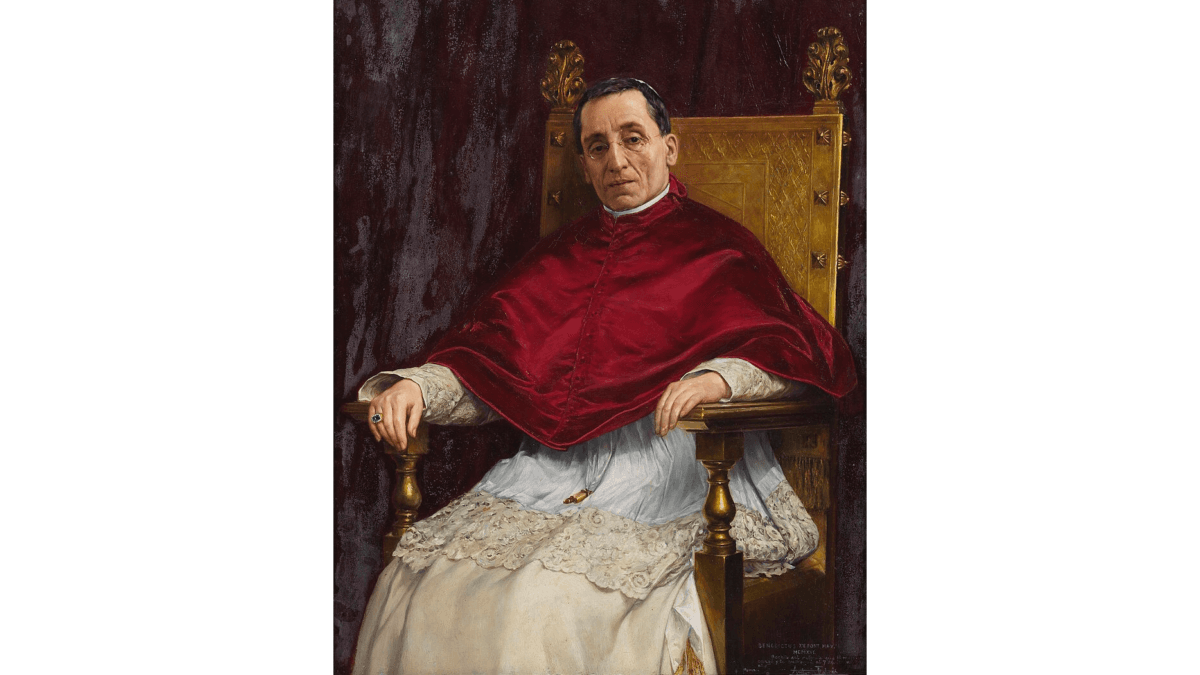
However, on Christmas Eve, all along the Western Front, the men in the trenches heard carols sung by their so-called enemies and sang their own songs in reply. They were, in fact, the very same songs, but in a different language. About two-thirds of the armed forces, longing for home and grieving their fallen comrades, spontaneously called their own truce.
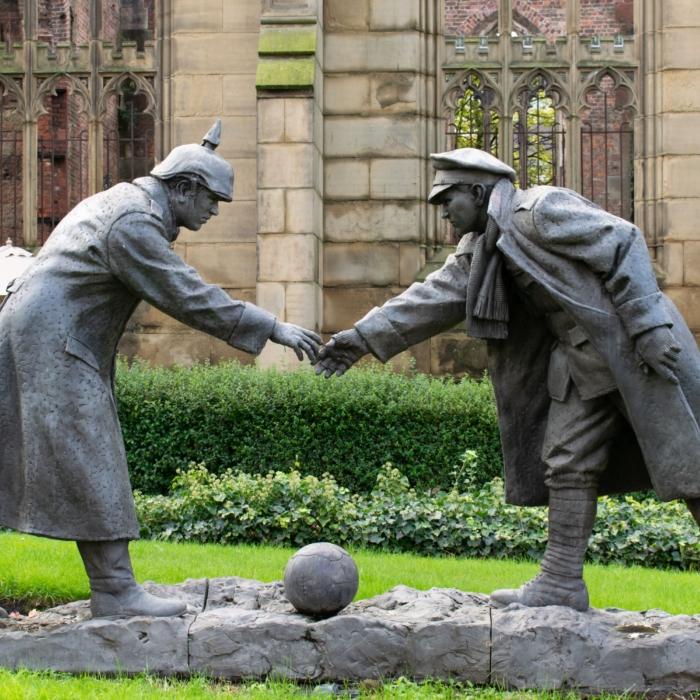

“First the Germans would sing one of their carols and then we would sing one of ours, until when we started up ‘O Come, All Ye Faithful’ the Germans immediately joined in singing the same hymn to the Latin words ‘Adeste Fideles.’ And I thought, well, this is really a most extraordinary thing—two nations both singing the same carol in the middle of a war.”
As morning broke along the front line, weapons were set aside and expressions of goodwill were spoken among those men who had been shooting at each other a day before. Even gifts of food and cigarettes were exchanged, and both sides were able to bury the dead who had lain in the trenches and on the fields.
Another British soldier remarked, “If we had been left to ourselves there would never have been another shot fired.”
One is reminded of Frederick the Great saying, “If my soldiers were to begin to think, not one of them would remain in the army.”
At Christ’s birth, angels sang “peace on earth”—not to kings, but to the common people. Centuries later, those common soldiers in the trenches did not hear angels, but they heard their own brothers sing songs of peace and goodwill. Perhaps peace lies only in their hands.