Except for the American flag, nothing symbolizes the United States more than the U.S. Capitol building in Washington.
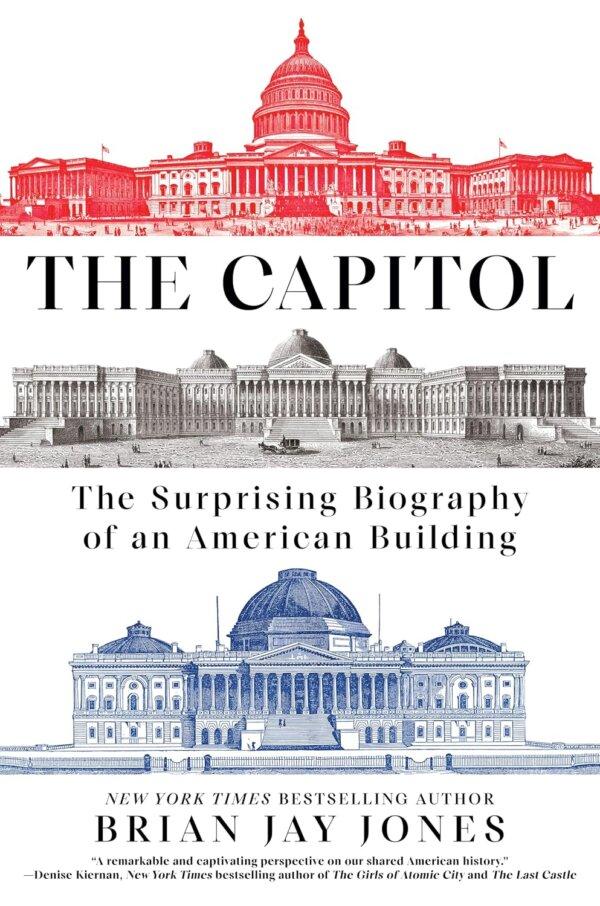
“The Capitol: The Surprising Biography of an American Building” by Brian Jay Jones follows the building’s construction. It took a surprisingly long time to complete as it appears today. George Washington laid the cornerstone in 1793. The first structure was completed as originally planned in 1828. Construction was interrupted several times. The British burned the Capitol in 1814, in retaliation for U.S. troops burning York (today’s Toronto) in 1813.
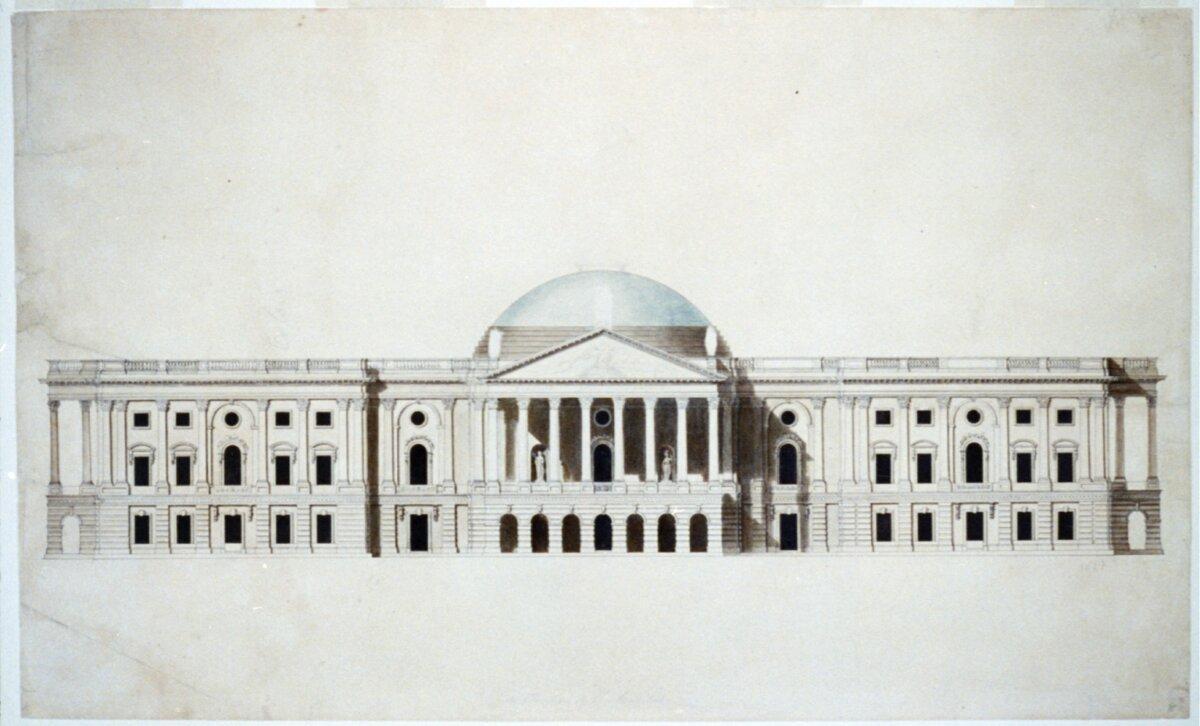
Aesthetically, it is one of the world’s most attractive legislative buildings. It is easy to assume that its current appearance is what it has always looked like. Instead, like the country for which it is the legislative building, it has grown and evolved over its nearly 230-year history. Its metamorphosis is shown in the artwork of the façade.
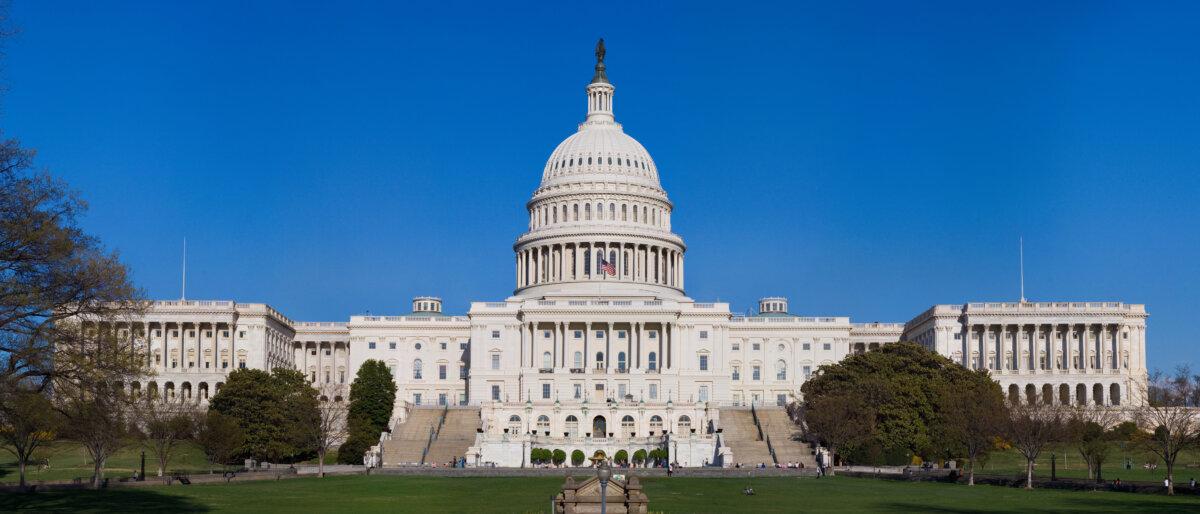
The building’s history is filled with surprises. The development went through fits and starts and occasional dead ends. It is filled with colorful personalities. As Jones shows, no less than George Washington was the impetus for the building’s location. He offered a vision of its appearance: two wings with a domed center. That vision led to the eventual installation of a central dome, which was constantly improved.
As the nation grew, so did the need for a larger building. Two wings were added outside the original wings in the 1850s. Unfortunately, this left the dome undersized for the new structure’s proportions. In 1855, the old dome was removed, replaced by the towering dome the building now has, and topped by the 19-foot-6-inch Statue of Freedom. The Capitol dome was finally completed in 1863.
At that point, the Capitol was largely in the form it is in today. Landscaping was added in the 1880s and 1890s. The East Portico was extended between 1858 and 1962.

Famous Personalities
Presidents George Washington, Thomas Jefferson, James Madison, and James Monroe personally involved themselves in its design and construction. Washington gave it its dome. Jefferson named the building. Madison and Monroe saw to its rebuilding after the War of 1812. As secretary of war, so did Jefferson Davis, future president of the Confederacy. He oversaw the 1850s expansion of the Capitol.The architects, artists, and engineers involved with the Capitol formed a who’s who of American culture throughout its history. Pierre L’Enfant designated the spot for the building when he drew the map of the city.
Those serving as architect included William Thornton, Benjamin Latrobe, Charles Bulfinch (whose son wrote “Bulfinch’s Mythology”), Montgomery Meigs, and Frederick Olmsted. Artists included John Trumbull, Horatio Greenough, Constantino Brumidi, and Thomas Crawford.
Just a list of names fails to reveal the delightful stories about them that Jones presents in this book. Many were as touchy as they were brilliant, clashing frequently with their supervisors, frequently resigning, and being surprised when their resignations were accepted.
A few were honored to be there. Jones shows Brumidi’s delight at becoming a U.S. citizen. Brumidi proudly declared his artwork was now that of a U.S. citizen, not an Italian foreigner.
Jones shows how Meigs was consumed by jealousy. During his tenure as architect, he wanted credit for everything done in the Capitol. He constantly undercut Thomas Walter, who designed the current Capitol dome, even altering documents to show himself as the originator.
Fortunately for Meigs, Walter, and the Capitol, the Civil War pulled Meigs away from the building. He proved a brilliant quartermaster general. Walter finished the Capitol undisturbed by Meigs.
Jones also reveals things occurring under the surface at the Capitol. These include the struggle to ensure proper acoustics and ventilation, the modifications instituted to “fireproof” the building (also describing various fires), and the installation of air conditioning in 1928 (which allowed Congress to remain in session longer).
He shows how the vision for the building evolved. Initially, it contained the chamber for the Supreme Court and the Library of Congress. As the size of Congress, the work of the Supreme Court, and the volumes in the Library of Congress grew, the Library and then the Supreme Court moved to their own buildings.
“The Capitol” is a delightful read. Entertaining and informative, it shows that the U.S. Capitol symbolizes the United States by more than just its appearance. Its progress, setbacks, expansions, and changes mirror those of the United States throughout its history. Reading about the Capitol is reading the history of this nation.