Once called blood poisoning, then septicemia, today it is sepsis. By whatever name, it is a killer. It was the mechanism by which COVID-19 most frequently killed. Sepsis is one of the biggest causes of death following an injury, and remains a leading cause of death in hospitals today. Medical science is only today beginning to unlock its mysteries.
“Blood Poison: The Untold Story of Sepsis” is written by a leading sepsis expert and lays out its treatments and explores its mysteries. Dr. Parsa Shahinpoor wrote this book to be understood by lay readers, while offering worthwhile information to medical professionals.
He traces the history of sepsis since ancient times. It underscores how sepsis had been misunderstood until the last decade of the 20th century. The doctor shows that sepsis is more than a runaway bacterial or viral infection.
It is a runaway infection often combined with an overactive immune system activation and response. The combination is deadly, causing multiple organ failure, then death.

Unchecked Disease
Misunderstanding the role of infection for millennia until the mid-19th century meant blood poisoning ran unchecked. It led to innumerable deaths among those injured in war or even everyday accidents. Even a scrape could sometimes lead to death by infection.Even after Pasteur, Semmelweis, and Lister uncovered the importance of sterilization and sanitation, the medical community was slow to process adopt their recommendations. As Dr. Shahinpoor shows, hospitals were considered deadly during the pre-antibiotic era.

He also shows why, once antibiotics were introduced, they failed to conquer sepsis. Antibiotics proved miraculous during the mid-20th century, but microbes evolved resistance. He explains how that mechanism worked.
He also shows that it was not until the 20th century ended that doctors realized sepsis resulted from the interaction between an infectious agent and the body’s own immune system. Infection could trigger a widespread cascade of immune hyperactivity.
This was the deadly combination frequently leading to death with COVID-19. Only in this century did medical researchers begin to unravel the mechanisms of sepsis.
Dr. Shahinpoor participated in this effort, leading a sepsis quality-improvement program at Kaiser-Permanente in Oregon. He draws on his medical training, the patients he and other colleagues treated for sepsis, and his efforts in a sepsis-reduction program to illustrate and underscore the lessons about sepsis throughout this book.
He stresses the difficulty of dealing with sepsis. “Sepsis is sneaky,” doctors say. It represents a spectrum of disorders, which terminate in uncontrolled infection and immune overreaction. It can strike suddenly, transforming what was a trivial injury into a life-threatening condition. Sepsis is easy to overlook early when it can be treated. Too often, treatment starts too late for recovery.
Public Health Misstep
Despite public health’s importance in the fight against sepsis, Dr. Shahinpoor seems oblivious to how public health agencies worldwide squandered public goodwill during COVID-19. His discussion of the pandemic seems based almost exclusively on the Centers for Disease Control and Prevention (and similar large government) sources circa 2020 to 2024.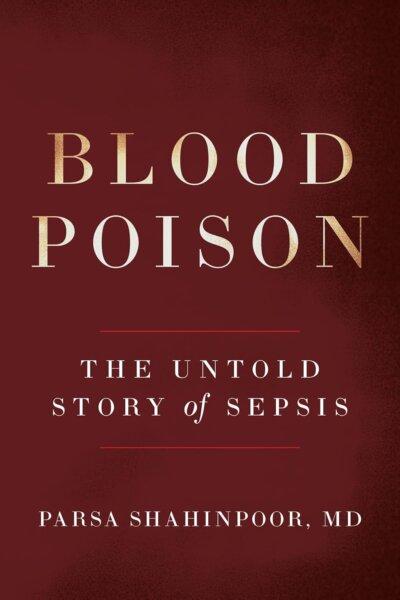
Revelations from 2025 onward show the COVID-19 vaccine was neither as innocuous nor as effective as Dr. Shahinpoor asserts in this book. It undermines the credibility of an otherwise great book. And this is a great book. Dr. Shahinpoor offers a lucid history of the medical treatment of sepsis, describes with clarity why it remains so deadly today, and shows why it is so hard to diagnose and treat promptly.
Along the way, he shows how modern medicine and modern medical research work. His descriptions underscore its complexity. Many individuals are involved in the research at various levels. A slip by any one of them can cause an irreversible error, resulting in treatment starting too late to be effective.
He shows that the problem cannot be solved by mandating “zero errors”; humans make mistakes. Nor can it be solved by increasing alerts and alarms. This leads to alarm fatigue, in which a critical warning gets drowned by a flood of alarms.
This book is worth reading. Dr. Shahinpoor offers solutions to sepsis, while freely admitting there are no magic bullets. Much remains to be discovered before sepsis can be conquered. Often unglamorous efforts yield significant results. A hospital’s housekeeping staff plays as important a role in stopping sepsis as cutting-edge medical treatments.
Developing a system to minimize the potential for error lies in guidance and education, and ultimately rests on individual doctors’ experience and competence.